

Are you ready to grow a thriving garden but unsure if your backyard soil is up to the task? Testing your soil is the first step to giving your plants the best chance to flourish.
Without knowing what’s in your soil, you could be wasting time, money, and effort on plants that struggle to survive. You’ll discover simple, effective ways to test your backyard soil yourself. By the end, you’ll know exactly how to prepare your soil for healthy, vibrant plants that will make your garden the envy of the neighborhood.
Keep reading to unlock the secrets of your soil’s health and boost your planting success!
Preparing For Soil Testing
Testing your backyard soil helps you understand its health. This information guides you to grow better plants.
Good preparation makes soil testing easier and more accurate. This includes gathering tools, picking spots, and choosing the right time.
Gathering Necessary Tools
Collect the right tools before taking soil samples. This makes the process smooth and accurate.
- Shovel or garden trowel for digging small holes
- Clean bucket or container to mix soil samples
- Plastic bags or containers to store samples
- Markers or labels to identify samples
- Gloves to keep hands clean
Choosing Sampling Locations
Pick spots that represent your backyard well. Avoid unusual areas like compost piles or places with new soil.
Take samples from several places to get a good mix. This gives a better picture of your soil’s health.
- Select areas where you plan to plant
- Avoid spots with heavy shade or water pooling
- Take samples from at least 5 to 10 locations
- Mix soil from these spots for one sample
Timing Your Soil Test
Test soil at the right time to get useful results. Early spring or fall works best before planting or after harvest.
Avoid testing when the soil is very wet or frozen. Dry soil gives more accurate results.

Credit: www.amazon.ca
Collecting Soil Samples
Testing backyard soil helps you understand its condition before planting. Collecting good soil samples is important for accurate results.
Follow simple steps to gather soil from different spots in your yard. This will give a clear picture of your soil quality.
Digging And Extracting Soil
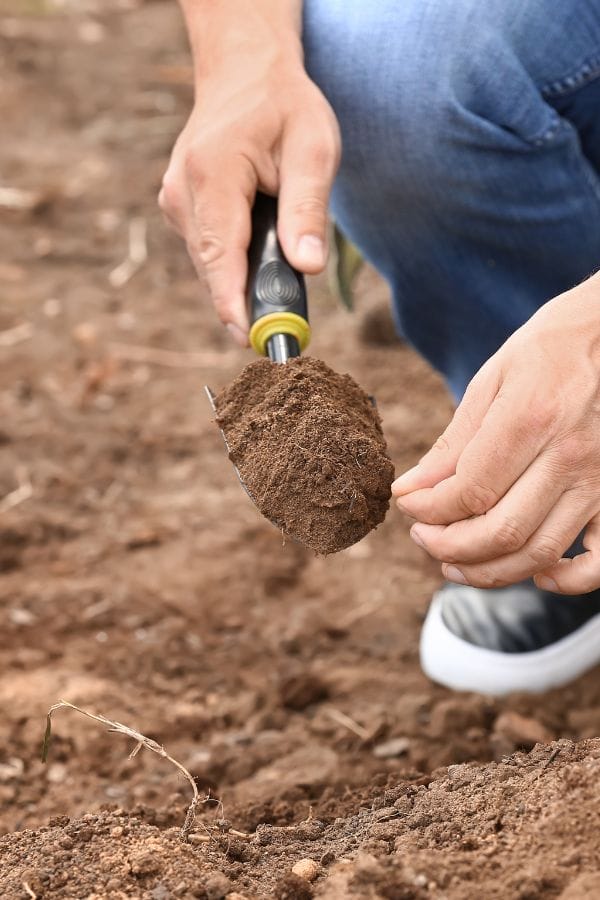
Use a clean shovel or trowel to dig 6 to 8 inches deep into the soil. Avoid areas with grass, mulch, or fertilizer. Take soil from several spots around your planting area.
Combining Samples For Accuracy
Mix soil samples from different spots in a clean container. This mix gives a better average of your soil’s condition. Avoid using metal containers to prevent contamination.
- Collect soil from 5 to 10 places in your yard.
- Remove debris like roots and stones.
- Combine all samples in a clean bucket.
- Mix soil thoroughly to create a uniform sample.
Drying And Packaging Samples
Spread the mixed soil on a clean paper to dry at room temperature. Avoid direct sunlight or heat. Once dry, put the soil into a clean bag or container for testing.
| Drying Tips | Packaging Tips |
|---|---|
| Use newspaper or paper towel to air dry soil | Use a plastic bag or airtight container |
| Keep soil away from heat sources | Label the sample with location and date |
| Break apart clumps before packaging | Do not add water or moisture |
Conducting Soil Tests At Home
Testing your backyard soil helps you know if it is good for planting. You can do simple tests at home. These tests show soil health and what plants need.
With easy tools, you can check soil pH, texture, and nutrients. This information guides you to grow healthy plants and flowers.
Using Ph Test Kits
Soil pH tells if the soil is acidic or alkaline. Most plants grow best in neutral soil, but some like acidic or alkaline soil.
pH test kits are easy to use. You take a soil sample, mix it with water, and add a test solution. The color shows the pH level.
- Collect soil from different spots in your yard
- Mix soil with distilled water in a clean container
- Add the test solution or pH strip as instructed
- Compare the color to the chart in the kit
Checking Soil Texture
Soil texture means the size of soil particles. It affects water drainage and root growth. Soil can be sandy, clay, or loamy.
You can test texture by feeling and rubbing wet soil in your hand. Sandy soil feels gritty, clay feels sticky, and loam feels smooth.
- Take a soil sample and wet it
- Roll the soil into a ball and press it
- Sandy soil breaks easily and feels grainy
- Clay soil stays in a ball and feels sticky
- Loam soil feels soft and holds shape lightly
Assessing Nutrient Levels
Plants need nutrients like nitrogen, phosphorus, and potassium to grow well. Testing soil nutrients helps you add the right fertilizer.
Home nutrient test kits use strips or capsules. You mix soil with water and add the test material. The color change shows nutrient amounts.
- Collect soil samples from different areas
- Mix soil with water to make a slurry
- Dip test strips or add capsules as directed
- Match colors to the nutrient chart
- Note which nutrients are low or high

Credit: www.amazon.ca
Sending Samples To A Lab
Testing your backyard soil helps you know its health for planting. Sending samples to a lab gives you detailed information about soil nutrients and pH levels. This guide shows you how to send your soil samples properly.
Collecting and sending soil samples correctly ensures accurate lab results. Follow the steps below to find a testing service, prepare your sample, and read your report.
Finding Local Testing Services
Look for soil testing labs near your area. Check with your local agricultural extension office or university. They often offer soil testing or can recommend trusted labs.
- Search online for “soil testing lab” plus your city or county
- Contact local gardening clubs or nurseries for advice
- Visit government agricultural websites
- Call your county extension office
Submitting Samples Properly
Collect soil from several spots in your yard to get a good mix. Use a clean tool and avoid roots or debris. Dry the soil before sending it to the lab.
- Use a clean trowel or soil probe to dig 6 inches deep
- Take samples from 5 to 10 spots in the planting area
- Mix all samples in a clean container
- Air dry the soil by spreading it on paper
- Put about 1 to 2 cups of dried soil in the lab’s sample bag
- Fill out the lab form with your details and sample info
- Send the package as directed by the lab
Interpreting Lab Results
Lab reports show nutrient levels, pH, and recommendations. Use the chart below to understand common soil test terms and their meanings.
| Term | Meaning | Ideal Range for Plants |
|---|---|---|
| pH | Measures soil acidity or alkalinity | 6.0 to 7.0 |
| Nitrogen (N) | Essential for leaf growth | Medium to High |
| Phosphorus (P) | Supports root and flower development | Medium |
| Potassium (K) | Helps overall plant health | Medium to High |
| Organic Matter | Improves soil structure and nutrients | 3% or higher |
Improving Soil Quality
Good soil helps plants grow strong and healthy. Testing backyard soil shows what it needs. You can fix problems and give plants a better place to live.
Improving soil quality means adjusting pH, adding organic matter, and balancing nutrients. These steps create a healthy environment for your plants.
Adjusting Soil Ph
Soil pH affects how plants absorb nutrients. Most plants like a pH between 6 and 7. If your soil test shows a low pH, it is acidic. You can raise pH by adding lime. If the pH is too high, the soil is alkaline. You can lower pH with sulfur or peat moss.
Test soil pH every year to keep it balanced. Proper pH helps plants use fertilizers better and grow well.
Adding Organic Matter
Organic matter improves soil texture and water retention. It also feeds helpful microbes in the soil. Compost, manure, and leaf mold are good sources of organic matter.
- Spread compost on top of the soil.
- Mix organic matter into the soil with a garden fork.
- Use mulch to protect soil and add nutrients.
- Avoid adding too much fresh manure at once.
Adding organic matter regularly keeps soil healthy and plants happy.
Balancing Nutrients
Plants need nitrogen, phosphorus, and potassium to grow. Soil tests show which nutrients are low. Fertilizers add missing nutrients to the soil. Use the right amount to avoid waste and harm.
| Nutrient | Function | Common Source |
| Nitrogen (N) | Helps leaves grow green and strong | Compost, manure, blood meal |
| Phosphorus (P) | Supports roots and flowers | Bone meal, rock phosphate |
| Potassium (K) | Improves overall plant health | Wood ash, kelp meal |
Credit: littlesproutslearning.co
Planning Your Planting Strategy
Planning your planting strategy is key to a healthy garden. Knowing how to test your backyard soil helps you choose the right plants.
By understanding soil needs, you can time your planting for the best results. Regular maintenance keeps your soil rich and your plants thriving.
Selecting Suitable Plants
Choosing the right plants depends on soil type and sunlight. Different plants need different levels of nutrients and water.
- Test soil pH to know if it’s acidic or alkaline.
- Identify soil texture: sandy, clay, or loamy.
- Select plants that match your soil conditions.
Timing Planting For Success
Timing your planting ensures that seeds grow strong. Plant at the right time for each plant species.
| Plant | Best Planting Season |
| Tomatoes | Spring |
| Carrots | Early Fall |
| Beans | Late Spring |
Ongoing Soil Maintenance
Regular soil maintenance is essential for plant health. It involves adding nutrients and keeping the soil structure balanced.
Frequently Asked Questions
How Do I Collect Soil Samples For Testing?
Collect soil from multiple spots in your backyard. Use a clean trowel to dig 6 inches deep. Mix samples in a clean container. This ensures a representative test of your soil’s overall health.
What Tools Are Needed For Backyard Soil Testing?
Basic tools include a trowel, clean bucket, and soil testing kit. Kits often test pH, nutrients, and soil texture. For detailed analysis, consider sending samples to a local extension service.
How Long Does Backyard Soil Testing Take?
Home test kits provide results within minutes to hours. Lab analysis usually takes 1 to 2 weeks. Timely testing helps you plan planting and soil amendments effectively.
Why Is Testing Soil Ph Important For Planting?
Soil pH affects nutrient availability and plant growth. Most plants prefer a pH between 6. 0 and 7. 5. Testing helps you adjust soil with lime or sulfur for optimal plant health.
Conclusion
Testing your backyard soil helps plants grow healthy and strong. Knowing the soil’s pH and nutrients guides your planting choices. Simple soil tests show what your garden needs. Good soil care improves plant health and yield. Take time to test soil before planting season.
Clear results make gardening easier and more fun. Healthy soil means happy plants and better harvests. Start with easy tests and watch your garden thrive. Soil testing is a small step with big rewards.
