
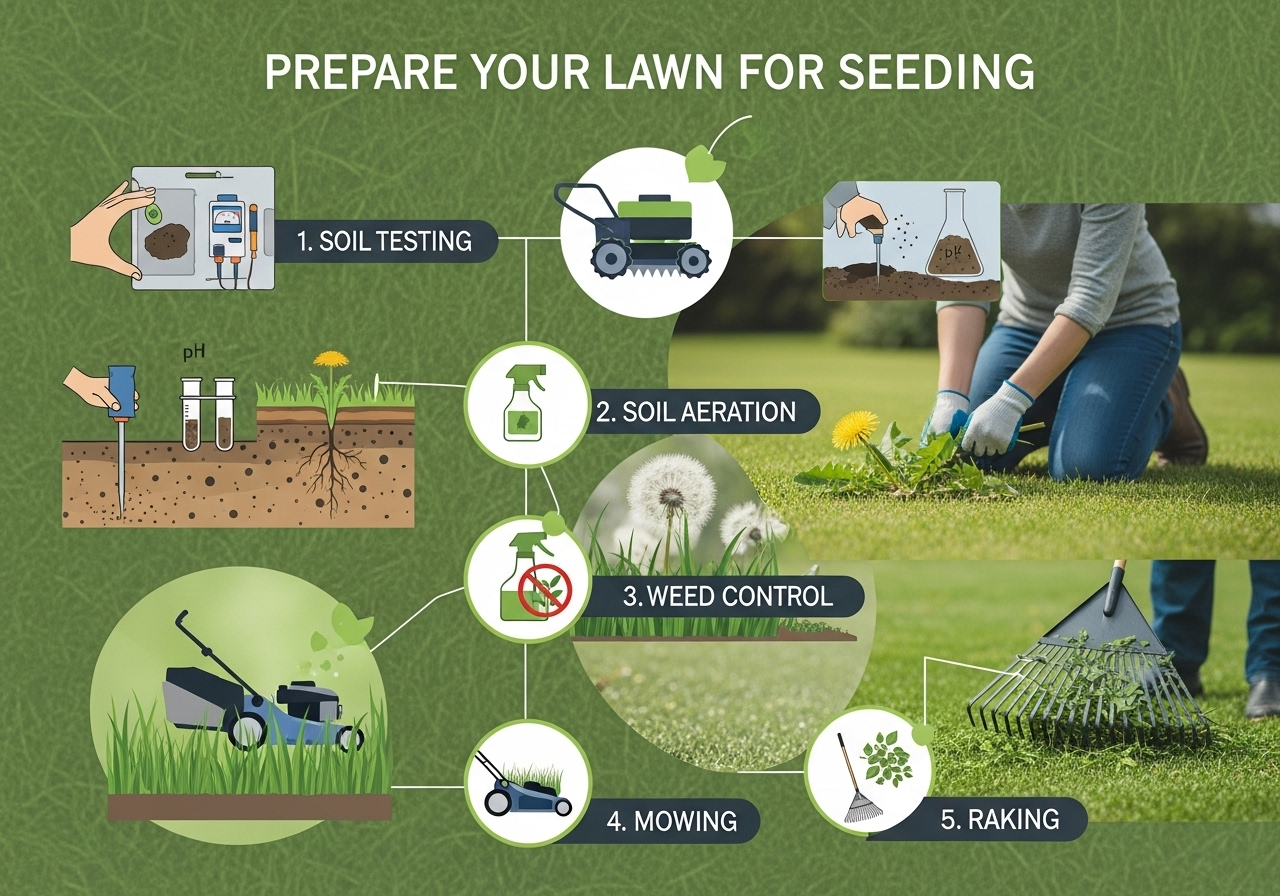
Are you ready to grow a lush, green lawn that turns heads? The secret starts beneath your feet—with the soil.
How you prepare your soil before planting grass can make all the difference between a patchy yard and a thriving carpet of green. If you want your grass to take root strong and healthy, learning how to till your soil properly is a must.
In this guide, you’ll discover simple steps to transform your soil into the perfect home for your new grass. Keep reading, and you’ll be one step closer to the lawn you’ve always wanted.
Prepare The Lawn Area
Tilling soil before planting grass helps create a healthy lawn. It loosens the ground and removes obstacles. Proper preparation allows grass roots to grow well.
Start by clearing the area and marking where you want to plant. This step sets the stage for successful grass growth.
Clear Debris And Weeds
Remove all debris like sticks, rocks, and old grass. Pull out weeds by their roots to stop them from growing back. Clean soil helps grass grow stronger.
- Pick up sticks and stones by hand
- Use a rake to gather leaves and dead grass
- Pull weeds carefully, making sure to get roots
- Dispose of debris away from the planting area
Mark The Planting Boundaries
Define the lawn edges clearly before tilling. Use markers to show the area for planting. This helps keep the lawn neat and organized.
| Tool | Use |
|---|---|
| String and Stakes | Mark straight lines for lawn edges |
| Garden Hose | Lay out curved boundaries easily |
| Spray Paint | Highlight planting lines on soil |
Choose The Right Tools
Tilling soil is an important step before planting grass. Using the right tools makes the work easier and better.
Good tools help prepare the soil well for healthy grass growth. Learn about different tillers and equipment.
Manual Vs. Mechanical Tillers
Manual tillers use your own strength to break and mix the soil. They are best for small areas and soft soil.
Mechanical tillers have engines that do the hard work. They are faster and good for large or tough soil.
- Manual tillers are light and easy to control
- Mechanical tillers save time and effort
- Manual tillers cost less than mechanical ones
- Mechanical tillers need fuel or electricity to run
Essential Gardening Equipment
Besides tillers, you need other tools to prepare soil for grass. These tools help make the ground ready and smooth.
Tools like rakes, shovels, and wheelbarrows help move soil and remove rocks or weeds before planting.
- Rakes remove debris and level the soil
- Shovels dig and move soil easily
- Wheelbarrows carry soil and tools across the yard
- Gloves protect your hands during work
- Watering cans or hoses help moisten soil after tilling
Check Soil Conditions
Before planting grass, it is important to check the soil. Good soil helps grass grow well.
Two key things to check are soil pH and nutrients, and soil moisture. These affect how your grass will develop.
Test Soil Ph And Nutrients
Soil pH shows if the soil is acidic or alkaline. Grass grows best in soil with pH between 6.0 and 7.0.
Checking soil nutrients helps you know if the soil has enough food for the grass.
- Buy a soil test kit from a garden store
- Follow the instructions to collect a soil sample
- Send the sample to a lab or use a home test kit
- Check results for pH, nitrogen, phosphorus, and potassium
- Add fertilizer if needed to balance nutrients
Assess Soil Moisture
Soil moisture is the amount of water in the soil. Grass needs moist but not wet soil to grow well.
| Soil Moisture Level | Description | Action |
| Dry | Soil feels dusty and cracks | Water the soil before tilling |
| Moist | Soil holds shape but crumbles easily | Good for tilling and planting |
| Wet | Soil feels sticky and heavy | Wait for soil to dry before tilling |

Credit: growcycle.com
Loosen The Soil
Before planting grass, it is important to loosen the soil. This helps roots grow easily and improves water flow.
Loosening the soil also removes clumps and makes the surface smooth for planting grass seed or sod.
Start With A Shallow Pass
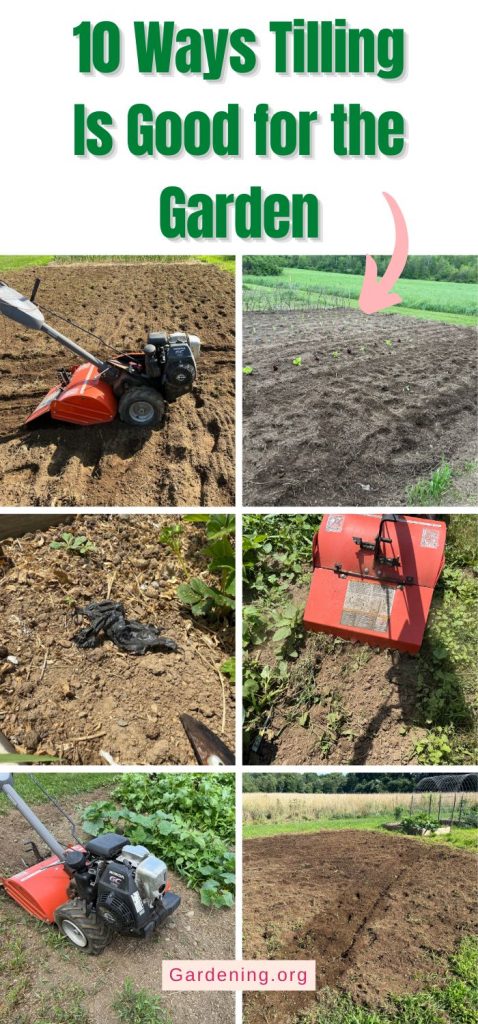
Begin tilling by making a shallow pass over the soil. This means turning the soil only a few inches deep.
A shallow pass breaks the hard surface and mixes in any loose debris or old roots on top.
- Set your tiller to a low depth
- Move slowly and evenly across the area
- Cover the entire planting zone
Work Deeper In Subsequent Passes
After the shallow pass, till the soil deeper. This helps air and water reach the grass roots better.
Make several passes until the soil is loose about 4 to 6 inches deep, which is ideal for grass planting.
- Increase tiller depth gradually
- Overlap passes to avoid missed spots
- Break up any large clumps of soil
Incorporate Organic Matter
Tilling soil before planting grass helps it grow strong. Adding organic matter improves soil quality. This guide explains how to use compost or manure effectively.
Add Compost Or Manure
Compost and manure enrich the soil with nutrients. They help grass roots develop well. You can choose either or both depending on availability.
- Compost is made from decomposed kitchen scraps and plant material.
- Manure comes from animals like cows or chickens.
- Both add essential nutrients like nitrogen and phosphorus to the soil.
Mix Evenly Into Soil
After choosing compost or manure, mix it into the soil. Mixing evenly ensures nutrients reach all parts of the ground. Use a shovel or garden fork for this task.
| Tool | Use |
| Shovel | For digging and turning the soil |
| Garden Fork | For breaking up and mixing soil |
| Tiller | For larger areas of land |
Level And Smooth The Soil
Preparing soil before planting grass helps the lawn grow evenly. Level and smooth soil makes planting easier.
This process removes bumps and creates a flat surface for grass seeds or sod.
Rake To Remove Clumps
Use a garden rake to break up large soil clumps. Raking loosens the soil and removes stones and debris.
- Start by raking in one direction across the area.
- Apply firm pressure to break soil lumps.
- Remove rocks, sticks, and old grass.
- Rake again in a perpendicular direction for even texture.
Create A Flat Surface
After raking, check the soil surface for low or high spots. Flatten these areas for a smooth lawn base.
| Tools | Purpose |
|---|---|
| Hand Tamper | Compresses soil evenly |
| Leveling Board | Flattens high spots |
| Garden Rake | Final smoothing |
Final Soil Preparation
Preparing your soil well is crucial before planting grass. It ensures healthy growth and a lush lawn.
Let’s explore the final steps in soil preparation to get your garden ready for seeding.
Water Lightly To Settle Soil
Light watering helps the soil settle before planting seeds. It prevents air pockets and ensures even seed distribution.
- Use a gentle spray to moisten the soil surface.
- Avoid overwatering, which can cause runoff.
- Check for any puddles and adjust as needed.
Allow Soil To Rest Before Seeding
Letting the soil rest is an important step. It stabilizes the soil structure and prepares it for the seeds.
| Rest Duration | Benefits |
| 1-2 Days | Soil settles naturally |
| 3-5 Days | Improves water retention |

Credit: www.heirloomsoul.com
Credit: gardening.org
Frequently Asked Questions
What Is The Best Time To Till Soil For Planting Grass?
The best time to till soil is during early spring or fall. Soil is moist but not waterlogged. This helps roots establish quickly and prevents soil compaction.
How Deep Should I Till Soil Before Planting Grass?
Till soil to a depth of 4 to 6 inches. This loosens compacted soil, improves aeration, and allows grass roots to grow deeply and healthily.
Should I Remove Weeds Before Tilling Soil For Grass?
Yes, remove weeds before tilling. Weeds compete with grass for nutrients and water. Clearing weeds ensures your new grass has a better chance to thrive.
Can I Till Soil Without A Rototiller For Grass Planting?
Yes, you can use a garden fork or spade to till soil manually. This method works well for small areas and helps aerate the soil effectively.
Conclusion
Tilling soil before planting grass helps roots grow strong and deep. It breaks up hard soil and mixes in nutrients well. This makes water and air reach the roots easily. Use the right tools and till at the right depth.
Avoid over-tilling to keep soil healthy. Good soil preparation leads to a lush, green lawn. Take time to do it right. Your grass will thank you with a beautiful, healthy look all season. Simple steps bring great results.
