
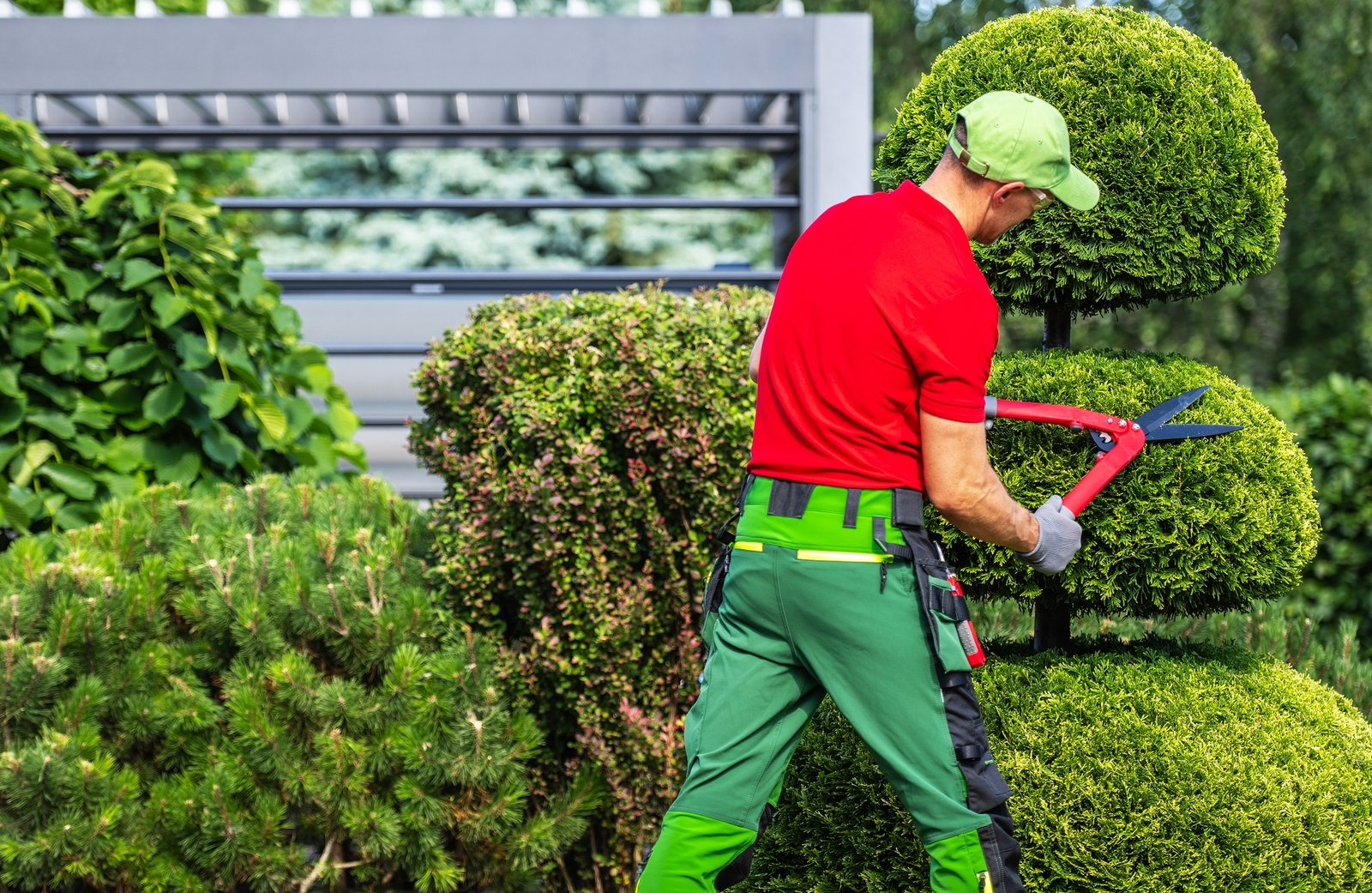
Are you confused about the difference between pruning and trimming? You’re not alone.
Many people use these terms interchangeably, but knowing the right way to care for your plants can make a big difference in their health and appearance. Whether you want your garden to look neat or your trees to grow strong, understanding these two techniques is key.
Keep reading to discover exactly how pruning and trimming affect your plants—and learn which one you should use to get the best results.
Purpose Of Pruning
Pruning helps keep plants healthy and strong. It involves cutting parts of plants for better growth and shape.
This process is different from trimming, which mainly focuses on shaping. Pruning targets the plant’s health and future development.
Encouraging Growth
Pruning removes old or weak branches. This lets the plant use its energy to grow new, healthy parts. It can also improve flower and fruit production.
- Cut back overgrown branches
- Remove weak or thin stems
- Open the center of the plant for light
- Encourage new shoots to develop
Removing Dead Parts
Dead or diseased branches can harm the whole plant. Pruning removes these parts to stop disease spread and improve air flow.
| Reason | Benefit |
| Dead branches | Prevent disease and pests |
| Diseased parts | Stop infection from spreading |
| Broken stems | Reduce damage and stress on plant |
Shaping Plants
Pruning gives plants a desired shape. It keeps plants neat and balanced. This helps plants grow evenly and look attractive.
Common shaping goals include:
- Maintaining size control
- Creating formal or natural shapes
- Balancing branch distribution
Credit: www.lawnstarter.com
Purpose Of Trimming
Trimming is a gardening task that helps keep plants healthy and neat. It focuses on cutting small parts of the plant.
This process is different from pruning because it mainly shapes and tidies plants without heavy cutting.
Maintaining Shape
Trimming helps plants keep a good shape. It stops branches from growing too far out. This makes plants look tidy and well cared for.
Controlling Size
Trimming controls how big plants get. It cuts back new growth to keep plants from getting too large. This is important for small gardens or pots.
- Limits plant height
- Keeps width manageable
- Prevents overcrowding
- Allows light to reach all parts
Improving Appearance
Trimming removes dead or damaged parts. This makes plants look fresh and healthy. It also encourages new growth and flowers.
| Benefit | Description |
| Removes dead leaves | Clears old parts that spoil looks |
| Encourages new growth | Stimulates fresh shoots and blooms |
| Enhances color | Makes plants look brighter and cleaner |
Tools Used
Pruning and trimming are important gardening tasks. Both need specific tools. Using the right tool helps plants grow healthy.
This guide explains the tools used for pruning and trimming. It shows how each tool fits its job.
Pruning Tools
Pruning tools are designed to cut thick branches and old wood. They help shape plants and remove dead parts.
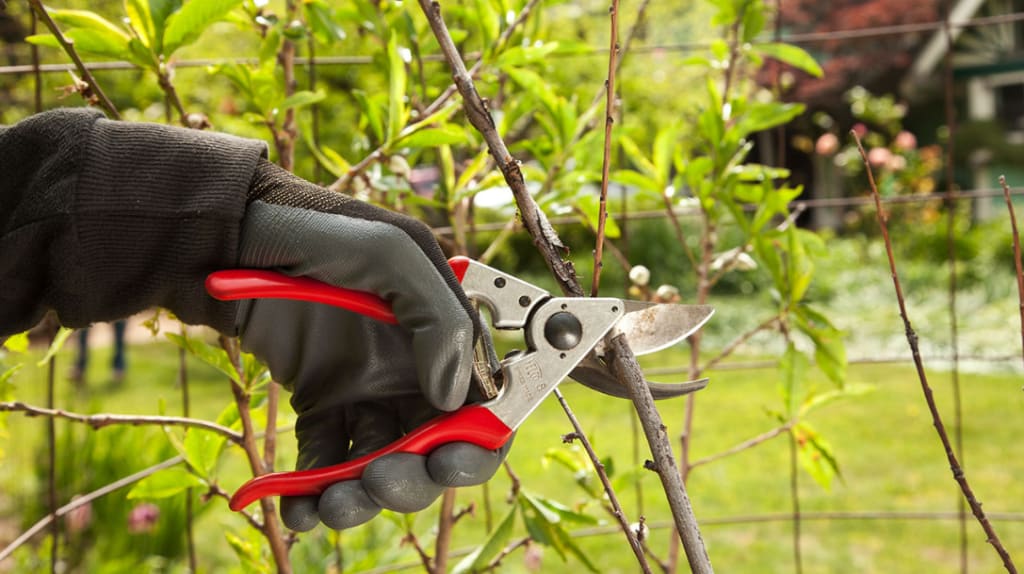
- Pruning shears: Small hand tools for branches up to ¾ inch thick.
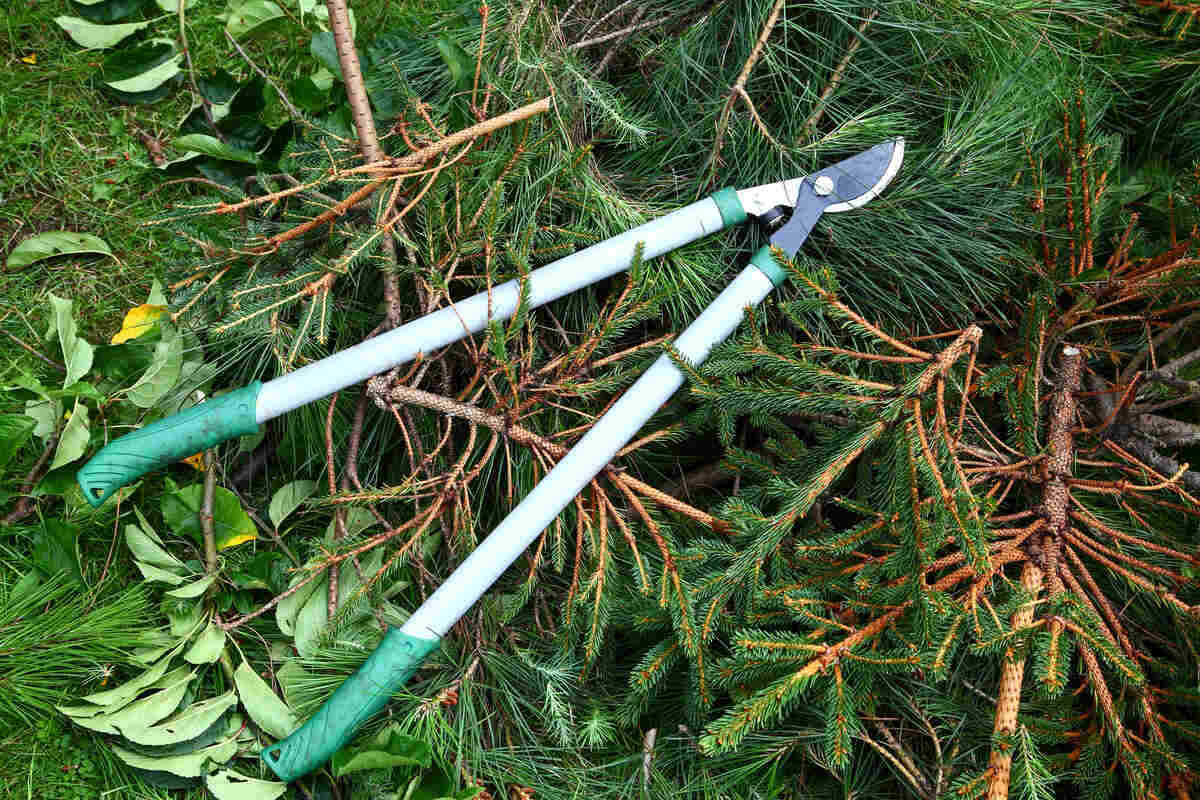
- Loppers: Long-handled tools for cutting branches up to 2 inches thick.
- Pruning saw: Used for branches too thick for shears or loppers.
- Hedge saw: For cutting large branches and thick growth.
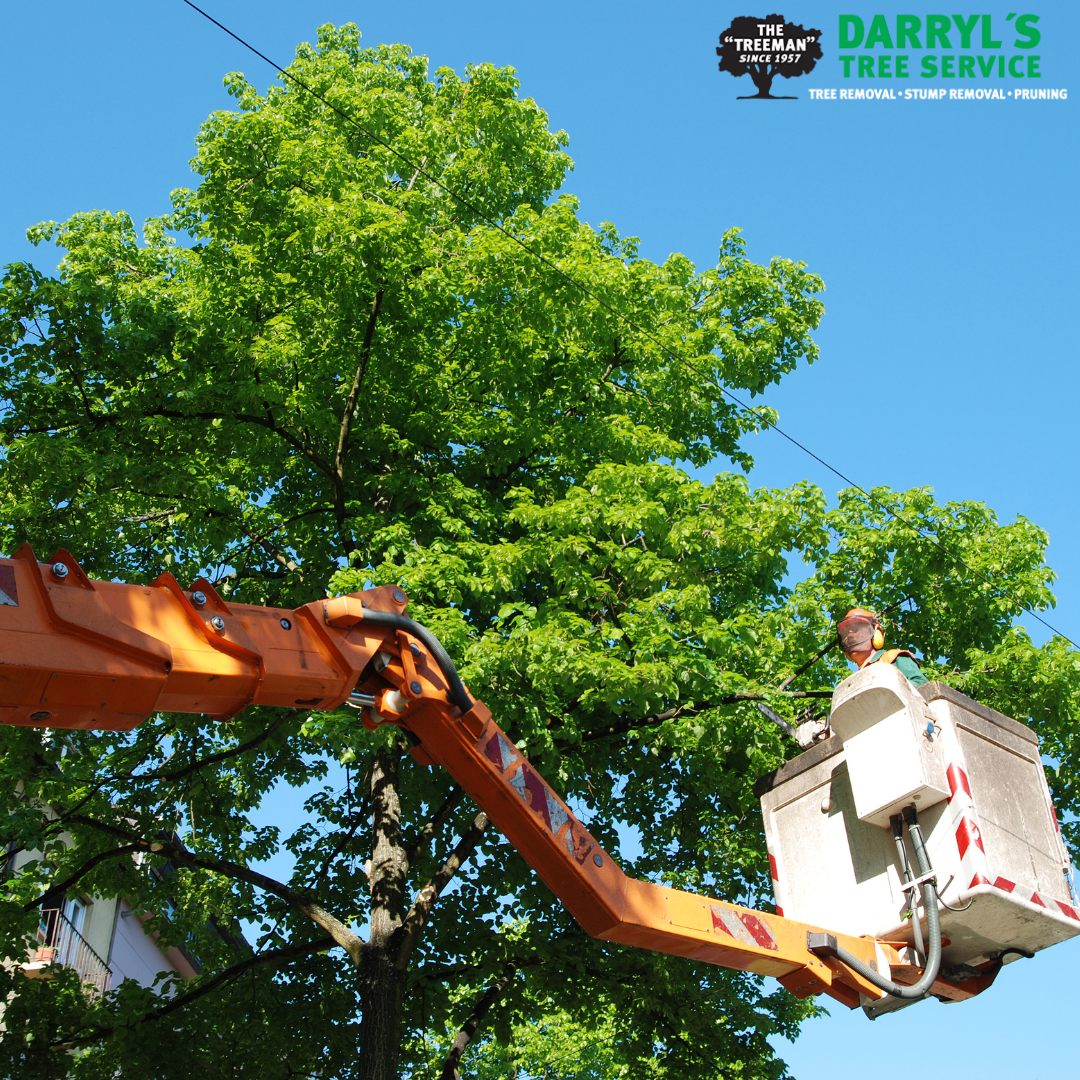
- Pole pruner: A pruning saw or shears on a long pole for high branches.
Trimming Tools
Trimming tools are for shaping and cutting small stems and leaves. They give a neat look to plants and hedges.
| Tool | Use | Common Features |
|---|---|---|
| Hedge trimmers | Cut and shape hedges quickly | Electric or gas powered, with long blades |
| Grass shears | Trim grass edges in tight spots | Small blades, manual or powered |
| Pruning scissors | Cut small stems and flowers | Lightweight, sharp blades |
| String trimmers | Trim grass and weeds in hard areas | Uses a spinning nylon line |
Credit: www.darrylstreeservicewi.com
Timing And Frequency
Pruning and trimming are important for plant health and appearance. They require different timing and frequency to work well.
Knowing when and how often to prune or trim can help plants grow strong and look neat.
Best Time For Pruning
Pruning is best done during a plant’s dormant season. This is usually in late winter or early spring before new growth starts.
- Remove dead or damaged branches to prevent disease.
- Shape plants to improve growth and air flow.
- Encourage flowering or fruiting by cutting back old growth.
- Do not prune during active growth to avoid stress.
Best Time For Trimming
Trimming can be done more often than pruning. It is usually done during the growing season to keep plants tidy.
| Plant Type | Trimming Frequency | Best Time |
| Hedges | Every 4-6 weeks | Spring to early fall |
| Flowering Shrubs | After flowering | Summer or fall |
| Fruit Trees | Light trimming as needed | Growing season |
Techniques And Methods
Pruning and trimming are key practices in garden care. They help plants grow healthily and look good. Each has unique techniques and methods.
Understanding their differences improves your garden maintenance skills.
Pruning Techniques
Pruning involves removing dead or overgrown branches. This encourages plant growth and improves shape.
Here are some common pruning methods:
- Thinning:Removes entire branches to open the canopy.
- Heading:Cuts back a portion of a branch to promote bushier growth.
- Deadheading:Removes faded flowers to encourage more blooms.
Trimming Techniques
Trimming is mainly for maintaining shape and size. It often involves cutting back hedges or shrubs.
| Method | Purpose |
| Shearing | Shapes hedges and shrubs |
| Topping | Reduces height of trees |
| Edging | Creates clean lines along paths |
Both pruning and trimming have their place in garden care. Choosing the right technique depends on your plant’s needs.
Credit: vocal.media
Effects On Plant Health
Pruning and trimming both shape plants and affect their health. They help plants grow better but in different ways.
Understanding how each method benefits plants can help you care for them properly.
Benefits Of Pruning
Pruning removes dead or diseased branches. This stops infections from spreading. It also lets sunlight reach inner parts of the plant.
- Improves air circulation inside the plant
- Encourages new growth and flowering
- Prevents damage from weak or overcrowded branches
- Helps maintain plant shape and size
Benefits Of Trimming
Trimming focuses on cutting back overgrown leaves or small branches. It keeps plants neat and tidy without heavy cutting.
| Benefit | Effect on Plant Health |
| Controls plant size | Prevents overcrowding and stress |
| Removes minor damage | Stops spread of pests and diseases |
| Improves light exposure | Enhances photosynthesis |
| Promotes uniform growth | Maintains plant balance |
Common Mistakes To Avoid
Pruning and trimming are essential for healthy plant growth. Many people confuse these two tasks. Understanding the differences helps in avoiding common mistakes.
Both tasks seem similar but serve different purposes. Knowing their distinct roles can lead to healthier plants.
Confusing The Purpose
Pruning focuses on removing dead or diseased branches. It helps in plant health and encourages new growth. Trimming, on the other hand, shapes the plant for aesthetic purposes.
Using The Wrong Tools
Using incorrect tools can harm your plants. Each task requires specific tools for effective results.
- Pruning shears for thick branches
- Hedge trimmers for shaping
- Hand pruners for small branches
Ignoring The Season
Timing is crucial for pruning and trimming. Knowing the right season prevents damage to your plants.
| Task | Best Season |
| Pruning | Late Winter |
| Trimming | Spring and Summer |
Overdoing It
Too much pruning or trimming can stress plants. Always follow guidelines to maintain balance.
Choosing Between Pruning And Trimming
Pruning and trimming are two ways to care for plants. Both help plants grow healthy and look good.
Choosing the right method depends on your plant and what you want to achieve.
Factors To Consider
Think about the plant’s health before cutting. Pruning removes dead or weak branches. Trimming shapes the plant and controls size.
Timing is also key. Prune during the plant’s dormant season. Trim regularly to keep plants tidy.
- Remove damaged or diseased parts with pruning
- Use trimming to maintain shape and size
- Prune less often, trimming more often
Plant Types And Needs
Different plants need different care. Trees and shrubs often need pruning to stay healthy. Small bushes and hedges usually need trimming to look neat.
Flowering plants may need pruning to improve blooms. Some plants grow fast and need frequent trimming.
- Trees: prune to remove old branches
- Hedges: trim to keep shape
- Flowering plants: prune to boost flowers
- Fast growers: trim often to control size
Frequently Asked Questions
What Is The Main Difference Between Pruning And Trimming?
Pruning removes dead or overgrown branches to improve plant health. Trimming shapes and maintains the plant’s appearance. Pruning focuses on growth control, while trimming emphasizes aesthetics and tidiness.
When Should You Prune Versus Trim Plants?
Prune during the plant’s dormant season to encourage growth. Trim regularly during the growing season to maintain shape. Pruning is less frequent but vital, trimming is routine upkeep.
How Does Pruning Affect Plant Health?
Pruning removes diseased or dead parts, preventing spread. It promotes better air circulation and sunlight exposure. This leads to stronger, healthier plants and improved growth.
Can Trimming Improve A Plant’s Appearance?
Yes, trimming shapes plants neatly and removes unwanted growth. It keeps plants looking tidy and well-maintained. Trimming enhances curb appeal without harming plant health.
Conclusion
Pruning and trimming both help plants grow healthy and look good. Pruning removes old or dead branches to boost growth. Trimming shapes plants by cutting small parts. Each method has its own purpose and benefits. Knowing the difference helps you take better care of your garden.
Use pruning for strong growth and trimming for neat appearance. Both skills improve plant health and beauty. Start with simple cuts and watch your plants thrive. Choose the right method for your gardening needs.
