
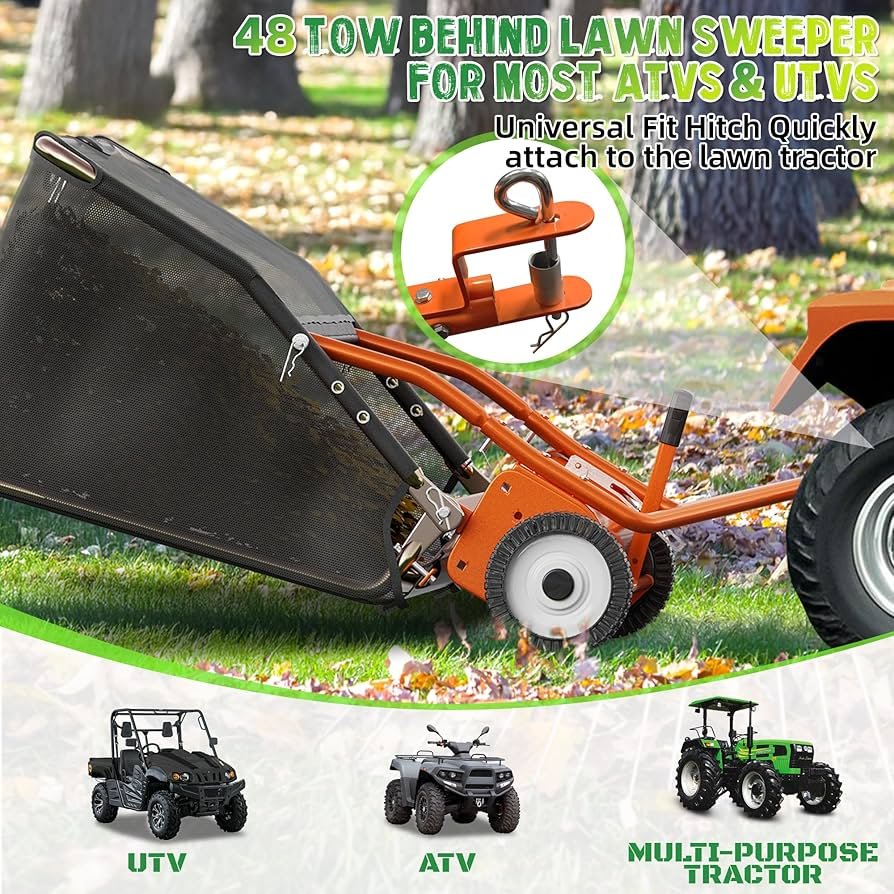
Have you ever wondered how a tow behind lawn sweeper can make your yard cleanup faster and easier? If you’re tired of raking leaves or picking up grass clippings by hand, this simple machine might be the solution you need.
Understanding how it works will help you get the most out of your lawn care routine and save you time and effort. Keep reading, and you’ll discover the smart way to keep your lawn spotless without breaking a sweat.

Credit: brinly.com
Basic Components
A tow behind lawn sweeper has several main parts that work together. Each component helps clean leaves and debris from your lawn. Understanding these parts makes it easier to use and maintain the sweeper.
These parts include the brushes, collection hopper, tow hitch, and wheels with axles. Each one plays a specific role in making the sweeper effective.
Sweeper Brushes
Sweeper brushes spin as the lawn sweeper moves. They pick up leaves, grass clippings, and small debris from the ground. The brushes are usually made of strong bristles or wire.
- Brushes rotate to sweep debris forward
- Flexible bristles help avoid damage to grass
- Height adjustment controls brush contact with ground
Collection Hopper
The collection hopper stores all the debris swept up by the brushes. It is a large container attached behind the brushes. The hopper is easy to empty once full.
| Feature | Purpose |
| Large capacity | Holds more leaves and debris |
| Removable design | Easy to empty and clean |
| Durable material | Resists wear and outdoor elements |
Tow Hitch
The tow hitch connects the lawn sweeper to your lawn tractor or ATV. It allows the sweeper to be pulled smoothly over the lawn. The hitch must be strong and secure.
- Fits standard hitch points on most tractors
- Allows for easy attachment and removal
- Keeps the sweeper aligned during use
Wheels And Axles
Wheels and axles support the sweeper and help it roll over the grass. The wheels also drive the brush rotation by turning the axle. Good wheels improve stability and cleaning performance.
| Component | Function |
|---|---|
| Wheels | Support the sweeper and roll over lawn |
| Axles | Connect wheels and transfer motion to brushes |
| Tires | Provide grip on various surfaces |

Credit: brinly.com
How It Operates
A tow behind lawn sweeper cleans grass clippings, leaves, and debris. It attaches to a lawn tractor or ATV for easy use. The machine moves over the lawn to pick up debris efficiently.
Understanding how it works helps you use it better. The sweeper has parts like brushes and collection bags that work together to clean the lawn.
Movement And Brush Rotation
The sweeper moves when pulled by a tractor or ATV. Its wheels turn as it moves forward. These wheels connect to a gear system that spins the brushes.
The rotating brushes sweep debris from the grass. The brush rotation speed depends on how fast the machine moves. Faster movement makes the brushes spin quicker.
Debris Collection Process
The brushes pick up leaves, grass clippings, and small sticks. They push the debris into a collection hopper or bag at the back. This keeps your lawn clean and debris-free.
The collection bag can be removed and emptied easily. This process is simple and saves time compared to raking or sweeping by hand.
Adjusting Brush Height
You can change the brush height to match the grass length. Raising the brushes helps on tall grass. Lowering them works well on short grass or hard surfaces.
Proper brush height improves debris pickup and stops damage to your lawn. Most sweepers have easy adjustment controls for this task.
Types Of Lawn Sweepers
Lawn sweepers help keep your yard clean by picking up leaves, grass clippings, and debris. They work by brushing the lawn and collecting waste into a hopper.
There are different types of lawn sweepers. Each type works in its own way and fits different lawn sizes and needs.
Push Lawn Sweepers
Push lawn sweepers are small and easy to use. You move them by pushing with your hands. They work well for small lawns.
These sweepers have brushes that spin when you push. The brushes pick up debris and drop it into a collection bag.
- Lightweight and easy to store
- Good for small yards and light debris
- No engine or motor needed
Tow-behind Lawn Sweepers
Tow-behind lawn sweepers attach to a lawn tractor or ATV. They are pulled behind as you drive. These work well for larger lawns.
The wheels turn brushes that sweep up leaves and grass. The debris collects in a large hopper, which you can empty when full.
- Ideal for medium to large yards
- Large collection hopper for more debris
- Requires a vehicle to tow
Power Sweepers
Power sweepers have a motor that spins the brushes. You do not need to push hard. These sweepers can handle heavy debris.
They come in push or tow-behind styles. The motor gives extra power to clean tough spots and thick debris.
- Best for large lawns with heavy debris
- Motorized brushes clean better
- More expensive and heavier than others
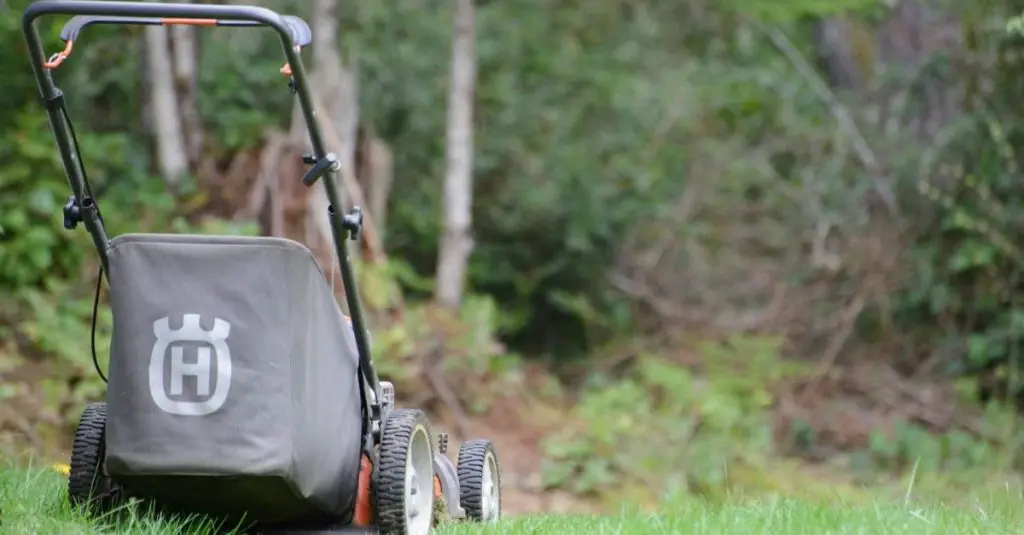
Credit: www.vevor.com
Benefits Of Using A Tow-behind Sweeper
A tow-behind lawn sweeper helps keep your yard clean by picking up leaves, grass clippings, and debris. It attaches to a lawn tractor or ATV and uses rotating brushes to collect debris into a hopper.
Using this tool saves effort and makes lawn care easier. It is a good choice for larger yards and busy homeowners who want neat lawns.
Efficiency And Time-saving
The tow-behind sweeper covers large areas quickly. It collects debris while you drive, reducing the need to rake by hand.
This tool cuts down the time spent on cleaning your lawn. It helps you finish yard work faster and with less effort.
- Cleans wide spaces in fewer passes
- Reduces manual raking and bagging
- Speeds up lawn maintenance tasks
Improved Lawn Health
Removing leaves and debris prevents grass from being smothered. This lets sunlight and air reach the grass blades.
Better airflow and light help grass grow strong and stay green. A clean lawn also lowers the chance of pests and diseases.
- Prevents grass damage from buildup
- Supports healthy grass growth
- Reduces risk of lawn diseases
Ease Of Use
The sweeper is simple to attach and use with most lawn tractors or ATVs. It requires little effort to operate once connected.
Emptying the hopper is easy and quick. The lightweight design makes it easy to store and handle.
- Quick to hook up and detach
- Simple to operate while driving
- Easy to empty and clean
Choosing The Right Sweeper
Picking the right tow behind lawn sweeper helps keep your yard clean. It makes collecting leaves and debris easier and faster.
Look at key features before buying. Size, compatibility, and build quality matter most.
Size And Capacity
Choose a sweeper with a size that fits your lawn. A bigger hopper holds more debris. This means fewer trips to empty it.
- Small sweepers suit yards under 1/4 acre.
- Medium sweepers work well for 1/4 to 1/2 acre lawns.
- Large sweepers are best for lawns over 1/2 acre.
Compatibility With Lawn Equipment
Check if the sweeper fits your lawn tractor or ATV. Most sweepers connect by a hitch or pin. Make sure the size matches your equipment.
| Equipment Type | Common Hitch Size |
| Lawn Tractor | 5/8 inch pin |
| ATV | 1/2 inch pin |
| Riding Mower | 5/8 inch pin |
Durability And Build Quality
Look for strong frames and quality brushes. Steel parts last longer than plastic. Good wheels handle rough ground without damage.
- Choose powder-coated steel to prevent rust.
- Check that brushes are replaceable.
- Look for sealed bearings on wheels.
- Test the frame for solid welds and joints.
Maintenance Tips
Keeping your tow-behind lawn sweeper in good shape ensures it works well. Regular maintenance can extend its life and improve performance.
Here are some simple tips to help you maintain your lawn sweeper effectively. Follow these steps to keep it clean and functional.
Cleaning And Storage
Clean your lawn sweeper after each use. Remove grass and debris from the brushes and hopper. This prevents rust and damage.
Store the sweeper in a dry place. Cover it to protect from dust and moisture. This helps prevent rust and wear.
- Empty the hopper completely
- Wipe down metal parts with a dry cloth
- Check for any loose parts
Brush Replacement
The brushes on your lawn sweeper wear out over time. Check them regularly for signs of wear. Replace them when they become frayed.
Replacing worn brushes ensures the sweeper works efficiently. It picks up debris better with new brushes.
- Inspect brushes every few uses
- Order replacement brushes from the manufacturer
- Follow the manual to replace brushes safely
Wheel And Axle Care
Check the wheels and axles for smooth movement. Lubricate them with oil if they squeak or feel stiff. This keeps them rolling easily.
Ensure the wheels are aligned properly. Misaligned wheels can cause uneven sweeping and damage to the lawn.
- Oil the axles every few months
- Check for bent or damaged wheels
- Tighten any loose wheel bolts
Common Issues And Fixes
A tow behind lawn sweeper helps keep your lawn tidy. It collects debris like leaves and grass clippings. Sometimes, issues can arise. Below are common problems and their fixes.
Brush Malfunction
The brushes are vital for collecting debris. If they malfunction, the sweeper won’t work well. Check for tangled debris in the brushes. Make sure they spin freely.
- Clear any debris caught in the brushes
- Ensure brushes are aligned correctly
- Replace worn-out brushes
Uneven Collection
Uneven collection happens if the sweeper is not level. Check the height setting. Adjust if needed. Make sure the wheels are not stuck.
| Problem | Solution |
| Uneven ground | Adjust the wheel height |
| Stuck wheel | Lubricate the wheel axle |
| Misaligned brushes | Realign the brushes |
Tow Hitch Problems
The tow hitch connects the sweeper to your tractor. If it’s loose, the sweeper may sway. Make sure the hitch is secure. Tighten any loose bolts.
Frequently Asked Questions
How Does A Tow Behind Lawn Sweeper Work?
A tow behind lawn sweeper uses rotating brushes to collect debris. It attaches to a lawn tractor or ATV. As you move forward, brushes sweep leaves and grass into a collection bag. This makes yard cleanup faster and more efficient.
What Types Of Debris Can It Collect?
It efficiently collects leaves, grass clippings, pine needles, and small twigs. It’s ideal for lawn maintenance after mowing or during fall cleanup. Larger sticks or wet debris may require manual removal for best performance.
How Do I Maintain A Tow Behind Lawn Sweeper?
Regularly empty the collection bag to avoid clogging. Clean brushes and check for wear or damage. Lubricate moving parts as recommended by the manufacturer. Proper maintenance ensures longer life and optimal sweeping performance.
Can A Tow Behind Lawn Sweeper Damage My Lawn?
No, it’s designed to be gentle on grass. The brushes rotate at a safe speed to avoid tearing. Proper height adjustment prevents scalp damage. It’s safe for most lawn types when used correctly.
Conclusion
A tow behind lawn sweeper helps keep your yard clean and neat. It picks up leaves, grass, and debris quickly. You just attach it to your mower or tractor and start moving. The brushes spin and sweep the debris into a collection bag.
This tool saves time and effort in lawn care. Regular use makes your lawn look tidy all season. Simple to use and easy to maintain. A good choice for anyone who wants a cleaner yard without extra work.
