
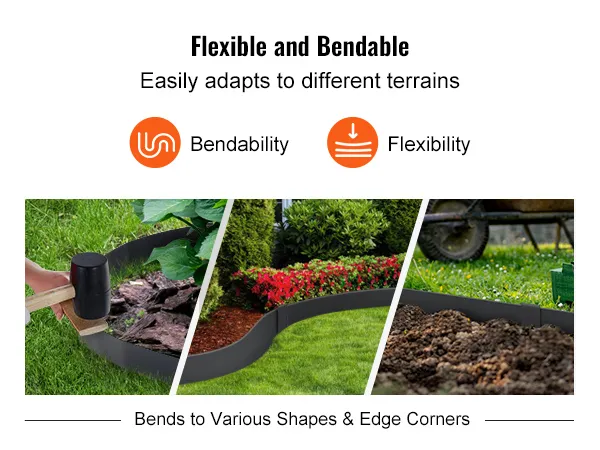
Are you struggling to shape your lawn edging just right? Bending flexible lawn edging might seem tricky at first, but with the right approach, you can create smooth curves and clean lines that make your garden look professional.
In this guide, you’ll discover simple steps and smart tips to bend your lawn edging easily, saving you time and effort. Keep reading to transform your outdoor space with perfectly shaped borders that stand out.
Choosing The Right Lawn Edging
Bending flexible lawn edging helps shape your garden borders nicely. Choosing the right edging makes the process easier.
Different materials bend in different ways. The size and tools also affect how you bend the edging.
Materials For Flexibility
Flexible lawn edging comes in many materials. Some materials bend easily while others are more rigid.
- Plastic edging bends well and is lightweight
- Rubber edging offers good flexibility and durability
- Metal edging is strong but bends with effort
- Composite edging combines materials for balanced flexibility
Choose a material that suits your garden shape and bending needs.
Length And Height Considerations
Longer edging can be harder to bend in tight curves. Shorter pieces are easier to shape.
Height matters for the look and function. Taller edging holds soil better but may be less flexible.
- Use shorter lengths for complex curves
- Choose lower height for gentle slopes
- Higher edging is good for raised beds or steep borders
Tools Needed
You need a few tools to bend flexible lawn edging correctly. These tools help you make smooth curves and secure the edging.
- Gloves protect your hands while bending
- Shovel or spade helps dig a trench for edging
- Rubber mallet taps edging into place without damage
- Measuring tape ensures proper length and fit
- Wire cutters or saw can cut edging to size
:max_bytes(150000):strip_icc()/spr-easy-flex-no-dig-adirondak-landscape-edging-jena-wilson-07-during-3983ef1d4a014130b79f143b2130bd31.jpeg)
Credit: www.thespruce.com
Preparing The Edging For Bending
Bending flexible lawn edging is easier with proper preparation. This step helps you avoid cracks and breaks in the material.
Start by getting the edging ready to bend smoothly along your desired shape.
Cleaning And Softening
Clean the edging to remove dirt and debris. Dirt can cause stiffness and make bending harder.
Soften the edging by warming it up. Warm material bends more easily and reduces the risk of cracks.
- Use a garden hose or cloth to wash off dirt
- Let the edging dry completely before bending
- Warm the edging with a heat gun or sunlight for 10-15 minutes
- Check if the edging feels flexible before bending
Marking Your Curve
Plan the shape of your lawn edging by marking the curve on the material. Clear markings help you bend accurately.
| Tool | Use |
| Chalk | Draw temporary curved lines |
| Marker | Make clear permanent marks |
| String | Create smooth curved guide |
Use a string or garden hose to shape a smooth curve. Trace along it with chalk or marker.
Safety Precautions
Wear gloves to protect your hands from sharp edges. Safety glasses can protect your eyes from flying debris.
- Put on gloves before handling the edging
- Wear safety glasses if using heat or cutting tools
- Work in a clear area to avoid tripping hazards
- Keep children and pets away during the bending process
Techniques For Bending Flexible Edging
Bending flexible lawn edging helps create neat garden borders. Using the right techniques makes shaping easier.
This guide covers manual bending tips, using heat for curves, and ways to secure edging in place.
Manual Bending Tips
Flexible edging can bend by hand, but careful handling avoids damage. Always work slowly and gently.
- Start by loosening the edging from the roll.
- Hold the edging firmly but do not force sharp bends.
- Bend edges gradually along the desired curve.
- Use your hands to shape small curves or turns.
- Support the edging on the ground while bending.
Using Heat For Easier Curves
Heat softens flexible edging, making it easier to bend tighter curves. Use a heat gun or warm water.
| Heat Method | How to Apply | Best For |
| Heat Gun | Hold 6-8 inches away and move evenly | Tight curves and sharp bends |
| Warm Water | Soak edging for 5-10 minutes | Gentle curves and gradual bends |
Always test a small piece first. Overheating can cause damage.
Securing The Edging In Place
After bending, fix the edging to the ground to keep its shape and position.
- Use stakes or spikes designed for lawn edging.
- Place stakes every 12 to 18 inches along the edging.
- Push stakes firmly into the ground on the outside edge.
- Check that the edging stays tight against the soil.
- Trim excess edging with garden shears if needed.
Common Challenges And Solutions
Bending flexible lawn edging can be tricky if you do not know the right techniques. You may face problems like cracking, uneven curves, or fixing mistakes after installation.
This guide covers common issues and simple solutions to help you work with lawn edging smoothly and effectively.
Avoiding Cracks And Breaks
Flexible lawn edging can crack if bent too sharply or without care. It is important to handle the material gently and prepare it properly before bending.
- Soak the edging in warm water for 10 minutes to make it more pliable.
- Bend slowly and evenly along the length of the edging.
- Use your hands to support the edging on both sides while bending.
- Avoid forcing sharp angles that exceed the edging’s bend radius.
Maintaining Smooth Curves
Creating smooth curves helps the lawn edging look neat and last longer. Uneven curves can make the edging weak and unattractive.
| Tip | Reason |
| Mark the curve outline on the ground | Helps follow a clear path |
| Use stakes to hold the edging in place | Keeps curves even and stable |
| Bend the edging in small sections | Prevents sharp bends and warping |
| Check curves from different angles | Ensures smooth and consistent shape |
Fixing Mistakes
If you make a bending mistake, you can usually fix it without replacing the entire edging. Some fixes are quick and simple.
Common fixes for bending errors:
- Reheat the edging with warm water to soften it again.
- Gently reshape the curve or straighten the edging.
- Use a flat surface and a roller to press out unwanted bends.
- If cracks appear, use flexible adhesive to seal small breaks.
Finishing Touches
Bending flexible lawn edging is just the start. The finishing touches make your lawn look neat and tidy. Proper finishing helps the edging last longer and look natural.
These tips cover how to anchor, blend, and maintain your lawn edging for the best results.
Anchoring The Edging
Secure your flexible lawn edging with anchors to keep it in place. Anchors prevent the edging from moving or bending out of shape.
Use metal or plastic stakes every few feet along the edging. Push the stakes deep into the soil for strong hold.
- Place anchors about 12 inches apart
- Insert anchors on the outside curve of bends
- Check anchor depth to avoid lawn mower damage
- Use extra anchors on steep slopes or soft soil
Blending With Landscaping
Make your lawn edging blend well with your garden. Hide the top edge with mulch, soil, or small plants.
Choose materials around the edging that match your yard’s style and colors. This creates a smooth transition between lawn and garden beds.
- Cover edging with mulch to hide plastic or metal
- Add low plants along the border for a natural look
- Use soil to slightly bury the edging for neatness
- Match edging color with garden stones or soil tone
Maintenance Tips
Keep your flexible lawn edging clean and tidy to last longer. Regular checks help spot any damage early.
Remove weeds and grass that grow near the edging. Fix any loose or bent sections to keep the border sharp.
- Inspect edging every few months
- Clean dirt and debris from the surface
- Push loose edging back into the soil
- Trim grass along the edging with a string trimmer

Credit: www.amazon.ca
:max_bytes(150000):strip_icc()/spr-easyflex-no-dig-landscape-edging-kit-laura-hard-04-b601fc0708bc4522930427eca7d4168c.jpeg)
Credit: www.thespruce.com
Frequently Asked Questions
How Do You Bend Flexible Lawn Edging Easily?
To bend flexible lawn edging, soften it by soaking in warm water. Use gentle pressure to shape it around curves. Avoid sharp bends to prevent cracking. This method helps achieve smooth, clean edges for your lawn or garden beds.
What Tools Help Bend Flexible Lawn Edging Better?
A garden hose, warm water, and gloves are helpful. Warm water softens the edging for easier bending. Gloves protect your hands while shaping the edging. Using stakes can secure the edging in place once bent.
Can Flexible Lawn Edging Be Reused After Bending?
Yes, flexible lawn edging can be reused. Avoid forcing it into sharp angles to prevent damage. Proper bending and handling maintain its shape and flexibility for multiple uses in landscaping projects.
How To Secure Flexible Lawn Edging After Bending?
Secure flexible lawn edging with stakes or spikes every few feet. Press the edging firmly into the soil. This prevents movement and keeps the edging stable around curves and straight sections.
Conclusion
Bending flexible lawn edging is easier than it seems. Take your time and follow the steps carefully. Use gentle pressure to avoid cracking or breaking. Adjust curves slowly for a smooth shape. This method helps create neat and tidy garden borders.
With practice, your edging will look professional and clean. Now, your lawn can have sharp, attractive edges that last. Simple tools and patience make the task manageable for anyone. Try it yourself and enjoy a well-defined garden space.

