
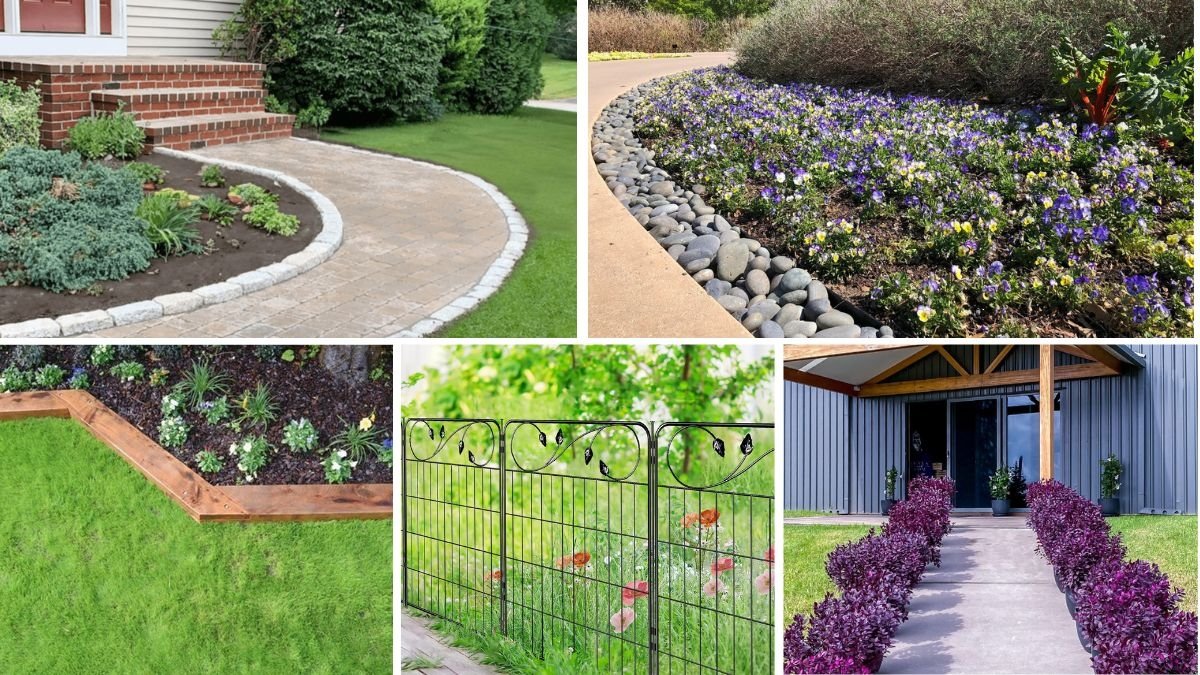
Are you looking to transform your garden into a stunning space that catches every eye? Designing garden borders is a simple yet powerful way to add structure, color, and charm to your outdoor area.
Whether you want to create a peaceful retreat or a lively play zone, the right borders can make all the difference. In this guide, you’ll discover easy tips and tricks that anyone can use to create beautiful garden borders that suit your style and needs.
Get ready to unlock the secret to a garden that feels organized, inviting, and uniquely yours. Keep reading—you’ll want to try these ideas as soon as you finish!

Credit: www.youtube.com
Choosing Border Materials
Garden borders define spaces and keep plants tidy. Picking the right material is key for style and function.
Different materials suit different garden types. Think about look, durability, and ease of use.
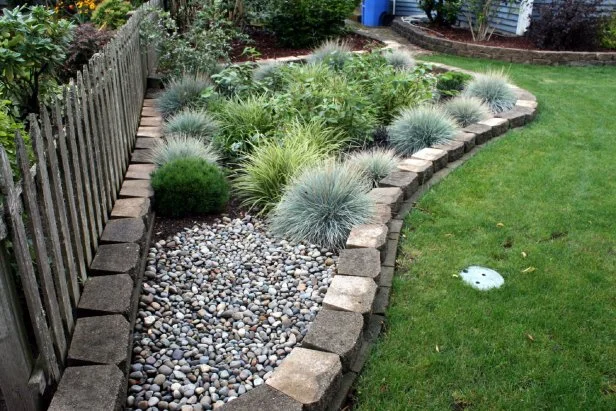
Natural Stone Options
Natural stone adds a classic, sturdy look to garden edges. Stones like slate, granite, and limestone work well.
These stones last long and resist weather. They blend easily with plants and soil for a natural feel.
- Slate: flat and easy to stack
- Granite: strong and colorful
- Limestone: soft with smooth edges
- Fieldstone: irregular shapes for rustic style
Wood And Timber Choices
Wood offers warmth and natural charm. Choose treated timber to avoid rot and insects.
Wood borders are easy to cut and shape. Cedar and redwood resist decay without chemicals.
- Cedar: naturally resistant to bugs
- Redwood: durable and smooth
- Pine: affordable but needs treatment
- Recycled wood: eco-friendly option
Metal And Steel Edges
Metal borders give a modern, clean edge to gardens. Steel and aluminum are common choices.
These materials last long and keep their shape. They work well for straight or curved lines.
- Galvanized steel: rust-resistant and strong
- Corten steel: develops a rust patina over time
- Aluminum: lightweight and easy to install
- Recycled metal: reduces waste
Recycled And Eco-friendly Materials
Using recycled materials helps the environment. Many recycled options look good and last well.
Plastic lumber and rubber borders come from recycled waste. They resist weather and pests.
- Recycled plastic lumber: durable and low maintenance
- Rubber edges: flexible and soft
- Reclaimed wood: gives a vintage look
- Broken bricks and tiles: creative and colorful
Credit: www.hgtv.com
Planning Your Border Layout
Designing garden borders starts with a clear plan. A well-planned border improves your garden’s look and health.
Careful planning helps you choose the best shapes, sizes, and plant placements for your space.
Measuring And Marking
Measure the area where you want the border carefully. Use a tape measure for accuracy.
- Mark the edges with stakes or string
- Note any existing plants or features
- Record measurements on paper
- Check for slopes or uneven ground
Incorporating Curves And Angles
Curves add softness and flow, while angles create structure and interest in your border.
Try using these tips:
- Use a garden hose to outline curves before digging.
- Mark sharp angles with stakes for clear lines.
- Mix gentle curves with straight edges for balance.
Balancing Proportions
Balance the height and width of your border to match the garden space. Avoid borders that look too big or small.
| Border Length | Ideal Width | Recommended Height |
| Up to 10 feet | 2 to 3 feet | 1 to 2 feet |
| 10 to 20 feet | 3 to 5 feet | 2 to 3 feet |
| Over 20 feet | 5 to 7 feet | 3 to 4 feet |
Creative Planting Ideas
Garden borders add charm and structure to outdoor spaces. Choosing the right plants makes borders stand out. Creative planting can bring color, texture, and fragrance to your garden edges.
Try mixing different types of plants to create unique and lively borders. Use ideas below to design borders that fit your style and garden needs.
Using Low-growing Plants
Low-growing plants are perfect for garden borders. They keep the edges neat and allow taller plants behind them to shine. These plants also help prevent soil erosion.
- Choose ground covers like creeping thyme or moss phlox.
- Use dwarf varieties of shrubs for a tidy look.
- Mix small grasses to add texture and movement.
- Plant succulents for dry, sunny borders.
Adding Colorful Flowers
Flowers bring life and color to garden borders. Pick flowers that bloom in different seasons for continuous color. Bright colors attract pollinators like bees and butterflies.
| Flower | Color | Bloom Time |
| Marigold | Orange, Yellow | Summer to Fall |
| Lavender | Purple | Late Spring to Summer |
| Petunia | Pink, White, Purple | Spring to Fall |
| Snapdragon | Red, Yellow, White | Spring to Fall |
Incorporating Herbs And Edibles
Herbs and edible plants make borders useful and pretty. They add texture and fragrance. Many herbs attract beneficial insects to your garden.
Try adding these edible plants to your borders:
- Basil – great for cooking and smells fresh
- Thyme – low-growing and drought-tolerant
- Chives – pretty flowers and tasty leaves
- Strawberries – sweet fruits and ground cover
- Mint – strong aroma but best grown in pots to contain spreading

Credit: www.youtube.com
Diy Border Installation Tips
Creating garden borders adds style and structure to your outdoor space. You can build borders yourself using simple tools and materials.
Follow these tips to prepare the ground, secure edging materials, and keep clean lines for a neat finish.
Preparing The Ground
Start by clearing the area where you want your garden border. Remove grass, weeds, and roots to create a clean base.
- Mark the border shape with a garden hose or string.
- Dig a trench about 4 to 6 inches deep along the marked line.
- Make the trench width match the size of your edging material.
- Remove all loose soil and rocks from the trench.
Securing Edging Materials
Choose edging materials like bricks, stones, wood, or metal. Secure them firmly to hold soil and plants back.
- Place the edging materials tightly in the trench.
- Use a rubber mallet to tap each piece into place.
- Fill gaps with soil or sand to lock the materials.
- For wood, use stakes or spikes for extra support.
Maintaining Clean Lines
Keep your garden borders looking sharp with regular care. Trim grass and remove debris along the edges.
| Task | Frequency | Tools Needed |
| Trim grass along border | Weekly | String trimmer or scissors |
| Remove weeds and debris | Monthly | Hand tools or gloves |
| Check edging stability | Every 3 months | Rubber mallet, stakes |
Maintaining Garden Borders
Garden borders add beauty and structure to outdoor spaces. Keeping them well maintained helps plants grow healthy. It also keeps the garden looking neat and tidy.
Regular care of garden edges prevents weeds, damage, and overgrowth. Simple tasks done often make big differences over time.
Weed Control Strategies
Weeds compete with garden plants for water and nutrients. Removing weeds early keeps borders clean and plants strong. Use tools and natural methods to control weeds.
- Pull weeds by hand before they seed
- Use mulch to block weed growth
- Try natural weed killers safe for plants
- Keep soil moist but not too wet to reduce weed seeds
- Inspect borders weekly to catch new weeds
Seasonal Cleanup
Cleaning garden borders each season prepares plants for new growth. Removing old leaves and debris stops pests and diseases. It also refreshes the soil surface.
| Season | Cleanup Tasks | Benefits |
|---|---|---|
| Spring | Clear dead plants and leaves, add compost | Encourages healthy new growth |
| Summer | Trim overgrown edges, remove weeds | Keeps borders tidy and plants strong |
| Fall | Rake leaves, cut back perennials | Prepares soil for winter rest |
| Winter | Check for damage, protect roots with mulch | Prevents frost damage and erosion |
Repairing And Refreshing Edges
Edges can wear down from weather and foot traffic. Repairing them keeps borders defined and neat. Refreshing edges also improves garden design and plant health.
Use these tips to fix and renew garden edges:
- Replace broken or damaged edging materials
- Tighten loose stones or bricks along the border
- Trim grass and plants to keep edges clear
- Add fresh soil or compost along borders
- Use a spade to reshape and sharpen the border lines
Inspiring Border Styles
Garden borders can transform the look of your garden. They define spaces and add beauty. Let’s explore some styles to inspire your garden design.
Whether you like clean lines or a rustic feel, there is a border style for you. Discover the perfect border style to suit your taste and garden theme.
Formal Vs. Informal Borders
Formal borders have a neat and organized look. They use straight lines and symmetry. Informal borders feel relaxed with curved lines and mixed plants.
Choose formal borders for a classic garden feel. Opt for informal borders if you like a more natural look.
- Formal borders often use boxwood or hedges.
- Informal borders mix perennials and wildflowers.
Modern Minimalist Edges
Modern gardens use minimalist edges for a clean look. These borders are simple and sleek. They often use materials like metal or concrete.
Minimalist edges work well in small gardens. They create a sense of space and order. This style is perfect for those who love a contemporary feel.
- Use metal or stone for a modern touch.
- Keep plant choices simple and uniform.
Rustic And Cottage Garden Borders
Rustic borders bring a cozy feel to gardens. They use natural materials like wood or stones. Cottage gardens are full of colorful flowers and charm.
These borders suit those who love a relaxed and inviting garden. They blend well with the countryside and create a homely atmosphere.
- Use reclaimed wood for a rustic look.
- Mix daisies, lavender, and roses for a cottage feel.
Frequently Asked Questions
What Plants Work Best For Garden Borders?
Choose plants with varying heights and colors. Use perennials, shrubs, and flowering plants. They create texture and year-round interest. Consider climate and soil type for best growth.
How Do I Prepare Soil For Garden Borders?
Clear weeds and debris first. Loosen the soil and add compost. Ensure good drainage to prevent waterlogging. Proper soil prep boosts plant health and border longevity.
What Materials Can I Use For Garden Borders?
Use stones, bricks, wood, or metal edging. Choose materials that match garden style and durability needs. Proper edging keeps soil and mulch contained neatly.
How Wide Should Garden Borders Be?
Garden borders should be 12 to 24 inches wide. This width allows enough space for plant growth and maintenance. Adjust size based on available space and plant types.
Conclusion
Designing garden borders adds charm to any outdoor space. Choose plants and materials that fit your style and climate. Keep borders neat and well-maintained for a fresh look. Experiment with shapes and colors to create interest. A simple border can make your garden feel complete.
Enjoy the process and watch your garden grow beautifully. Small changes bring big differences in your garden’s appeal. Start today and make your garden borders stand out.

