
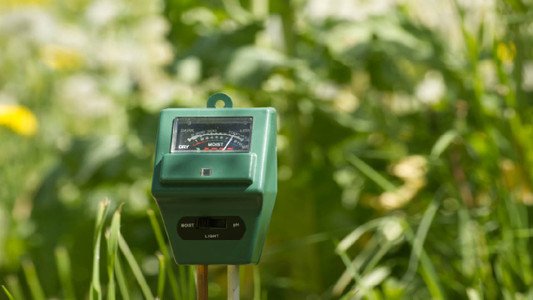
Are you struggling with soggy plants or water pooling in your garden? Knowing how well your soil drains is key to growing healthy plants and avoiding root rot.
But how can you check soil drainage right at home without fancy tools? This simple guide will show you easy steps to test your soil’s drainage yourself. By the end, you’ll have the confidence to improve your garden’s health and make smarter planting choices.
Keep reading to discover how to check soil drainage quickly and effectively!
Credit: www.gardeningknowhow.com
Importance Of Soil Drainage
Soil drainage is how well water moves through soil. Good drainage helps plants grow healthy.
Poor drainage can cause water to stay too long. This hurts roots and soil quality.
Impact On Plant Health
Plants need air and water in the soil. Too much water can drown roots and stop growth.
Good soil drainage lets roots get oxygen. This helps plants stay strong and resist disease.
- Poor drainage causes root rot
- Healthy drainage supports nutrient uptake
- Well-drained soil prevents fungal infections
Effects On Soil Quality
Waterlogged soil loses important nutrients. This lowers soil quality and plant growth.
Good drainage keeps soil crumbly and rich. It helps air and water reach roots evenly.
- Prevents soil compaction
- Maintains nutrient balance
- Supports beneficial soil organisms

Credit: www.youtube.com
Tools Needed For Testing
Checking soil drainage at home helps you understand how water moves through your garden soil. You need a few simple tools to perform this test effectively.
This guide covers common household items and specialized tools you can use for testing soil drainage.
Common Household Items
You can test soil drainage using items found around your home. These tools help you measure how fast water drains from the soil.
- Shovel or Trowel:Dig a small hole to examine soil layers and depth.
- Measuring Tape or Ruler:Measure the hole’s depth to check water absorption.
- Watering Can or Bucket:Pour a known amount of water into the hole.
- Timer or Clock:Track how long it takes for water to drain.
- Notebook and Pen:Record your observations for comparison.
Specialized Tools
Some tools are made specifically for soil testing. These provide more precise and detailed results on drainage.
- Soil Auger:Easily digs deep holes to inspect soil layers.
- Permeameter:Measures the rate of water flow through soil samples.
- Soil Moisture Meter:Detects moisture levels at different soil depths.
- Soil Test Kit:Includes tools for measuring drainage, pH, and nutrients.
- Drainage Gauge:Monitors how quickly water leaves the soil.
Simple Drainage Test Methods
Good soil drainage helps plants grow healthy roots. You can check soil drainage at home easily. Testing lets you know if water moves well through your soil.
Two simple tests are the percolation test and the jar test. Both help you understand how water flows and what type of soil you have.
Percolation Test
The percolation test shows how fast water drains in your soil. It helps to find out if your soil is good for planting or building.
Dig a hole about 12 inches deep and 4 inches wide. Fill it with water and let it soak completely. Then fill it again and time how long the water takes to drain.
- If water drains in less than 30 minutes, drainage is good.
- If it takes 30 minutes to 2 hours, drainage is moderate.
- If it takes more than 2 hours, drainage is poor.
Jar Test For Soil Texture
The jar test helps you see the soil texture and how particles settle. Soil texture affects drainage and water holding ability.
Fill a clear jar with one-third soil and two-thirds water. Shake it well and let it sit for 24 hours. Watch how soil layers separate.
- Sand settles first at the bottom.
- Silt forms a middle layer.
- Clay stays on top the longest.
- More sand means better drainage.
- More clay means poor drainage.
Interpreting Test Results
Checking soil drainage at home helps you know if water flows well. Good drainage means roots get air and water properly. Poor drainage can harm plants and cause root problems.
After testing your soil, learn to read the signs. This way, you can decide if you need to improve drainage or not.
Signs Of Good Drainage
Soil with good drainage lets water pass quickly and holds the right moisture. Look for these signs to know if your soil drains well.
- Water soaks into soil within 10 to 30 minutes.
- Soil feels loose and crumbly, not sticky or heavy.
- Plants grow healthy with no yellow leaves or wilting.
- Soil surface dries between waterings.
- Earthworms and insects are active in the soil.
Indicators Of Poor Drainage
When soil drains poorly, water stays on the surface or forms puddles. Roots may stay wet too long, causing damage. Check these signs to spot drainage problems.
| Indicator | What It Means |
| Water pools on the soil surface for hours | Soil cannot absorb water fast enough |
| Soil feels heavy, sticky, or muddy | Too much clay or compacted soil |
| Plants show yellowing leaves and slow growth | Roots may be drowning or rotting |
| Surface remains wet for several days | Lack of air in the soil harms roots |
| Presence of mold or algae on soil surface | Excess moisture encourages fungal growth |
Improving Soil Drainage
Good soil drainage helps plants grow strong and healthy. It stops water from sitting too long around roots. Poor drainage can cause root damage and plant stress.
You can improve soil drainage at home with simple changes. These methods help water flow well and keep soil healthy.
Amending Soil Composition
Changing the soil mix can improve how water moves through it. Adding materials that create space in the soil helps drainage.
- Add sand to heavy clay soil to break it up.
- Mix in small gravel or perlite for better air flow.
- Use garden soil mixed with compost to balance texture.
- Avoid compacting soil by walking on it when wet.
Creating Raised Beds
Raised beds lift plants above ground level. They help water drain away quickly and stop soil from staying wet.
| Benefit | Explanation |
| Better Drainage | Water flows out faster than in flat soil. |
| Warmer Soil | Soil warms quicker, helping roots grow. |
| Less Soil Compaction | Raised beds reduce walking on soil. |
| Easy to Manage | Control soil mix and quality better. |
Using Organic Matter
Organic matter like compost or mulch improves soil texture. It helps soil hold moisture and drain excess water.
Common organic matter to add:
- Compost from kitchen scraps or yard waste
- Shredded leaves or grass clippings
- Peat moss or coconut coir
- Well-rotted manure
Maintaining Healthy Soil Drainage
Healthy soil drainage ensures plants grow well. It helps prevent water from pooling around roots, which can cause rot.
Good drainage also allows air to reach plant roots. This is important for their growth and health.
Regular Testing
Testing soil drainage is easy. You can do it yourself at home.
Dig a small hole and fill it with water. Measure how quickly the water drains away.
- If water drains in 1 hour, drainage is good
- If it takes longer, drainage may be poor
- Quick drainage means soil is too sandy
Avoiding Soil Compaction
Compacted soil reduces drainage. Avoid walking on garden beds to keep soil loose.
Use mulch to protect the soil surface. This helps keep it from compacting over time.
- Limit heavy equipment use on soil
- Plant cover crops to break up soil
- Aerate soil by adding organic matter
Proper Watering Techniques
Watering correctly helps maintain soil drainage. Water deeply but less often to encourage root growth.
Use drip irrigation to water plants slowly. This helps prevent water from pooling on the surface.
- Water early in the morning
- Check soil moisture before watering
- Adjust watering based on weather

Credit: m.youtube.com
Frequently Asked Questions
How Do I Test Soil Drainage At Home?
Dig a hole about 12 inches deep and fill it with water. Let it drain completely, then fill it again. Measure how long the water takes to drain. Good drainage usually takes 1-2 hours for the water to disappear.
Why Is Soil Drainage Important For Plants?
Proper soil drainage prevents waterlogging, which can harm plant roots. Well-drained soil improves oxygen flow and nutrient absorption. It helps plants grow healthy and reduces the risk of root diseases caused by excess moisture.
What Tools Do I Need To Check Soil Drainage?
You only need simple tools like a shovel or trowel, a measuring tape, and a stopwatch or timer. These help you dig the test hole, measure its depth, and time how long water takes to drain.
Can I Improve Poor Soil Drainage Myself?
Yes, you can improve drainage by adding organic matter like compost or sand. Creating raised beds or installing drainage pipes also helps. These methods increase soil aeration and water flow, promoting healthier plant growth.
Conclusion
Checking soil drainage at home is simple and important. Good drainage helps plants grow strong and healthy. Test your soil with just a few easy steps. Watch how water moves through your soil. This shows if your soil holds too much water or drains well.
Knowing this helps you choose the right plants and care for your garden. Take time to check your soil before planting. Your plants will thank you with better growth and beauty. Try it today and see the difference yourself.
