
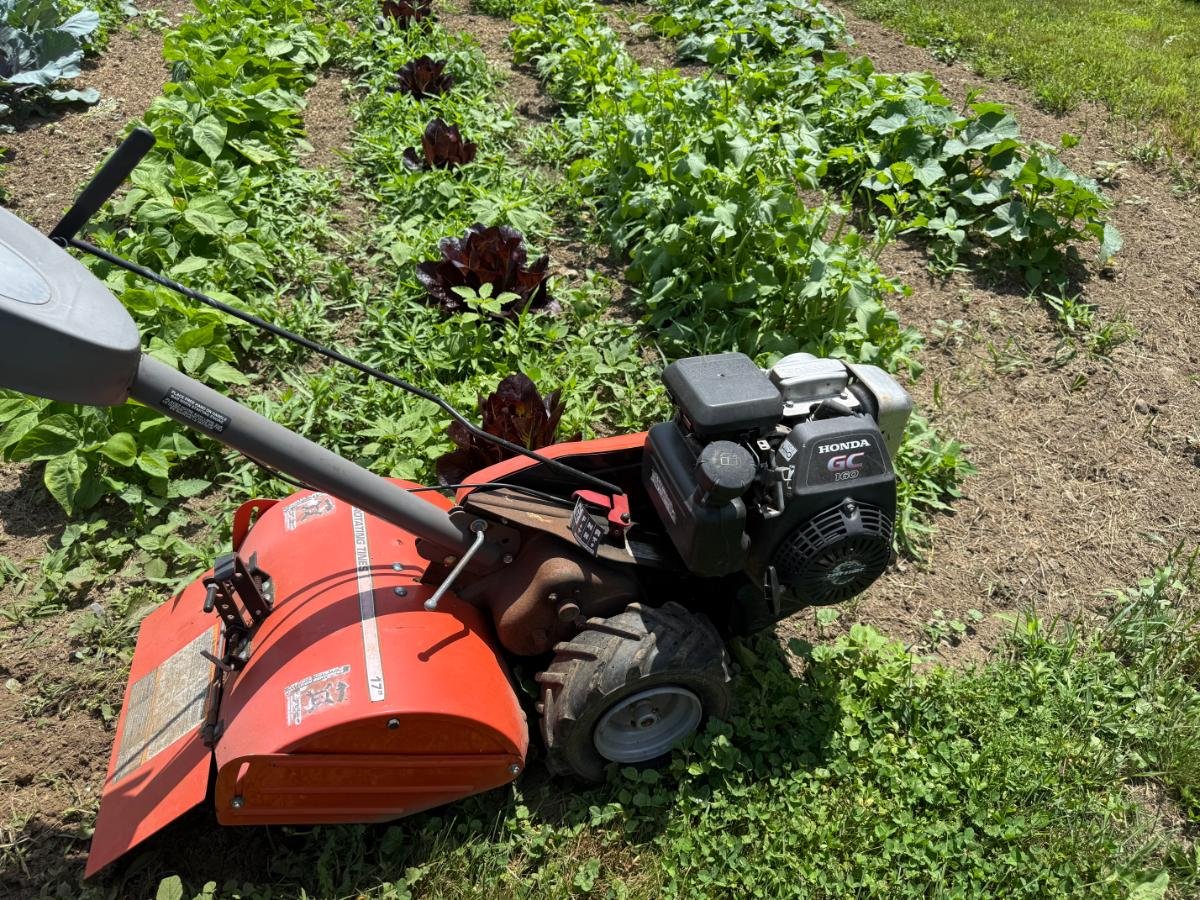
Are weeds taking over your garden and making your plants struggle? You might be wondering if a tiller can be the secret weapon to keep your garden weed-free with less effort.
Using a tiller for weeding could save you hours of back-breaking work, but is it really the best choice for your soil and plants? You’ll discover how tillers work for weeding, the benefits you can expect, and some important tips to get the most out of your tool.
Keep reading to find out if a tiller is the game-changer your garden needs!
Choosing The Right Tiller
A tiller can help you remove weeds from your garden. Picking the right tiller makes weeding easier. Different tillers work better for different garden sizes and soil types.
Understanding the types, size, power, and attachments of tillers helps you choose the best one. This guide covers these key points for using a tiller to weed.
Types Of Tillers
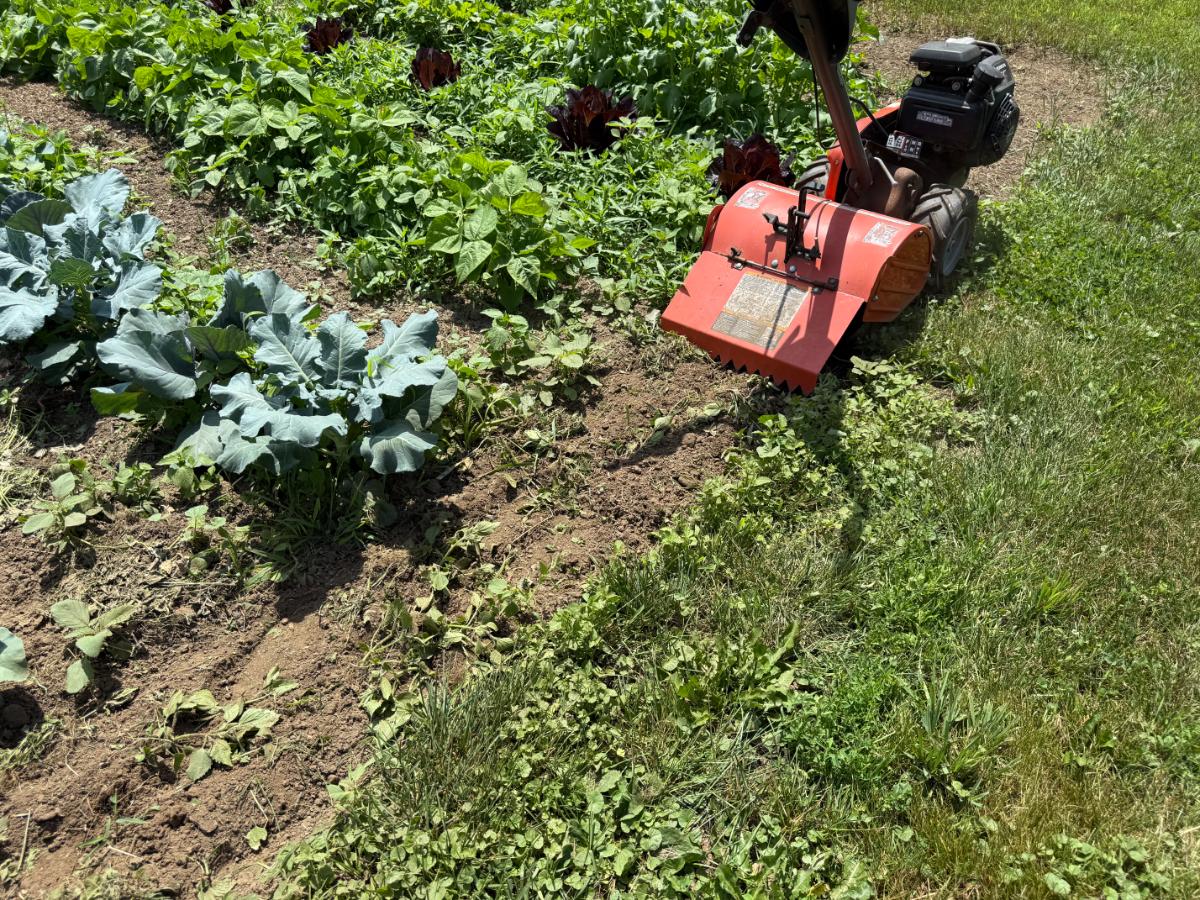
There are two main types of tillers: front-tine and rear-tine. Front-tine tillers are lighter and easier to handle. Rear-tine tillers are stronger and better for tough soil.
For weeding, a front-tine tiller works well in small gardens. Rear-tine tillers work better for larger areas or hard soil.
- Front-tine tillers: lightweight, easy to maneuver
- Rear-tine tillers: heavier, more power
- Cultivators: small, ideal for light weeding
Tiller Size And Power
Size and power affect how well a tiller removes weeds. Small tillers work well in tight spaces. Larger tillers cover more ground fast.
Power comes from the engine or motor. Gas tillers have strong engines for heavy work. Electric tillers are quieter and good for small jobs.
- Small tillers: best for small gardens and light weeds
- Large tillers: handle big areas and tough weeds
- Gas tillers: powerful but heavier and noisy
- Electric tillers: lighter, quieter, less power
Attachments For Weeding
Some tillers have extra parts to help with weeding. These attachments can make the job faster and cleaner. Common attachments include blades and cultivator tines.
Choose attachments that match your soil and weed type. Some attachments break up soil better. Others cut weeds close to roots.
- Blades: cut weeds and loosen soil
- Cultivator tines: stir soil without deep digging
- Harrow attachments: smooth soil after tilling
Credit: gardening.org
Preparing Your Garden
Using a tiller for weeding can make your garden work easier. Before you start, prepare the area well.
Good preparation helps the tiller work better and protects your plants and soil.
Clearing Debris
Remove sticks, rocks, and old plants from the garden bed. This keeps the tiller from getting damaged.
- Pick up large stones and branches by hand
- Rake the soil surface to clear leaves and small debris
- Dispose of weeds and plant waste away from the garden
Marking Weed Areas
Mark the spots where weeds are thick. This helps you focus your tilling and saves time.
| Marker Type | Description |
| Flag Stakes | Easy to see and move around |
| String Lines | Good for marking rows or sections |
| Paint | Temporary marks on soil or mulch |
Safety Precautions
Wear protective gear to avoid injuries. A tiller can be dangerous if not handled well.
- Wear sturdy gloves and closed shoes
- Use eye protection to guard against flying debris
- Keep children and pets away from the working area
- Check the tiller for any loose parts before use
Techniques For Using A Tiller
Using a tiller for weeding can save time and effort in your garden. It helps break up the soil and remove unwanted plants. Knowing how to use the tiller correctly improves its effect and protects your crops.
Below are key techniques to follow for best results. These include setting the right tilling depth, choosing the proper direction and speed, and avoiding damage to your plants.
Optimal Tilling Depth
Set the tiller to a shallow depth to remove weeds without harming roots. Too deep tilling can disrupt soil layers and damage beneficial organisms. Aim for a depth of 2 to 4 inches for most weeding tasks.
- Adjust the tiller depth according to soil type.
- Use shallow tilling for light weed removal.
- Choose deeper tilling for tough, deep-rooted weeds.
- Check the depth regularly during work.
Tilling Direction And Speed
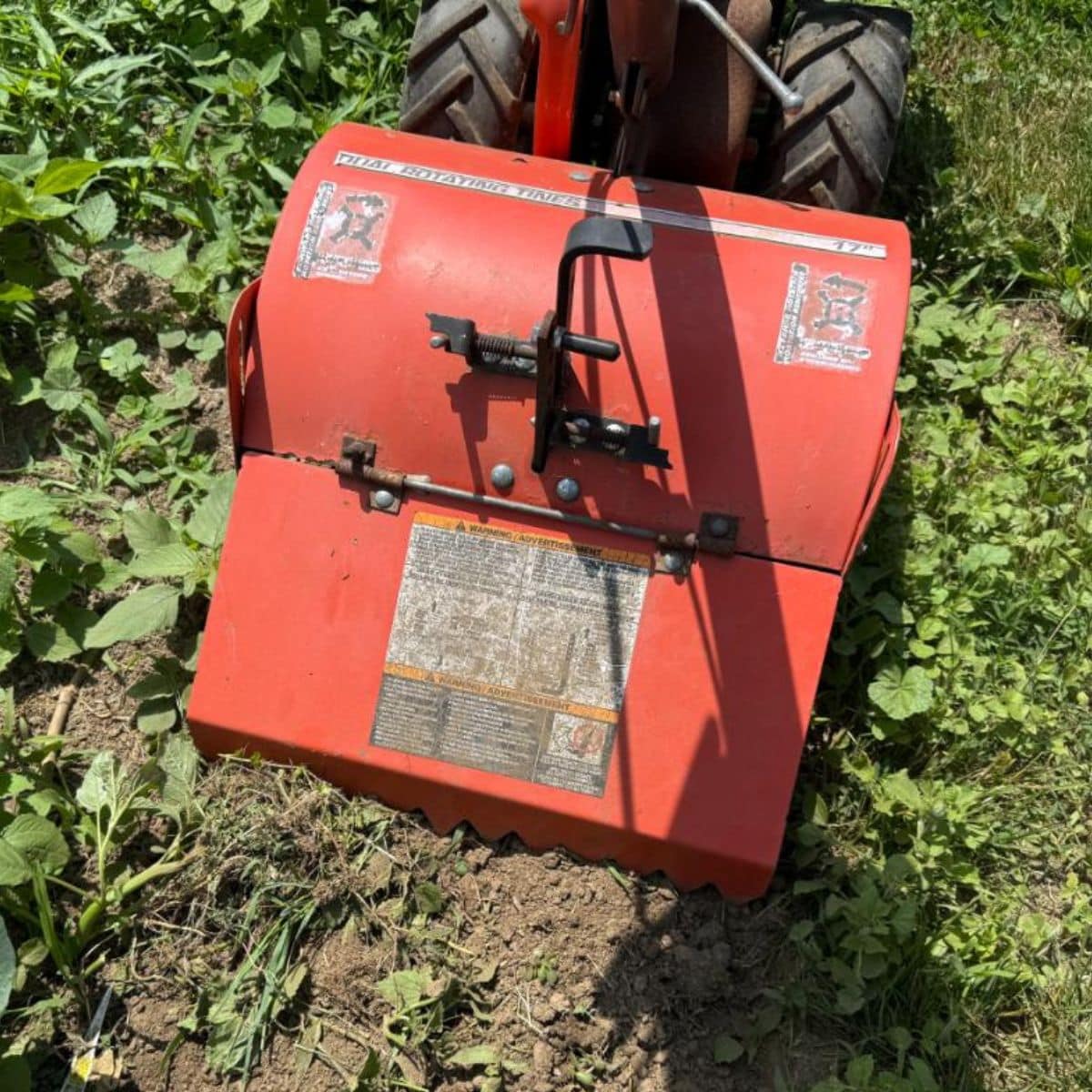
Move the tiller in straight lines for even soil disturbance. Slow and steady speed allows the blades to cut through weeds better. Fast tilling may miss roots and cause uneven soil.
| Direction | Speed | Effect |
| Straight rows | Slow (1-2 mph) | Thorough weed removal |
| Random or zigzag | Fast (3 mph or more) | Poor soil contact, uneven weeding |
| Against weed rows | Moderate | Better root disruption |
Avoiding Damage To Plants
Keep the tiller away from your plants’ roots and stems. Mark plant rows clearly before tilling. Use the tiller only in open soil areas to avoid harming crops.
- Do not till too close to young plants.
- Use a narrow tiller blade for tight spaces.
- Stop the tiller if you see roots exposed.
- Check plants after tilling for any stress signs.
Credit: gardening.org
Benefits Of Using A Tiller For Weeding
Using a tiller for weeding can be very helpful in your garden. It saves time and helps the soil. You will also use fewer chemicals.
Let’s explore the main benefits of using a tiller when you weed your garden.
Time Efficiency
A tiller speeds up the weeding process. It covers large areas quickly. You can finish your garden work faster with a tiller.
Manual weeding is slow and hard. Tillers make the job easier and save time.
Soil Aeration
Tillers help to mix the soil well. This aerates the soil, allowing plants to grow better. Air and nutrients reach the roots easily.
Good soil aeration improves plant health. It also helps in reducing soil compaction.
Reducing Chemical Use
Using a tiller means you need fewer chemicals. It removes weeds physically, so you do not rely on herbicides.
Less chemical use is better for the environment. It also makes your garden safer for children and pets.
Common Challenges And Solutions
Using a tiller for weeding can save time but comes with challenges. Understanding these issues helps you use the tool better.
This guide covers how to handle tough weeds, rocky or compact soil, and tips for tiller maintenance.
Dealing With Tough Weeds
Some weeds have strong roots that make tilling hard. You may need extra effort or special techniques to remove them.
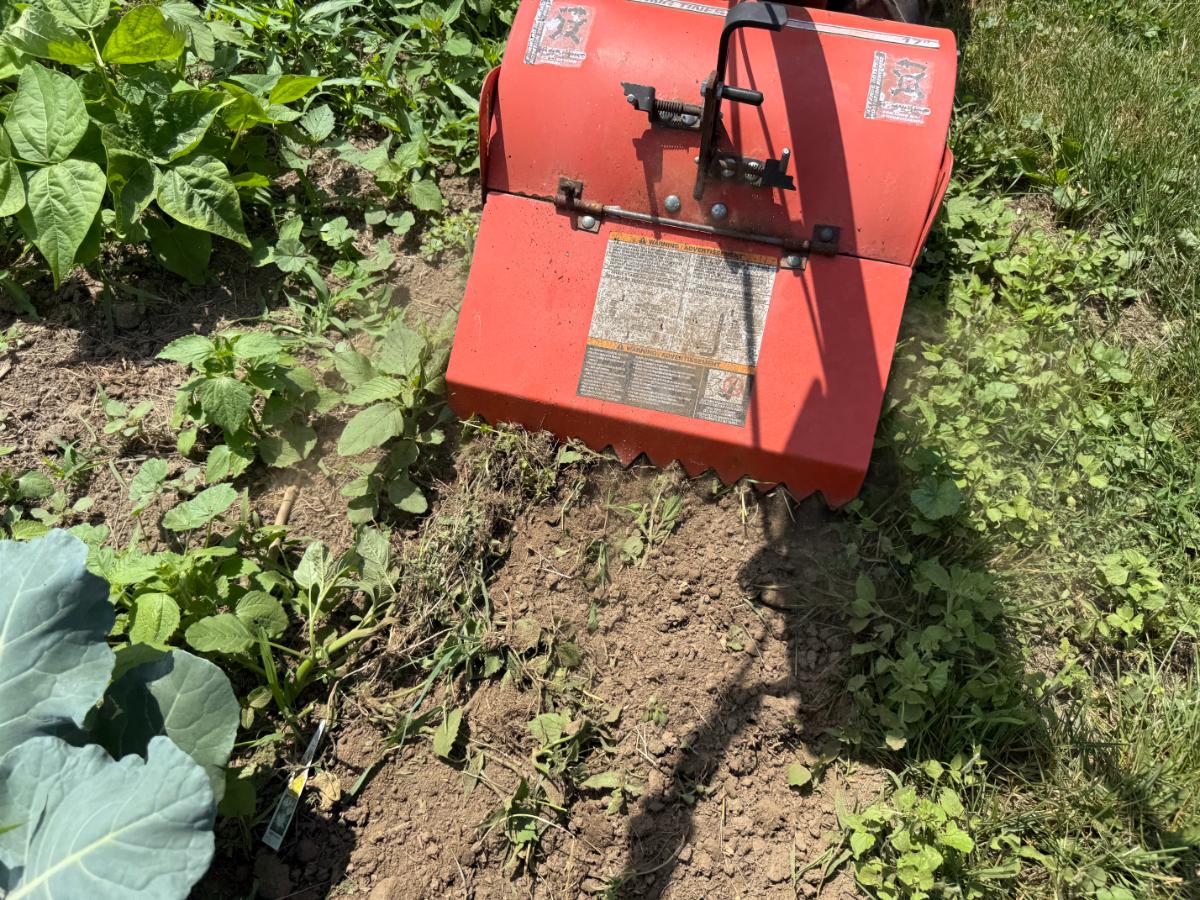
- Use the tiller on low speed to break roots without damaging the machine.
- Go over the area several times to loosen deep roots.
- Combine tilling with manual pulling for best results.
- Apply mulch after tilling to prevent weed regrowth.
Handling Rocky Or Compact Soil
Rocks and hard soil can stop the tiller blades and damage the machine. Use care to avoid these problems.
| Problem | Solution |
| Rocks hitting blades | Clear large rocks before tilling |
| Soil is very hard | Water soil a day before to soften it |
| Tiller gets stuck | Lift tiller gently and try a different angle |
| Blade damage | Inspect blades regularly and replace if worn |
Maintenance Tips
Keeping your tiller in good shape helps it work well and last longer. Follow simple steps to maintain it.
- Clean the tiller after each use to remove soil and plant debris.
- Check oil and fuel levels before starting the machine.
- Sharpen or replace blades regularly for better cutting.
- Store tiller in a dry place to prevent rust and damage.
Credit: gardening.org
Alternative Weeding Methods
Using a tiller for weeding can work but may not be the best choice for all gardens. There are other ways to control weeds that can be safer and easier.
These methods help keep your plants healthy and your soil in good shape. You can choose what fits your garden and needs the best.
Manual Weeding
Manual weeding means pulling weeds out by hand or using simple tools. It is good for small areas and close to plants.
This method helps avoid damage to your plants and soil. It also allows you to remove weeds carefully and completely.
- Use gloves to protect your hands
- Pull weeds when the soil is moist
- Remove the roots to stop regrowth
- Use a hoe or hand fork for deep roots
Mulching
Mulching covers the soil with a layer of material. This stops weed seeds from getting sunlight and growing.
Mulch also keeps the soil moist and adds nutrients as it breaks down. It can be made from natural or synthetic materials.
- Use straw, wood chips, or grass clippings
- Apply 2-3 inches thick layer around plants
- Keep mulch away from plant stems
- Renew mulch each season
Herbicides
Herbicides are chemicals that kill or stop weed growth. They can be useful for large areas or tough weeds.
Always read and follow the label instructions to use herbicides safely. Choose products made for your type of plants and weeds.
- Use selective herbicides to target specific weeds
- Apply on dry, calm days to avoid drift
- Wear protective clothing and gloves
- Keep children and pets away during application
Frequently Asked Questions
Can A Tiller Effectively Remove Weeds From Soil?
Yes, a tiller can effectively remove weeds by uprooting them and disturbing the soil. It breaks up compacted soil, making weeding easier. However, it works best on young, shallow-rooted weeds rather than mature ones with deep roots.
What Types Of Tillers Are Best For Weeding?
Rotary tillers and cultivators are best for weeding. Rotary tillers cover larger areas quickly, while cultivators work well in tight spaces. Choose a tiller size based on your garden’s size and weed density for optimal results.
How Deep Should A Tiller Go To Remove Weeds?
A tiller should penetrate 3 to 6 inches deep to remove most weeds. This depth disrupts weed roots without harming deeper soil layers. Adjust tilling depth based on weed type and soil condition for best effectiveness.
Can Tilling Cause Weed Seeds To Spread?
Yes, tilling can spread weed seeds by bringing buried seeds to the surface. This may cause new weed growth later. To minimize this, avoid over-tilling and consider combining tilling with mulching or herbicides.
Conclusion
A tiller can help you remove weeds quickly and with less effort. It works best on loose soil and small weeds. Avoid using it near delicate plants to prevent damage. Regular tilling keeps your garden neat and healthy. Remember to use the right tiller for your garden size.
With proper care, a tiller can make weeding easier and faster. Give it a try and see how it helps in your garden tasks. Simple tools can make a big difference.
