
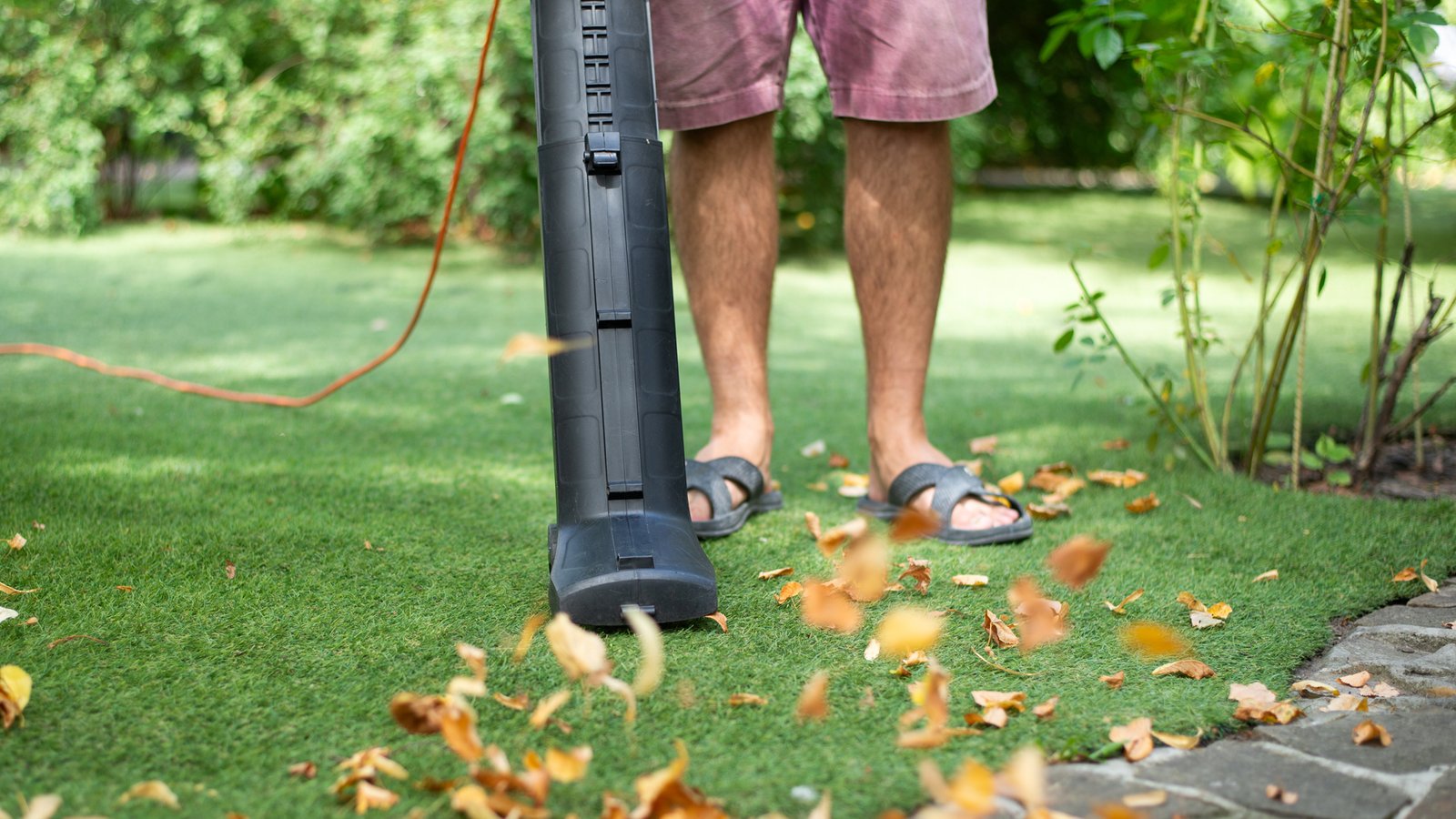
Are you tired of dealing with piles of soft leaves in your yard every fall? You might be wondering if your leaf vacuum can mulch those delicate leaves effectively.
Knowing the answer can save you time, effort, and help keep your garden healthy. You’ll discover whether leaf vacuums are up to the task and how to get the best results when mulching soft leaves. Keep reading to make your yard work easier and more efficient!
Credit: superhandyus.com
Benefits Of Leaf Vacuum Mulching
Leaf vacuum mulching helps you manage fallen leaves in your yard. It breaks down leaves into small pieces that can be used naturally.
This method supports your lawn and saves you time and work in autumn and winter.
Nutrient Recycling For Lawns
Mulched leaves return valuable nutrients to your soil. This process feeds grass and plants naturally.
The shredded leaves act like mulch, holding moisture and preventing weeds.
Time And Effort Savings
Using a leaf vacuum mulcher cuts down the time spent on leaf cleanup. It reduces the need for bagging and hauling leaves away.
- You save hours on yard work each week.
- Less heavy lifting and raking is needed.
- Leaves are processed quickly and efficiently.
Improved Lawn Health
Mulching leaves improves soil structure and lawn growth. It adds organic matter that supports healthy roots.
| Benefit | Effect on Lawn |
| Organic Matter | Improves soil texture and water retention |
| Natural Fertilizer | Supplies nutrients like nitrogen and potassium |
| Weed Control | Blocks sunlight to prevent weed seeds from sprouting |
Types Of Leaf Vacuums
Leaf vacuums help clear leaves quickly and keep yards tidy. They come in different types to suit various needs.
Choosing the right leaf vacuum depends on power source, design, and useful features.
Electric Vs Gas Models
Electric leaf vacuums run on batteries or cords. They are quieter and easier to start. Gas models use fuel and are stronger for big jobs.
- Electric:Lightweight, less noise, low maintenance.
- Gas:More power, longer run time, heavier.
- Use electric:Small to medium yards.
- Use gas:Large yards with many leaves.
Backpack Vs Walk-behind
Backpack leaf vacuums strap to your back. They offer mobility and are good for uneven terrain. Walk-behind vacuums have wheels and a large collection bag for bigger areas.
| Type | Best For | Advantages | Disadvantages |
| Backpack | Hills, tight spaces | Easy to move, less tiring | Smaller leaf capacity |
| Walk-Behind | Flat, large lawns | Bigger leaf bags, less bending | Less flexible on slopes |
Features To Look For
Leaf vacuums come with various features that improve comfort and performance. Look for these key items before buying.
- Adjustable speed control for better leaf pickup.
- Comfortable handles or straps to reduce fatigue.
- Easy-to-empty collection bags or bins.
- Mulching ability to shred leaves into fine pieces.
- Lightweight design for easier handling.
Preparing Soft Leaves For Mulching
Soft leaves are great for mulching in your garden. They break down quickly and add nutrients to the soil.
Before mulching, you need to prepare the leaves properly. This helps the mulch work better and last longer.
Best Time To Collect Leaves
Collect leaves when they start to fall but are not too dry. Freshly fallen leaves hold moisture well.
Pick leaves before heavy rain or strong wind blows them away. This keeps your pile fresh and easy to mulch.
Handling Wet Vs Dry Leaves
Dry leaves are light and easy to shred. They mulch quickly but can blow away if not handled carefully.
Wet leaves are heavier and stick together. They may clump but break down faster in the soil.
- Dry leaves: shred and mulch gently
- Wet leaves: spread in thin layers
- Mix wet and dry leaves for balance
Clearing Debris
Remove sticks, stones, and trash before mulching. These items can damage your mulch vacuum or shredder.
Clearing debris helps create smooth, clean mulch. It improves the health of your plants and soil.

Credit: www.lawnstarter.com
How Leaf Vacuum Mulching Works
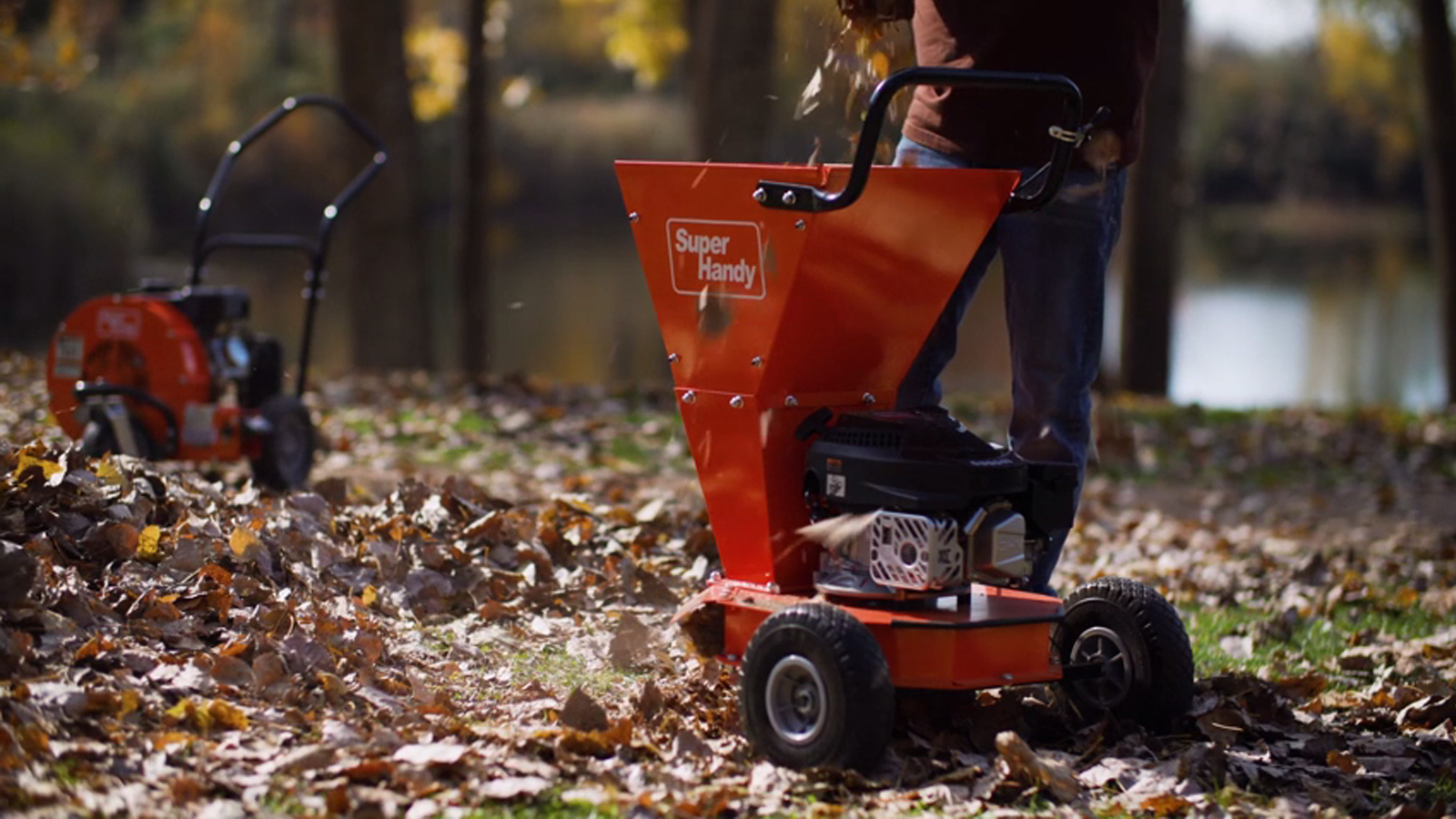
Leaf vacuum mulching is a way to clean up leaves quickly. It uses a machine to suck in leaves and shred them into small pieces.
This process helps reduce leaf volume and creates mulch that can be reused in gardens or compost.
Suction And Shredding Process
The leaf vacuum uses strong suction to pull leaves into the machine. Once inside, blades shred the leaves into tiny pieces.
This shredding breaks down leaves fast, making them easier to handle and less bulky.
Mulch Particle Size
The shredded leaves become mulch with small particle sizes. This makes the mulch good for soil and plant health.
Smaller mulch particles break down quicker and add nutrients to the ground faster than larger pieces.
Disposal And Distribution Options
After shredding, mulch can be collected in bags or spread directly on the ground. Both methods help recycle leaves naturally.
- Mulch can be used in flower beds and gardens.
- It helps keep soil moist and reduces weeds.
- Leftover mulch can be composted for later use.
Tips For Effective Mulching With Soft Leaves
Mulching with soft leaves adds nutrients and moisture to your soil. It also helps control weeds and keeps the lawn healthy.
Using a leaf vacuum makes collecting and mulching easier. Follow these tips to get the best results with soft leaves.
Adjusting Vacuum Settings
Set your leaf vacuum to a low suction level to avoid pulling up grass or dirt. Soft leaves need gentle handling to stay intact and shred well.
- Lower the vacuum speed for light leaves
- Use a wide nozzle for better leaf intake
- Adjust the mulch blade for finer shredding
- Test settings on a small pile before full use
Avoiding Clogs And Jams
Clogs happen when wet leaves or sticks enter the vacuum. Keep the chute clean to prevent jams and maintain steady work.
- Only vacuum dry leaves
- Remove large sticks before vacuuming
- Clear the chute often
- Do not overload the vacuum bag
Using Mulch On Lawns
Spread mulched leaves evenly on your lawn to enrich the soil. Too thick a layer can block sunlight and water.
| Mulch Thickness | Effect |
| 1/4 inch | Good nutrient supply, allows air flow |
| 1/2 inch | Slows weed growth, moisture retention |
| More than 1 inch | May block sunlight, cause lawn damage |
Common Challenges And Solutions
Using a leaf vacuum to mulch soft leaves can make yard work easier. But there are challenges that users face during the process.
Understanding these challenges and knowing the solutions can help keep your equipment in good condition.
Dealing With Wet Leaf Mats
Wet leaf mats can clog your leaf vacuum and make it less efficient. It’s important to handle this issue properly.
- Wait for leaves to dry before using the vacuum
- Use a rake to break up wet mats
- Keep the vacuum’s intake clear from blockages
Preventing Equipment Damage
Leaf vacuums can be damaged if not used correctly. Following these tips can help you avoid costly repairs.
| Challenge | Solution |
| Clogged Intake | Clear debris regularly |
| Overheating | Allow the motor to cool down |
| Blade Damage | Avoid vacuuming stones |
Managing Large Leaf Volumes
Handling a large volume of leaves can be daunting. Effective strategies can make this task more manageable.
Consider creating a leaf compost area in your yard. This not only reduces waste but also enriches your soil.
Environmental Impact Of Leaf Vacuum Mulching
Leaf vacuum mulching is a method that helps manage garden waste efficiently. It uses a device to collect and shred leaves, reducing their volume.
This process not only clears your yard but also has several environmental benefits. Let’s explore how leaf vacuum mulching impacts the environment positively.
Reducing Waste And Landfill Use
Using a leaf vacuum mulcher decreases the amount of waste sent to landfills. Shredded leaves decompose faster, turning into valuable compost.
- Less waste in landfills means reduced methane emissions.
- Composted leaves enrich soil and promote healthy plant growth.
- Minimizes the need for synthetic fertilizers.
Promoting Soil Health
Shredded leaves act as a natural mulch, covering soil and retaining moisture. This practice improves soil health and structure over time.
Energy Consumption Considerations
While leaf vacuum mulchers use electricity or gas, they are energy-efficient compared to other waste disposal methods. Choosing a model with a low energy footprint can further benefit the environment.
| Method | Energy Use |
| Electric Mulcher | Low |
| Gas Mulcher | Moderate |
| Traditional Disposal | High |
Credit: superhandyus.com
Frequently Asked Questions
Can Leaf Vacuums Mulch Soft Leaves Effectively?
Yes, leaf vacuums can mulch soft leaves efficiently. Their powerful blades shred leaves into fine mulch. This mulch helps improve soil quality and reduces yard waste. Soft leaves are easier to mulch compared to dry, brittle ones.
Are All Leaf Vacuums Good For Mulching Soft Leaves?
Not all leaf vacuums mulch soft leaves well. Models with strong suction and sharp blades perform best. Check product specifications for mulching capability before purchase. Proper maintenance also ensures effective mulching of soft leaves.
What Benefits Does Mulching Soft Leaves Provide?
Mulching soft leaves enriches soil with nutrients. It reduces the need for chemical fertilizers. Mulched leaves retain moisture and prevent weed growth. This eco-friendly practice supports healthy lawn and garden growth.
How To Prepare Soft Leaves For Leaf Vacuum Mulching?
To mulch soft leaves effectively, remove large debris first. Spread leaves evenly for better vacuuming. Slightly damp leaves mulch better than overly wet or dry ones. Proper preparation ensures smooth mulching and avoids clogs.
Conclusion
Leaf vacuum mulching works well with soft leaves. It saves time and effort in yard cleanup. Mulched leaves break down faster, enriching your soil. Choose a vacuum with good suction for best results. Keep leaves dry for easier mulching. Soft leaves do not clog the machine often.
Regular use keeps your garden tidy and healthy. This tool can make leaf cleanup simpler and quicker. Try it out to see the benefits yourself. A clean yard is just a few steps away.
