
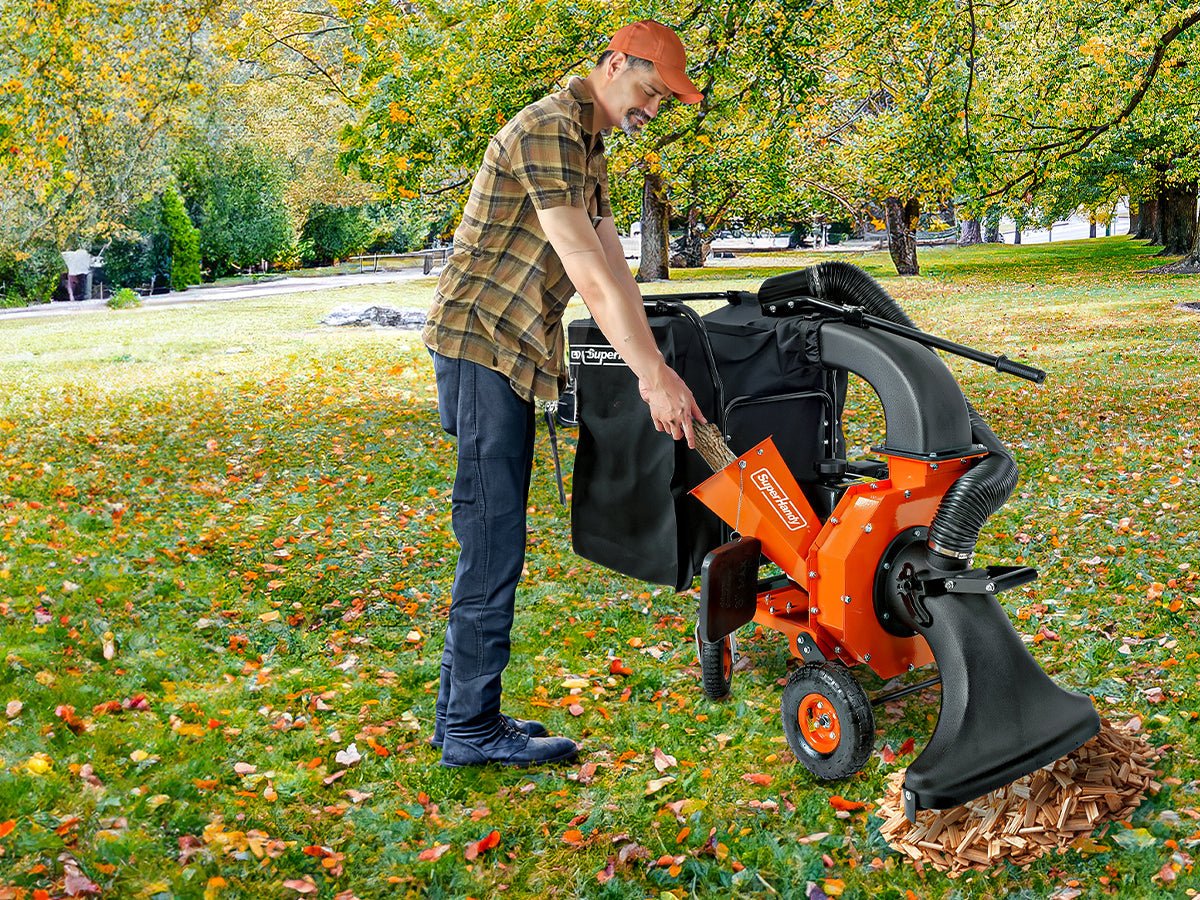
Are you ready to make yard cleanup easier and faster? Using a yard vacuum can save you hours of hard work, but only if you know how to use it safely.
Imagine clearing leaves and debris without worrying about accidents or damage. You’ll discover simple, practical tips to handle your yard vacuum with confidence. Keep reading to protect yourself, your equipment, and your yard while getting the job done right. Your next cleanup will be safer and more efficient—let’s dive in!
Choosing The Right Yard Vacuum
Picking the right yard vacuum helps you clean leaves and debris safely. It saves time and effort in your yard work.
There are many types of yard vacuums. Knowing key features and matching the vacuum to your yard size is important.
Types Of Yard Vacuums
You can find electric, gas-powered, and battery-powered yard vacuums. Each type has different power and noise levels.
- Electric:Light and quiet, best for small yards.
- Gas-powered:Stronger and good for large areas but noisy.
- Battery-powered:Portable and easy to use, but limited run time.
Key Features To Look For
Good yard vacuums have features that make cleaning safe and easy. Look for easy controls and safety guards.
- Adjustable suction power for different debris types
- Large collection bags to reduce emptying
- Sturdy wheels for smooth movement
- Safety shut-off switches to prevent accidents
- Easy-to-clean filters and parts
Matching Vacuum To Yard Size
Choose a vacuum that fits the size of your yard. A small vacuum works well in small spaces.
For larger yards, pick a vacuum with more power and a bigger collection bag. This reduces the number of stops to empty debris.
- Small yards: Lightweight electric or battery vacuums
- Medium yards: Mid-sized gas or battery models
- Large yards: Heavy-duty gas-powered vacuums with large bags

Credit: www.familyhandyman.com
Preparing Your Yard
Using a yard vacuum needs careful preparation. Getting your yard ready helps avoid accidents.
Clear your space and check for any dangers before you start. This keeps you safe and protects your equipment.
Clearing Obstacles
Remove sticks, stones, and toys from your yard. These can block the vacuum or cause damage.
- Pick up large branches and sticks
- Move garden tools and toys indoors
- Check flower beds and paths for small stones
- Trim low-hanging branches that may get in the way
Checking For Hazardous Debris
Look for sharp or dangerous items before vacuuming. These can cause injury or damage the vacuum.
| Type of Debris | Risk |
| Broken glass | Cut injuries, vacuum damage |
| Nails or screws | Punctures, machine blockage |
| Chemical containers | Poison, fire hazard |
| Animal waste | Bacteria, odor |
Marking Sensitive Areas
Mark areas where the vacuum should not go. Protect plants, irrigation, and delicate spots.
- Use bright flags or stakes
- Place barriers or temporary fences
- Inform others about these spots
- Check marks before and after vacuuming
Safety Gear Essentials
Using a yard vacuum can be helpful for cleaning leaves and debris. Wearing the right safety gear protects you from injuries. It keeps you safe from flying debris and loud noise.
Before you start, check your safety gear. Proper clothing and protection make the job safer and easier.
Protective Clothing
Wear long sleeves and pants to protect your skin. Choose clothes that cover your arms and legs fully. This prevents scratches and cuts from sticks or stones.
Avoid loose clothing. Loose fabric can get caught in the vacuum parts. Use durable materials that can handle rough work.
Eye And Ear Protection
Wear safety goggles to protect your eyes from dust and flying debris. This stops small particles from causing eye injuries.
Use ear protection like earplugs or earmuffs. Yard vacuums can be very loud and damage your hearing over time.
- Safety goggles must fit well and be clear
- Earplugs reduce noise by blocking sound
- Earmuffs cover the whole ear for better protection
Gloves And Footwear
Wear strong gloves to protect your hands from cuts and blisters. Gloves also give you a better grip on the vacuum handle.
Use sturdy, closed-toe shoes. Avoid sandals or soft shoes. Good footwear protects your feet from heavy objects and sharp debris.
- Leather or heavy fabric gloves work best
- Shoes should have non-slip soles
- Protect your feet from falling branches or stones

Credit: www.youtube.com
Operating The Yard Vacuum
Using a yard vacuum can make cleaning leaves and debris easier. It is important to operate it safely to avoid injury.
Follow simple safety steps while using the yard vacuum. This helps protect you and the machine.
Starting And Stopping Safely
Before starting, check the area for any objects that may block the vacuum. Keep your hands and feet away from moving parts.
When you start the yard vacuum, do it on flat ground. To stop, turn off the engine first, then wait for all parts to stop moving before moving the machine.
Proper Handling Techniques
Hold the handles firmly with both hands. Keep a steady pace to avoid losing control. Do not rush or try to vacuum too fast.
Wear gloves to protect your hands. Always watch where you are going and avoid sudden turns.
- Keep your back straight while pushing
- Do not overreach or stretch
- Use both hands on the handles at all times
Maintaining Control On Slopes
When working on slopes, move slowly and carefully. Keep the vacuum below you if possible to avoid slips.
Do not use the yard vacuum on steep hills. If the slope is too steep, use a rake instead to avoid accidents.
- Walk across the slope, not up and down
- Keep a firm grip and steady footing
- Stop immediately if you feel unstable
Maintenance Tips For Longevity
Using a yard vacuum safely includes regular maintenance. Proper care helps the machine last longer. It keeps the vacuum working well each time you use it.
Simple maintenance tasks can prevent big problems. Clean parts, check filters, and store the vacuum right. These steps protect your investment and save money.
Cleaning The Vacuum
Cleaning the vacuum is important after each use. Dirt and leaves can clog parts and reduce power. Remove debris to keep air flowing freely.
Use a brush or cloth to wipe outside and inside parts. Clear the collection bag or container. This stops dirt build-up and helps the vacuum run smoothly.
- Empty the collection bag or container
- Brush off dirt from blades and vents
- Use a damp cloth for stubborn dirt
- Do not use water on electrical parts
Checking And Replacing Filters
Filters keep dust and small debris from damaging the motor. Check filters often for dirt or damage. A clogged filter lowers vacuum power.
Replace filters if they look worn or torn. Clean reusable filters with water and let them dry fully before use. This keeps the vacuum running well.
- Inspect filters after each use
- Wash reusable filters gently with water
- Dry filters completely before reinstalling
- Replace disposable filters as needed
Storing The Equipment Properly
Store the yard vacuum in a dry place away from rain. Moisture can cause rust and damage electrical parts. Proper storage keeps the vacuum ready for use.
Keep the vacuum off the ground. Cover it to protect from dust and pests. Remove the collection bag or container before storage.
- Store in a dry, sheltered area
- Keep the vacuum off the floor if possible
- Cover with a cloth or plastic sheet
- Empty collection bag before storing
Common Mistakes To Avoid
Using a yard vacuum can make yard work easier. But if not used correctly, it can cause problems. Knowing common mistakes helps keep you safe.
Let’s look at some errors people often make and learn how to avoid them.
Overloading The Vacuum
Putting too much debris in the vacuum can damage it. This mistake can also make it stop working.
- Check the vacuum’s capacity before use.
- Empty the bag or bin regularly.
- Do not vacuum large sticks or stones.
Ignoring Safety Precautions
Safety precautions are important for preventing injuries. Many people skip these steps and face problems.
Remember:Always wear protective gear like gloves and goggles.
- Read the manual before starting.
- Keep children and pets away when in use.
- Ensure the area is clear of hazards.
Neglecting Regular Maintenance
Regular maintenance keeps your vacuum in good condition. Neglecting this can shorten its life.
| Maintenance Task | Frequency |
| Check filters | Monthly |
| Clean debris bag | After each use |
| Inspect hoses | Quarterly |

Credit: www.familyhandyman.com
Frequently Asked Questions
How Do I Operate A Yard Vacuum Safely?
Always wear protective gear like gloves and goggles. Read the manual carefully. Keep children and pets away while using the vacuum. Avoid vacuuming wet leaves or debris to prevent electric shock or damage.
What Maintenance Is Needed For Yard Vacuums?
Regularly clean the filter and empty the collection bag. Check for loose parts or damage before each use. Lubricate moving parts as recommended. Proper maintenance ensures efficient, safe operation and extends the vacuum’s lifespan.
Can Yard Vacuums Pick Up Large Debris Safely?
Avoid vacuuming large sticks, rocks, or heavy debris. These can clog or damage the vacuum. Use a rake to remove big debris before vacuuming. This prevents motor strain and maintains safe operation.
Is It Safe To Use A Yard Vacuum In Wet Conditions?
No, avoid using yard vacuums in wet or rainy conditions. Wet debris can cause clogs, damage, or electric shock. Wait until your yard is dry for safe and effective vacuuming.
Conclusion
Using a yard vacuum safely keeps your yard clean and you protected. Always read the instructions before starting. Wear gloves and eye protection for safety. Keep children and pets away while working. Check the vacuum for damage before use. Clear your yard of large debris first.
Take breaks to avoid tiredness and accidents. Following these tips helps you work smart and safe. Enjoy a cleaner yard without risks. Safety matters as much as cleanliness. Simple steps make your yard work easier.
