
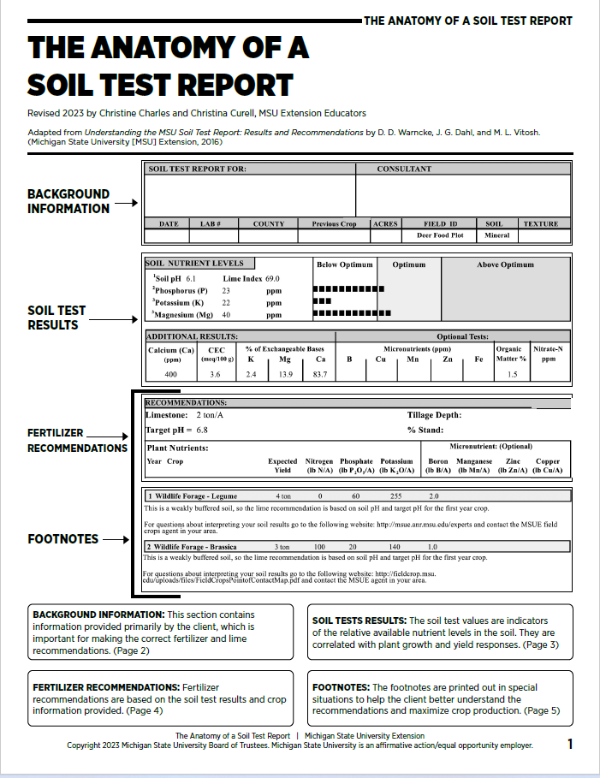
Are you confused by the numbers and terms on your soil test report? Understanding your soil test results is key to growing healthy plants and getting the most from your garden or farm.
When you know what those results mean, you can make smart choices about fertilizers, soil amendments, and watering. This guide will break down the basics in simple language, so you can quickly learn how to read your soil test results and take confident steps to improve your soil.
Keep reading, and you’ll unlock the secret to healthier soil and thriving plants.
Soil Test Basics
Soil testing helps you understand what is in your soil. It shows nutrients and pH levels. This information guides you to grow healthy plants.
Reading soil test results is simple. You learn what your soil needs to improve. This saves time and helps plants grow strong.
Types Of Soil Tests
Different tests check for different soil parts. Some tests look at nutrients. Others check soil texture or contamination.
- Nutrient Test: Measures essential elements like nitrogen and phosphorus.
- pH Test: Checks the acidity or alkalinity of soil.
- Texture Test: Finds the amount of sand, silt, and clay.
- Contaminant Test: Detects harmful chemicals or metals.
Common Soil Nutrients
Plants need many nutrients to grow. Some nutrients are needed in large amounts. Others are needed in small amounts.
- Nitrogen (N): Helps leaves grow green and healthy.
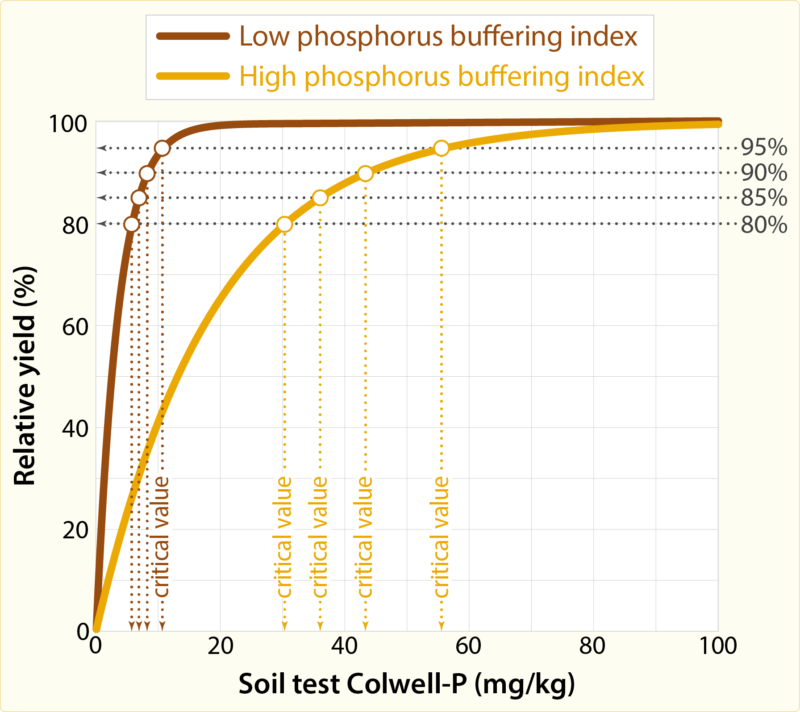
- Phosphorus (P): Supports roots and flower development.
- Potassium (K): Aids overall plant health and disease resistance.
- Calcium (Ca): Strengthens cell walls and helps growth.
- Magnesium (Mg): Important for photosynthesis.
- Sulfur (S): Helps build proteins.
Ph Levels And Their Effects
Soil pH measures how acidic or alkaline the soil is. The pH number ranges from 0 to 14. Seven is neutral. Below 7 is acidic. Above 7 is alkaline.
pH affects nutrient availability. Some plants prefer acidic soil. Others grow best in neutral or alkaline soil. Adjusting pH helps plants absorb nutrients well.
| pH Level | Soil Condition | Effect on Plants |
|---|---|---|
| Below 5.5 | Strongly acidic | Limits nutrient uptake, can harm roots |
| 5.5 to 6.5 | Moderately acidic | Good for many plants like blueberries |
| 6.5 to 7.5 | Neutral | Best for most plants and nutrient availability |
| Above 7.5 | Alkaline | May cause nutrient deficiencies like iron |

Credit: yardmastery.com
Interpreting Nutrient Values
Soil tests show nutrient levels that plants need to grow. Understanding these values helps improve soil health and crop yield.
Each nutrient has a range that is ideal for plant growth. Reading these results guides proper fertilization and soil care.
Macronutrients: Nitrogen, Phosphorus, Potassium
Nitrogen helps plants grow leaves and stems. Phosphorus supports root and flower development. Potassium strengthens plants and improves disease resistance.
| Macronutrient | Role | Optimal Soil Range (ppm) |
|---|---|---|
| Nitrogen (N) | Leaf and stem growth | 20 – 50 |
| Phosphorus (P) | Root and flower development | 15 – 40 |
| Potassium (K) | Plant strength and disease resistance | 100 – 200 |
Micronutrients: What Matters
Micronutrients like iron, manganese, zinc, and copper are needed in small amounts. They help enzymes and other plant functions.
- Iron aids in chlorophyll production.
- Manganese supports photosynthesis.
- Zinc helps growth hormones.
- Copper assists in metabolism.
Identifying Deficiencies And Excesses
Look for nutrient levels below or above the ideal range. Deficiencies cause poor growth. Excess nutrients can harm plants.
| Nutrient | Deficiency Signs | Excess Signs |
|---|---|---|
| Nitrogen | Yellow leaves, slow growth | Excess leaf growth, weak roots |
| Phosphorus | Poor root growth, dark leaves | Can cause micronutrient shortages |
| Potassium | Leaf edges brown, weak stems | Salt buildup, reduced water uptake |
Soil Ph And Its Impact
Soil pH measures how acidic or alkaline the soil is. This number affects plant growth and nutrient uptake. Knowing soil pH helps you care for your garden better.
Different plants need different pH levels to thrive. Understanding soil pH guides you in choosing the right plants and soil treatments.
Optimal Ph Ranges For Plants
Plants have ideal pH ranges where they grow best. If the soil pH is too high or low, plants may struggle to absorb nutrients.
| Plant Type | Optimal Soil pH Range |
|---|---|
| Vegetables | 6.0 – 7.0 |
| Fruit Trees | 6.0 – 7.5 |
| Lawns | 6.0 – 7.0 |
| Azaleas and Rhododendrons | 4.5 – 6.0 |
| Cacti and Succulents | 5.5 – 7.0 |
Adjusting Soil Ph
You can change soil pH by adding materials to the soil. Lime raises pH, making soil less acidic. Sulfur lowers pH, making soil more acidic.
- Add lime to raise soil pH if soil is too acidic.
- Use sulfur to lower soil pH if soil is too alkaline.
- Mix amendments evenly into the soil for best results.
- Test soil pH again after a few months to check changes.
Effects Of Ph On Nutrient Availability
Soil pH affects how nutrients stay in the soil and how plants absorb them. Some nutrients become less available if pH is too high or low.
| pH Range | Nutrient Availability |
|---|---|
| Below 5.5 | Low availability of calcium, magnesium, and phosphorus; toxic aluminum may increase. |
| 5.5 to 7.0 | Most nutrients are readily available for plant uptake. |
| Above 7.5 | Iron, manganese, and phosphorus become less available; some micronutrients may be deficient. |
Using Soil Texture And Organic Matter Data
Soil test results give important information about soil health. Two key parts are soil texture and organic matter.
Understanding these helps you improve soil for better plant growth.
Understanding Soil Texture Types
Soil texture shows the size of soil particles. It includes sand, silt, and clay.
Different textures affect water and air movement in soil.
- Sand:Large particles, drains water quickly.
- Silt:Medium particles, holds water well.
- Clay:Small particles, holds water tightly.
Role Of Organic Matter
Organic matter is made of decomposed plants and animals. It improves soil health.
It helps soil hold nutrients and water. It also feeds soil microbes.
- Increases nutrient supply
- Improves soil moisture retention
- Supports beneficial soil organisms
Improving Soil Structure
Good soil structure helps roots grow and water flow. It depends on texture and organic matter.
Add organic matter like compost to improve soil structure. Avoid compacting soil.
- Mix organic matter into soil
- Use cover crops to protect soil
- Reduce heavy machinery use on soil
Tailoring Fertilizer And Amendments
Understanding soil test results helps in choosing the right fertilizer. This ensures your plants get the nutrients they need.
Soil amendments can improve soil quality. Learn how to apply them correctly for better plant growth.
Choosing The Right Fertilizer
Not all fertilizers are the same. Different plants need different nutrients. Use your soil test results to know what is missing.
- Check the nutrient levels in your soil test.
- Select a fertilizer that adds the missing nutrients.
- Consider organic options for a natural approach.
Applying Soil Amendments
Soil amendments can change soil properties. They help improve drainage, pH, and texture.
Common amendments include:
- Compost for organic matter.
- Gypsum to improve soil structure.
- Lime to adjust pH levels.
Timing And Dosage Tips
Applying the right amount at the right time is key. Over-fertilizing can harm plants and the environment.
| Season | Action |
| Spring | Apply fertilizer before growth starts. |
| Summer | Use slow-release formulas. |
| Fall | Apply soil amendments for winter prep. |
Common Mistakes To Avoid
Reading soil test results can be tricky. Many make errors that hurt their soil and plants. Avoiding these mistakes saves time and money.
Learn what to watch for in your soil report. Correct reading helps keep your soil healthy and productive.
Misreading Test Results
Soil reports show many numbers and terms. Not understanding these can lead to wrong actions. For example, confusing parts per million (ppm) with percentages causes wrong nutrient application.
- Check units carefully before using numbers.
- Know if values are for dry or wet soil.
- Understand what each nutrient number means.
- Look for the recommended ranges in the report.
Over-application Of Nutrients
Adding too many nutrients can harm plants and soil life. Excess fertilizer can cause salt buildup and water pollution. Use only the amounts the test suggests.
| Nutrient | Effect of Overuse |
| Nitrogen | Leaches into water, harms fish |
| Phosphorus | Causes algae blooms in lakes |
| Potassium | Can block uptake of other nutrients |
Ignoring Soil Health Indicators
Soil tests often include pH, organic matter, and texture. Many ignore these and focus only on nutrients. This hurts soil long-term health.
Key soil health signs to watch:
- pH level affects nutrient availability
- Organic matter improves water holding and microbes
- Soil texture influences drainage and root growth
Maximizing Garden Growth
Understanding soil test results is key to a thriving garden. It helps you provide the best conditions for your plants.
Let’s explore how you can integrate these results into your gardening practices for optimal growth.
Integrating Test Results Into Plant Care
Soil tests provide essential data about nutrients and pH levels. These elements are crucial for plant health.
- Adjust soil pH to match plant needs
- Add nutrients like nitrogen or phosphorus if needed
- Choose plants suited to your soil conditions
Monitoring Changes Over Time
Regular soil testing helps track changes and plan future actions. It ensures your garden remains healthy.
Consider using a garden journal to log soil tests and plant responses. This can help identify patterns over seasons.
Sustainable Gardening Practices
Sustainable practices maintain soil health over the long term. They minimize harm to the environment.
| Practice | Benefit |
| Composting | Improves soil structure |
| Mulching | Reduces water loss |
| Crop rotation | Prevents nutrient depletion |
Credit: soilqualityknowledgebase.org.au

Credit: www.striptillfarmer.com
Frequently Asked Questions
What Do Soil Test Results Reveal About Soil Health?
Soil test results show nutrient levels, pH, and organic matter content. They help identify deficiencies and toxicities. This information guides proper fertilization and soil amendments for healthy plant growth.
How To Interpret Ph Values In Soil Test Reports?
Soil pH indicates acidity or alkalinity on a scale from 0 to 14. A pH of 6 to 7 is ideal for most plants. Values outside this range may require lime or sulfur to adjust soil conditions.
Why Are Nutrient Levels Important In Soil Tests?
Nutrient levels reveal essential elements like nitrogen, phosphorus, and potassium. Balanced nutrients promote strong plant growth. Deficiencies or excesses affect crop yield and quality, so adjustments are necessary based on test results.
How Often Should I Test My Soil For Accurate Results?
Testing soil every 2 to 3 years is recommended. Frequent tests track nutrient changes and soil health. This ensures timely interventions and optimal growing conditions for your plants.
Conclusion
Reading soil test results helps you know your soil’s health. It shows what nutrients your soil needs. You can decide what to add or avoid. Clear results lead to better plant growth. Soil tests save time and money. Regular testing keeps your garden strong.
Start using your test results today. Watch your plants grow healthy and green. Simple steps make gardening easier and more fun. Soil tests guide you to a greener garden.
