
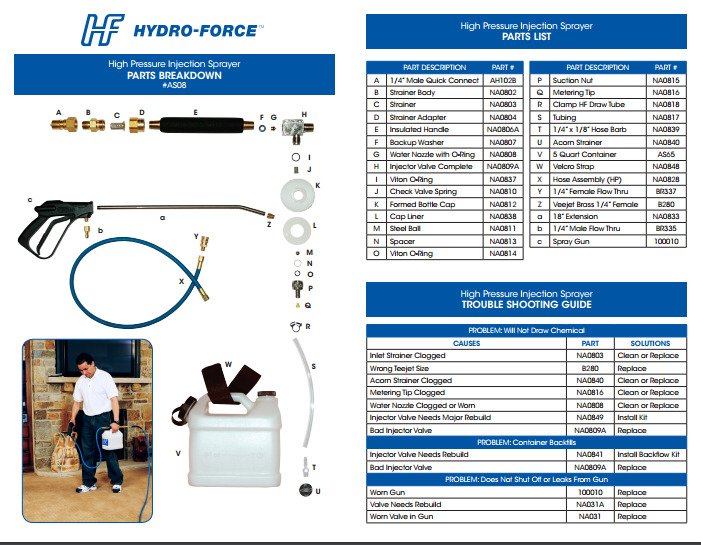
Have you ever noticed your sprayer suddenly losing pressure right when you need it most? It’s frustrating, isn’t it?
When your sprayer pressure drops, it can ruin your work, waste time, and leave you wondering what went wrong. But here’s the good news: understanding why this happens can help you fix the problem quickly and keep your equipment running smoothly.
You’ll discover the common reasons behind pressure drops and how to prevent them. Keep reading to make sure your sprayer performs at its best every time you use it.
Common Causes Of Pressure Drops
Sprayer pressure can drop for different reasons. Understanding these causes helps fix the problem fast.
Pressure drops affect how well your sprayer works. It can lead to uneven spray and wasted product.
Clogged Nozzles
Nozzles can get blocked by dirt, debris, or dried spray material. This blockage lowers the pressure and flow.
Cleaning nozzles regularly prevents clogs. Use water or a soft brush to clear the tips.
- Dirt from water or chemicals
- Debris caught in nozzle holes
- Dried spray residues blocking flow
Leaking Hoses
Hoses with cracks or holes let pressure escape. This reduces the pressure at the nozzle.
Check hoses often for damage. Replace worn or broken hoses to keep pressure steady.
- Wear and tear over time
- Sharp bends causing cracks
- Loose connections leaking air or fluid
Faulty Pump
The pump pushes liquid through the sprayer. A broken or weak pump lowers pressure output.
Listen for strange noises from the pump. Replace or repair faulty pumps to restore pressure.
- Worn pump parts reduce efficiency
- Seals inside pump may leak
- Motor or engine issues affect power
Worn Seals And Valves
Seals and valves keep the sprayer system tight. When worn, they let pressure leak out.
Inspect seals and valves regularly. Replace any that look cracked or damaged.
- Seals may dry out and crack
- Valves can get stuck or leak
- Loose parts cause pressure loss
Incorrect Pressure Settings
Pressure settings that are too low cause weak spray. Settings too high may damage parts.
Check the pressure gauge before use. Adjust settings to match the sprayer and job.

Credit: sonomasun.com
Diagnosing Pressure Issues
Sprayer pressure drops can reduce spraying efficiency. Finding the cause helps fix the problem fast.
Check different parts of the sprayer to spot where pressure loss happens. Start with the nozzle and end with the gauge.
Checking Nozzle Condition
A worn or clogged nozzle causes low pressure. Dirt blocks spray paths and changes pressure.
- Remove the nozzle and clean it with water.
- Look for cracks or wear on the nozzle tip.
- Replace the nozzle if it shows damage or heavy wear.
Inspecting Hoses And Connections
Leaks in hoses or loose fittings lower pressure quickly. Check all hose lines and joints.
- Look for cracks, holes, or soft spots on hoses.
- Tighten all hose clamps and connection points.
- Replace any damaged hoses immediately.
Testing Pump Performance
The pump creates pressure for spraying. A bad pump reduces output pressure.
| Pump Issue | Effect on Pressure |
| Worn seals | Pressure leaks inside pump |
| Damaged impeller | Reduced pressure output |
| Loose drive belt | Pump runs slower, less pressure |
| Blocked inlet | Limited fluid flow, low pressure |
Monitoring Pressure Gauge
The pressure gauge shows real-time pressure. Check if it works correctly.
Follow these checks for the gauge:
- Make sure the gauge needle moves when the sprayer runs.
- Compare gauge reading with known pressure levels.
- Replace the gauge if it shows no movement or erratic readings.
Quick Fixes For Pressure Drops
Sprayer pressure drops can slow down your work and waste chemicals. Fixing pressure issues helps your sprayer work well again.
Some simple checks and repairs can bring your sprayer back to full pressure quickly.
Cleaning Or Replacing Nozzles
Nozzles often clog with dirt or residue. This causes low pressure and uneven spray patterns.
Remove the nozzles and clean them with water or a soft brush. Replace nozzles if they are damaged or worn out.
- Check for debris blocking the nozzle openings
- Soak nozzles in warm water if clogged
- Use a soft brush to clear dirt gently
- Replace nozzles that show cracks or wear
Repairing Or Replacing Hoses
Hoses can leak or get blocked, reducing pressure. Look for cracks, holes, or kinks in hoses.
Fix small leaks with hose tape or clamps. Replace hoses that are badly damaged or too old.
- Inspect hoses for cracks or splits
- Clear any blockages inside hoses
- Use hose tape for minor leaks
- Replace hoses if leaks are large or frequent
Pump Maintenance Tips
Pumps need regular checks to keep pressure steady. Dirty filters or worn parts can lower pump performance.
Clean or replace filters often. Check for worn seals and tighten loose parts to keep the pump working well.
- Clean pump filters regularly
- Replace worn seals or gaskets
- Tighten loose bolts and fittings
- Lubricate moving parts as needed
Adjusting Pressure Controls
Pressure controls can be set too low or too high. Adjusting the control helps fix pressure drops.
Check the pressure gauge and turn the control knob to increase pressure. Follow the sprayer manual for correct settings.
- Locate the pressure control knob or valve
- Watch the pressure gauge while adjusting
- Turn knob slowly to raise pressure
- Stop adjusting when pressure is steady

Credit: www.pcimag.com
Preventive Measures
Sprayer pressure can drop for many reasons. Taking preventive steps helps keep your sprayer working well.
Regular care and attention stop issues before they start. Use these methods to maintain steady sprayer pressure.
Regular Equipment Inspection
Check your sprayer often for leaks, cracks, or worn parts. Early detection stops small problems from growing.
- Look for damaged hoses and nozzles
- Check for loose or broken fittings
- Inspect the pump for signs of wear
- Test pressure gauges for accuracy
Using Quality Sprayer Parts
Use parts made for your sprayer model. Low-quality parts wear out fast and cause pressure loss.
| Part | Recommended Quality | Effect on Pressure |
| Nozzles | High-grade stainless steel | Stable spray pattern |
| Hoses | Reinforced rubber | Prevents leaks |
| Seals | Durable synthetic materials | Stops pressure drops |
Proper Storage Practices
Store your sprayer in a clean, dry place. Protect it from sunlight and extreme temperatures to avoid damage.
- Drain all liquids after use
- Clean filters and nozzles before storage
- Cover the sprayer to keep dust out
- Keep away from freezing conditions
Routine Maintenance Schedule
Follow a regular maintenance plan. This keeps your sprayer parts in good shape and pressure steady.
- Clean the sprayer after each use
- Lubricate moving parts monthly
- Replace worn parts every season
- Test pressure before starting work

Credit: www.paintaccess.com.au
Frequently Asked Questions
Why Does Sprayer Pressure Suddenly Drop?
Sprayer pressure drops due to clogged nozzles, leaks, or pump issues. Regular maintenance and checking filters prevent sudden pressure loss.
How To Fix Low Sprayer Pressure Problems?
Clean nozzles, check hoses for leaks, and inspect the pump. Replace damaged parts to restore proper sprayer pressure and efficiency.
Can Worn-out Pump Cause Pressure Drops?
Yes, a worn pump reduces pressure. Regular pump inspection and timely replacement ensure consistent sprayer performance.
Does Nozzle Size Affect Sprayer Pressure?
Smaller nozzles increase pressure, while larger ones reduce it. Choose the correct size for optimal pressure and spray pattern.
Conclusion
Sprayer pressure drops cause many problems in spraying tasks. Clogged nozzles, leaks, and worn parts often reduce pressure. Dirt and blockages inside hoses also lower flow. Regular cleaning and checking help keep pressure steady. Fixing leaks quickly prevents bigger damage and saves money.
Using the right pressure ensures better spray coverage and plant health. Understanding these causes helps you maintain your sprayer well. Keep your equipment in good shape for best results. Small efforts make a big difference in spraying success.
