
Are you wondering how often you should test your lawn soil to keep your grass green and healthy? Knowing when to check your soil can save you time, money, and frustration.
Testing your lawn soil helps you understand what nutrients it needs and how to fix any problems before they get worse. If you want a lush, thriving lawn that stands out in your neighborhood, this guide will show you exactly when and why soil testing matters.
Keep reading to discover the simple steps you can take to give your lawn the care it deserves.
Importance Of Soil Testing
Testing lawn soil is important to keep grass healthy. It shows what nutrients soil needs.
Soil testing helps you take care of your lawn the right way. It saves time and money.
Impact On Grass Health
Soil testing reveals the soil’s pH and nutrient balance. This helps grass grow strong and green.
Good soil means less disease and better water use. Testing soil keeps grass healthy all year.
Identifying Nutrient Deficiencies
Soil tests show which nutrients are missing. This stops poor growth and yellow leaves.
- Nitrogen for leaf growth
- Phosphorus for roots
- Potassium for strength
- Calcium and magnesium for soil structure
Preventing Overfertilization
| Risk | Effect |
| Too much fertilizer | Burns grass and wastes money |
| Runoff pollution | Harms nearby water |
| Soil imbalance | Stops nutrient uptake |
Soil testing guides proper fertilizer use. It protects your lawn and the environment.
Ideal Frequency For Testing
Testing lawn soil helps you know what nutrients it needs. It keeps your lawn healthy and green.
How often you test depends on several things like the season, lawn age, and soil type.
Seasonal Considerations
Soil testing once or twice a year is good. Test before spring and after fall to check nutrient levels.
Spring tests help you plan fertilizer use. Fall tests prepare soil for winter and next spring.
New Vs Established Lawns
New lawns need more frequent tests, about every 6 months. This helps fix soil problems early.
Established lawns can be tested less often, every 1 to 2 years. Their soil is usually more stable.
- New lawn: test twice a year
- Established lawn: test every 1-2 years
Soil Type Influence
Different soil types change how often you should test. Sandy soil loses nutrients fast.
Clay soil holds nutrients longer, so test less often. Loam soil is balanced and needs regular checks.
- Sandy soil: test annually
- Clay soil: test every 2 years
- Loam soil: test every 1-2 years
How To Collect Soil Samples
Testing your lawn soil helps keep it healthy and green. Collecting good soil samples is the first step.
Follow simple methods to get accurate results. Proper tools and techniques make sampling easy.
Tools Needed
Gather these tools before you start collecting soil samples to save time and effort.
- Soil probe or spade
- Clean plastic bucket or container
- Plastic bags or sample containers
- Permanent marker for labeling
- Gloves to keep hands clean
Sampling Techniques
Use proper methods to collect soil from different lawn areas. This gives a good mix for testing.
- Divide your lawn into sections with similar grass and soil.
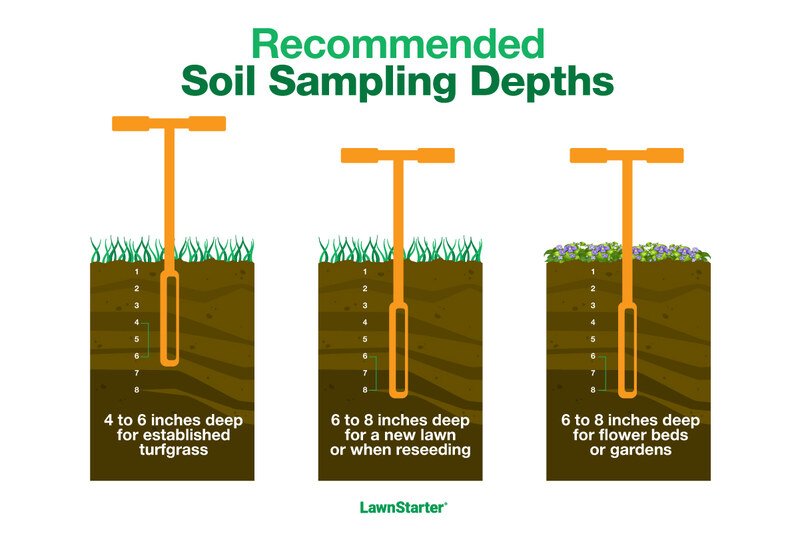
- Remove grass and collect soil 4 to 6 inches deep.
- Take 8 to 10 samples from each section.
- Mix all samples in the bucket to create a combined sample.
- Place about one cup of mixed soil into a labeled container.
Avoiding Common Mistakes
Watch out for errors that can affect the soil test results.
| Mistake | Why It Hurts | How to Avoid |
|---|---|---|
| Sampling only one spot | Gives unbalanced results | Collect from multiple areas |
| Using dirty tools | May contaminate samples | Clean tools before use |
| Taking soil too shallow or deep | Not true lawn soil mix | Sample 4-6 inches deep |
| Mixing soil with debris | Skews test accuracy | Remove roots and stones |
| Not labeling samples | Confuses sample identity | Write clear labels |

Credit: www.familyhandyman.com
Interpreting Test Results
Testing your lawn soil gives you key information about its health. Reading the results helps you know what your lawn needs to grow strong and green.
Soil tests show nutrient levels, pH balance, and other important details. Use these results to adjust your lawn care for the best outcome.
Key Nutrients To Watch
The main nutrients in lawn soil are nitrogen, phosphorus, and potassium. These help grass grow thick, green, and healthy.
- Nitrogen (N):Helps leaf growth and color.
- Phosphorus (P):Supports root development and strength.
- Potassium (K):Boosts disease resistance and drought tolerance.
Ph Levels And Their Effects
Soil pH shows how acidic or alkaline your soil is. It affects how well grass can absorb nutrients.
| pH Level | Effect on Lawn |
| Below 6.0 | Nutrients become less available, grass grows weak |
| 6.0 to 7.0 | Ideal range, nutrients are easy to absorb |
| Above 7.0 | Some nutrients get locked, growth slows |
Adjusting Lawn Care Based On Results
Use your soil test results to plan lawn care. Add nutrients or lime to fix problems and keep soil healthy.
- Apply fertilizer if nitrogen, phosphorus, or potassium are low.
- Add lime to raise pH if soil is too acidic.
- Use sulfur to lower pH if soil is too alkaline.
- Water and mow the lawn properly to support nutrient uptake.
Tips For Maintaining Soil Health
Testing your lawn soil helps you know what nutrients it needs. Healthy soil keeps your grass strong and green.
Good soil care means checking it often and adding what is missing. This guide shows how to keep soil healthy.
Regular Testing Schedule
Test your lawn soil at least once a year. Spring or fall are the best times for testing.
Regular tests help you see changes in soil health. This way, you can fix problems early and avoid damage.
- Test every 1 to 2 years for home lawns
- Test more often if soil problems appear
- Use a soil test kit or send samples to a lab
Organic Amendments
Organic materials improve soil by adding nutrients and helping soil structure. Compost and manure are great choices.
These natural amendments feed beneficial microbes and keep soil soft. They also help soil hold water better.
- Add compost once or twice a year
- Use well-aged manure for safety
- Apply organic mulch to protect soil
Proper Watering And Mowing
Water your lawn deeply but less often. This encourages deep roots and stronger grass.
Keep your mower blades sharp and mow at the right height. Cutting grass too short can harm soil health.
- Water early in the morning to reduce evaporation
- Water 1 inch per week, including rain
- Mow grass to about 3 inches high
- Never cut more than one-third of grass height at once

Credit: yardmastery.com
Credit: lawnsynergy.com
Frequently Asked Questions
How Often Should I Test My Lawn Soil?
Test your lawn soil every 2 to 3 years for optimal health. Regular testing helps identify nutrient deficiencies and pH imbalances early. This allows timely adjustments to fertilizers and soil amendments for a lush, green lawn.
Why Is Soil Testing Important For Lawns?
Soil testing reveals nutrient levels and soil pH. It guides proper fertilization and prevents overuse of chemicals. This improves grass growth, reduces disease risk, and enhances overall lawn health and appearance.
What Is The Best Time To Test Lawn Soil?
The best time to test lawn soil is early spring or fall. These seasons provide accurate results before major fertilizing or seeding. Testing now helps optimize soil conditions for healthy grass growth.
Can Soil Testing Improve Lawn Fertilizer Efficiency?
Yes, soil testing ensures you apply the right fertilizer type and amount. It prevents waste and environmental damage from over-fertilizing. Proper fertilization promotes stronger, greener grass and healthier soil.
Conclusion
Testing your lawn soil regularly keeps your grass healthy and green. Aim to test at least once a year, ideally before spring. This helps you know what nutrients your soil needs most. Simple soil tests save time and money on fertilizers.
Keep your lawn strong by checking soil health often. Small steps make a big difference in lawn care. Stay consistent, and your grass will thank you with vibrant growth. Soil testing is an easy habit that brings lasting benefits.
