
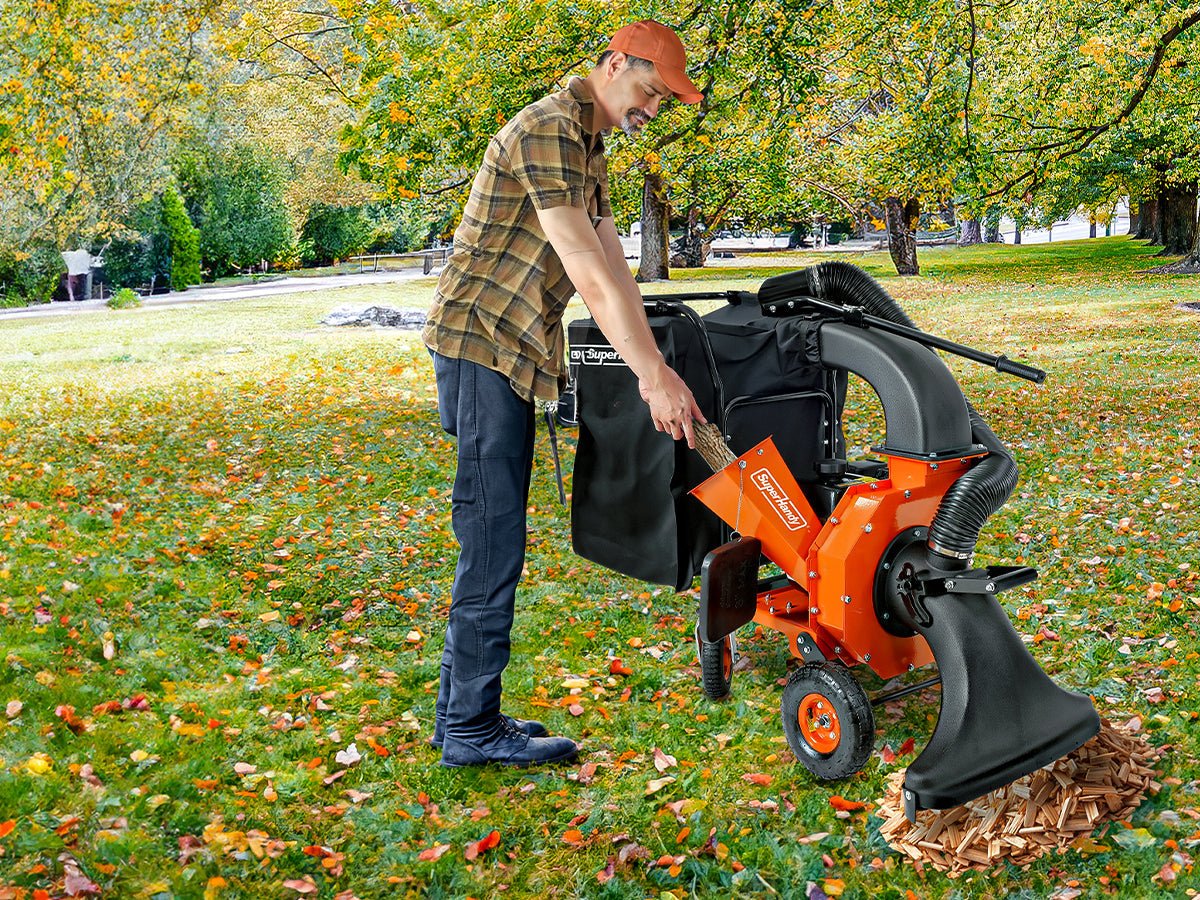
Are you tired of dealing with piles of wet leaves in your yard? You might wonder if your leaf vacuum can handle those soggy messes and turn them into useful mulch.
Wet leaves can be tricky—they stick together, clog machines, and leave you frustrated. But what if there’s a simple way to make your leaf vacuum work better with wet leaves? Keep reading to discover how you can save time, protect your equipment, and create nutrient-rich mulch from even the dampest leaves.
This could change the way you manage your yard cleanup forever.

Credit: www.shopvac.com
How Leaf Vacuums Work
Leaf vacuums are tools that help clean yards quickly. They use power to suck up leaves and debris.
These machines often mulch the leaves as they collect them. Mulching turns leaves into small pieces for easy disposal.
Suction And Mulching Mechanism
Leaf vacuums use a strong motor to create suction. This pulls leaves and small debris into the machine.
Inside, blades or a shredder chop the leaves into tiny pieces. This process is called mulching.
- Suction pulls leaves from the ground
- Blades shred leaves into mulch
- Mulch is collected in a bag or container
- Some machines blow air to help move leaves
Types Of Leaf Vacuums
There are several types of leaf vacuums. Each type works best for different yard sizes and needs.
Some are handheld, while others are push or ride-on models. They differ in power and capacity.
- Handheld vacuums:Light and easy to use for small areas
- Push vacuums:Larger and more powerful for medium yards
- Riding vacuums:Best for large properties, ride like a lawn tractor
- Electric vacuums:Quieter and cleaner, but may have less power
- Gas-powered vacuums:Strong suction and mulching, but louder and heavier
Challenges With Wet Leaves
Wet leaves are a common issue during rainy seasons. Their moisture makes them different from dry leaves.
Collecting wet leaves with a leaf vacuum can be tough. The wetness causes problems for both the user and the machine.
Why Wet Leaves Are Harder To Collect
Wet leaves stick together and to surfaces. This makes it hard for the vacuum to pick them up.
- Leaves clump into heavy piles
- Leaves stick to grass and pavement
- Wet leaves can block vacuum tubes
- Leaves may tear instead of being sucked up
Impact On Vacuum Performance
Wet leaves affect how well a leaf vacuum works. The machine may slow down or stop working.
| Problem | Effect on Vacuum |
| Clogged tubes | Reduced suction power |
| Heavy leaf piles | Motor strain and overheating |
| Wet debris weight | More frequent emptying needed |
| Leaf tearing | Leaves spread instead of collected |
Can Leaf Vacuums Handle Wet Leaves?
Leaf vacuums are popular tools for clearing yards. Many people wonder if they can handle wet leaves as well as dry ones.
Wet leaves are heavier and stickier than dry leaves. This can affect how well a leaf vacuum works on them.
Effectiveness Of Different Models
Not all leaf vacuums perform the same with wet leaves. Some models have stronger motors and better blades.
More powerful machines can suck and shred wet leaves better. Smaller or less powerful models may clog or slow down.
- Gas-powered vacuums handle wet leaves more easily
- Electric vacuums may struggle with heavy, wet leaves
- Models with metal blades shred wet leaves better than plastic blades
- Vacuum bags fill up faster with wet leaves, needing frequent emptying
Mulching Wet Vs Dry Leaves
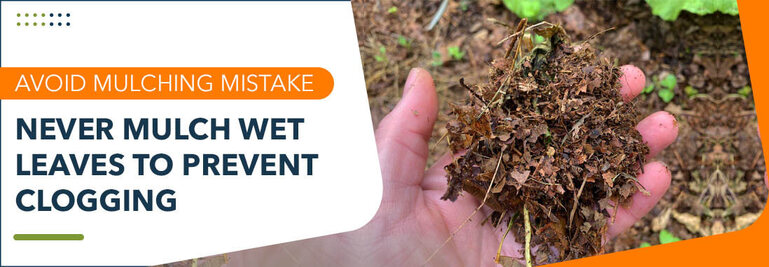
Mulching turns leaves into small pieces for easier disposal or composting. Wet leaves are harder to mulch than dry ones.
Dry leaves break apart easily and flow through the vacuum quickly. Wet leaves clump together and can block the machine.
- Dry leaves create fine mulch that decomposes quickly
- Wet leaves form clumps, causing uneven mulch
- Wet mulch may take longer to dry and decompose
- Leaf vacuums may need cleaning more often when mulching wet leaves
Credit: www.yourgreenpal.com
Tips For Using Leaf Vacuums On Wet Leaves
Using a leaf vacuum on wet leaves can be tricky. Wet leaves are heavier and stick together. This can clog your machine and slow down work.
These tips will help you use your leaf vacuum safely and efficiently on wet leaves.
Prepping The Leaves
Before vacuuming, try to spread the wet leaves out. This helps the vacuum pick them up better. If possible, wait for the leaves to dry slightly to avoid clumps.
- Use a rake to loosen leaves on the ground.
- Remove large sticks and debris to prevent clogs.
- Try to break up thick leaf piles by hand.
- Clear wet leaves from tight corners to ease vacuum access.
Adjusting Vacuum Settings
Wet leaves need different vacuum settings than dry leaves. You should change the suction power and speed for better results.
| Setting | Recommended Adjustment |
| Suction Power | Lower power to avoid clogging |
| Vacuum Speed | Use slower speed for better leaf intake |
| Bag Capacity | Check and empty bag more often |
| Blade or Chipper | Sharpen or clean for smooth operation |
Maintenance And Cleaning After Use
Cleaning your leaf vacuum after use keeps it working well. Wet leaves can cause rust and blockages.
- Empty the leaf bag fully and shake out wet debris.
- Wipe down all surfaces with a dry cloth to remove moisture.
- Check the vacuum tube and remove any stuck leaves.
- Inspect and clean the blade or chipper area.
- Store the vacuum in a dry place to prevent rust.
Alternatives To Leaf Vacuums For Wet Leaves
Wet leaves can be hard to clean up with leaf vacuums. These machines may clog or lose power. There are other tools and services that work well for wet leaves.
Using simple tools or hiring experts can save time and effort. Here are some good alternatives to leaf vacuums for wet leaves.
Rakes And Brooms
Rakes and brooms work well for gathering wet leaves. They do not get stuck like vacuums. You can collect leaves into piles easily.
Metal or plastic rakes help loosen leaves from grass or pavement. Brooms sweep leaves off hard surfaces. Use a dustpan or tarp to carry the leaves away.
- Rakes are good for lawns and gardens
- Brooms work best on patios and driveways
- Both tools are low cost and simple to use
Pressure Washers
Pressure washers use strong water jets to clean surfaces. They can remove wet leaves stuck on driveways or decks. The water pushes leaves into a pile for easy pickup.
This method works well on hard surfaces but is not for grass or soil. Be careful with water runoff and nearby plants. Use a lower pressure setting to avoid damage.
- Pushes leaves off hard surfaces
- Also cleans dirt and grime
- Requires access to water and electricity
Professional Cleanup Services
Professional cleanup services handle wet leaves quickly. They have special equipment and trained workers. This option saves your time and effort.
Services include leaf removal, yard cleanup, and disposal. They can also help with large areas or heavy leaf fall. Costs vary by service size and location.
- Fast and efficient leaf removal
- Equipment for wet and heavy leaves
- Good for large yards and businesses
Choosing The Right Leaf Vacuum
Leaf vacuums can help manage your yard efficiently. Selecting the right one is essential for handling wet leaves.
Consider the features and budget to find a suitable leaf vacuum for your needs.
Features To Look For
Key features make a leaf vacuum effective with wet leaves. Look for powerful motors and adjustable settings.
- Strong suction power for wet debris
- Adjustable speed settings
- Durable material for wet conditions
Budget Considerations
Leaf vacuums come in different price ranges. Decide how much you are willing to spend.
Consider long-term use and maintenance costs in your budget plan.
- Entry-level models for small yards
- Mid-range options for moderate use
- High-end models for heavy-duty tasks
User Reviews And Recommendations
Reading user reviews helps in making informed decisions. Look for feedback on performance with wet leaves.
Recommendations from other users can guide you to a reliable leaf vacuum.
- Check online reviews for real user experiences
- Ask friends or family for their opinions
- Look for reviews specifically mentioning wet leaf handling

Credit: www.shopvac.com
Frequently Asked Questions
Can Leaf Vacuums Mulch Wet Leaves Effectively?
Leaf vacuums can mulch wet leaves, but performance varies. Wet leaves may clog the machine and reduce mulching efficiency. Dry leaves are easier to mulch, providing better results and less maintenance.
Why Is Mulching Wet Leaves Challenging?
Wet leaves are heavier and stickier, causing clogging in mulching blades. This reduces airflow and slows down the vacuum’s suction power. It requires more effort to mulch compared to dry leaves.
How To Improve Mulching Of Wet Leaves?
To mulch wet leaves better, spread them out to dry first. Use a powerful leaf vacuum with strong suction and sharp blades. Clean the machine frequently to prevent clogging and maintain performance.
Is It Better To Rake Before Using A Leaf Vacuum?
Raking helps separate wet leaves and reduces clumping. It allows the leaf vacuum to work more efficiently and mulch leaves evenly. Raking also helps remove debris that might damage the vacuum.
Conclusion
Leaf vacuum mulching can handle wet leaves, but results vary. Wet leaves tend to clump, making mulching harder. Some vacuums work better with moisture than others. It helps to shake or dry leaves first. Mulching wet leaves can still reduce yard waste.
It saves time compared to bagging leaves separately. Choose a vacuum designed for wet and dry leaves. Regular cleaning keeps your vacuum working well. Mulching wet leaves is possible, just take care.
