
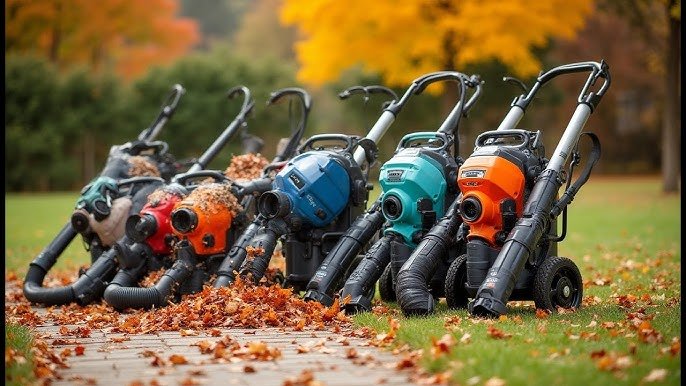
Are you tired of spending your weekends wrestling with piles of leaves in your yard? You’re not alone.
Every homeowner knows the struggle of keeping their outdoor space clean and presentable. But here’s a question: are you using the right tool for the job? When it comes to managing those pesky leaves, the debate between yard vacuums and leaf blowers is as lively as ever.
Should you be sucking up leaves with a vacuum or blowing them into submission? The decision isn’t just about preference; it can save you time, energy, and even money. Dive into this guide to discover which tool suits your yard care needs best and why making the right choice could transform your autumn chores into a breeze. Ready to find out which tool wins in the ultimate leaf showdown? Keep reading!

Credit: www.worx.com
Yard Vacuum Basics
Yard vacuums help clean leaves and debris from your lawn. They collect waste into a bag or container.
These tools make yard work easier by reducing manual raking and sweeping.
How Yard Vacuums Work
Yard vacuums use suction to pull leaves and small debris. A fan or impeller creates this suction inside the machine.
The debris travels through a hose or opening and collects in a bag or container. Some models shred leaves to reduce volume.
Types Of Yard Vacuums
There are different yard vacuums based on power source and design. Each type suits different yard sizes and needs.
- Gas-powered yard vacuums offer strong suction and mobility.
- Electric yard vacuums are quieter and lighter but need power cords or batteries.
- Push-style vacuums work well for small yards and light debris.
- Backpack vacuums provide easy movement and hands-free operation.
Key Features To Consider
Look for features that improve comfort and performance. These can make yard cleaning faster and easier.
- Bag or container size affects how often you empty debris.
- Weight matters for long use without fatigue.
- Adjustable suction helps handle different leaf amounts.
- Noise level impacts comfort during use.
- Additional functions like leaf shredding save space.
Leaf Blower Essentials
Leaf blowers help clear leaves and debris from yards and gardens. They come in different types and sizes. Knowing how they work can help you pick the right one.
This guide explains the basics of leaf blower mechanics, the kinds available, and key features to watch for.
Leaf Blower Mechanics
Leaf blowers use air to move leaves and debris. A motor powers a fan that pushes air out at high speed. This air stream lifts and moves the materials.
Most leaf blowers have a tube to direct the airflow. The power source can be gas, electricity, or a battery.
Varieties Of Leaf Blowers
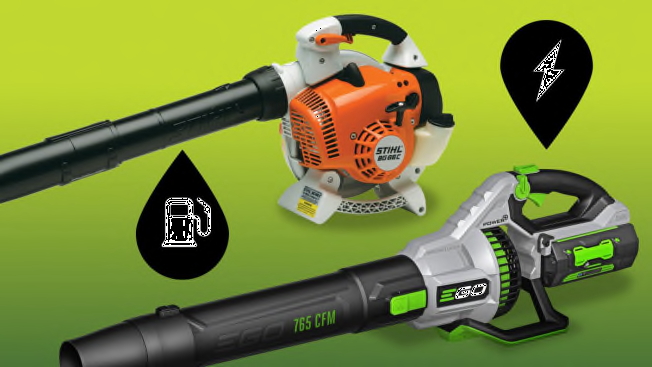
- Gas-powered blowers:Strong and good for big jobs. They make noise and need fuel.
- Electric blowers:Plug into outlets. Quiet but limited by cord length.
- Battery-powered blowers:Portable and quiet. Battery life limits use time.
- Handheld blowers:Light and easy to use for small areas.
- Backpack blowers:Worn on the back for comfort and power in large areas.
Important Features To Note
| Feature | Why It Matters |
| Air Speed | Higher speed moves leaves faster |
| Air Volume | More volume clears larger areas quickly |
| Weight | Lighter models reduce user fatigue |
| Noise Level | Quieter models are better for neighborhoods |
| Power Source | Gas, electric, or battery affects use and maintenance |
| Ergonomics | Comfortable handles and straps help during long use |
Performance Comparison
Choosing between a yard vacuum and a leaf blower depends on how well they perform. Both tools help clean your yard but work differently.
This comparison looks at their efficiency in leaf removal, handling yard debris, and noise and environmental impact.
Efficiency In Leaf Removal
Leaf blowers push leaves into piles quickly. Yard vacuums suck leaves into a collection bag. The vacuum collects leaves directly, which saves time on cleanup.
- Leaf blowers clear large areas fast but need raking after.
- Yard vacuums gather leaves in one step, reducing cleanup time.
- Blowers are better for dry leaves; vacuums handle wet leaves well.
Handling Different Yard Debris
Yard debris varies from leaves to small sticks and grass clippings. Each tool works better with certain types.
| Type of Debris | Yard Vacuum | Leaf Blower |
|---|---|---|
| Dry Leaves | Good collection and bagging | Fast moving into piles |
| Wet Leaves | Effective suction | Less effective, can clog |
| Small Sticks | Can handle with caution | Blows away easily |
| Grass Clippings | Collects well | Blows scattered |
Noise Levels And Environmental Impact
Noise and pollution affect your yard and neighbors. Leaf blowers often make more noise and use more fuel.
Noise and Environmental Factors:
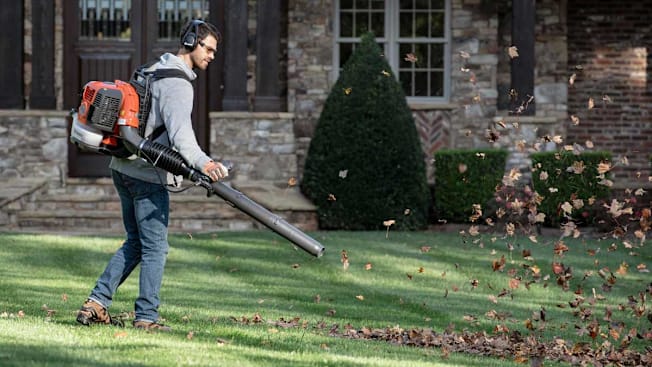
- Leaf blowers produce loud noise, sometimes over 90 decibels.
- Yard vacuums tend to be quieter, often below 75 decibels.
- Gas-powered blowers emit more pollution than electric vacuums.
- Electric yard vacuums have less environmental impact.
Credit: www.consumerreports.org
Ease Of Use
Choosing between a yard vacuum and a leaf blower depends on how easy they are to use. This section looks at the main factors that affect user experience.
We focus on weight, maintenance, and comfort. These points help you decide which tool fits your needs best.
Weight And Maneuverability
Leaf blowers are generally lighter than yard vacuums. This makes them easier to carry for long periods. Yard vacuums tend to be bulkier because of the collection bag and motor size.
- Leaf blowers weigh between 5 to 12 pounds.
- Yard vacuums can weigh 15 pounds or more.
- Lighter tools reduce user fatigue.
- Compact designs improve maneuvering around tight spaces.
Maintenance Needs
Yard vacuums require more upkeep. Their collection bags need emptying and cleaning after use. Leaf blowers have fewer parts to maintain, making them simpler to care for.
| Tool | Maintenance Tasks | Frequency |
|---|---|---|
| Yard Vacuum | Empty bag, clean filter, check motor | After each use |
| Leaf Blower | Clean air filter, check spark plug | Monthly or after heavy use |
User Comfort And Safety
Both tools can cause strain without proper design. Leaf blowers often have handles with vibration reduction. Yard vacuums sometimes include shoulder straps to ease carrying weight.
- Wear hearing protection due to loud noise levels.
- Use gloves to avoid blisters and improve grip.
- Take breaks to prevent muscle strain.
- Keep the tool balanced to reduce fatigue.
Cost And Value
Choosing between a yard vacuum and a leaf blower depends on costs and how much value you get. Both tools help with yard cleanup but differ in price and use.
Looking at costs helps you pick the best tool for your budget and needs.
Initial Investment
Yard vacuums usually cost more to buy than leaf blowers. They have more parts and features. Leaf blowers come in many types with prices for every budget.
Electric leaf blowers are often the cheapest. Gas-powered ones cost more but are stronger. Yard vacuums need a bigger upfront cost but may replace other tools.
Long-term Operating Costs
Leaf blowers, especially gas models, need fuel and regular maintenance. This adds to running costs over time. Electric models cost less to run.
Yard vacuums also use fuel or electricity and may need bag replacements. They require more upkeep because of moving parts and filters.
- Gas leaf blowers: fuel and oil costs
- Electric leaf blowers: low energy use
- Yard vacuums: fuel/electricity plus bags
- Both need regular cleaning and parts check
Resale And Durability
Yard vacuums are built to last but have complex parts. Proper care keeps them working longer. They may keep value if well maintained.
Leaf blowers are simpler and often last many years. Their resale value depends on brand and condition. Electric models may wear out sooner than gas ones.
- Yard vacuums: durable, needs upkeep
- Leaf blowers: simpler, often longer life
- Resale value rises with good condition
- Battery-powered tools may lose value faster
Credit: www.consumerreports.org
Best Uses For Each Tool
Yard vacuums and leaf blowers help keep your yard clean. Each tool works best in different situations.
Knowing when to use each tool saves time and effort. This guide explains their best uses.
Ideal Yard Conditions For Vacuums
Yard vacuums work well in yards with lots of small debris. They pick up leaves, twigs, and dirt easily.
They are best on flat lawns or smooth surfaces. Vacuums struggle on uneven ground or thick grass.
- Best for dry or slightly damp leaves
- Works well on paved areas and flat lawns
- Good for collecting small debris and litter
- Not ideal for heavy wet leaves or thick grass
When To Choose A Leaf Blower
Leaf blowers move leaves and debris quickly over large areas. They work well on uneven ground and thick grass.
They are good for clearing dry leaves and light debris. Blow leaves into piles for easy cleanup.
- Best for large yards or areas with many leaves
- Works well on grass, gravel, and uneven terrain
- Good for dry leaves and light debris
- Not suitable for picking up debris directly
Seasonal Considerations
Use yard vacuums mostly in fall when leaves are dry and scattered. They help collect fallen leaves quickly.
Leaf blowers are useful in spring and summer. They clear grass clippings and light debris after mowing.
- Fall: Vacuums for dry leaves, blowers for moving piles
- Spring: Blowers clear grass clippings and light debris
- Summer: Blowers remove dust and light leaves
- Winter: Neither tool is often needed unless mild conditions
Environmental Considerations
Choosing between a yard vacuum and a leaf blower affects the environment. Both tools use energy and release emissions.
Understanding their impact helps you make a better choice for your yard and the planet.
Energy Consumption
Leaf blowers often use gas engines that need fuel. Yard vacuums may use electric motors or gas engines.
Electric yard vacuums usually use less energy than gas-powered leaf blowers. Battery-powered tools save energy by running only when needed.
Emission Levels
Gas leaf blowers produce more emissions like carbon monoxide and nitrogen oxides. These gases harm air quality.
Electric yard vacuums do not emit harmful gases during use. They are cleaner and better for the air around you.
- Gas leaf blowers emit more pollutants
- Electric yard vacuums have zero local emissions
- Lower emissions improve neighborhood air quality
Eco-friendly Alternatives
Manual rakes and brooms create no emissions and use no energy. They are quiet and safe for the environment.
Battery-powered leaf blowers and vacuums offer a cleaner choice. They reduce noise and pollution compared to gas models.
- Manual tools require no fuel or electricity
- Battery tools emit no direct pollution
- Regular maintenance keeps tools efficient
Tips For Efficient Cleanup
Cleaning your yard well saves time and effort. Using the right tools helps you finish faster.
Yard vacuums and leaf blowers work differently. Knowing how to use both can improve your cleanup.
Combining Tools For Best Results
Use a leaf blower to move leaves into piles quickly. Then, use the yard vacuum to pick them up. This method makes cleanup easier and cleaner.
- Blow leaves off hard surfaces like driveways and patios.
- Gather leaves into tight piles for easy vacuuming.
- Vacuum leaves on grass or uneven ground.
- Empty the vacuum bag often to keep it working well.
Safety Precautions
Always wear safety gear when using yard tools. Protect your eyes, ears, and hands from dust and noise.
| Safety Gear | Purpose |
| Safety Glasses | Protects eyes from debris |
| Ear Protection | Reduces noise damage |
| Gloves | Prevents hand injuries |
| Dust Mask | Blocks dust and allergens |
Check your tools before use. Look for loose parts or damage to avoid accidents.
Maintenance For Longevity
Keep your yard vacuum and leaf blower clean. Regular care helps them last longer and work better.
- Empty leaf bags after each use.
- Clean air filters regularly.
- Check for worn or damaged parts.
- Store tools in a dry place.
Frequently Asked Questions
What Are The Main Differences Between Yard Vacuums And Leaf Blowers?
Yard vacuums collect leaves and debris directly, while leaf blowers move them into piles. Vacuums are better for cleanup, blowers for quick leaf movement.
Which Tool Is Best For Large Yard Leaf Cleanup?
Yard vacuums work best for large areas as they collect debris efficiently. Leaf blowers are faster but require manual collection afterward.
Can Leaf Blowers Replace Yard Vacuums For Cleaning?
No, leaf blowers only move leaves. Yard vacuums collect and dispose of leaves, offering a more thorough cleaning solution.
Are Yard Vacuums Noisy Compared To Leaf Blowers?
Yard vacuums tend to be quieter than leaf blowers. However, noise levels vary by model and power source.
Conclusion
Choosing between a yard vacuum and a leaf blower depends on your needs. Leaf blowers clear leaves fast and work well on big areas. Yard vacuums collect leaves, making cleanup easier but may take more time. Think about your yard size and how much effort you want to spend.
Both tools help keep your yard neat and tidy. Pick the one that fits your work style and budget best. Clean yards feel great and add beauty to your home. Simple tools, better yard.
