

Are you wondering how to get a lush, green lawn without spending hours on hard work? Knowing when to use a lawn spreader could be the secret to transforming your yard.
Using a lawn spreader at the right time helps you apply fertilizer, seed, or weed control evenly and effectively. This simple tool can save you money, time, and frustration while giving your lawn the boost it needs. Keep reading to discover the perfect moments to use a lawn spreader and make your lawn the envy of the neighborhood.
Choosing The Right Spreader
Using a lawn spreader helps you apply seeds, fertilizer, or lime evenly. Picking the right spreader makes your lawn care easier.
Different spreaders work best for different lawn sizes and materials. Understanding your options helps you choose the best one.
Types Of Lawn Spreaders
There are mainly two types of lawn spreaders: drop spreaders and broadcast spreaders. Drop spreaders drop material straight down, giving precise coverage. Broadcast spreaders throw material out in a wide pattern, covering larger areas faster.
- Drop spreaders:Best for small or detailed areas.
- Broadcast spreaders:Ideal for large lawns.
- Handheld spreaders:Good for very small spots or tight spaces.
Manual Vs. Powered Spreaders
Manual spreaders need you to push or turn a crank. They are simple and cost less but require more effort. Powered spreaders run on batteries or gas. They cover large areas quickly and reduce physical work.
- Manual spreaders: Use your own power; good for small lawns.
- Powered spreaders: Use motor power; best for big lawns.
- Consider your lawn size and strength before choosing.
Spreader Size And Capacity
| Spreader Size | Capacity | Best Use |
| Small | Up to 5 lbs | Small lawns, spot treatments |
| Medium | 5 to 15 lbs | Medium-sized lawns |
| Large | Over 15 lbs | Large lawns or commercial use |
Choose a size that fits your lawn. A larger capacity means fewer refills. A smaller one is easier to handle for tight spaces.
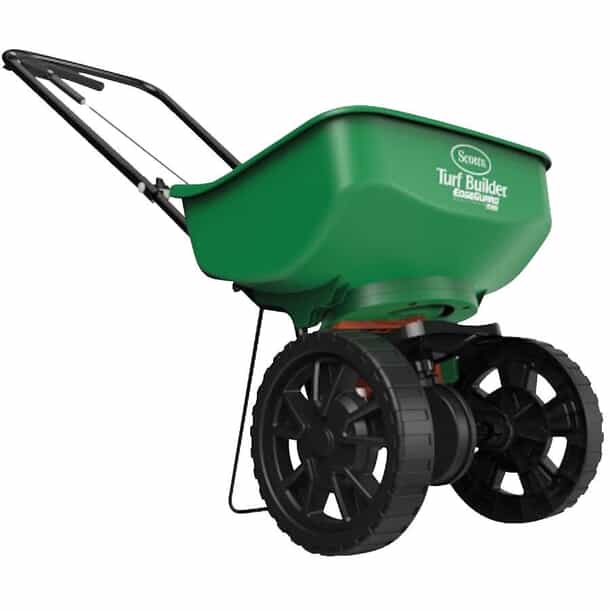
Credit: www.homehardware.ca
Ideal Timing For Spreading
Using a lawn spreader at the right time helps your grass grow strong and healthy. The timing depends on the season, time of day, and weather conditions.
Spreading fertilizer or seed at the correct moment ensures better absorption and less waste.
Seasonal Considerations
Choose the season based on the type of lawn you have and what you want to do. Different seasons suit different tasks like fertilizing or seeding.
- Spring: Best for fertilizing and overseeding cool-season grasses.
- Summer: Avoid spreading during hot and dry months to prevent stress.
- Fall: Ideal time for fertilizing and planting warm-season grasses.
- Winter: Usually not recommended due to dormancy and cold weather.
Best Time Of Day
Applying lawn treatments at the right time of day improves results and reduces risk of damage.
| Time of Day | Reason |
| Early Morning | Grass is moist, cooler temperatures help absorption |
| Late Afternoon | Temperatures drop, less evaporation |
| Midday | High heat can cause fertilizer burn and evaporation |
Weather Conditions To Avoid
Check the weather before spreading. Avoid certain conditions to protect your lawn and reduce waste.
- Do not spread before heavy rain; nutrients will wash away.
- Avoid spreading in windy weather to prevent uneven coverage.
- Stay clear of very dry or drought conditions to prevent stress.
- Do not spread on frozen ground as it will not absorb properly.
Materials To Spread
Using a lawn spreader helps you apply materials evenly. This makes your lawn healthier and greener.
Different materials need spreading at different times. Knowing what to spread improves your lawn care.
Fertilizers
Fertilizers add nutrients to the soil. They help grass grow strong and green. Use a spreader to apply fertilizer evenly.
- Choose fertilizer based on your lawn’s needs.
- Apply fertilizer in spring and fall for best results.
- Spread fertilizer carefully to avoid burning the grass.
Grass Seed
Spreading grass seed helps fill bare spots and thicken your lawn. A spreader ensures seeds spread evenly over the soil.
| Type of Grass Seed | Best Use |
| Cool-season | Early spring or fall |
| Warm-season | Late spring or early summer |
| Mixes | General lawn repair |
Lime And Soil Amendments
Lime and soil amendments adjust soil pH and improve soil health. Using a spreader helps apply these materials evenly.
- Lime raises soil pH to reduce acidity.
- Soil amendments add organic matter and nutrients.
- Apply these materials before seeding or fertilizing for best effect.
Preparing Your Lawn
Using a lawn spreader works best when your lawn is ready. Preparation helps spread seeds, fertilizer, or treatments evenly.
Before spreading, take some time to prepare the grass and soil. This makes your lawn healthier and stronger.
Mowing Tips
Mow your lawn a few days before using the spreader. Keep the grass at the right height to help materials reach the soil.
- Set mower blades to a medium height.
- Remove only one-third of the grass height.
- Use a sharp blade for a clean cut.
- Clear clippings from the lawn surface.
Clearing Debris
Clear leaves, sticks, and rocks before spreading. Debris stops the spreader from working well and blocks material from reaching the soil.
| Debris Type | Why Remove? |
|---|---|
| Leaves | Block fertilizer and seed from soil contact |
| Sticks | Damage the spreader and cause uneven spreading |
| Rocks | Harm lawn mower and spreader parts |
Soil Testing Basics
Test your soil before spreading fertilizer or seed. This helps you know what your lawn needs to grow well.
- Collect soil samples from different lawn areas.
- Send samples to a soil testing lab.
- Review the report for nutrient levels and pH.
- Adjust your spreader materials based on results.
Spreading Techniques
Using a lawn spreader correctly helps your grass get the right amount of fertilizer or seed. Good spreading techniques give even coverage and healthy growth.
Learn how to set the spreader rate, choose walking patterns, and overlap for the best results.
Setting The Spreader Rate
Set the spreader rate to control how much material you spread. Check the product label for the recommended rate. Adjust your spreader to match this setting.
Too much material can harm your lawn. Too little will not work well. Test the spreader on a small area first to see if the rate is right.
Walking Patterns
Walk in straight lines to cover your lawn evenly. Start at one edge and move across to the other side. Keep a steady speed and pace.
Turn around carefully at the end of each row. Try not to miss any spots or double spread the same area.
- Walk at a steady pace
- Keep lines straight
- Turn smoothly at row ends
Overlapping For Even Coverage
Overlap each pass slightly to avoid gaps. About 25% overlap works well for most lawns. This helps spread material evenly.
Be careful not to overlap too much or you can put down too much material. Keep your passes consistent and steady.
- Overlap each pass by 25%
- Keep speed and spread consistent
- Avoid going over the same spot twice
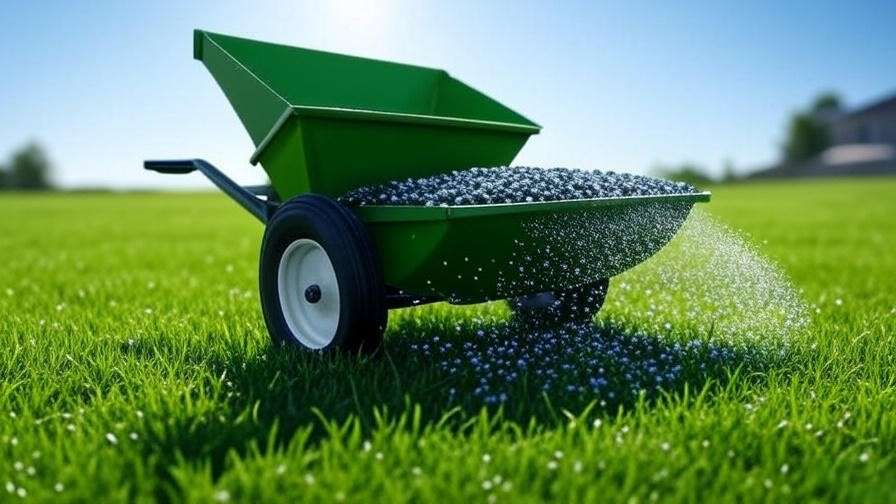
Credit: treecarezone.com
Aftercare For Best Results
After using a lawn spreader, proper care helps your lawn grow strong and healthy. Taking simple steps can improve how well seeds, fertilizers, or treatments work.
Follow these aftercare tips to get the best results from your lawn spreader application.
Watering Guidelines
Water the lawn lightly but often after spreading. This helps the seeds or fertilizer soak into the soil without washing away.
- Water in the morning or late afternoon to reduce evaporation.
- Keep the soil moist for at least two weeks.
- Avoid heavy watering that causes runoff.
- Adjust watering based on weather and soil type.
Avoiding Foot Traffic
Stay off the lawn after spreading to avoid disturbing the new seeds or fertilizer. Walking on the lawn can cause uneven growth and soil compaction.
Tips to protect your lawn:
- Use signs or barriers to keep people off the lawn.
- Keep pets off the treated area for a few days.
- Wait until grass grows at least two inches before mowing.
Monitoring Lawn Health
Check your lawn regularly to see how well it is growing. Look for signs of healthy grass or problems like weeds and pests.
| What to Check | Signs of Health | Possible Problems |
|---|---|---|
| Grass Color | Bright green, even color | Yellowing or brown spots |
| Growth | Steady, uniform growth | Patchy or slow growth |
| Soil Moisture | Moist but not soggy | Dry or waterlogged soil |
Common Mistakes To Avoid
Using a lawn spreader correctly helps keep your grass healthy. Avoiding common errors saves time and money.
Learn about mistakes that harm your lawn and how to prevent them for better results.
Over-application
Applying too much fertilizer or seed can damage your lawn. It can burn grass or cause uneven growth.
- Follow product instructions carefully.
- Use the correct spreader setting for your lawn size.
- Spread materials evenly to avoid clumps.
Ignoring Weather Changes
Weather affects how well your lawn spreader works. Rain or wind can cause problems.
| Weather Condition | Effect on Spreading | Tip |
| Rainy | Materials wash away | Wait for dry weather |
| Windy | Uneven spreading | Spread on calm days |
| Hot | Fertilizer may burn grass | Apply in cooler parts of the day |
Improper Calibration
Calibrating your spreader means setting it to release the right amount. Wrong settings waste materials or harm the lawn.
To calibrate your spreader:
- Read the spreader manual for settings.
- Test on a small area first.
- Adjust settings based on test results.
- Repeat calibration regularly for best results.

Credit: www.youtube.com
Frequently Asked Questions
When Is The Best Time To Use A Lawn Spreader?
The best time to use a lawn spreader is during early spring or fall. These seasons promote optimal nutrient absorption and grass growth. Applying fertilizer or seeds when the soil is moist enhances effectiveness and reduces runoff, leading to a healthier lawn.
How Often Should I Use A Lawn Spreader?
You should use a lawn spreader about 3 to 4 times per year. Regular applications during spring, summer, and fall maintain nutrient levels. Avoid overusing, as too much fertilizer can harm your lawn and the environment.
Can I Use A Lawn Spreader On Wet Grass?
It’s best to avoid using a lawn spreader on wet grass. Wet conditions cause uneven distribution and clumping of fertilizer or seeds. Wait until the grass dries to ensure even coverage and prevent product waste.
What Materials Can A Lawn Spreader Distribute?
A lawn spreader can distribute fertilizer, grass seed, lime, and ice melt. It evenly spreads granular or pelletized materials over your lawn. Using a spreader ensures consistent application for better lawn care results.
Conclusion
Choosing the right time for using a lawn spreader is crucial. Correct timing ensures even distribution of seeds and fertilizers. Healthy, lush lawns require proper care and attention. Spring and fall are ideal for spreading tasks. Early morning or late afternoon works best.
Avoid windy days to prevent uneven coverage. Remember, a well-maintained lawn boosts curb appeal. Regular use of a spreader simplifies lawn care. It promotes robust grass growth. Keep your lawn spreader clean and ready. Your lawn will thank you with vibrant green beauty.
So, plan your spreading schedule carefully for the best results.
