
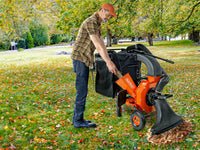
Dealing with wet leaves can be a real hassle, especially when you want your yard to look clean and tidy. If you’ve ever tried using a leaf vacuum on damp leaves, you know it’s not always easy.
But what if you could turn that struggle into a simple, effective task? You’ll discover practical tips and tricks to use your leaf vacuum on wet leaves without frustration. By the end, you’ll have the confidence to handle even the soggiest leaves with ease, saving you time and effort.
Keep reading to find out how!
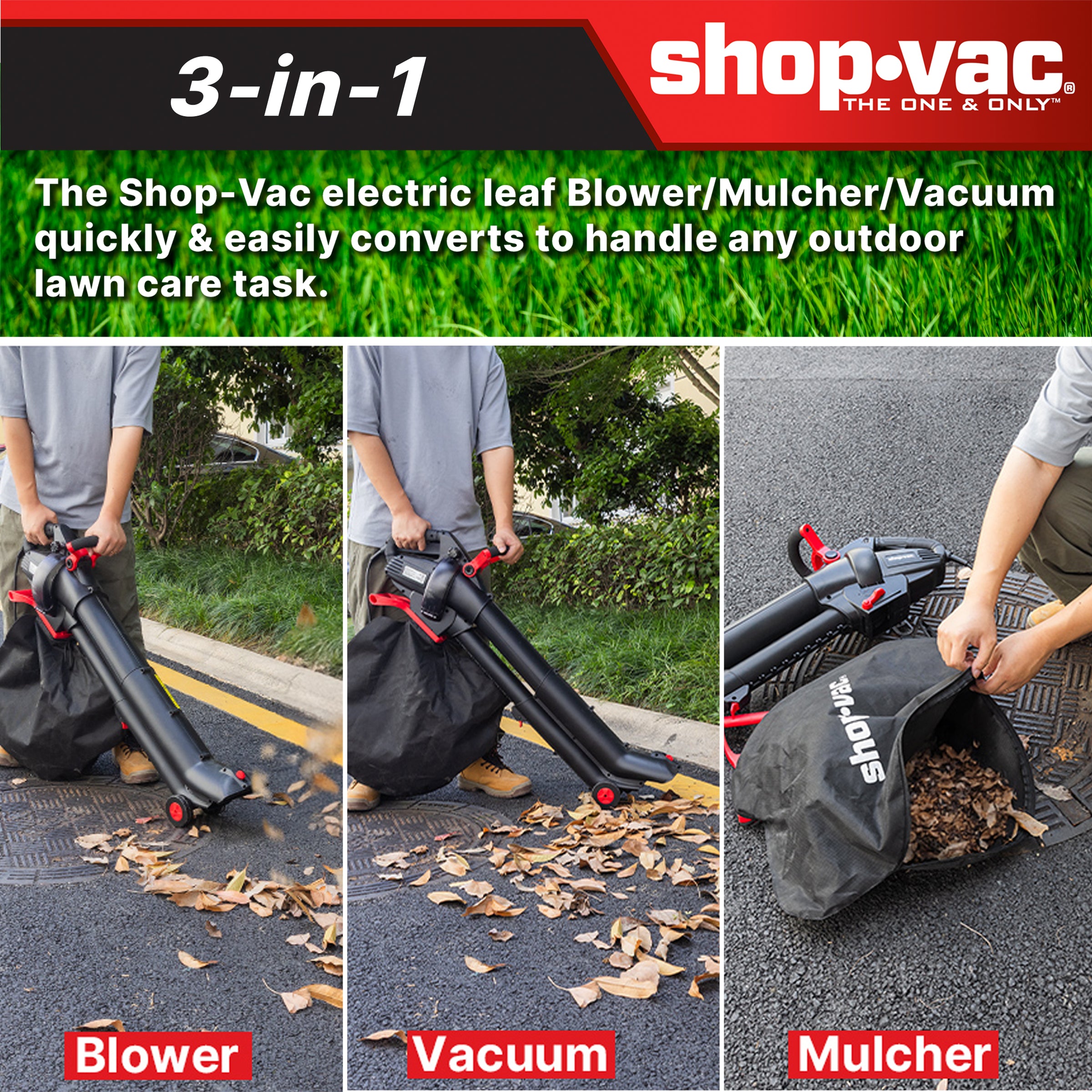
Credit: www.shopvac.com
Choosing The Right Leaf Vacuum
Using a leaf vacuum helps clean your yard quickly. Picking the right one makes the job easier.
This guide covers types of leaf vacuums, key features for wet leaves, and power options.
Types Of Leaf Vacuums
Leaf vacuums come in different styles. Each fits certain yard sizes and leaf conditions.
- Handheld Vacuums:Lightweight and easy to use for small areas.
- Backpack Vacuums:Worn on your back for more power and comfort.
- Walk-Behind Vacuums:Best for large yards and heavy leaf debris.
Features For Wet Leaf Cleanup
Wet leaves are heavier and sticky. Choose a vacuum with these features for better cleanup:
| Feature | Benefit |
|---|---|
| Strong Suction Power | Handles heavy, wet leaves easily |
| Large Collection Bag | Holds more wet leaves without frequent emptying |
| Durable Blades | Shreds wet leaves to reduce volume |
| Easy-Clean Design | Prevents clogging from sticky leaves |
Power Source Options
Leaf vacuums use different power sources. Your choice depends on yard size and convenience.
- Electric (Corded):Good for small yards. Unlimited run time but needs an outlet.
- Battery Powered:Offers mobility. Limited run time but quieter operation.
- Gas Powered:Strong power for large yards. Requires fuel and more maintenance.

Credit: www.everydaycheapskate.com
Preparing For Wet Leaf Removal
Using a leaf vacuum on wet leaves needs careful preparation. Wet leaves can clog machines and make work harder.
Before starting, you must get ready to keep safe and work well. This guide covers key steps to prepare.
Safety Precautions
Wear protective gear to avoid injury. Wet leaves can be slippery and cause accidents.
- Wear gloves to protect your hands.
- Use sturdy boots with good grip.
- Wear safety glasses to protect eyes from debris.
- Check that the leaf vacuum is in good condition before use.
- Keep children and pets away from the working area.
Checking Weather Conditions
Check the weather before starting leaf removal. Avoid working during heavy rain or strong winds.
| Weather Condition | Action |
|---|---|
| Light rain | Use leaf vacuum carefully, expect slower work |
| Heavy rain | Delay leaf removal to prevent damage and accidents |
| Strong wind | Postpone work; leaves will scatter again |
| Dry weather after rain | Ideal for leaf vacuum use |
Clearing Debris And Obstacles
Clear the area of sticks, stones, and other objects. These can block the leaf vacuum or cause damage.
- Pick up large branches and twigs manually.
- Remove stones and trash from the leaf area.
- Check paths and remove obstacles to move easily.
- Keep garden tools away to avoid accidents.
Techniques For Vacuuming Wet Leaves
Vacuuming wet leaves requires special care to avoid damage and clogs. Wet leaves are heavier and stick together, making vacuuming harder than dry leaves.
Using the right techniques helps keep your equipment working well. Follow these tips for better results and less frustration.
Adjusting Suction Settings
Wet leaves need stronger suction because they weigh more. Start with a low setting and increase as needed. Too much suction can clog or damage the vacuum.
- Turn on the vacuum with the lowest suction.
- Test on a small wet leaf patch.
- Gradually increase suction to pick up leaves easily.
- Stop increasing if the vacuum slows or clogs.
Effective Leaf Collection Patterns
Use smooth, overlapping strokes to gather wet leaves. Avoid rushing or sharp turns that spread leaves or clog the nozzle.
- Start from the outer edges and move inward.
- Work in small sections to control leaf piles.
- Use slow, steady movements for better suction.
- Clear collected leaves often to avoid overfilling.
Handling Clogged Nozzles
Wet leaves can stick inside the nozzle and block airflow. Check the nozzle often and clean it if you notice poor suction.
| Cause | Solution |
| Leaf clumps stuck inside nozzle | Turn off vacuum and remove clumps manually |
| Wet debris compacted in hose | Detach hose and clear with a stick or brush |
| Filter clogged with wet dirt | Remove and clean filter, let it dry before reuse |

Credit: gappower.com
Maintenance After Using On Wet Leaves
Using a leaf vacuum on wet leaves can cause moisture to build up inside the machine. Proper maintenance helps keep the vacuum working well and lasts longer.
Cleaning, drying, and storing the vacuum correctly prevents damage and mold growth. Follow these simple steps after each use on wet leaves.
Cleaning The Vacuum
Remove all wet leaves and debris from the vacuum bag or container. Check the nozzle and tubes for clogs caused by damp leaves.
Use a damp cloth to wipe the inside and outside of the vacuum. Avoid using strong chemicals that can damage parts.
- Empty the collection bag or bin immediately after use
- Clear any stuck leaves from the suction area
- Wipe the vacuum with a soft, damp cloth
- Do not soak electrical parts in water
Drying Components
After cleaning, dry all parts thoroughly. Moisture left inside can cause rust or mold to develop.
Take apart removable parts and let them air dry in a warm place. Avoid direct sunlight to prevent plastic damage.
- Remove and dry the vacuum bag or container separately
- Air dry hoses and nozzles in a ventilated area
- Use a dry cloth to wipe down electrical components carefully
- Ensure all parts are completely dry before storage
Storage Tips
Store the vacuum in a dry, cool place to keep it safe from moisture and dust. Avoid damp basements or outdoor sheds.
Keep the vacuum upright and loosely cover it to stop dust from settling inside. Regular checks help catch issues early.
- Choose a dry, sheltered storage area
- Keep the vacuum off the ground to avoid moisture
- Cover the vacuum with a breathable cloth or bag
- Inspect the vacuum regularly for wear or damage
Troubleshooting Common Issues
Using a leaf vacuum on wet leaves can cause some problems. Knowing how to fix these issues helps keep your tool working well.
This guide covers common problems and easy ways to solve them. Follow these tips to use your leaf vacuum better.
Dealing With Motor Overheating
Wet leaves make the vacuum work harder. This can cause the motor to get too hot and stop working.
Turn off the vacuum if it feels very hot. Let it cool down before using it again to avoid damage.
- Check air vents for blockages
- Do not run the vacuum for too long continuously
- Use the vacuum in short sessions with breaks
- Keep the motor clean from dust and debris
Preventing Leaf Clogs
Wet leaves stick together and can block the vacuum tube. This stops leaves from moving inside the machine.
Clear clogs quickly to keep the vacuum running smoothly. Check the tube often and remove any stuck leaves.
- Empty the leaf bag regularly to avoid backup
- Use a stick or tool to push out stuck leaves
- Do not try to vacuum very large wet leaves all at once
- Keep the vacuum tube dry if possible before use
Improving Vacuum Performance
Wet leaves are heavy and harder to vacuum. You can improve performance with simple steps.
Make sure the vacuum is ready before you start. Keep parts clean and use the right speed for wet leaves.
- Clean filters and fans after each use
- Set the vacuum to a lower speed for wet leaves
- Break up large piles of wet leaves before vacuuming
- Use the vacuum on dry days if you can
Enhancing Efficiency With Accessories
Using the right accessories can make leaf vacuuming on wet leaves easier and faster. These add-ons help you reach tight spots, shred leaves better, and collect debris neatly.
Choosing suitable tools improves your work and keeps your yard clean. Let’s look at some helpful accessories to use with your leaf vacuum.
Using Extension Tubes
Extension tubes let you reach high or far places without bending or stretching too much. They add length to your leaf vacuum, making it easier to clean gutters and under bushes.
- Attach the tube securely to prevent air leaks.
- Use lightweight tubes to avoid extra weight.
- Check tube length to fit your vacuum model.
- Clean the tubes regularly to avoid clogs.
Attaching Mulching Kits
Mulching kits chop wet leaves into smaller pieces. This helps the vacuum work better and reduces the volume of leaves you collect.
| Mulching Kit Benefits | Details |
| Improves shredding | Breaks wet leaves into fine mulch |
| Reduces waste volume | Less frequent emptying of bags |
| Enhances composting | Mulched leaves decompose faster |
| Protects vacuum motor | Prevents clogging from wet debris |
Utilizing Collection Bags
Collection bags catch shredded leaves and debris. Using the right bag size and type keeps your yard clean and makes disposal simple.
- Choose bags made of strong, breathable fabric.
- Empty bags before they get too full to keep suction strong.
- Use bags with easy-release connectors for quick removal.
- Clean bags after use to avoid mold and smells.
Frequently Asked Questions
Can I Use A Leaf Vacuum On Wet Leaves Safely?
Yes, you can use a leaf vacuum on wet leaves. However, check the manufacturer’s instructions first. Wet leaves may clog the vacuum more easily, so regular cleaning is essential for optimal performance.
How Do I Prevent Clogging With Wet Leaves?
To prevent clogging, vacuum in small sections and avoid overfilling the bag. Regularly stop to clear the vacuum tube. Using a leaf vacuum designed for wet leaves also helps reduce blockages.
Does Vacuuming Wet Leaves Damage The Machine?
Vacuuming wet leaves can strain some machines. Wet debris is heavier and may cause motor overload. Always choose a wet/dry compatible leaf vacuum to avoid damage and maintain efficiency.
Should I Dry Leaves Before Vacuuming?
Drying leaves before vacuuming improves suction and reduces clogging. If drying isn’t possible, use a wet/dry leaf vacuum and clean it frequently during use for better results.
Conclusion
Using a leaf vacuum on wet leaves needs care. Wet leaves are heavy and can clog the vacuum. Work slowly and avoid overloading the machine. Dry leaves first if possible. A tarp can help collect them. Always check the vacuum’s manual for specific instructions.
Safety gear, like gloves and goggles, is essential. Protect yourself from debris and potential accidents. Regular maintenance of your vacuum prolongs its life. Clean it thoroughly after use. Following these steps ensures your leaf vacuum works efficiently. Keep your garden neat and tidy with these simple tips.
Enjoy a clean, leaf-free yard!
