
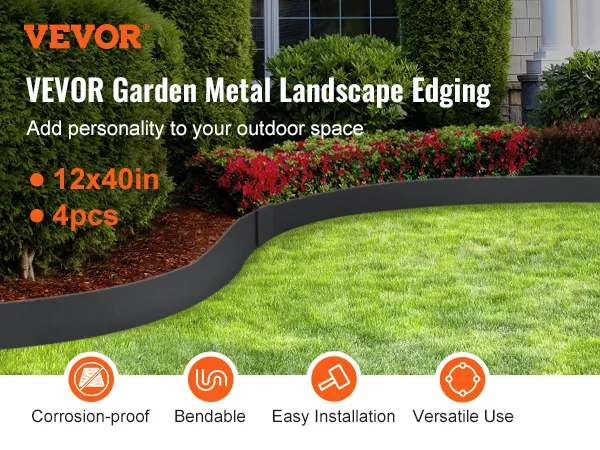
When it comes to finishing your garden paths, flower beds, or driveways, choosing the right edging can make all the difference. You might be wondering whether metal edging or rubber edging is the best fit for your outdoor space.
Each option has its own strengths, and picking the right one can save you time, money, and frustration. You’ll discover the key differences between metal and rubber edging, so you can make a choice that suits your needs perfectly. Keep reading to find out which edging will give your yard that clean, polished look you’re aiming for.
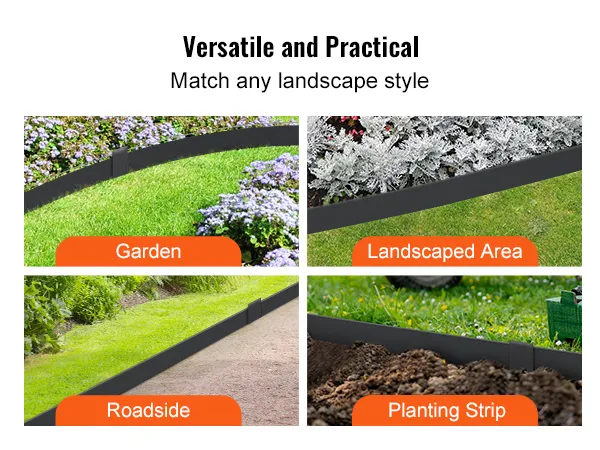
Credit: www.vevor.ca
Material Properties
Metal edging and rubber edging differ in their material qualities. These differences affect their use and durability. Understanding these properties helps in choosing the right edging for your project.
This section looks at strength and flexibility, weather resistance, and corrosion and wear for both materials.
Strength And Flexibility
Metal edging is strong and can hold its shape under pressure. It is less flexible and can bend only to a certain point without breaking.
Rubber edging is much more flexible. It can bend and twist easily without damage. Its strength is lower than metal but it absorbs shocks better.
- Metal edging supports heavy loads.
- Rubber edging resists bending and twisting.
- Metal is rigid and holds straight lines well.
- Rubber adapts to curves and uneven surfaces.
Weather Resistance
Metal edging can be affected by temperature changes. It can expand and contract, which may cause warping over time. Some metals resist cold or heat better than others.
Rubber edging handles weather changes well. It stays flexible in cold and does not soften too much in heat. It is good for outdoor use in many climates.
| Material | Temperature Range | Weather Effect |
| Metal Edging | -20°C to 50°C | May warp or expand |
| Rubber Edging | -40°C to 70°C | Remains flexible and stable |
Corrosion And Wear
Metal edging can rust or corrode without proper coating. It wears down with time if exposed to moisture and chemicals.
Rubber edging resists corrosion and does not rust. It can wear from friction but lasts longer in wet conditions.
| Property | Metal Edging | Rubber Edging |
|---|---|---|
| Corrosion Resistance | Needs coating to prevent rust | Does not corrode |
| Wear Resistance | Wears under friction and moisture | Wears slowly, good for wet areas |
Installation Process
Choosing the right edging for your garden or lawn depends on how easy it is to install. Metal and rubber edging both have different steps and needs. Understanding these can help you decide which suits your project best.
This guide covers the ease of installation, the tools required, and the time and labor involved in both metal and rubber edging.
Ease Of Installation
Metal edging needs careful handling to bend and fit curves. It is rigid and may require cutting to size. Rubber edging is more flexible and easier to shape around curves and corners.
- Metal edging often requires stakes to hold it in place.
- Rubber edging usually comes with a flexible backing that anchors into the soil.
- Metal can be sharp and needs protective gloves during installation.
- Rubber is softer and safer to handle.
Required Tools
| Tool | Metal Edging | Rubber Edging |
|---|---|---|
| Gloves | Recommended for safety | Optional but helpful |
| Hammer or Mallet | Needed to drive stakes | Rarely needed |
| Wire Cutters or Tin Snips | Required to cut metal | Not needed |
| Shovel or Trenching Tool | Needed to dig trench | Needed to dig trench |
| Measuring Tape | Needed for accuracy | Needed for accuracy |
Time And Labor
Metal edging takes more time due to cutting and staking. It requires more physical effort, especially when shaping tight curves. Rubber edging installs faster and with less strain.
- Prepare the ground by digging a trench for either type.
- For metal edging, cut the pieces and place stakes every few feet.
- For rubber edging, fit the flexible pieces into the trench and press down.
- Backfill soil to hold the edging firmly in place.
- Metal edging may need adjustments to keep it straight and secure.
- Rubber edging usually stays in place more easily without extra adjustments.
Durability Factors
Choosing between metal edging and rubber edging depends on how long they last and hold up under pressure. Durability plays a big role in their performance.
This guide looks at three key durability factors to help you understand the strengths and weaknesses of each type of edging.
Longevity Under Stress
Metal edging generally lasts longer under heavy stress. It can handle weight and pressure without bending or breaking easily. Rubber edging may wear down faster if exposed to constant force or sharp impacts.
Impact Resistance
Rubber edging absorbs impacts better than metal. It bends and flexes without cracking. Metal edging can dent or bend when hit hard. Each type suits different needs based on how much impact is expected.
- Rubber edging resists cracks and chips
- Metal edging may dent but holds shape
- Rubber reduces damage from sudden hits
- Metal is stronger against slow pressure
Maintenance Needs
| Edging Type | Maintenance | Common Issues |
| Metal Edging | Occasional cleaning and rust checks | Rust, bending |
| Rubber Edging | Clean to avoid dirt buildup | Cracking, fading |

Credit: www.familyhandyman.com
Cost Comparison
Choosing between metal edging and rubber edging depends on many factors. Cost is a key factor to consider before making a decision.
We will look at the initial investment, long-term expenses, and value for money of both types of edging.
Initial Investment
Metal edging usually costs more upfront than rubber edging. The price depends on the type of metal and length needed.
Rubber edging is often cheaper to buy. It is light and easier to install, which lowers labor costs.
Long-term Expenses
Metal edging can last many years without replacing. It resists weather and damage well but may need rust protection.
Rubber edging may wear out faster. It can crack or fade and might need replacement more often.
| Type | Durability | Maintenance | Replacement Frequency |
|---|---|---|---|
| Metal Edging | High | Rust treatment may be needed | 10+ years |
| Rubber Edging | Moderate | May require cleaning and repair | 3-5 years |
Value For Money
Metal edging offers strong value if you want a long-lasting solution. It can save money over time despite higher start costs.
- Higher initial price
- Long lifespan
- Less frequent replacement
- Stronger appearance
Rubber edging suits those on a tight budget or needing quick installation. It may cost more over time due to replacements.
Aesthetic Appeal
Metal and rubber edgings offer distinct looks for your landscape or garden. Choosing the right edging affects the overall style and feel of your outdoor space.
This comparison covers design versatility, color and finish options, and the visual impact of both types of edging.
Design Versatility
Metal edging fits well with modern and industrial designs. It can create sharp, clean lines and smooth curves. Rubber edging suits natural and informal looks. It is flexible and easy to shape around plants and paths.
- Metal edging works for geometric and minimalist styles.
- Rubber edging adapts to organic and freeform designs.
- Both types can define garden beds and walkways clearly.
Color And Finish Options
| Edging Type | Common Colors | Finish Types |
| Metal Edging | Black, Rust, Silver | Matte, Glossy, Weathered |
| Rubber Edging | Black, Brown, Dark Green | Matte, Textured |
Metal edging offers more color variety with different finishes. Rubber edging usually comes in earth tones that blend with soil and plants.
Visual Impact
Metal edging creates a strong, defined border that stands out. It adds a polished look to gardens and yards. Rubber edging provides a softer, subtler border. It blends better with natural surroundings and feels less harsh on the eyes.
Visual Impact Summary:
- Metal Edging:Bold, clean, and modern appearance
- Rubber Edging:Soft, natural, and understated look
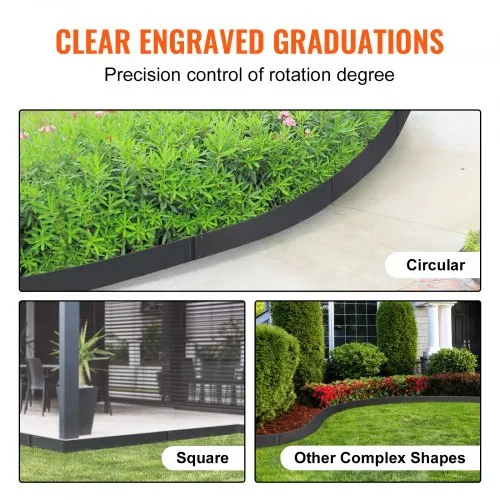
Credit: www.vevor.ca
Environmental Impact
Metal edging and rubber edging are common choices for landscaping borders. Both have different effects on the environment. Understanding these effects can help choose a better option for nature.
This article compares the environmental impact of metal and rubber edging. It looks at sustainability, recyclability, and eco-friendly alternatives.
Sustainability
Metal edging is durable and lasts many years. It requires mining and processing metals, which uses energy and can harm ecosystems. Rubber edging often comes from recycled tires, giving waste a second life. But new rubber production may use chemicals.
- Metal edging has a long lifespan but high resource use.
- Rubber edging uses recycled materials but may degrade faster.
- Both types need proper disposal to avoid pollution.
Recyclability
Metal edging is highly recyclable and can be melted down to make new products. Rubber edging can be recycled but less commonly. Many recycling centers do not accept rubber due to processing difficulties.
| Material | Recyclability Rate | Recycling Process |
| Metal Edging | High | Melting and reforming |
| Rubber Edging | Low to Medium | Shredding and repurposing |
Eco-friendly Alternatives
Alternatives to metal and rubber edging can reduce environmental harm. Natural materials like wood or stone blend well with gardens. Biodegradable options break down safely over time.
- Recycled plastic made from household waste
- Natural stone pieces collected locally
- Wood from sustainably managed forests
- Coir fiber edging that decomposes
Best Use Cases
Choosing between metal edging and rubber edging depends on the project needs. Both materials serve different purposes well.
This guide covers where each edging type works best for residential, commercial, and extreme conditions.
Residential Applications
Metal edging suits gardens and walkways in homes. It offers a clean, sharp look and holds soil firmly.
Rubber edging fits well around flower beds and playgrounds. It is soft and safe for children and pets.
- Metal edging is great for straight lines and curves with a modern style.
- Rubber edging works well for flexible shapes and areas needing impact absorption.
- Both types help keep mulch and soil in place.
Commercial Projects
Metal edging is strong and long-lasting, ideal for commercial landscaping. It withstands heavy foot traffic and equipment.
Rubber edging is useful near playgrounds and sports fields for safety and flexibility. It reduces trip hazards.
| Feature | Metal Edging | Rubber Edging |
| Durability | High | Medium |
| Safety | Low | High |
| Maintenance | Low | Medium |
| Appearance | Modern and sharp | Soft and natural |
| Cost | Higher | Lower |
Extreme Conditions
Metal edging handles extreme weather well. It resists heat, cold, and heavy rain without damage.
Rubber edging works best in areas needing impact protection. It stays flexible in cold and cushions falls.
Key Points for Extreme Use:
- Metal edging resists corrosion with proper coatings.
- Rubber edging recovers shape after heavy impacts.
- Metal can get hot in sun; rubber stays cooler to touch.
- Both materials need secure installation to last in tough conditions.
Frequently Asked Questions
What Are The Main Differences Between Metal And Rubber Edging?
Metal edging is durable and rigid, ideal for sharp, clean lines. Rubber edging offers flexibility, cushioning, and is better for curved designs. Metal suits formal landscapes, while rubber fits playgrounds and soft garden beds.
Which Edging Type Lasts Longer Outdoors?
Metal edging generally lasts longer due to its resistance to weather and wear. Rubber edging may degrade faster under UV rays and extreme temperatures but is easier to replace.
Is Metal Or Rubber Edging Easier To Install?
Rubber edging is easier to install because it is flexible and lightweight. Metal edging requires tools and precise measurements, making installation more labor-intensive but offering a more permanent solution.
How Does Edging Affect Garden Maintenance?
Metal edging prevents soil and mulch migration effectively, reducing garden upkeep. Rubber edging controls spreading too but may need more frequent adjustments and replacement over time.
Conclusion
Choosing between metal and rubber edging depends on your needs. Metal edging offers durability and a sleek look. Ideal for formal gardens. Rubber edging is flexible and easy to install. Perfect for casual settings. Both options have unique benefits. Consider your garden style and budget.
Think about maintenance and longevity too. Metal may cost more but lasts longer. Rubber is affordable and eco-friendly. Assess your priorities carefully. Each type can enhance your landscape beautifully. The right choice will complement your garden’s charm. Make an informed decision for the best results.

