
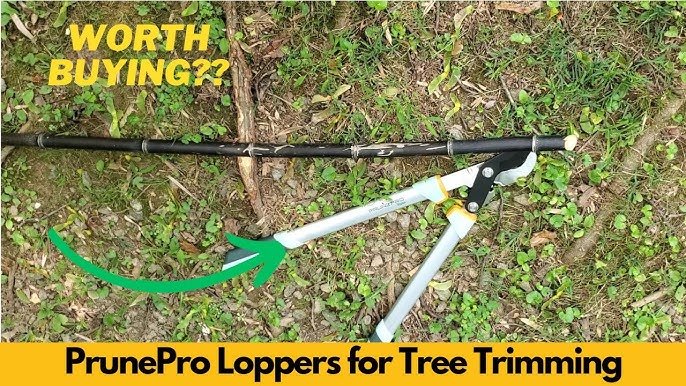
Are you struggling to cut thick branches in your garden? Using the right tool can make all the difference, and loppers are perfect for the job.
But how do you use them effectively without damaging your plants or tiring yourself out? You’ll learn simple, practical steps to cut thick branches cleanly and safely. By the end, you’ll feel confident handling those tough cuts and keeping your garden looking its best.
Keep reading to master the skill that will save you time and effort!

Credit: www.amazon.ca
Choosing The Right Loppers
Cutting thick branches requires strong and reliable loppers. Picking the right tool helps you work safely and easily.
Different loppers suit different jobs. Knowing what to look for saves time and effort.
Bypass Vs Anvil Loppers
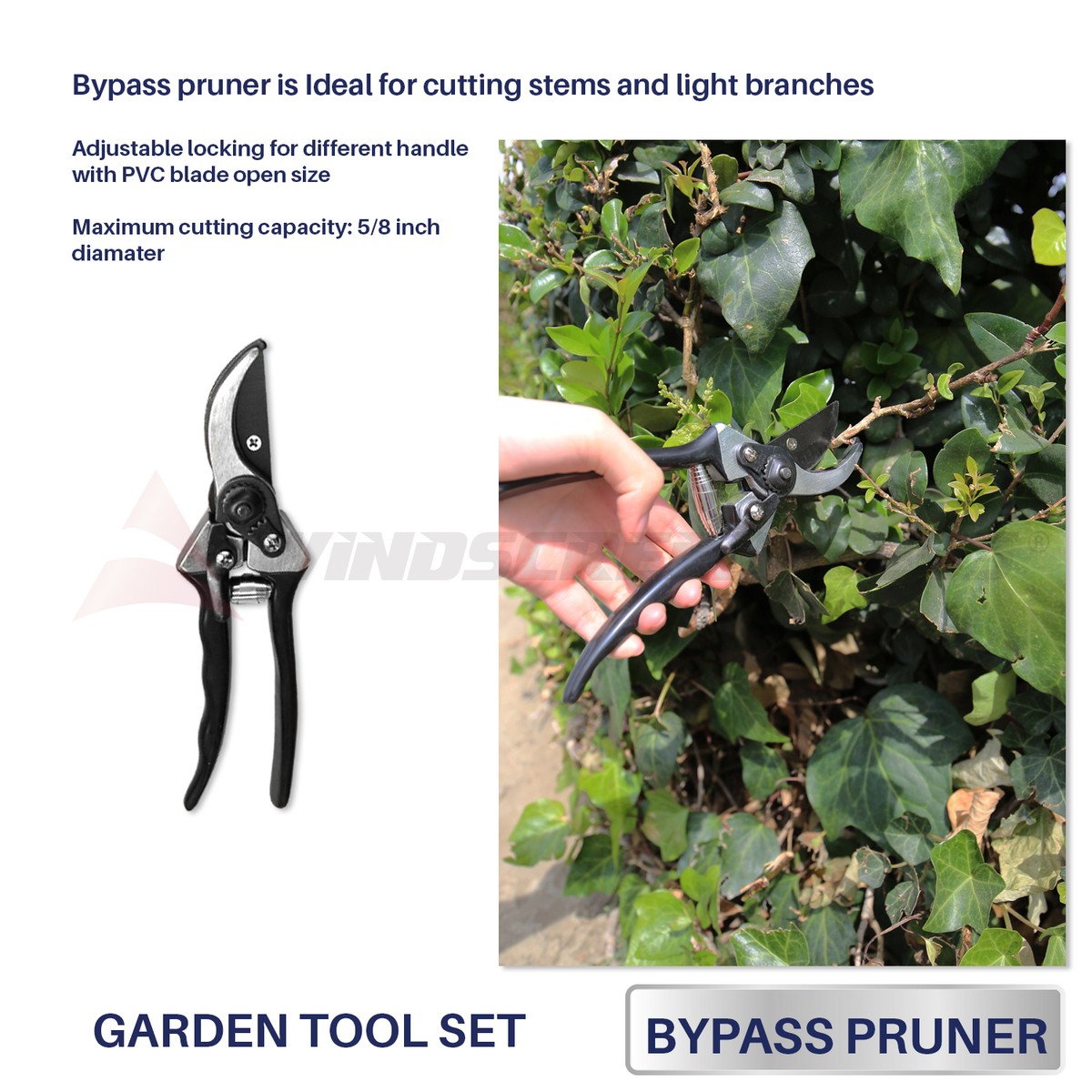
Bypass loppers have two blades that pass each other. They make clean cuts on live branches.
Anvil loppers have one sharp blade that closes on a flat surface. They cut dead or dry wood well.
- Bypass loppers are best for green, healthy branches.
- Anvil loppers work better for tough, dry branches.
- Bypass cuts are cleaner and heal faster on plants.
- Anvil cuts can crush soft branches if not sharp.
Handle Length And Grip
Long handles give more power to cut thick branches. They also help you reach higher branches safely.
Short handles are easier to control but need more effort for thick wood. Choose the handle length that fits your strength.
- Long handles increase cutting force.
- Short handles offer better control and precision.
- Look for handles with comfortable grips to reduce hand strain.
- Non-slip grips improve safety when working outside.
Blade Material And Sharpness
Strong blades make cutting easier and last longer. Steel is a common material for lopper blades.
Keep blades sharp to cut cleanly without crushing branches. Dull blades need more force and can damage plants.
- High-carbon steel blades hold sharp edges longer.
- Stainless steel blades resist rust and need less maintenance.
- Regular sharpening keeps blades effective.
- Clean blades prevent disease spread between plants.
Credit: soilssolutions.com
Preparing For The Cut
Cutting thick branches with loppers needs careful preparation. You must get ready to work safely and efficiently.
This section covers essential steps before you start cutting. Follow these tips to avoid accidents and make your task easier.
Safety Gear Essentials
Wearing the right safety gear protects you from injuries. Always prepare yourself with proper equipment before cutting.
- Wear sturdy gloves to protect your hands.
- Use safety goggles to shield your eyes from flying debris.
- Wear long sleeves and pants to protect your skin.
- Use closed-toe shoes or boots for foot safety.
- Consider a hard hat if branches are overhead.
Assessing Branch Size And Position
Check the branch thickness and where it grows. This helps you decide if loppers are the right tool.
| Branch Size | Cutting Method |
|---|---|
| Less than 1 inch | Use hand pruners or garden shears |
| 1 to 2 inches | Loppers are suitable for most cuts |
| Over 2 inches | Use a saw or chainsaw for safe cutting |
Look at the branch angle and position. Avoid branches that are hard to reach or above your head.
Clearing The Work Area
Remove any objects near your cutting area. This prevents trips and allows you to move freely.
- Clear fallen leaves and sticks from the ground.
- Move tools and equipment out of the way.
- Make sure no pets or children are nearby.
- Plan your escape path if the branch falls unexpectedly.
Cutting Techniques For Thick Branches
Cutting thick branches with loppers needs the right method. Using the correct technique keeps your work safe and effective.
Learn how to hold the loppers, use your body weight, and make clean cuts for the best results.
Proper Hand Positioning
Hold the loppers with both hands for control. Place one hand near the blade and the other at the end of the handle. This grip helps you apply more force and keeps the tool steady.
- Grip the handles firmly but not too tight
- Keep your hands away from the cutting blades
- Use your dominant hand closer to the blade for better control
- Keep your wrists straight to avoid strain
Using Body Weight For Power
Use your body weight to help cut thick branches. Stand with your feet shoulder-width apart. Push down on the handles using your upper body strength, not just your arms.
| Position | Purpose |
|---|---|
| Feet shoulder-width apart | Provides balance and stability |
| Use legs and core | Generates more cutting power |
| Keep back straight | Prevents injury |
| Push handles down smoothly | Ensures clean cuts |
Making A Clean Cut
A clean cut helps the tree heal faster. Place the blades at the right spot and cut in one smooth motion. Avoid twisting or crushing the branch.
Tips for a clean cut:
- Cut just outside the branch collar
- Keep blades sharp and clean
- Do not saw back and forth
- Use steady, even pressure
Dealing With Stubborn Or Large Branches
Cutting thick branches can be tough. Loppers help, but big branches need special care.
Use smart methods to avoid damage and make cutting easier. This guide covers key tips.
Scoring Method
Start by making a shallow cut on the branch’s underside. This cut is called a score.
The score prevents the bark from tearing when the branch falls. Cut about a third through.
- Place loppers about 10-15 cm from the trunk
- Cut upwards from the branch’s bottom side
- Stop when you reach one-third of the branch’s thickness
Cutting In Sections
Large branches may be too thick for loppers to cut in one go. Cut them in parts.
- Make the first cut a few inches away from the branch base
- Cut from the top down until the branch starts to fall
- Make the final cut at the branch collar to avoid tree damage
When To Use A Saw Instead
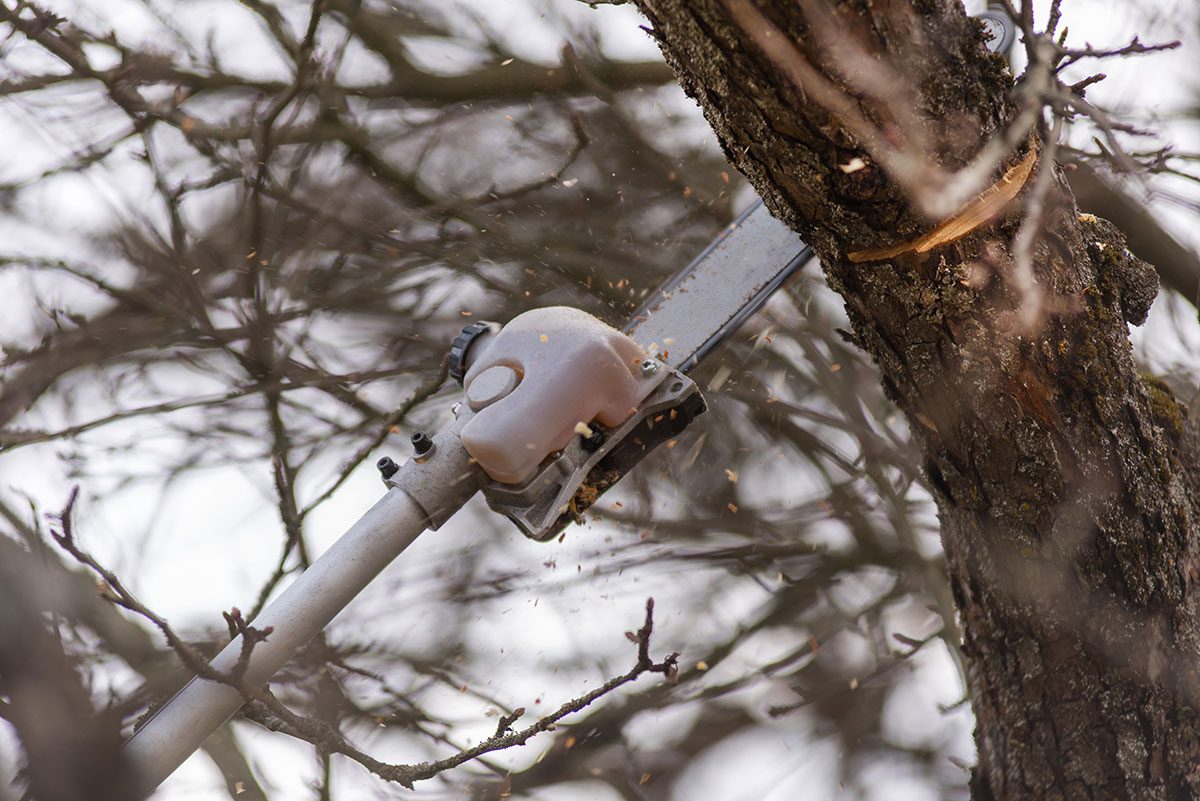
Loppers are not always enough. Use a saw for very thick or hard branches.
| Branch Size | Recommended Tool | Reason |
|---|---|---|
| Up to 2 inches (5 cm) | Loppers | Easy to cut with hand tools |
| 2 to 4 inches (5-10 cm) | Pruning Saw | Better control and power |
| More than 4 inches (10 cm) | Bow Saw or Chainsaw | Needed for thick, tough wood |
Maintaining Your Loppers
Keeping your loppers in good shape helps you cut thick branches easily. Regular care makes them last longer and work better.
Simple maintenance tasks like cleaning, sharpening, and storing your loppers properly keep them ready for tough jobs.
Cleaning And Lubricating
After each use, clean the blades to remove dirt and sap. This stops rust and keeps the blades sharp.
Use a damp cloth or brush to clean the blades. Dry them well before applying oil to stop rust.
- Wipe blades with a clean cloth
- Use mild soap and water for sticky sap
- Dry blades completely
- Apply light machine oil or WD-40
- Lubricate pivot points for smooth cutting
Sharpening Blades
Dull blades make cutting thick branches harder. Sharpen blades regularly to keep cuts clean and easy.
Use a sharpening stone or file. Hold the blade at the same angle and make smooth strokes along the edge.
- Secure loppers in a clamp or hold steady
- Sharpen only the beveled edge
- Use consistent angle (about 20-30 degrees)
- Remove burrs by lightly filing opposite side
- Test sharpness by cutting a small branch
Storing For Longevity
Store your loppers in a dry place. Avoid moisture to prevent rust and blade damage.
Keep blades closed and locked if possible. Hang or place them where they won’t get damaged.
- Clean and dry before storage
- Apply a thin oil layer on blades
- Store indoors or in a shed
- Hang on wall hooks or keep in a toolbox
- Check blades regularly for rust or damage
Credit: www.familyhandyman.com
Common Mistakes To Avoid
Cutting thick branches with loppers needs care and proper technique. Many people make errors that can cause injury or damage the tools.
Knowing what to avoid helps you work safely and get the best results from your loppers.
Forcing The Cut
Forcing the cut can break the loppers or hurt your hands. Thick branches need steady pressure, not sudden force.
- Do not push too hard if the blade does not cut smoothly.
- Try cutting smaller sections if the branch is very thick.
- Use a saw for branches thicker than your loppers can handle.
- Keep your blades sharp to make cutting easier.
Ignoring Safety Precautions
Safety is important when using loppers. Ignoring safety rules leads to accidents.
| Safety Precaution | Reason to Follow |
| Wear gloves | Protects hands from cuts and splinters |
| Use eye protection | Prevents injury from flying debris |
| Check surroundings | Avoid hitting people or objects |
| Keep a firm grip | Reduces chance of slipping |
Neglecting Tool Maintenance
Ignoring lopper care makes cutting harder and shortens tool life. Regular maintenance keeps them sharp and safe.
- Clean blades after each use to remove sap and dirt.
- Oil the pivot and blades to prevent rust.
- Sharpen blades regularly for clean cuts.
- Tighten loose screws and bolts.
- Store loppers in a dry place.
Frequently Asked Questions
What Size Branches Can Loppers Cut Effectively?
Loppers can cut branches up to 2 inches thick. For thicker branches, use a saw or chainsaw to avoid damaging the tool. Always check the lopper’s capacity before starting your pruning task.
How Do I Use Loppers To Cut Thick Branches Safely?
Wear gloves and eye protection. Position the lopper blades around the branch. Apply steady pressure using both hands. Cut slowly to avoid sudden breaks or slips. Follow proper pruning techniques to protect the tree and yourself.
Can Loppers Replace Saws For Thick Branch Cutting?
Loppers are best for branches up to 2 inches thick. For thicker or hard-to-reach branches, saws are more effective. Combining both tools ensures clean cuts and healthier plants.
How To Maintain Loppers For Cutting Thick Branches?
Clean blades after each use to prevent rust. Sharpen blades regularly for smooth cuts. Lubricate pivot points to keep movement smooth. Proper maintenance extends tool life and improves cutting performance.
Conclusion
Cutting thick branches with loppers is simple with the right approach. Remember to choose the correct loppers for branch size. Keep your tools sharp for clean cuts. Always prioritize safety; wear gloves and goggles. Position your loppers accurately for the best results.
Regular practice improves your technique. Enjoy the satisfaction of a well-maintained garden. With patience, your lopper skills will grow. Happy pruning!
