
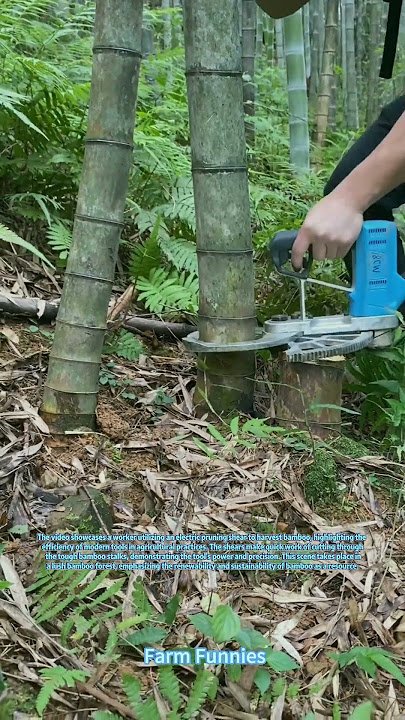
Are you struggling to manage your bamboo plants and wondering if pruning shears are up to the task? Bamboo is known for its fast growth and tough stems, making it tricky to trim.
You might be asking yourself, “Can pruning shears really cut through bamboo cleanly and easily? ” The answer could save you time, effort, and frustration in your garden. Keep reading to discover how to choose the right tools, whether pruning shears will work, and tips to make your bamboo trimming a breeze.
Your garden will thank you!
Credit: www.gardeningknowhow.com
Types Of Pruning Shears
Pruning shears come in different types for cutting plants. Each type works best for certain tasks. Knowing the types helps you pick the right tool.
Bamboo is tough and can be hard to cut. The right pruning shear can make the job easier and cleaner. Let’s look at common types of pruning shears.
Bypass Shears
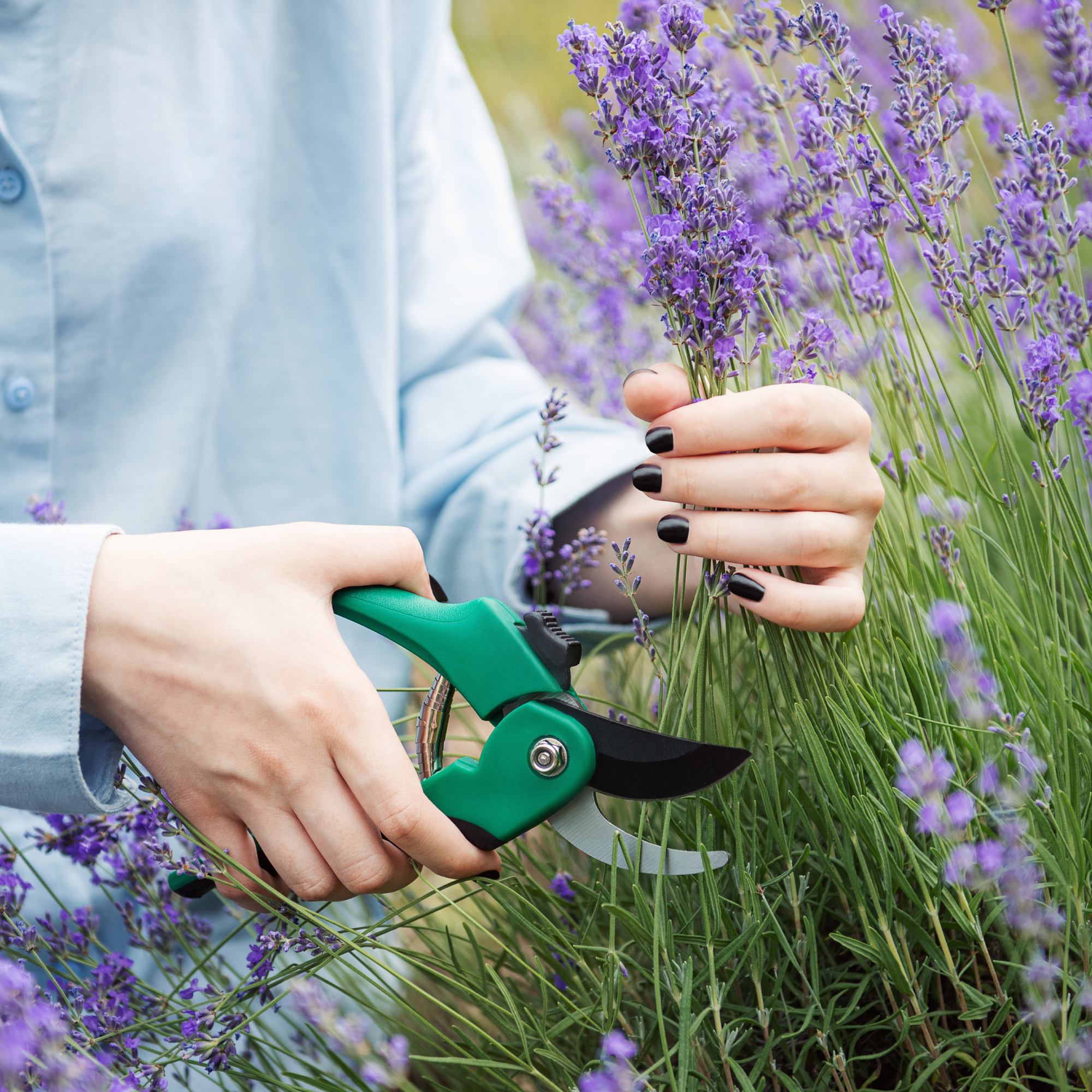
Bypass shears have two curved blades that pass by each other like scissors. They make clean cuts on live plants.
- Good for cutting fresh bamboo stems
- Leaves less damage to plants
- Works well on thin to medium branches
Anvil Shears
Anvil shears have one sharp blade that closes onto a flat surface. They crush the plant as they cut.
| Pros | Cons |
| Good for dry or dead bamboo | Can damage live bamboo stems |
| Strong cutting force | Less precise cuts |
| Easy to use for tough stems | May crush plant tissue |
Ratchet Shears
Ratchet shears use a gear system to increase cutting power. They cut through thick stems with less effort.
Advantages of Ratchet Shears:
- Good for thick bamboo stalks
- Requires less hand strength
- Can make clean and precise cuts
Characteristics Of Bamboo
Bamboo is a unique plant known for its strength and fast growth. Its physical traits affect how tools like pruning shears work on it.
Understanding bamboo’s characteristics helps in choosing the right cutting tools. This includes looking at its toughness, growth, and stem structure.
Bamboo’s Toughness
Bamboo is one of the toughest grasses in the world. Its fibers are dense and strong, giving it a hard surface.
- The outer layer is very hard and resistant to damage.
- Its toughness varies between species and age.
- Older bamboo is usually harder than young shoots.
- This toughness can make cutting with simple tools difficult.
Growth Patterns
Bamboo grows quickly and in tall clusters. It spreads through underground roots called rhizomes.
| Growth Feature | Description |
| Speed | Can grow up to 3 feet per day |
| Height | Ranges from a few feet to over 100 feet |
| Spread | Rhizomes create dense groves |
| Regrowth | New shoots appear quickly after cutting |
Stem Structure
Bamboo stems, called culms, are hollow and segmented. They have joints called nodes that add strength.
- Nodes:Solid joints that stop cracks from spreading.
- Internodes:Hollow sections between nodes.
- Wall thickness:Varies by species, affects cutting ease.
Suitability Of Pruning Shears For Bamboo
Pruning shears are common garden tools used to cut plants. They work well for many plants with thin to medium stems.
Bamboo has strong, tough stalks. Using pruning shears on bamboo needs care and the right type of shears.
Blade Strength And Sharpness
The blade must be very sharp to cut bamboo cleanly. Dull blades can crush the stalk instead of cutting it.
Strong blades made from hardened steel last longer and cut better. Sharpness helps make smooth cuts without damage.
- Sharp blades reduce effort needed
- Strong steel blades resist bending
- Dull blades can harm the bamboo stalk
Shear Size And Handle Design
Pruning shears come in many sizes. Larger shears can cut thicker bamboo stalks more easily.
Handle design affects grip and power. Comfortable, ergonomic handles let you cut with less hand strain.
- Long handles give more leverage
- Non-slip grips improve control
- Compact shears work well on thin bamboo
Limitations With Thick Stalks
Pruning shears have limits on the thickness they can cut. Thick bamboo stalks may be too tough.
For very thick bamboo, use tools designed for heavy cutting. Pruning shears may bend or break on thick stalks.
- Shears work best on bamboo under 1 inch thick
- Thicker stalks need loppers or saws
- Cutting thick bamboo with shears can damage the tool

Credit: www.wikihow.com
Alternative Tools For Cutting Bamboo
Pruning shears may struggle to cut thick bamboo stalks. It is useful to know other tools that work better. These tools can make cutting bamboo easier and safer.
This guide covers three alternative tools: loppers, pruning saws, and machetes. Each tool fits different bamboo sizes and cutting needs.
Loppers
Loppers have long handles and strong blades. They give more leverage to cut thicker bamboo than pruning shears. Loppers are good for medium-sized bamboo stalks.
- Use loppers for bamboo up to 1 inch thick.
- Make sure blades are sharp for clean cuts.
- Keep both hands on handles to control the cut.
Pruning Saws
Pruning saws work well for thick bamboo stalks that are too large for loppers. They have sharp teeth that cut through tough fibers. Use a back-and-forth motion for best results.
| Tool | Best For | Cutting Technique |
| Pruning Saw | Bamboo thicker than 1 inch | Back-and-forth sawing |
| Loppers | Bamboo up to 1 inch thick | Lever cutting |
| Machete | Thin bamboo and small branches | Chopping or slicing |
Machetes
Machetes are sharp, heavy blades used to chop bamboo quickly. They work best on thin bamboo stalks and smaller branches. Machetes require care and skill to avoid injury.
Tips for using a machete safely:
- Wear gloves and eye protection.
- Cut away from your body.
- Use controlled, steady swings.
- Keep the blade sharp for easier cutting.
Tips For Clean Cuts On Bamboo
Cutting bamboo cleanly helps keep the plant healthy. Using the right tools and methods makes the job easier.
These tips cover how to maintain your pruning shears, the best cutting angle, and the right time to cut bamboo.
Proper Shear Maintenance
Sharp and well-maintained shears give better cuts. Dull blades can crush bamboo instead of cutting cleanly.
- Clean shears after each use to remove sap and dirt.
- Lubricate the blades regularly to keep them moving smoothly.
- Sharpen blades with a sharpening stone or file when they become dull.
- Check for loose screws and tighten them to keep blades aligned.
Correct Cutting Angle
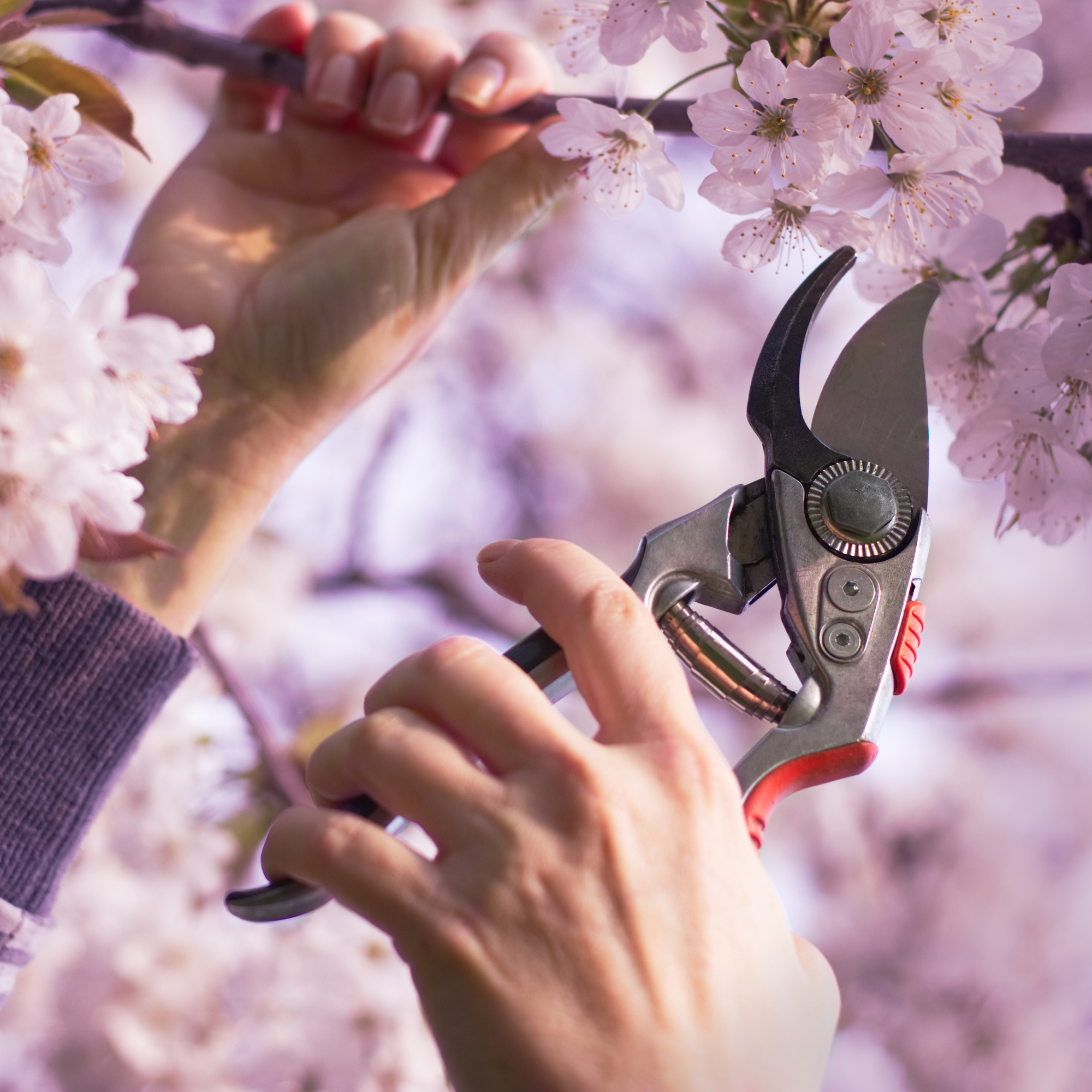
Cutting bamboo at the right angle helps prevent damage and promotes quick healing.
| Cutting Angle | Purpose |
| 45 degrees | Allows water to run off the cut surface |
| 90 degrees | Good for thick bamboo stalks for a straight cut |
| Slant cut | Prevents water from pooling and causing rot |
Cutting At The Right Time
Choosing the best time to cut bamboo can reduce stress on the plant and keep it healthy.
- Cut in late winter or early spring before new shoots appear.
- Avoid cutting during the rainy season to prevent fungal infections.
- Do not cut during the hottest part of the day to reduce sap loss.
Credit: www.gardeningknowhow.com
Safety Precautions
Using pruning shears to cut bamboo can be risky without proper safety measures. You must protect yourself and handle tools carefully to avoid injuries.
Follow these safety tips to keep your cutting experience safe and effective.
Protective Gear
Wearing the right protective gear helps prevent accidents and injuries. Always cover your hands and eyes when cutting bamboo.
- Wear thick gloves to protect your hands from cuts and splinters.
- Use safety goggles to shield your eyes from flying debris.
- Consider wearing long sleeves and pants to protect your skin.
Handling Sharp Tools
Pruning shears have sharp blades that can cause serious injuries if mishandled. Always keep your focus while using them.
| Tool Handling Tips | Reason |
| Keep blades sharp and clean | Make cutting easier and safer |
| Hold shears firmly | Prevent slipping during cuts |
| Store shears safely after use | Avoid accidental cuts |
| Never point blades toward yourself | Reduce risk of injury |
Safe Cutting Techniques
Use proper cutting techniques to reduce strain and prevent accidents while cutting bamboo.
- Inspect the bamboo for thickness and firmness before cutting.
- Cut bamboo at a comfortable height to avoid bending or stretching.
- Use smooth, steady motions to avoid sudden slips.
- Cut small sections instead of large pieces at once.
- Keep your non-cutting hand clear of the blade path.
Frequently Asked Questions
Can Pruning Shears Effectively Cut Bamboo Stalks?
Pruning shears can cut young, thin bamboo stalks effectively. However, they struggle with thick or mature bamboo. For tougher stalks, use a saw or heavy-duty loppers for cleaner cuts and less effort.
What Type Of Pruning Shears Work Best On Bamboo?
Bypass pruning shears with sharp, strong blades work best for bamboo. They make clean cuts that promote healthy regrowth. Avoid dull or anvil types, as they may crush bamboo fibers.
How Often Should Bamboo Be Pruned With Shears?
Prune bamboo annually or when stalks become dense. Regular pruning controls growth and maintains plant health. Use shears to remove dead or weak shoots for best results.
Are Pruning Shears Safe For Cutting Bamboo?
Yes, pruning shears are safe for bamboo if used properly. Always wear gloves and cut slowly to avoid injury. Ensure blades are sharp to prevent slipping or tearing.
Conclusion
Pruning shears can handle small bamboo stems. They work best for thin shoots. For thicker bamboo, try a saw or specialized tool. It keeps your garden tidy and healthy. Always keep your shears sharp for clean cuts. This prevents plant damage and promotes growth.
Regular maintenance extends your tool’s life. Pruning bamboo can be simple and rewarding. Choose the right tool for the job. Enjoy the beauty of well-maintained bamboo in your garden. Keep exploring ways to improve your gardening skills. Happy gardening!

