
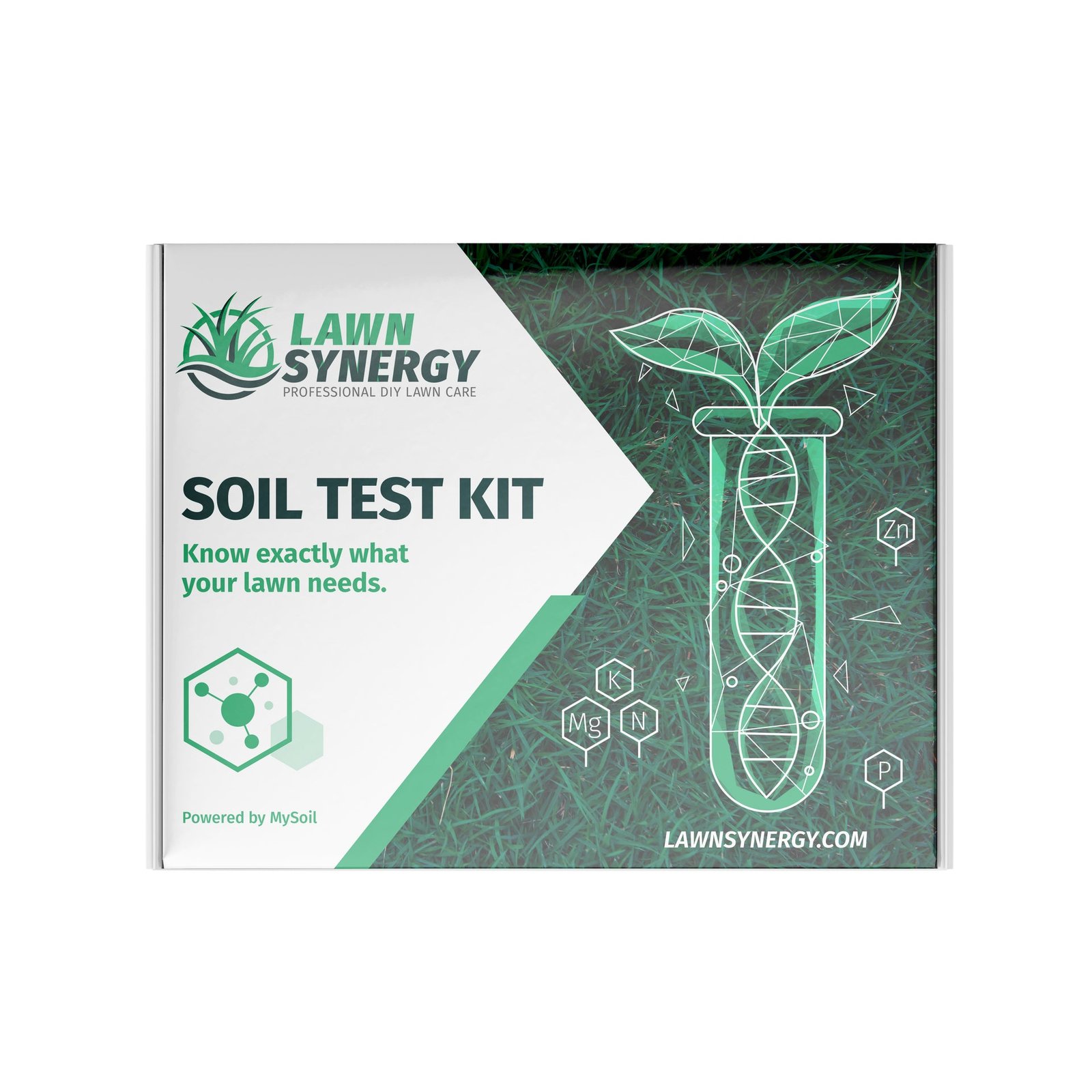
Wondering if you can test your lawn soil yourself? The answer is yes—and it’s easier than you might think.
Knowing what’s in your soil can make a huge difference in how healthy and green your lawn looks. If you’ve ever felt frustrated watching your grass struggle or wasted money on fertilizers that don’t work, this is for you. By testing your soil at home, you take control of your lawn’s health and save time and money.
Keep reading, and you’ll discover simple steps to get accurate results without expensive lab tests. Your lawn will thank you!
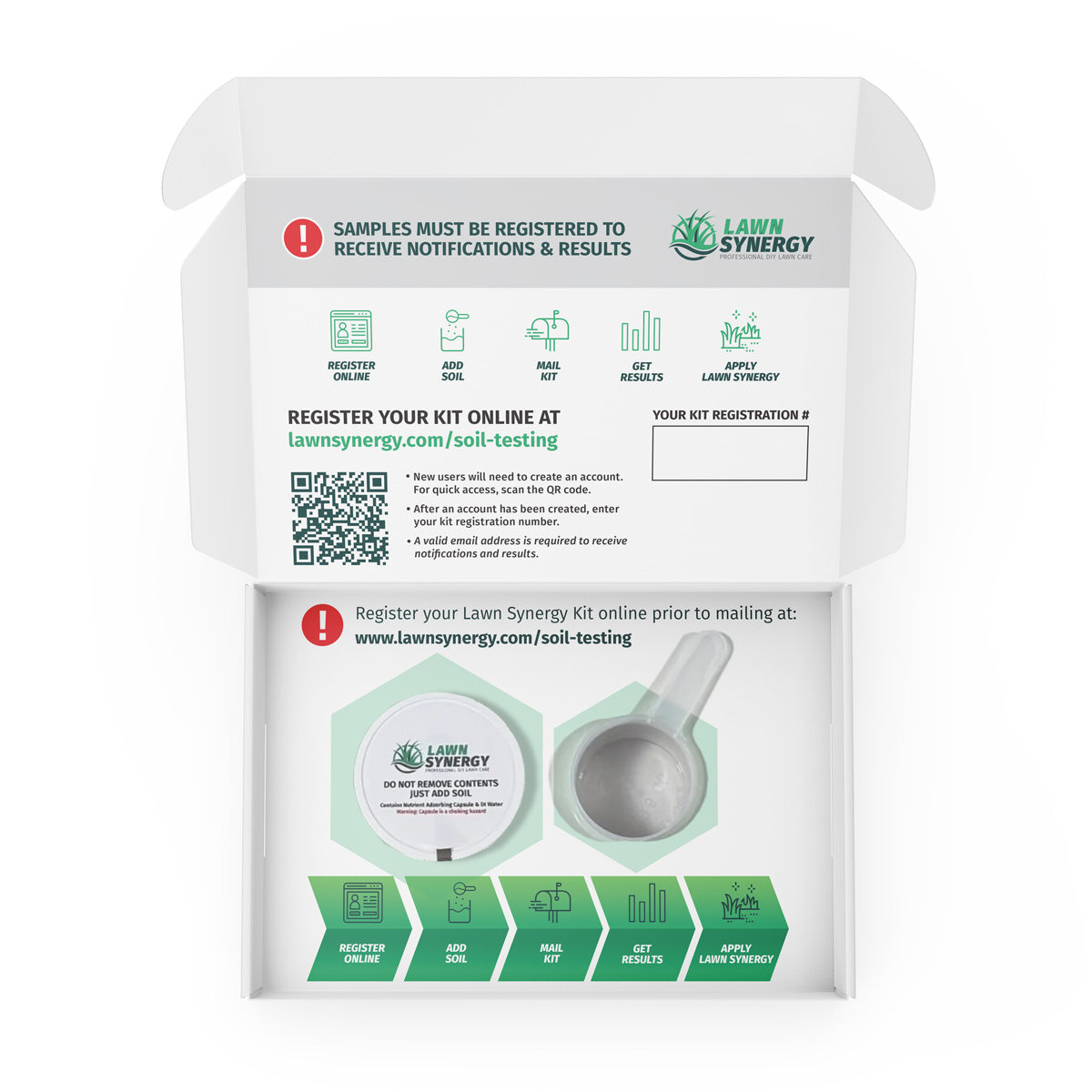
Credit: lawnsynergy.com
Benefits Of Testing Lawn Soil
Testing your lawn soil helps you understand what it needs. You can check nutrients and pH levels by yourself.
Knowing your soil’s condition lets you take better care of your lawn. This saves you effort and resources.
Improving Turf Health
Soil tests show what nutrients your lawn lacks. This helps you add the right fertilizers and amendments.
Balanced soil gives grass the best chance to grow strong and green. It also helps grass resist pests and diseases.
Saving Time And Money
Testing soil prevents guesswork about what your lawn needs. You avoid buying unneeded products.
Using the right products means faster results. This reduces the time spent fixing lawn problems later.
- Buy only needed fertilizers
- Apply treatments correctly
- Reduce lawn maintenance visits
Preventing Lawn Problems
Soil tests can find issues before they harm your lawn. You can fix soil problems early.
Testing helps avoid poor grass growth and patchy spots. It also reduces weed and pest problems.
Tools Needed For Soil Testing
Testing your lawn soil helps you understand its health. You can test soil yourself with some simple tools. This guide explains the tools needed for soil testing.
Using the right tools makes soil testing easier and more accurate. Let’s look at the main tools you need.
Soil Test Kits
Soil test kits are popular for home use. These kits usually include everything to check soil nutrients and pH levels. They are easy to use and provide quick results.
Most kits come with simple instructions and color charts. You collect soil samples, mix them with chemicals, and compare colors to the chart.
- Test for pH, nitrogen, phosphorus, and potassium
- Includes sample containers and testing chemicals
- Easy to find at garden centers or online
Basic Gardening Tools
Basic gardening tools help collect soil samples properly. You need clean tools to avoid mixing soil types or contaminating samples.
- Garden trowel or small shovel to dig soil
- Clean bucket or container to mix samples
- Plastic bags or jars to store soil
- Gloves to keep hands clean
Using these tools ensures you take soil from the right depth and mix samples well. This improves test accuracy.
Optional Lab Testing
For detailed results, you can send soil samples to a lab. Labs use special equipment to test many soil properties.
Lab testing requires careful sample collection and packaging. You will need tools to collect and label samples clearly.
- Use clean tools for sample collection
- Use airtight containers or bags
- Label samples with date and location
- Follow lab instructions for sending samples
Collecting Soil Samples
Testing lawn soil helps you understand its health and nutrient levels. You can collect soil samples yourself with simple tools.
Gathering good samples is key to getting accurate test results. Follow easy steps for the best soil testing experience.
Choosing Sampling Spots
Pick spots that represent your whole lawn. Avoid unusual areas like near trees or flower beds.
- Sample several spots across the lawn
- Include areas that look healthy and some that look weak
- Avoid spots with recent fertilizer or pesticide use
- Stay away from bare patches or garden beds
- Mix samples from each spot for a combined test
Proper Sampling Techniques
Use clean tools like a trowel or soil probe. Dig 4 to 6 inches deep to get the right soil layer.
- Remove grass or debris from the surface
- Dig straight down to the correct depth
- Take a small soil slice or core
- Place soil in a clean container
- Repeat for all chosen spots
- Mix all samples well before testing
Avoiding Common Mistakes
| Mistake | Why to Avoid | How to Fix |
|---|---|---|
| Sampling only one spot | May not represent entire lawn | Collect multiple samples |
| Taking surface soil only | Misses root zone nutrients | Sample 4-6 inches deep |
| Using dirty tools | Can contaminate samples | Clean tools before use |
| Including fertilizer or compost | Alters test results | Avoid sampling near fresh amendments |
Performing Soil Tests At Home
Testing your lawn soil at home helps you know what it needs. You can check soil health yourself without special tools.
Simple tests give good information about soil pH, nutrients, and texture. This helps you care for your grass better.
Testing Soil Ph
Soil pH shows how acidic or alkaline your soil is. Most lawns grow best with a pH between 6 and 7.
You can buy a pH test kit from garden stores. Take soil samples from different spots in your lawn.
- Remove grass and debris from the sample area
- Dig 4-6 inches deep to collect soil
- Mix soil with water as the kit instructs
- Use test strips or drops to check pH
Checking Nutrient Levels
Soil nutrients like nitrogen, phosphorus, and potassium affect lawn growth. Testing shows if your soil lacks any.
Home test kits can measure these nutrients. Follow directions to mix soil and test solution correctly.
- Collect soil from several places in your lawn
- Dry the soil before testing
- Use test tubes or strips to detect nutrient levels
- Compare results to kit charts to see nutrient amounts
Assessing Soil Texture
Soil texture means the amount of sand, silt, and clay in your soil. It affects water and air flow.
You can do a simple jar test to find soil texture. This helps you know how to improve soil drainage.
- Fill a clear jar half full with soil
- Add water until jar is nearly full
- Shake the jar well and let it sit for 24 hours
- Look at soil layers: sand settles first, then silt, then clay
- Compare layer thickness to estimate soil type
Interpreting Soil Test Results
Testing your lawn soil gives you clues about its health. Reading the results helps you choose the right care.
Soil tests show pH levels, nutrient amounts, and possible problems. Understanding these results lets you fix your lawn’s soil.
Understanding Ph Values
Soil pH measures how acidic or alkaline your soil is. It affects how well plants absorb nutrients.
- A pH below 7 means acidic soil.
- A pH of 7 means neutral soil.
- A pH above 7 means alkaline soil.
Most lawn grasses grow best in soil with pH between 6.0 and 7.0. Too low or too high pH can harm grass growth.
Identifying Nutrient Deficiencies
Soil tests list key nutrients like nitrogen, phosphorus, and potassium. Low numbers mean your lawn lacks those nutrients.
| Nutrient | Signs of Deficiency |
| Nitrogen | Yellowing leaves, slow growth |
| Phosphorus | Dark green or purple leaves, weak roots |
| Potassium | Brown leaf edges, weak stems |
Adding the right fertilizer can fix these shortages and help your lawn grow strong.
Recognizing Soil Issues
Soil tests can also show problems like poor drainage or compaction. These affect how roots grow and take nutrients.
Common soil problems include:
- Clay soil that holds too much water
- Sandy soil that drains too quickly
- Compacted soil that blocks root growth
Knowing these issues helps you improve soil by adding organic matter or aerating the lawn.

Credit: www.youtube.com
Improving Soil Based On Test Results
Testing your lawn soil helps you understand what it needs. You can improve your soil by following the test results carefully.
Good soil makes your lawn healthy and green. Changing the soil pH, adding fertilizers, and improving soil structure all help.
Adjusting Soil Ph
Soil pH shows how acidic or alkaline your soil is. Most lawns grow best in soil with a pH between 6 and 7.
If the pH is too low, your soil is acidic. Add lime to raise the pH. If the pH is too high, your soil is alkaline. Add sulfur to lower it.
- Test soil pH before adding anything
- Use lime to reduce acidity
- Use sulfur to reduce alkalinity
- Apply materials evenly over the lawn
- Water the lawn after applying amendments
Adding Fertilizers And Amendments
Soil tests show what nutrients your lawn needs. Fertilizers add nutrients like nitrogen, phosphorus, and potassium.
You can also add organic matter like compost to improve soil health. Follow the test results to pick the right fertilizer and amount.
- Use nitrogen for green, leafy growth
- Use phosphorus for strong roots
- Use potassium for overall health
- Add compost to increase nutrients and moisture
- Apply fertilizers at recommended rates
Enhancing Soil Structure
Good soil structure helps roots grow and water drain well. Clay soils need sand or organic matter to improve texture.
Loosen compacted soil by aerating. Add organic materials to improve air flow and water retention.
- Add compost or peat moss for better texture
- Aerate soil to reduce compaction
- Mix sand into heavy clay soils
- Keep soil covered to prevent erosion
- Water properly to avoid soil crusting
Maintaining Healthy Lawn Soil
Testing lawn soil helps keep your grass green and strong. You can check soil health yourself with simple tools.
Good soil care improves water use, supports roots, and fights weeds naturally.
Regular Testing Schedule
Test your lawn soil every year or two. This shows if nutrients or pH levels need fixing.
- Collect soil samples from different lawn areas.
- Use a home test kit or send samples to a lab.
- Record results and adjust care as needed.
Proper Watering And Mowing
Water and mow your lawn the right way to protect soil health. Too much water or short mowing harms soil life.
| Care Practice | Recommendation |
| Watering | Deep, less often (1 inch per week) |
| Mowing Height | Keep grass 2.5 to 3 inches tall |
| Mowing Frequency | Once a week during growing season |
Using Organic Practices
Organic care helps soil stay alive and healthy. Avoid chemicals that kill helpful bugs and microbes.
- Use compost to add nutrients naturally.
- Apply mulch to keep soil moist and cool.
- Plant grass varieties suited for your region.
- Encourage earthworms and beneficial insects.

Credit: www.familyhandyman.com
Frequently Asked Questions
Can I Test Lawn Soil Myself At Home?
Yes, you can test lawn soil yourself using DIY soil test kits. These kits measure pH, nutrients, and texture easily. Follow kit instructions carefully for accurate results. Home testing helps you understand soil needs before fertilizing or planting.
What Tools Do I Need For Lawn Soil Testing?
You need a soil test kit, a clean container, and a garden trowel. Some kits include pH strips and nutrient indicators. Collect soil samples from different lawn areas for best accuracy. These simple tools make testing quick and affordable.
How Accurate Are Diy Lawn Soil Tests?
DIY soil tests provide a good general idea of soil health. They are less precise than professional lab tests but sufficient for basic lawn care. For detailed nutrient analysis, consider sending samples to a certified lab. Home tests still guide effective lawn maintenance.
How Often Should I Test My Lawn Soil?
Test your lawn soil every 2 to 3 years. Frequent testing ensures nutrient balance and pH levels stay optimal. Test more often if you notice poor grass growth or soil issues. Regular checks help maintain a healthy, green lawn.
Conclusion
Testing your lawn soil at home is easy and beneficial. You save time and money by doing it yourself. Understanding soil health helps your lawn thrive. Use simple kits available in stores. Follow instructions carefully for accurate results. Regular testing keeps your lawn in top shape.
Healthy soil supports robust grass growth. So, grab a kit and get started. Your lawn will thank you. Happy gardening!

