
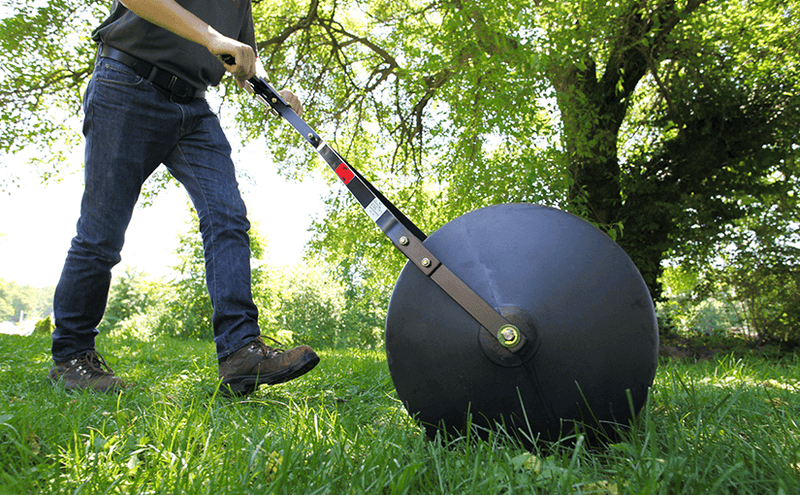
Are you struggling with uneven patches in your yard? A bumpy lawn can make your outdoor space look messy and feel uncomfortable to walk on.
You might be wondering if a lawn roller is the secret tool to fix these problems and give your yard a smooth, level surface. You’ll discover how lawn rollers work, whether they truly help with yard leveling, and what you need to know before using one.
Keep reading to find out if a lawn roller is the right choice for making your lawn look its best.

Credit: www.reddit.com
How Lawn Rollers Work
Lawn rollers help make your yard smooth and even. They press the soil and grass to remove bumps and holes. This tool is useful after seeding or lawn repair.
Using a lawn roller can improve water drainage and help grass grow evenly. Understanding how it works will help you get better results.
Types Of Lawn Rollers
There are different lawn rollers for various yard needs. Each type has a unique design and weight to suit different soil and grass conditions.
- Water-Filled Rollers:These rollers can be filled with water or sand for weight. They are easy to move when empty and heavy when filled.
- Steel Rollers:Made from solid steel, these are very heavy and work best on large lawns or hard soil.
- Plastic Rollers:Lightweight and easy to use, plastic rollers are best for small lawns and light leveling jobs.
- Push or Tow Rollers:Some rollers are designed to be pushed by hand, while others can be towed by a lawn tractor.
Mechanics Behind Yard Leveling
Lawn rollers work by applying pressure evenly across the surface. This pressure pushes down high spots and fills low spots with soil.
| Process | Effect on Yard |
|---|---|
| Rolling over soil | Compresses loose soil for firm ground |
| Pressing grass roots | Helps roots make better contact with soil |
| Leveling bumps | Reduces uneven spots for smooth surface |
| Filling holes | Pushes soil into small depressions |
Benefits Of Using Lawn Rollers
Lawn rollers are tools used to press the soil and grass. They help create an even surface in your yard.
Using a lawn roller can improve the look and health of your lawn. It helps with soil and seed placement.
Improved Soil Compaction
Lawn rollers press the soil down to make it firmer. This compaction stops the soil from being too loose or uneven.
Firm soil holds water better and supports strong grass roots. It also helps prevent soil erosion and reduces air pockets.
Smoother Lawn Surface
Rolling the lawn smooths out bumps and holes. This creates a level surface that is easier to mow and walk on.
- Prevents water pooling in low spots
- Reduces chances of tripping on uneven ground
- Makes the lawn look neat and tidy
- Helps lawn equipment work better
Enhanced Seed-to-soil Contact
Lawn rollers press seeds firmly into the soil. This contact improves seed germination and growth.
| Benefit | Description |
| Better Germination | Seeds get enough soil contact to sprout well |
| Moisture Retention | Soil holds moisture around seeds longer |
| Reduced Seed Loss | Seeds stay in place and do not wash away |
When To Use Lawn Rollers
Lawn rollers help make your yard smooth and even. They press the soil to fix bumps and holes.
You should use a lawn roller at certain times to get the best results. It works well after planting grass or fixing yard problems.
After Seeding Or Sodding
After spreading grass seed or laying sod, use a lawn roller to press them into the soil. This helps the seeds or sod touch the ground well.
Rolling after seeding or sodding improves soil contact and helps grass grow evenly. Be gentle to avoid pushing seeds too deep.
- Press seeds lightly into the soil
- Flatten sod pieces for good contact
- Roll once or twice, not too hard
Post-construction Yard Repair
Construction can leave your yard uneven and full of debris. Use a lawn roller to fix bumps and compact the soil after cleaning.
Rolling helps settle the soil and smooths out rough spots. This makes it easier to plant grass or other plants later on.
- Clear debris before rolling
- Roll to flatten raised areas
- Repeat if soil shifts after rain
Seasonal Yard Maintenance
Season changes can create bumps and holes in your yard. Use a lawn roller in spring or fall to even out the ground.
Rolling during seasonal maintenance keeps your lawn smooth. It helps water soak in evenly and prevents puddles.
- Roll in early spring or fall
- Fix spots damaged by frost or rain
- Do not roll on wet soil to avoid compaction
Potential Drawbacks
Lawn rollers can help flatten your yard, but they have some downsides. You should know the risks before using one.
Some problems come from how the roller affects the soil and the shape of your land. These issues can harm your lawn’s health.
Risk Of Over-compaction
Using a lawn roller too much can squeeze the soil too tightly. This is called over-compaction. It makes it hard for roots to grow.
- Stops air from reaching the soil
- Reduces water absorption
- Limits root growth and plant health
- Can cause poor drainage and puddles
- Increases soil hardness and crusting
Limitations On Uneven Terrain
Lawn rollers work best on flat ground. Uneven terrain can cause problems when rolling.
| Terrain Type | Effect of Lawn Roller |
| Flat | Roller smooths surface evenly |
| Hilly | Roller may not contact all spots |
| Rocky | Roller can damage soil and stones |
| Sloped | Risk of roller slipping or uneven pressure |
Tips For Effective Lawn Rolling
Lawn rollers help smooth your yard and fix uneven spots. Using them the right way improves your lawn’s look and health.
Follow these tips to roll your lawn effectively without causing damage.
Proper Timing And Conditions
Roll your lawn when the soil is moist but not wet. Wet soil can get compacted and damage roots.
- Choose a calm day with no rain forecast.
- Roll after seeding or fertilizing for best results.
- Avoid rolling during drought or very dry soil.
- Early spring or fall are good seasons for rolling.
Best Practices For Rolling
Use a lawn roller that matches your yard size. Move slowly and evenly to avoid creating new bumps.
| Practice | Reason |
| Roll in straight lines | Ensure even pressure across the lawn |
| Do not over-roll | Prevent soil compaction and root damage |
| Roll in different directions | Smooth out all uneven areas |
| Empty roller weight for light lawns | Avoid hurting soft grass |
Safety Precautions
Use caution when handling a lawn roller. It can be heavy and hard to control.
- Wear sturdy shoes to avoid slipping.
- Keep children and pets away while rolling.
- Check for rocks or debris before rolling.
- Do not roll on slopes steeper than 10 degrees.
- Use handles and grips properly to avoid injury.

Credit: www.reddit.com
Alternatives To Lawn Rollers
Lawn rollers help smooth the yard but are not the only way to level it. Other methods can improve soil and grass health.
These alternatives offer different benefits and can work well depending on your yard’s needs.
Topdressing
Topdressing adds a thin layer of soil or compost over your lawn. This helps fill small holes and evens out bumps. It also improves soil quality and drainage.
Aeration
Aeration means making small holes in the soil to let air, water, and nutrients reach grass roots. This reduces soil compaction and helps the lawn grow stronger and more even.
- Use a spike or plug aerator tool
- Aerate in the growing season for best results
- Water lawn after aeration to help soil settle
Grading Techniques
Grading moves soil to create a smooth and level surface. It fixes major slopes and low spots that cause water pooling.
| Grading Method | Purpose | Tools Needed |
| Rough Grading | Shape land and fix big bumps | Shovel, rake, skid-steer |
| Finish Grading | Smooth surface for planting grass | Landscape rake, lawn roller |
| Regrading | Fix drainage problems | Bulldozer, shovel |

Credit: www.reddit.com
Frequently Asked Questions
What Is A Lawn Roller Used For?
A lawn roller is used to flatten and level the yard surface. It helps in smoothing out uneven spots and creating a uniform appearance. This tool is especially useful after seeding or sodding to ensure seeds or sod establish firmly.
Can Lawn Rollers Fix Uneven Lawns?
Lawn rollers can help improve minor unevenness in lawns. They work by compacting the soil and leveling small dips. However, they are not effective for major leveling issues, which may require additional soil or professional services.
Are Lawn Rollers Beneficial For Soil Compaction?
Yes, lawn rollers can aid in soil compaction. They help in pressing down seeds or sod for better contact with the soil. This compaction can be beneficial for establishing new lawns but may hinder root growth if overused.
How Often Should I Use A Lawn Roller?
Using a lawn roller once or twice a year is usually sufficient. Frequent use can lead to soil compaction, which can affect grass growth negatively. It’s best used during the seeding or sodding process to ensure optimal soil contact.
Conclusion
Lawn rollers can help make your yard more even and smooth. They press down bumps and fill small holes. Using them carefully prevents soil damage and keeps grass healthy. Not every lawn needs rolling, so check your yard first. Combine rolling with other yard care for best results.
A level lawn looks better and feels nicer to walk on. Try a lawn roller to see if it suits your yard’s needs. Simple tools can improve your outdoor space step by step.
