

Is your lawn looking messy because you can’t edge it when the ground is wet? You’re not alone.
Wet conditions can make edging tricky and frustrating. But don’t worry—there are simple ways to get clean, sharp edges without damaging your lawn or tools. You’ll discover easy tips and smart techniques that work even when the soil is soggy.
Keep reading to learn how you can maintain a neat, beautiful lawn no matter the weather.
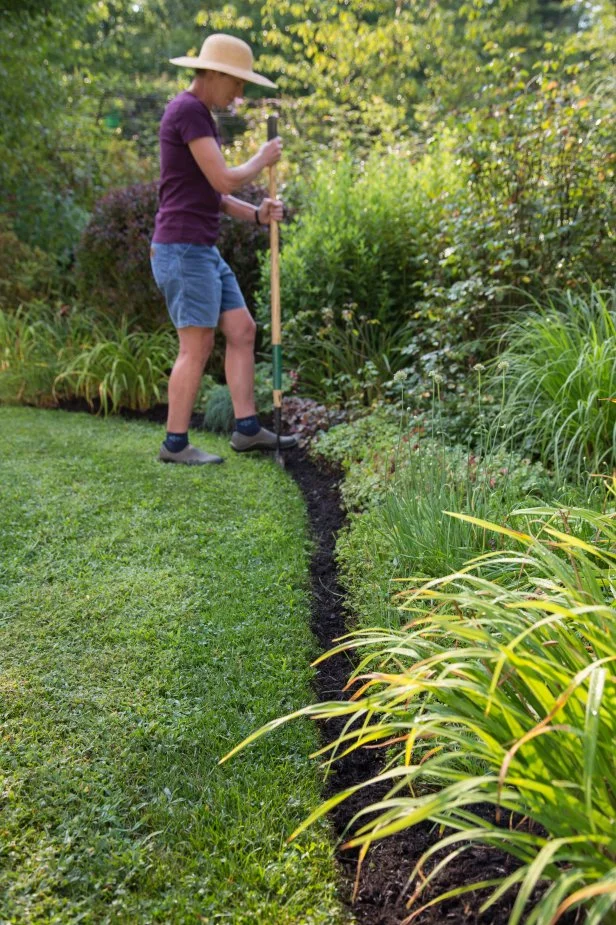
Credit: www.hgtv.com
Challenges Of Edging In Wet Lawn
Edging a lawn in wet conditions can be hard. The ground is soft and slippery. Tools may not work well. These problems make the job slower and risk damage.
Knowing the challenges helps you prepare better. You can protect your lawn and work safely. Below are key issues when edging in wet weather.
Soil Compaction Risks
Wet soil is easy to compact. Heavy tools or foot pressure press the soil down. This blocks air and water from reaching roots. Compacted soil harms grass growth and health.
- Avoid walking too much on wet lawn areas.
- Use lightweight edging tools.
- Work slowly to reduce pressure on soil.
- Let the lawn dry before heavy work.
Tool Efficiency Issues
Wet grass and soil make tools less effective. Blades get clogged with mud. Machines may slip or stall. This makes edging uneven and tiring.
| Tool Type | Common Problem | Tip to Improve |
| Manual Edger | Sticks in mud | Clean blade often |
| Electric Trimmer | Slips on wet grass | Use lower speed |
| Gas Trimmer | Clogs with wet debris | Clear cutting line regularly |
Slippery Surfaces And Safety
Wet lawns are slippery. You can lose balance easily. Falls can cause injury. Safety must be a top priority.
- Wear shoes with good grip.
- Move slowly and carefully.
- Keep tools close to avoid stretching.
- Take breaks to stay alert.
Best Timing For Wet Lawn Edging
Edging a wet lawn needs careful timing. Choosing the right time helps keep edges neat and prevents damage.
Wet soil can be soft and easy to cut, but too much water can cause problems. Knowing when to edge makes a big difference.
Early Morning Vs. Late Afternoon
Early morning is often the best time to edge wet lawns. The soil is moist from dew but not too soft.
Late afternoon can also work if the soil has had time to dry slightly. Avoid times when the ground is too soggy.
- Early morning: soil moist, easy to cut
- Late afternoon: soil firmer after drying
- Avoid midday when soil may be too soft or dry
After Light Rainfall
Light rain softens the soil enough to edge easily. Wait about an hour after rain stops before edging.
This short wait lets water soak in and prevents soil from sticking to tools or clumping.
- Soft soil cuts easily
- Tools stay cleaner
- Less chance of damaging grass roots
Avoiding Heavy Downpours
Heavy rain makes the soil too wet and muddy. Edging right after a downpour can harm the lawn.
Wait at least a day after heavy rain for the soil to firm up. This keeps edges sharp and soil stable.
- Soil too soft causes ruts
- Grass can be uprooted easily
- Edges may become uneven and messy
Essential Tools For Wet Lawn Edging
Edging a lawn in wet conditions can be tricky. The right tools make the job easier and cleaner.
Wet soil is softer but can be slippery. Choosing and maintaining tools carefully helps you work safely.
Choosing The Right Edger
Pick an edger that suits wet soil. Look for sharp blades that cut cleanly through soft ground.
Heavy tools may sink into wet soil. Choose ones with good grip and balance to avoid slipping.
- Blade sharpness is important for clean cuts.
- Lightweight tools help prevent sinking.
- Long handles keep you steady and reduce bending.
Using Hand Tools Vs. Power Tools
Hand tools work well in wet lawns. They give more control and reduce damage to soft soil.
Power tools cut faster but can slip on wet grass. Use them carefully to avoid accidents.
- Hand tools: manual edgers, spades, and pruning shears.
- Power tools: electric or gas edgers with sharp blades.
- Hand tools require more effort but cause less soil disturbance.
- Power tools save time but need steady handling on wet ground.
Maintaining Tools In Wet Conditions
Wet conditions can cause rust and dirt buildup on tools. Clean tools after each use.
Dry tools completely before storing. Oil metal parts to prevent rust and keep blades sharp.
- Remove mud and grass from blades and handles.
- Use a dry cloth to wipe tools after cleaning.
- Apply light oil to metal parts to stop rust.
- Store tools in a dry, sheltered place.
Techniques For Clean Edges On Wet Grass
Edging a lawn in wet conditions can be tricky. Wet grass tends to stick to tools and mud can clog the edges. Using the right techniques helps you get clean, sharp lawn edges despite the moisture.
This guide covers proper cutting angles, how to manage mud and grass clumps, and a step-by-step edging process. Follow these tips to keep your lawn looking neat after rain or watering.
Proper Cutting Angles
Cutting at the right angle helps reduce damage to the grass and soil. Use a sharp edging tool and hold it at a 45-degree angle. This angle allows you to slice through wet grass cleanly without pulling up roots.
- Keep the tool blade sharp for smooth cuts
- Hold the blade angled inward toward the lawn
- Apply steady, even pressure to avoid tearing
- Make shallow cuts to prevent soil disturbance
Managing Mud And Grass Clumps
Wet soil and grass can stick to your edging tool and make the process messy. Clean the blade often to avoid buildup. Use a small brush or cloth to wipe off mud and clumps during the job.
| Tip | Why It Helps |
| Wipe blade after every few feet | Prevents clogging and uneven edges |
| Use water to rinse mud | Keeps blade clean for sharper cuts |
| Clear grass clumps promptly | Stops buildup that pulls grass up |
Step-by-step Edging Process
- Start by trimming tall grass along the edge with shears.
- Position your edging tool at a 45-degree angle to the soil.
- Push the blade down slowly to cut into the soil and grass roots.
- Move the tool forward in short, steady strokes to create a clean line.
- Stop frequently to clean mud and grass from the blade.
- After finishing, remove loose clumps by hand or rake.
- Water the edge lightly to help grass recover.
Preventing Lawn Damage During Wet Edging
Edging your lawn in wet conditions can be tricky. The wet soil is soft and easy to damage.
Taking care during wet edging helps keep your lawn healthy and looking good.
Minimizing Soil Disturbance
Wet soil is fragile and can become compacted or muddy. Avoid digging too deep or disturbing large areas.
Use sharp tools and work slowly to keep the soil structure intact.
- Use a spade or edging tool with a sharp edge
- Cut shallow lines instead of deep trenches
- Work in small sections to control soil movement
- Step lightly to avoid soil compaction
Protecting Grass Roots
Grass roots are delicate in wet soil. Avoid pulling or tearing the grass while edging.
Keep the grass blades and roots intact to help the lawn recover fast.
- Edge gently along the grass line
- Use hand tools for more control
- Do not pull or lift grass clumps
- Water the lawn before edging to soften roots
Repairing Minor Damage
Small damaged areas can heal quickly with proper care. Fix damage soon after edging.
Fill holes and smooth soil to help grass grow back evenly.
- Fill damaged spots with topsoil or compost
- Press soil gently to remove air pockets
- Reseed bare patches with grass seed
- Water the repaired area regularly
Credit: www.thelawnforum.com
Aftercare Tips For Edged Wet Lawns
Edging your lawn in wet conditions needs extra care. The soil and grass can get damaged easily.
Proper aftercare helps your lawn recover and stay healthy after edging in wet weather.
Cleaning And Drying Tools
Cleaning and drying your tools stops rust and damage. Wet tools can harm your lawn too.
- Rinse soil and grass off blades and edges
- Use a dry cloth to wipe tools clean
- Let tools air dry in a shaded area
- Apply oil to metal parts to prevent rust
Applying Lawn Treatments
After edging wet lawns, apply treatments to help grass grow and fight diseases.
| Treatment | Purpose | When to Apply |
| Fertilizer | Boosts growth | Once soil is less wet |
| Fungicide | Prevents fungal infections | After signs of moisture fade |
| Grass Seed | Repairs bare spots | Once soil is firm |
Monitoring Lawn Recovery
Keep an eye on your lawn to catch problems early. Wet conditions can hide damage.
- Check for muddy patches or soil compaction
- Look for yellow or brown grass spots
- Water only if the soil feels dry
- Use a rake gently to aerate compacted soil
- Repeat treatments if damage appears
Credit: www.landscapingnetwork.com
Frequently Asked Questions
How Do You Edge A Lawn In Wet Conditions?
To edge a lawn in wet conditions, use a sharp, sturdy edging tool. Work slowly to avoid damaging soft soil. Clear excess mud from the blade often. Choose a day with light rain or after heavy rain to minimize soil compaction.
What Tools Work Best For Edging Wet Lawns?
A manual half-moon edger or a sharp spade works best in wet lawns. Avoid electric edgers, as wet soil can clog them. Keep tools clean and sharp for smooth cuts in wet grass and soil.
Can Edging Wet Soil Damage My Lawn?
Yes, edging wet soil can damage your lawn if done improperly. Wet soil is softer and prone to compaction and tearing. Use gentle pressure and sharp tools. Avoid heavy machinery or excessive force to protect roots and soil structure.
When Is The Best Time To Edge A Wet Lawn?
The best time to edge a wet lawn is shortly after rainfall when the soil is moist but not saturated. Avoid edging during heavy rain or when soil is waterlogged to prevent damage and uneven edges.
Conclusion
Edging your lawn in wet conditions can be tricky. Follow the right steps. Use the right tools. Pay attention to safety. Wet grass can be slippery. Wear sturdy shoes. Choose a dry day if possible. Check weather forecasts. Maintain your tools.
Clean them after use. Sharp tools work best. Practice patience and precision. The result? A neat, beautiful lawn. Remember, take your time. Enjoy the process. A well-edged lawn enhances your garden’s appearance. Happy gardening!
