

Are you struggling to keep your lawn green and healthy no matter what you do? The secret to a thriving lawn starts beneath your feet—in the soil.
Understanding what’s really in your soil can make all the difference between a patchy yard and a lush, vibrant lawn that neighbors envy. By testing your soil, you unlock the key to giving your grass exactly what it needs to grow strong and beautiful.
Keep reading to discover why soil testing is a simple step that can transform your lawn care routine and save you time and money.
Benefits Of Soil Testing
Soil testing helps you understand what your lawn needs. It shows the soil’s nutrient levels and pH balance.
Knowing the soil’s condition helps you take better care of your lawn. This leads to a greener and healthier lawn.
Improved Nutrient Management
Soil testing tells you which nutrients your lawn lacks. You can add the right fertilizers to fix these problems.
Adding the correct nutrients helps plants grow strong. It stops over-fertilizing, which can harm the lawn.
- Identifies nutrient deficiencies
- Prevents excess fertilizer use
- Supports balanced soil nutrition
Enhanced Lawn Health
Healthy soil supports healthy grass. Soil testing helps keep the soil in good shape for growth.
When the soil has the right nutrients and pH, grass grows thicker and greener. It also resists pests better.
- Promotes strong root growth
- Improves grass color and thickness
- Increases resistance to diseases
Cost-effective Lawn Care
Soil testing saves money by guiding fertilizer use. You only buy what your lawn truly needs.
This avoids waste and reduces extra lawn treatments. It helps you keep your lawn care budget low.
- Reduces unnecessary fertilizer purchases
- Limits expensive lawn repair costs
- Improves long-term lawn maintenance
Key Soil Nutrients For Lawns
Soil testing helps find the nutrients your lawn needs. Healthy soil gives grass the right food to grow strong.
Three main nutrients keep lawns green and healthy. These are nitrogen, phosphorus, and potassium.
Nitrogen’s Role
Nitrogen helps grass grow fast and stay green. It is the most needed nutrient for lawns.
Without enough nitrogen, grass looks yellow and thin. Nitrogen also helps grass recover from damage.
Importance Of Phosphorus
Phosphorus helps grass develop strong roots. Deep roots make lawns healthy in dry weather.
It also helps grass grow new shoots and flowers. Lawns with enough phosphorus are more resistant to stress.
Potassium Benefits
Potassium helps grass fight diseases and cold weather. It improves the lawn’s overall strength and health.
This nutrient also helps grass use water better. Lawns with enough potassium stay green longer in heat.
Common Soil Problems Detected
Soil testing helps identify issues that affect lawn health. It shows what the soil lacks or has too much of.
Knowing these problems early allows you to fix them and grow a green, strong lawn.
Ph Imbalance Issues
Soil pH measures how acidic or alkaline the soil is. Lawns need a balanced pH to absorb nutrients well.
If the pH is too low or too high, grass growth slows down and weeds may take over.
- Acidic soil (low pH) can cause yellow leaves and weak roots.
- Alkaline soil (high pH) limits nutrient uptake, causing poor grass color.
- Proper pH helps fertilizers work better.
Nutrient Deficiencies
Soil testing finds which nutrients are missing or low. Lawns need many nutrients to grow well.
| Nutrient | Role in Lawn Health | Signs of Deficiency |
| Nitrogen | Boosts leaf growth | Pale green or yellow leaves |
| Phosphorus | Supports root development | Slow growth, weak roots |
| Potassium | Improves stress resistance | Brown leaf edges, weak grass |
| Iron | Helps with green color | Yellowing between leaf veins |
Contaminant Presence
Soil testing can show if harmful substances are in the soil. Contaminants hurt grass and soil life.
Common contaminants include:
- Heavy metals like lead or arsenic
- Excess salts from fertilizers or irrigation
- Oil or chemical residues from nearby sources
Detecting these helps prevent lawn damage and health risks to pets and people.
Credit: www.lawnstarter.com
How To Collect Soil Samples
Soil testing helps you know what your lawn needs. Collecting soil samples correctly gives the best results.
Follow simple steps to get good soil samples. This helps keep your lawn healthy and green.
Choosing Sampling Locations
Pick spots that show how your lawn grows. Avoid unusual areas like near trees or flower beds.
Take samples from many places. This gives a true picture of your lawn’s soil.
- Choose 5 to 10 spots in your lawn
- Avoid places with dead grass or heavy shade
- Include both sunny and shady areas
- Stay away from places with fertilizer spills
Sampling Tools And Techniques
Use clean tools like a soil probe or garden trowel. This stops soil contamination.
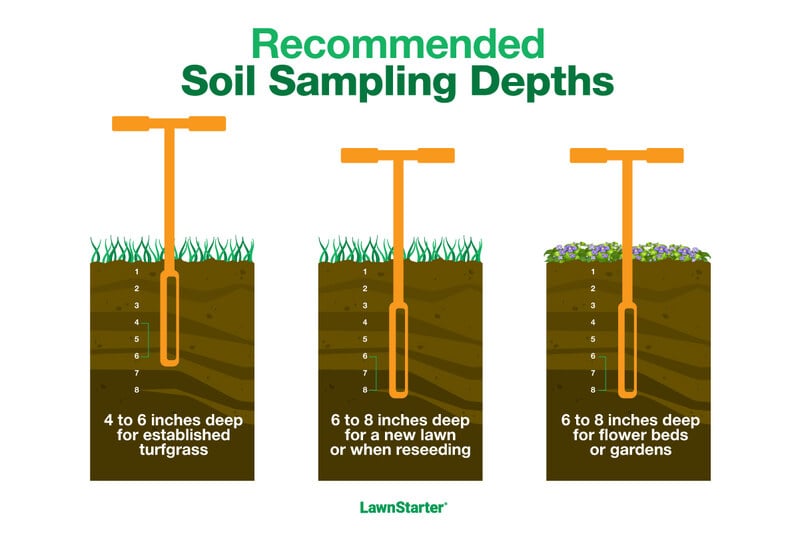
Take small cores or slices of soil from 4 to 6 inches deep. Mix these samples in a clean bucket.
- Use a soil probe, trowel, or spade
- Remove grass before sampling
- Collect soil from 4 to 6 inches deep
- Mix soil samples well in a clean container
- Send about one cup of mixed soil to the lab
Timing For Best Results
Test soil during early spring or fall. These times show true soil conditions before lawn care starts.
Avoid sampling right after fertilizing or heavy rain. Wait a few weeks for accurate results.
- Collect samples in early spring or fall
- Wait 2 to 3 weeks after fertilizer use
- Avoid sampling after heavy rain
- Test soil every 2 to 3 years for best lawn health
Interpreting Soil Test Results
Soil testing helps you understand what your lawn needs. It shows nutrient levels and soil health.
Knowing how to read soil test results helps you make smart lawn care choices. This keeps your grass healthy.
Reading Nutrient Levels
Soil tests report key nutrients like nitrogen, phosphorus, and potassium. These nutrients support grass growth.
| Nutrient | Role in Lawn | Ideal Level |
| Nitrogen (N) | Promotes green growth | 40-60 ppm |
| Phosphorus (P) | Builds roots and shoots | 20-40 ppm |
| Potassium (K) | Improves stress tolerance | 100-150 ppm |
Adjusting Ph Appropriately
Soil pH affects nutrient availability. Lawns grow best with pH between 6.0 and 7.0.
- If pH is below 6.0, add lime to raise it.
- If pH is above 7.0, add sulfur to lower it.
- Test soil again after applying amendments.
Tailoring Fertilizer Applications
Use soil test results to pick the right fertilizer. Match nutrients to what your lawn lacks.
- Check nutrient levels from the test report.
- Choose fertilizer with needed nutrients.
- Apply fertilizer evenly over the lawn.
- Water the lawn after fertilizing to help absorption.

Credit: www.amazon.ca
Soil Testing Frequency
Testing your lawn’s soil helps keep grass healthy and green. It shows what nutrients your soil needs.
Knowing how often to test soil helps you care for your lawn better. Too little or too much testing wastes time and money.
Seasonal Testing Tips
Test soil at key times in the year for best results. Spring and fall are the most important seasons to check.
- Test in early spring before you fertilize.
- Check again in fall to prepare for winter.
- Summer tests can help if your lawn looks weak.
Signs To Test More Often
Some lawn problems mean you should test soil more than usual. Look for these signs.
| Sign | Reason to Test |
| Patchy or yellow grass | Possible nutrient deficiency |
| Soil compaction | Limits root growth and nutrient uptake |
| New lawn installation | Establish soil baseline |
| Heavy rainfall or drought | Soil nutrient changes |
Diy Vs Professional Testing
Testing soil is key to having a healthy lawn. You can check soil yourself or hire a pro. Both ways give useful info about your soil.
Choosing between DIY kits and expert testing depends on your needs and budget. Let’s look at the pros and cons of DIY kits and when to use expert services.
Pros And Cons Of Diy Kits
DIY soil testing kits are easy to use and affordable. They help you understand basic soil health. But they have limits.
- Pros:Quick results, low cost, easy for beginners
- Cons:Limited accuracy, fewer tests available, less detail
| Feature | DIY Kits | Professional Testing |
| Cost | Low | Higher |
| Accuracy | Basic | High |
| Test Range | Limited | Comprehensive |
| Ease of Use | Simple | Needs expert |
| Time to Results | Fast | Varies |
When To Seek Expert Services
Experts use advanced tools to check soil deeply. You should hire them if your lawn has serious problems or you want detailed results.
- Persistent lawn issues despite care
- Need for precise pH and nutrient levels
- Planning major lawn or garden changes
- Desire for customized fertilizer advice
Long-term Lawn Care Strategies
Healthy lawns need care that lasts over time. Knowing the soil quality helps keep grass strong.
Soil testing shows what nutrients the lawn needs. It guides good choices for feeding and care.
Maintaining Soil Health
Soil health is key to a green, thick lawn. Testing soil helps find problems early.
- Check soil pH to balance acidity.
- Test nutrient levels like nitrogen and phosphorus.
- Look for harmful elements or soil compaction.
- Use test results to apply the right fertilizers.
- Keep soil moist but not waterlogged.
Integrating Soil Tests With Lawn Care
Link soil test results with your lawn care schedule. This approach supports steady growth.
| Soil Test Factor | Care Action |
| Low Nitrogen | Apply nitrogen-rich fertilizer |
| Acidic Soil (low pH) | Add lime to raise pH |
| High Phosphorus | Reduce phosphorus fertilizer |
| Compacted Soil | Aerate soil to improve air flow |
| Low Moisture | Adjust watering schedule |

Credit: plantrevolution.com
Frequently Asked Questions
What Is Soil Testing For Lawns?
Soil testing analyzes your lawn’s soil to check nutrient levels and pH balance. It helps identify deficiencies or excesses, guiding proper fertilization and care.
How Often Should I Test My Lawn Soil?
Testing your lawn soil every 2 to 3 years is ideal. Frequent tests ensure balanced nutrients and a healthy, vibrant lawn.
Can Soil Testing Improve Lawn Health?
Yes, soil testing provides exact nutrient info. This allows tailored treatments that boost grass growth and overall lawn health.
What Nutrients Does Soil Testing Check For?
Soil tests measure key nutrients like nitrogen, phosphorus, potassium, and soil pH. These impact lawn color, growth, and disease resistance.
Conclusion
Soil testing keeps your lawn healthy and vibrant. It tells what nutrients your lawn needs. This ensures better growth and appearance. Testing helps avoid using too much or too little fertilizer. This saves money and protects the environment. You can prevent problems before they start.
A simple test can make a big difference. Regular checks lead to a lush, green lawn. Enjoy a beautiful yard without stress. Soil testing is a smart choice for every lawn owner. Make it a routine for the best results.
Your lawn will thank you.

