
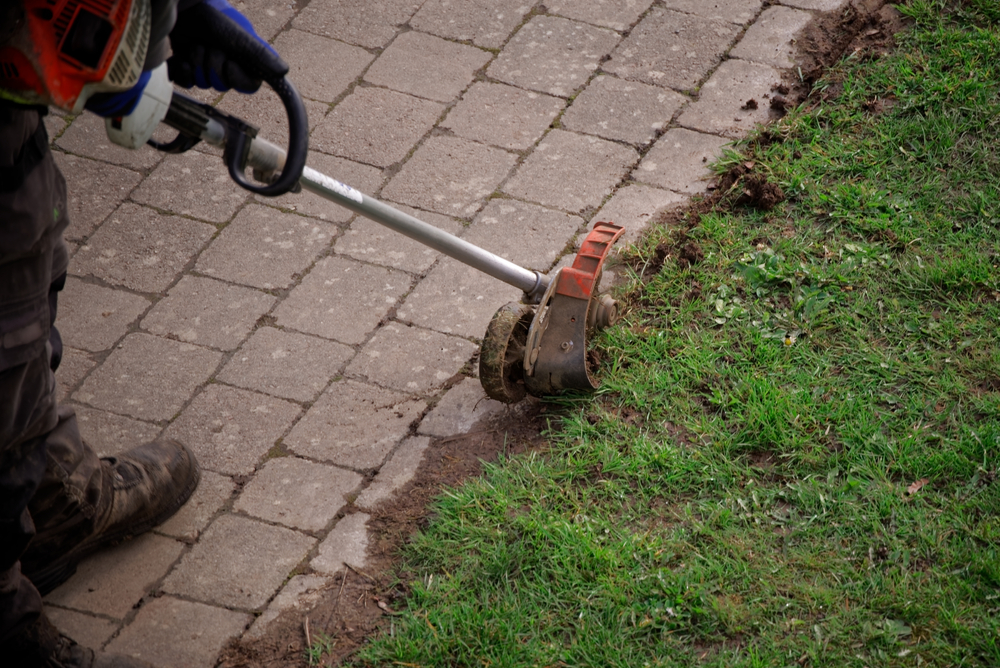
You want your lawn to look sharp and well-kept, right? Using a lawn edger is the best way to give your yard those clean, crisp lines that make all the difference.
But before you start, it’s important to know how to handle your lawn edger safely. A small mistake can lead to injuries or damage to your property. You’ll learn simple and effective tips to use your lawn edger with confidence and care.
Keep reading to make your yard look amazing while staying safe every step of the way.
Choosing The Right Lawn Edger
Using a lawn edger keeps your yard neat and tidy. Choosing the right one helps you work safely and easily.
Think about the type, lawn size, and power source. These factors help find the best lawn edger for you.
Types Of Lawn Edgers
There are several types of lawn edgers. Each has a different design and way to cut edges.
- Blade Edgers: Use a rotating blade to cut grass and soil edges.
- String Trimmers: Use a spinning nylon string to trim edges.
- Manual Edgers: Handheld tools that cut edges by pushing or stepping.
Pick a type that fits your comfort and the job size. Blade edgers suit tough edges. String trimmers work for light trimming.
Selecting Based On Lawn Size
Think about your lawn size before choosing an edger. Bigger lawns need more powerful tools.
- Small Lawns: Manual or lightweight string trimmers work well.
- Medium Lawns: Electric or battery-powered edgers offer good balance.
- Large Lawns: Gas-powered edgers provide more power and longer use.
Choose a tool that matches your lawn size to save time and effort.
Power Source Options
Lawn edgers use different power sources. Each has benefits and limits.
- Electric Edgers: Lightweight and quiet but need a power outlet.
- Battery-Powered Edgers: Cordless and easy to move but limited by battery life.
- Gas-Powered Edgers: Strong and good for large jobs but heavier and noisier.
Pick a power source that fits your lawn size and comfort. Battery models work well for small areas. Gas models suit big yards.

Credit: news.yahoo.com
Preparing For Edging
Using a lawn edger keeps your yard neat and tidy. Before starting, take time to prepare safely.
Proper preparation helps prevent accidents and makes the task easier. Focus on three key steps.
Inspecting The Lawn Area
Look over the lawn before edging. Remove rocks, sticks, and toys that may block the edger blade.
- Clear debris from the edges
- Check for hidden objects like wires or pipes
- Mark sprinkler heads or garden borders
Gathering Safety Gear
Wear the right gear to protect yourself. Safety gear reduces risk of injury during edging.
- Safety glasses to protect your eyes
- Gloves for a better grip and hand safety
- Long pants to shield your legs
- Closed-toe shoes with good traction
Checking The Edger Condition
Check the edger before use. Make sure it works well and is safe to operate.
| Part | What to Check | Action if Issue Found |
| Blade | Sharp and not damaged | Replace or sharpen blade |
| Handle | Secure and undamaged | Tighten or repair handle |
| Power Cord (if electric) | No cuts or frays | Replace cord |
| Fuel (if gas) | Enough and fresh | Refill or replace fuel |
Safe Operating Techniques
Using a lawn edger can keep your yard looking neat. It is important to follow safety rules while operating it.
Safe techniques help prevent injuries and damage. Always pay attention and use the right methods.
Proper Stance And Grip
Stand with your feet shoulder-width apart for balance. Keep your knees slightly bent to stay steady.
Hold the edger handles firmly but not too tight. Use both hands to control the tool well.
- Keep your back straight to avoid strain
- Position yourself so the blade moves away from your body
- Do not overreach; move your feet to stay balanced
Controlling The Edger Speed
Start the edger at low speed to get control. Increase speed slowly as you get comfortable.
Do not rush. Moving too fast can cause accidents or damage the edger.
- Use the speed that matches the grass and soil type
- Slow down near obstacles like stones or pipes
- Stop the blade quickly if you lose control
Avoiding Common Hazards
Check the area for debris before starting. Remove rocks, sticks, and toys to prevent harm.
Wear safety gear like goggles, gloves, and closed shoes. Stay alert to your surroundings at all times.
- Keep others, especially children and pets, away while working
- Do not use the edger in wet conditions to avoid slipping
- Turn off the machine before adjusting or cleaning
Maintaining Your Lawn Edger
Keeping your lawn edger in good shape helps it work well for a long time. Regular care stops damage and keeps the tool safe to use.
Follow simple steps to clean, sharpen, and store your lawn edger. This keeps it ready for every use.
Cleaning After Use
Clean your lawn edger right after you finish using it. Dirt and grass can build up and cause problems.
Use a brush or cloth to remove grass and dirt from the blade and body. Avoid water on the motor or electrical parts.
- Turn off and unplug the edger first
- Brush off grass and soil on the blade
- Wipe the handle and body with a dry cloth
- Use a damp cloth for sticky dirt, then dry it
- Check for loose screws or parts
Sharpening And Replacing Blades
Dull blades cut poorly and can damage your lawn. Sharpen blades regularly to keep them sharp and effective.
If blades are cracked or bent, replace them immediately. Sharp blades help your edger work safely and smoothly.
- Wear gloves before handling blades
- Use a file or sharpening stone on the blade edge
- Check blade balance after sharpening
- Replace blades that show cracks or heavy wear
- Tighten bolts securely after blade replacement
Storing The Edger Safely
Store your lawn edger in a dry, safe place to stop rust and damage. Proper storage keeps it ready for the next use.
Keep the blade covered or protected to avoid accidents and damage. Remove fuel if storing for a long time.
- Clean and dry the edger before storage
- Cover the blade with a guard or wrap
- Store indoors or in a dry shed
- Keep away from children and pets
- Drain fuel if stored longer than 30 days
Troubleshooting Common Issues
Using a lawn edger can be simple, but sometimes problems happen. Knowing how to fix common issues helps you work safely and well.
This guide covers how to handle uneven edges, motor problems, and safety concerns while using a lawn edger.
Dealing With Uneven Edges
Uneven edges happen when the blade does not cut straight or the edger moves unevenly. Check the blade sharpness and the guide wheel for smooth movement.
- Make sure the blade is sharp and clean.
- Check if the guide wheel is aligned with the blade.
- Keep a steady hand and walk slowly along the edge.
- Adjust the blade depth to match the lawn level.
Handling Motor Problems
Motor issues can stop your lawn edger from working. Common problems include failure to start, loss of power, or unusual noises.
| Problem | Possible Cause | Solution |
| Edger won’t start | Empty fuel or dead battery | Refill fuel or charge battery |
| Loss of power | Dirty air filter or spark plug | Clean or replace air filter and spark plug |
| Unusual noises | Loose parts or damaged blade | Tighten parts or replace blade |
Addressing Safety Concerns
Safety is important when using a lawn edger. Avoid accidents by following key safety rules.
- Wear eye protection and gloves.
- Keep bystanders and pets away.
- Turn off the edger before cleaning or adjusting.
- Check for rocks or debris before cutting.
- Use the edger only on dry grass to avoid slips.
Credit: www.redfin.com
Credit: www.gardeningknowhow.com
Frequently Asked Questions
How Do I Operate A Lawn Edger Safely?
Always wear protective gear like gloves and goggles. Keep both hands on the edger. Avoid loose clothing and watch for obstacles. Read the manual before use to understand controls and safety features.
What Protective Equipment Is Essential When Using A Lawn Edger?
Wear safety goggles, gloves, and sturdy shoes. Hearing protection is advised for gas-powered edgers. Long pants help protect your legs from debris. This gear minimizes injury risks during operation.
How Can I Prevent Injuries With A Lawn Edger?
Keep a firm grip and maintain proper posture. Clear the area of stones and debris before edging. Never use the edger near people or pets. Turn off the machine before adjusting or cleaning.
When Is The Best Time To Use A Lawn Edger?
Use a lawn edger in dry weather to avoid slipping. Early morning or late afternoon provides good visibility and cooler temperatures. Avoid wet grass as it can cause uneven cuts and increase accidents.
Conclusion
Using a lawn edger safely is simple with the right steps. Always wear protective gear. Keep your hands steady and focused. Regularly check your equipment for any issues. Maintain a safe distance from others while edging. Practice makes it easier and faster.
Remember to stay aware of your surroundings. A little caution goes a long way. Safety ensures a neat, beautiful lawn without accidents. Enjoy the satisfaction of a well-edged lawn. It’s rewarding and keeps your garden looking tidy. Follow these tips and edge your lawn with confidence.

