
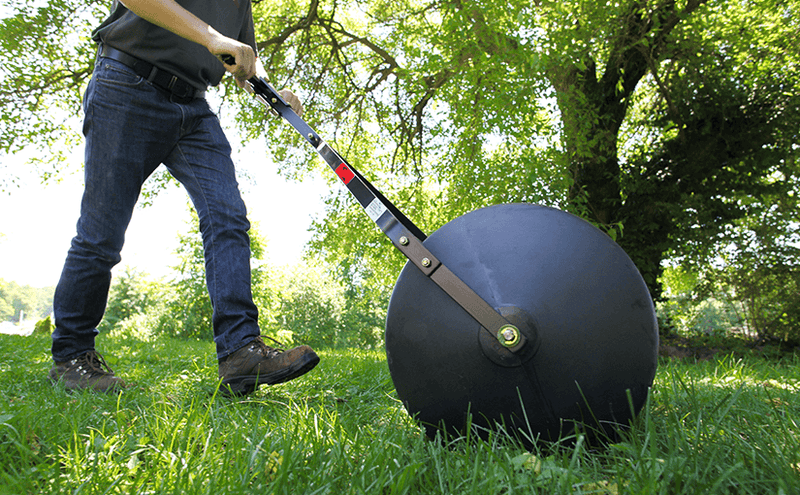
Your lawn roller is a powerful tool that helps keep your yard smooth and even. But if you don’t take care of it properly, it won’t work as well and could even break down when you need it most.
Maintaining your lawn roller might sound simple, but doing it right can save you time, money, and frustration. You’ll discover easy and effective tips to keep your roller in top shape, so your lawn always looks its best. Ready to make your lawn care routine easier and more efficient?
Let’s dive in.

Credit: www.reddit.com
Choosing The Right Lawn Roller
Choosing the right lawn roller helps keep your lawn smooth and healthy. It also makes lawn care easier and faster.
There are different types, materials, sizes, and weights. Knowing these helps you pick the best roller for your lawn.
Types Of Lawn Rollers
Lawn rollers come in several types. Each type works best for different lawn jobs and sizes.
- Water-Filled Rollers: Fill with water for weight. Easy to move when empty.
- Steel Rollers: Very heavy and durable. Good for large or tough lawns.
- Plastic Rollers: Lightweight and easy to handle. Best for small lawns.
- Manual Push Rollers: Simple design. Push by hand over the grass.
Material Considerations
Material affects how the roller works and lasts. Choose one that fits your lawn needs and budget.
- Steel: Very strong and heavy. Lasts long but can rust.
- Plastic: Light and rust-proof. Not as durable as steel.
- Rubber-Coated: Protects grass from damage. Usually steel inside.
- Wood: Rare today. Can absorb water and get heavy.
Size And Weight Factors
Pick the right size and weight for your lawn. Too heavy can harm grass, too light may not work well.
Smaller rollers work better for small yards. Larger or heavier rollers suit big lawns or rough ground.
- Weight: Heavier rollers press grass more, good for uneven ground.
- Width: Wider rollers cover more area but are harder to push.
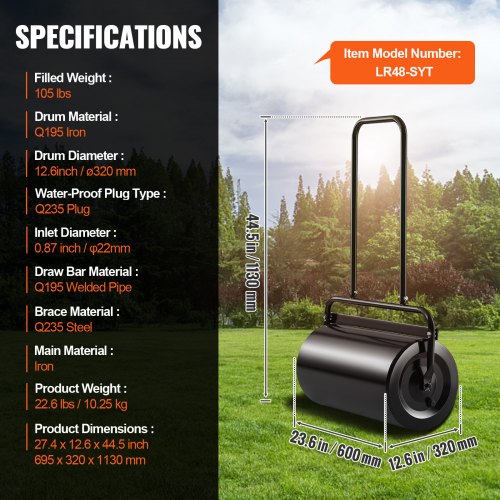
- Capacity: Water-filled rollers vary by how much water they hold.
Preparing Your Lawn Roller For Use
Before using your lawn roller, it is important to prepare it properly. This helps the roller work well and lasts longer.
Follow these simple steps to get your lawn roller ready for the task.
Filling And Sealing
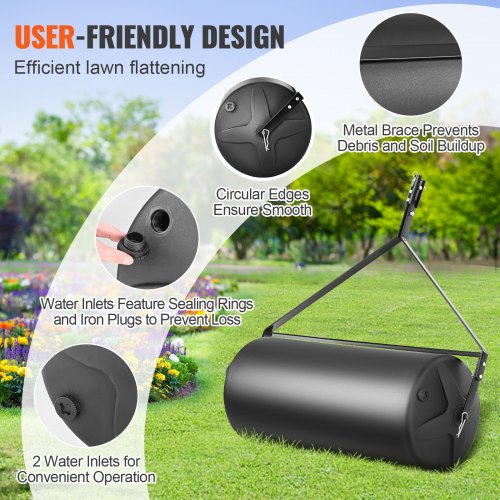
Most lawn rollers need water or sand inside to add weight. Fill the roller carefully to avoid spills.
After filling, seal the openings tightly to stop leaks. Check the seals before each use.
- Use clean water or dry sand for filling
- Fill slowly to avoid air pockets
- Tighten plugs or caps firmly
- Inspect seals for cracks or damage
Checking For Damage
Look over the roller for cracks, dents, or rust. Damage can reduce performance and cause problems.
Fix small issues before use. Replace parts if the damage is serious to keep the roller safe.
- Inspect the drum for dents or holes
- Check the handle for looseness or cracks
- Look at wheels and axles for wear
- Remove rust with a wire brush
Adjusting Roller Settings
Some lawn rollers let you change the weight or height. Adjust these settings based on your lawn type.
Proper adjustment makes rolling easier and more effective. Use the right setting for your grass and soil.
- Set weight by adding or removing filler
- Adjust height to avoid damaging the lawn
- Check that all adjustment parts are tight
- Test the roller on a small area first
Cleaning After Each Use
Keeping your lawn roller clean after each use helps it last longer. Dirt and grass can build up and cause damage if not removed. Regular cleaning keeps the roller working smoothly.
This guide covers how to remove dirt, wash properly, and dry the roller. Follow these easy steps to care for your lawn roller.
Removing Dirt And Debris
Start by clearing off loose dirt and grass clippings. Use a stiff brush or a plastic scraper. Avoid metal tools that might scratch the surface.
- Brush off dry soil and grass
- Scrape stuck debris gently
- Check the roller edges for trapped dirt
- Remove any stones or twigs caught in the roller
Washing Techniques
After removing loose debris, wash the roller with water. Use a garden hose or a bucket of water. Mild soap can help remove stubborn dirt.
| Tool | Purpose |
| Garden hose | Rinse off dirt quickly |
| Soft brush | Clean surface gently |
| Mild soap | Remove tough stains |
| Bucket of water | Soak and rinse roller |
Drying Properly
Dry the lawn roller well to stop rust and damage. Use a clean cloth to wipe it down. Leave it in a sunny place if possible.
- Wipe off excess water with a towel
- Air dry in a shaded, ventilated area
- Check for any moisture in joints or handles
- Store the roller in a dry place
Credit: www.vevor.ca
Regular Maintenance Practices
Maintaining a lawn roller keeps it working well and lasting longer. Regular care prevents damage and ensures smooth operation.
Focus on key maintenance tasks to keep your lawn roller in good shape. These include lubrication, inspection, and tightening.
Lubricating Moving Parts
Lubricate all moving parts to reduce friction and wear. Use a suitable oil or grease for bearings and joints.
- Clean parts before applying lubricant
- Apply lubricant evenly to all moving areas
- Wipe off excess oil to avoid dirt buildup
- Lubricate at least once a month during use
Inspecting For Wear And Tear
Check the lawn roller regularly for signs of damage. Look for cracks, rust, and worn parts.
| Part | What to Check | Signs of Wear |
|---|---|---|
| Drum | Surface condition | Dents, rust, uneven wear |
| Handles | Attachment points | Loose joints, cracks |
| Bearings | Rotation smoothness | Grinding noise, stiffness |
Tightening Bolts And Screws
Keep all bolts and screws tight to prevent parts from loosening. Loose fasteners can cause damage or unsafe use.
- Use the correct tools for each bolt or screw
- Check all fasteners after every few uses
- Tighten bolts firmly but avoid over-tightening
- Replace any stripped or damaged fasteners
Storage Tips To Extend Lifespan
Keeping your lawn roller in good shape helps it last longer. Proper storage prevents damage and rust.
Follow these simple tips to store your lawn roller safely and keep it ready for use.
Choosing The Right Location
Pick a dry, flat spot to store your lawn roller. Avoid places where water can pool or dirt can build up.
Keep the roller off the ground if possible. Use wooden blocks or pallets to prevent moisture damage.
- Dry area
- Flat surface
- Raised storage
- Easy to access
Protecting From Weather Elements
Weather can cause rust and wear on your lawn roller. Cover it with a waterproof tarp or use a shed.
Keep the roller away from direct sunlight to stop paint from fading and parts from cracking.
- Use waterproof cover
- Store in a shed if possible
- Avoid direct sun
- Check cover regularly
Seasonal Storage Advice
Before storing your roller for the season, clean it well. Remove dirt and dry it completely.
Check for damage and oil moving parts. This keeps the roller ready for next season’s use.
- Clean thoroughly
- Dry fully
- Oil moving parts
- Inspect for damage
Troubleshooting Common Issues
Maintaining a lawn roller helps keep it working well for a long time. Some common problems may occur during use. These problems can stop your roller from working smoothly.
This guide covers how to fix rust, air leaks, and uneven rolling. Each issue has simple solutions you can try at home.
Dealing With Rust
Rust can form on the metal parts of your lawn roller. It happens when the roller stays wet for a long time. Rust makes the roller rough and hard to use.
- Clean the roller after each use with a dry cloth.
- Use sandpaper to remove rust spots gently.
- Apply a rust-resistant paint or coating to protect the metal.
- Store the roller in a dry place to avoid moisture.
Fixing Air Leaks
Air leaks happen if your roller is a water or air-filled type. Leaks reduce the roller’s weight and make it less effective.
| Cause | How to Fix |
| Small holes or punctures | Patch with a repair kit or sealant |
| Loose valve | Tighten or replace the valve |
| Old or cracked rubber | Replace the roller tube |
Handling Uneven Rolling
Uneven rolling leaves bumps or lines on your lawn. This can happen if the roller is damaged or not used correctly.
Try these tips to fix uneven rolling:
- Check for dents or bends on the roller surface.
- Make sure the roller is fully filled with water or air.
- Roll slowly and evenly across the lawn.
- Use overlapping passes to cover all areas smoothly.
- Replace or repair any damaged parts immediately.
Enhancing Roller Performance
A lawn roller helps create a smooth and even lawn surface. Keeping it in good shape improves its work.
Using the right methods can make rolling easier and more effective on your lawn.
Adding Weight Safely
Adding weight to your lawn roller increases its pressure on the soil. This helps flatten bumps and uneven spots.
- Check the roller’s maximum weight limit to avoid damage.
- Use water or sand to add weight inside hollow rollers.
- Fill slowly and evenly to keep balance.
- Empty the roller after use to prevent rust and damage.
Using Attachments And Accessories
Attachments can improve how you use your roller. They add convenience and better control.
| Attachment | Benefit |
| Tow Hitch | Easier pulling with a lawn tractor |
| Handle Extensions | Better reach and control for walking rollers |
| Edge Rollers | Helps roll close to garden borders |
| Protective Covers | Prevents dirt buildup and rust |
Optimizing Rolling Techniques
Good rolling methods make your lawn look smooth and healthy. Use steady speed and pattern.
- Roll when the soil is moist but not wet.
- Start at one corner and move in straight lines.
- Overlap each pass slightly for even coverage.
- Avoid rolling over the same spot many times to prevent soil compaction.
- Clean the roller after use to keep it working well.
Credit: www.vevor.ca
Frequently Asked Questions
How Often Should I Maintain My Lawn Roller?
Regular maintenance is vital for lawn rollers. Clean and inspect it after every use. Lubricate moving parts monthly to ensure smooth operation and prevent rust.
What Is The Best Way To Clean A Lawn Roller?
Use a hose to wash off dirt and grass clippings. For stubborn grime, scrub with a brush and mild detergent. Dry thoroughly to avoid rust formation.
How Do I Prevent Rust On My Lawn Roller?
Keep your lawn roller dry and store it indoors. Apply a light coat of oil to metal parts regularly. Avoid leaving it outside in wet or humid conditions.
When Should I Lubricate My Lawn Roller?
Lubricate bearings and moving parts every month or after heavy use. Use a suitable lubricant like grease or oil to keep parts moving smoothly.
Conclusion
Taking care of your lawn roller boosts its lifespan. Regular cleaning prevents rust and dirt buildup. Check the roller for cracks or damage often. Keep the handle tight and secure. Store it in a dry place to avoid moisture. Lubricate moving parts for smooth operation.
Sharpen blades if your roller has them. These simple steps make your lawn roller last longer. Enjoy a neat lawn with less effort. A little maintenance goes a long way. Happy rolling!

