
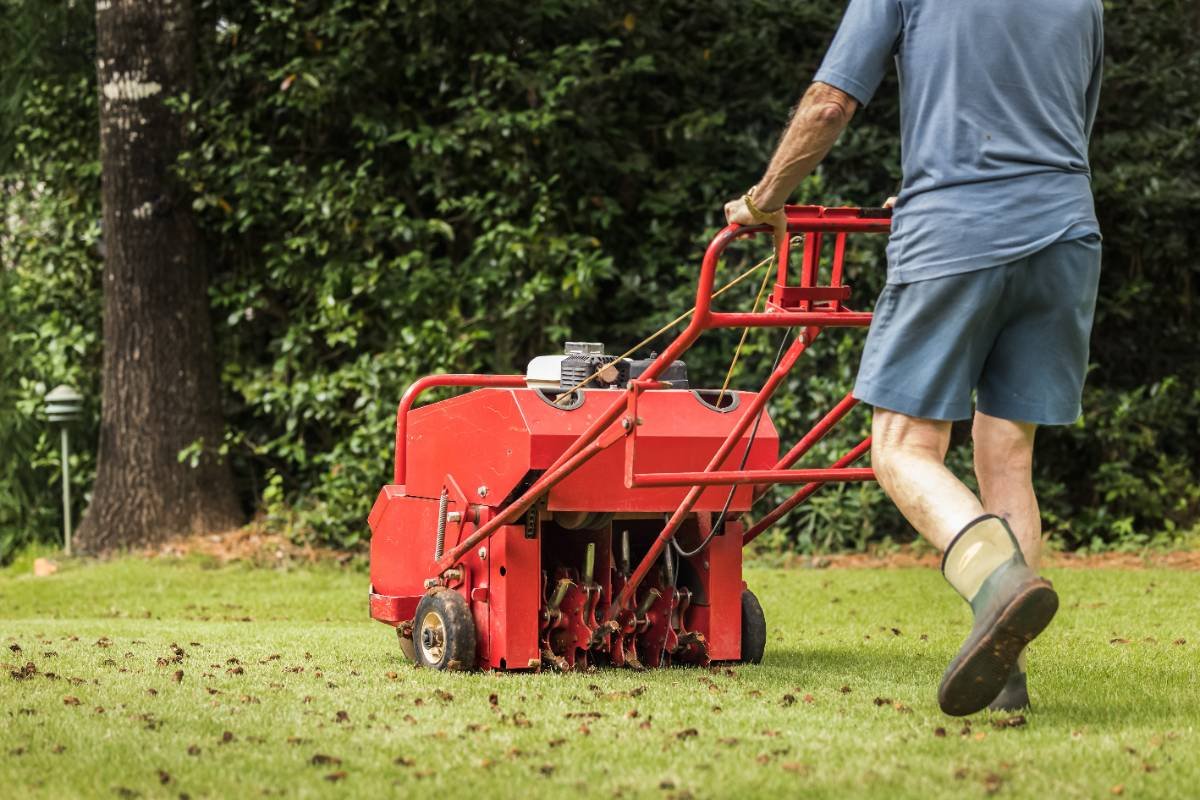
Have you ever wondered why your lawn doesn’t look as green and healthy as you want it to? The secret might be hidden beneath the surface—right in the soil.
Lawn aeration is a simple yet powerful technique that can transform your yard from patchy and tired to lush and vibrant. By the end of this article, you’ll understand exactly what lawn aeration is, why it’s important, and how it can help your grass grow stronger and healthier.
Ready to give your lawn the care it deserves? Let’s dive in.
Lawn Aeration Basics
Lawn aeration helps grass grow better. It improves soil and lets air reach the roots.
This process is important for a healthy lawn, especially if the soil is hard or crowded.
What Lawn Aeration Involves
Lawn aeration means making small holes in the soil. These holes allow air, water, and nutrients to reach grass roots.
Aeration also helps reduce soil compaction. Compacted soil makes it hard for roots to grow deep and strong.
Types Of Aeration Methods
There are two main ways to aerate a lawn. Each uses a different tool and creates different holes.
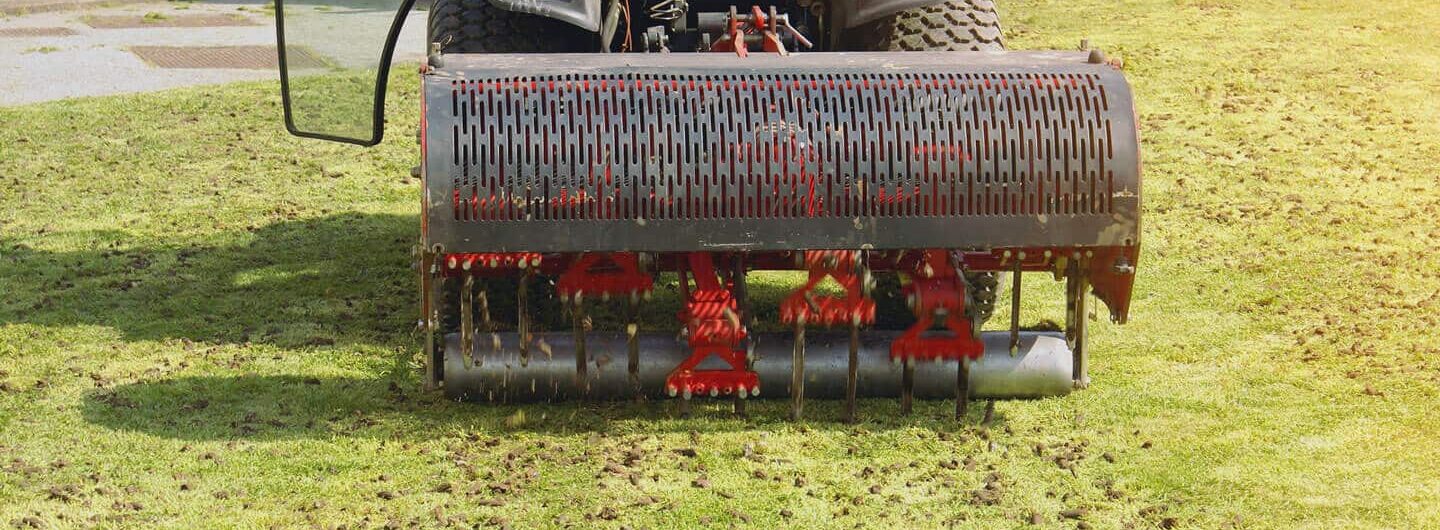
- Core Aeration:Removes small plugs of soil from the lawn. This helps soil breathe better.
- Spike Aeration:Uses spikes to poke holes in the ground. It makes space for air and water.
Benefits Of Lawn Aeration
Lawn aeration helps the soil breathe and supports grass growth. It involves making small holes in the soil to allow air, water, and nutrients to reach the roots.
This process improves lawn health and strength. Here are some key benefits of lawn aeration.
Improved Soil Health
Aeration loosens the soil and reduces thatch buildup. This allows roots to grow deeper and stronger. It also increases the activity of helpful soil organisms.
Enhanced Nutrient Absorption
By opening the soil, aeration helps grass absorb nutrients better. The roots can take in more fertilizer and minerals, which leads to a greener lawn.
- Improves fertilizer uptake
- Increases nutrient flow to roots
- Supports healthy grass growth
Better Water Penetration
Aeration helps water reach the soil more easily. It reduces runoff and pools of water on the surface. This keeps the lawn hydrated and prevents dry patches.
| Before Aeration | After Aeration |
| Water pools on soil surface | Water seeps into soil quickly |
| Dry spots develop in lawn | Even soil moisture levels |
| Roots stay shallow | Roots grow deeper |
Reduced Soil Compaction
Heavy foot traffic and machinery compact soil over time. Aeration breaks up the compacted layers, making it easier for roots to grow and breathe.
Signs of soil compaction:
- Hard soil surface
- Water puddles after rain
- Thin or patchy grass
When To Aerate Your Lawn
Lawn aeration helps soil breathe and grow better grass. Knowing the right time to aerate keeps your lawn healthy. Aeration removes small plugs of soil to allow air, water, and nutrients inside.
Timing depends on your grass type and weather. Aerate too early or late, and the lawn may not improve. Let’s explore the best seasons and signs to aerate your lawn.
Best Seasons For Aeration
Spring and fall are usually the best times to aerate. Your grass grows actively in these seasons, so it recovers fast. Cool-season grasses do well in early fall and spring. Warm-season grasses benefit from late spring to early summer aeration.
- Spring: Good for cool-season grasses like fescue and bluegrass
- Fall: Ideal for cool-season grasses, helps prepare for winter
- Late spring to early summer: Best for warm-season grasses like Bermuda and zoysia
Signs Your Lawn Needs Aeration
Look for these signs that show your lawn needs aeration. Fixing soil compaction helps grass roots grow deeper and stronger.
| Sign | Description |
| Water puddles | Water stays on surface after rain or watering |
| Thick thatch layer | More than half an inch of dead grass and roots on top |
| Hard soil | Soil is hard to poke with a screwdriver or nail |
| Thin or patchy grass | Grass looks weak or bare in spots |
| Heavy foot traffic | Areas where people walk a lot look worn out |

Credit: www.truesdalelandscaping.com
How To Aerate Your Lawn
Lawn aeration helps grass grow strong by improving soil air flow. It makes water and nutrients reach roots better. This guide shows how to aerate your lawn effectively.
There are two main ways to aerate: do it yourself or hire a professional. Each way has its own benefits and steps to follow.
Diy Aeration Tips
You can aerate your lawn by using simple tools or renting machines. Choose the right time and method for best results.
- Water the lawn a day before aerating to soften the soil.
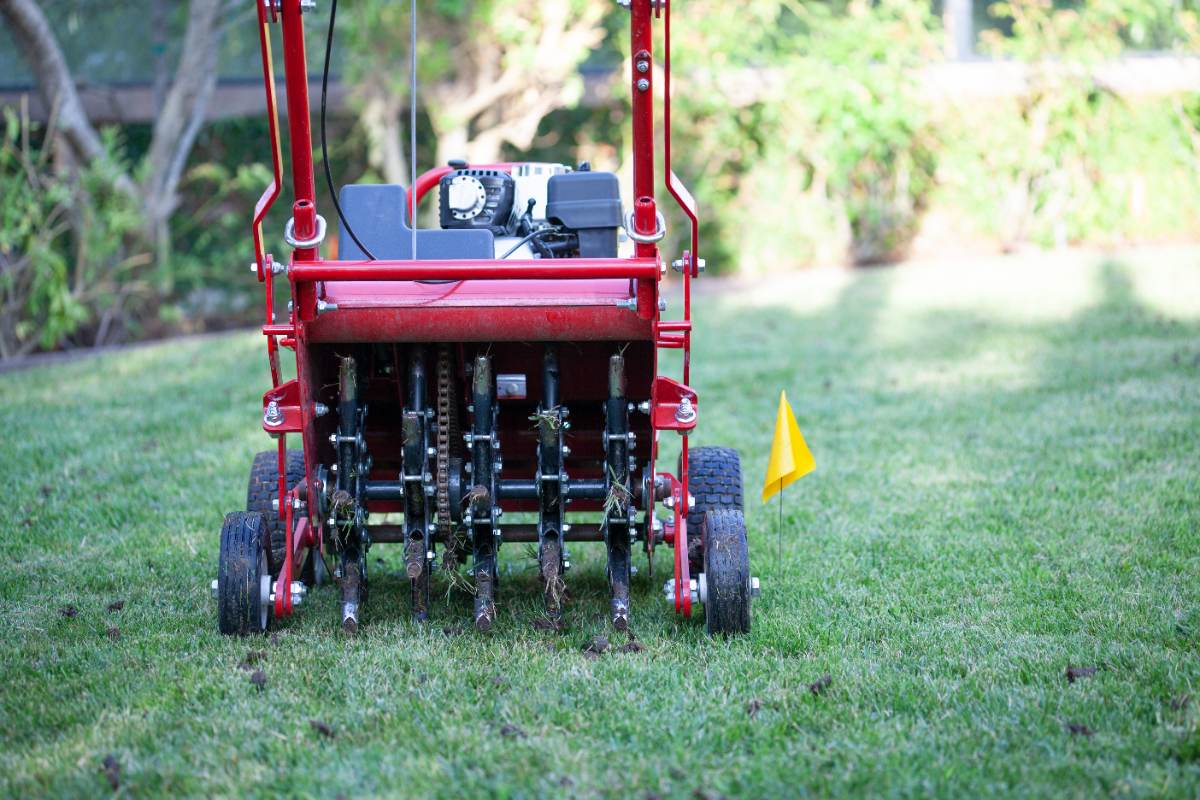
- Use a spike aerator for small lawns or a plug aerator for larger areas.
- Make holes evenly across the lawn, spacing about 3 inches apart.
- Leave the soil plugs on the lawn to break down naturally.
- After aeration, apply fertilizer and water the lawn well.
Using Professional Services
Hiring experts saves time and ensures deep, thorough aeration. Professionals have tools to handle tough soil and large lawns.
| Service Type | Benefits | Cost Range |
| Core Aeration | Removes plugs for better soil air and root growth | Medium |
| Spike Aeration | Simple holes for small or less compacted lawns | Low |
| Liquid Aeration | Uses liquid products to loosen soil chemically | Varies |
Common Mistakes To Avoid
Lawn aeration helps grass grow strong by improving soil air and water flow. Doing it right keeps your lawn healthy and green.
Some common mistakes can harm your lawn instead of helping it. Avoid these to get the best results from aeration.
Over-aerating
Aerating too often can damage grass roots and soil structure. It makes the soil too loose and weak.
Give your lawn time to recover between aerations. Usually, one or two times a year is enough.
- Too much aeration can stress grass
- Soil may become unstable
- Roots might get damaged
- Grass growth can slow down
Aerating At The Wrong Time
Aerating during hot or dry weather hurts your lawn. It can cause grass to dry out and die.
The best time to aerate is in the growing season. This helps grass heal and fill in holes quickly.
- Aerate in early spring or fall
- Avoid aerating in summer heat
- Do not aerate when soil is frozen
- Water lawn before aeration if dry
Credit: naturesseed.com
Maintaining A Healthy Lawn After Aeration
Lawn aeration helps soil breathe and grow stronger grass. After aeration, proper care is key to keep your lawn healthy.
Good watering and fertilizing support the lawn’s recovery and growth after aeration.
Proper Watering Techniques
Water your lawn soon after aeration to help soil absorb moisture. Keep the soil moist but not soaked.
Water deeply to encourage roots to grow stronger and deeper. Avoid shallow watering that can hurt root growth.
- Water 1-2 times a week depending on weather
- Use 1 inch of water each time
- Water early in the morning to reduce evaporation
- Check soil moisture regularly to avoid overwatering
Fertilizing Post-aeration
Apply fertilizer after aeration to feed grass roots. This helps the lawn grow thick and healthy.
Choose a fertilizer with balanced nutrients for best results. Follow the instructions on the package carefully.
- Use nitrogen-rich fertilizer for green growth
- Apply fertilizer 1-2 days after aeration
- Spread evenly to avoid burning the grass
- Water after fertilizing to help nutrients soak in
Credit: www.lawnstarter.com
Frequently Asked Questions
What Is Lawn Aeration And Why Is It Important?
Lawn aeration involves perforating soil to improve air, water, and nutrient flow. It reduces soil compaction and promotes healthy grass growth. This process helps roots grow deeper and makes your lawn more drought-resistant and lush.
When Is The Best Time For Lawn Aeration?
The best time for lawn aeration is during active grass growth. For cool-season grasses, early spring or fall works well. For warm-season grasses, late spring to early summer is ideal. Timing ensures quick recovery and maximum benefits.
How Often Should I Aerate My Lawn?
Most lawns benefit from aeration once a year. Lawns with heavy foot traffic or clay soil may need it twice annually. Regular aeration improves soil health and prevents compaction, supporting a thicker, greener lawn.
Can Lawn Aeration Help With Thatch Buildup?
Yes, lawn aeration helps reduce thatch by breaking up compacted soil. This allows microbes to decompose thatch naturally. Aeration combined with dethatching improves lawn health and prevents disease and water runoff problems.
Conclusion
Lawn aeration keeps your grass healthy and vibrant. It improves soil health. Roots grow stronger and deeper. Your lawn breathes better. Water and nutrients reach where they are needed. This simple process helps grass flourish. Aeration is an easy way to maintain your lawn.
Regular aeration can prevent lawn problems. It’s a small effort with big benefits. Your lawn will look greener and more lush. Enjoy a beautiful, healthy lawn all year round.

