
Choosing the right wheelbarrow can change the way you work in your garden or on your construction site. You might wonder whether a 2-wheel or a 1-wheel wheelbarrow is better for your needs.
Each has its own advantages and challenges, and picking the right one can save you time, effort, and frustration. You’ll discover which wheelbarrow fits your tasks best, helping you make a smart choice that keeps your work smooth and efficient.
Keep reading to find out what suits your style and workload perfectly.
Benefits Of 2-wheel Wheelbarrows
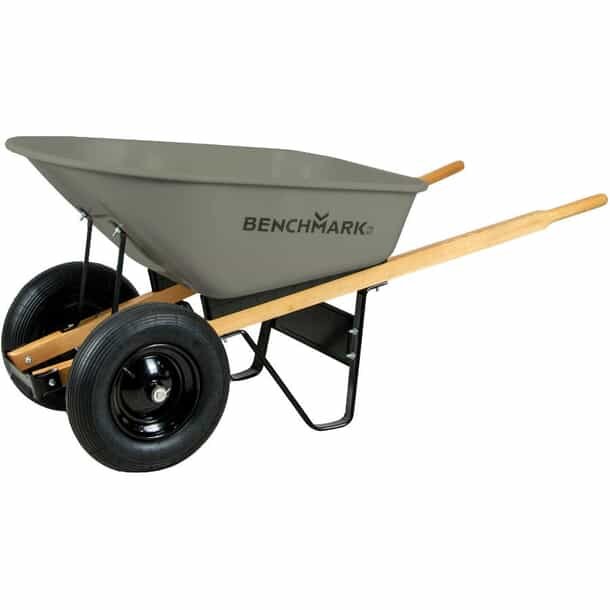
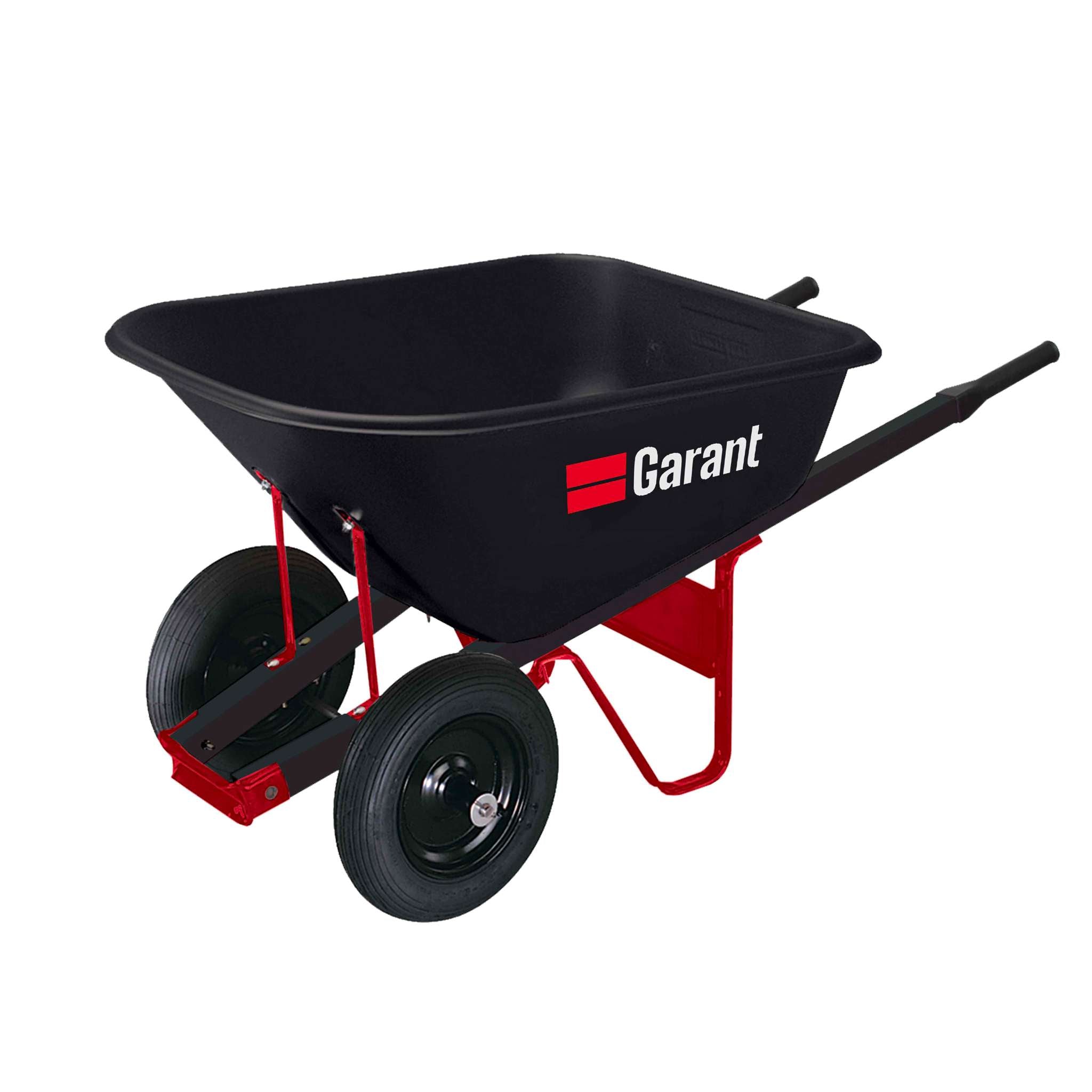
Two-wheel wheelbarrows have two wheels placed side by side at the front. This design offers several advantages for users compared to one-wheel wheelbarrows. They are easier to handle and carry heavier loads.
This article explains the main benefits of two-wheel wheelbarrows. You will learn how they help with stability, load capacity, and moving on flat surfaces.
Enhanced Stability
Two wheels provide better balance than one wheel. This makes the wheelbarrow less likely to tip over. Users can move heavy or uneven loads without losing control.
Because of the extra wheel, the weight spreads more evenly. This reduces the strain on the user’s arms and helps keep the wheelbarrow steady.
- Less chance of tipping
- Improved balance on uneven ground
- More control when moving heavy loads
Increased Load Capacity
Two-wheel wheelbarrows can carry heavier loads than one-wheel models. The extra wheel supports more weight and reduces pressure on the user. This allows for bigger or bulkier items to be moved easily.
The design helps distribute the load evenly, preventing damage to the wheelbarrow and making transport safer. Users can carry more in fewer trips.
- Supports heavier materials
- Distributes weight evenly
- Reduces risk of damage
Ease Of Maneuvering On Flat Surfaces
Two-wheel wheelbarrows are easier to push and steer on flat, smooth surfaces. The wheels roll side by side, providing a smooth ride. Users spend less effort moving the wheelbarrow.
This design works well in gardens, driveways, and construction sites with level ground. Turning and stopping are also simpler compared to one-wheel wheelbarrows.
- Smoother movement on flat ground
- Less effort to push and steer
- Better control when turning
Credit: www.garant.com
Advantages Of 1-wheel Wheelbarrows
Wheelbarrows help carry heavy loads easily. Choosing between 1-wheel and 2-wheel models matters. Each type has its strengths.
One-wheel wheelbarrows offer unique benefits. They are popular for certain jobs and conditions. Understanding these advantages helps pick the right tool.
Better Maneuverability In Tight Spaces
One-wheel wheelbarrows turn easily. The single wheel acts like a pivot point. This makes it simple to move around corners.
They fit well in narrow areas. You can steer them in small garden paths or crowded work sites. This saves time and effort.
Lightweight And Compact Design
One-wheel wheelbarrows usually weigh less than two-wheel versions. This makes them easy to lift and carry. They take up less storage space too.
The compact design helps with quick jobs. You can move them without much strength. This is useful for light to medium loads.
Suitable For Uneven Terrain
The single wheel adapts well to rough ground. It can roll over rocks, bumps, and holes smoothly. This keeps the load stable.
Two-wheel wheelbarrows may get stuck or tip on uneven surfaces. One-wheel models give better control and balance outdoors.
Comparing Performance
Choosing between a 2-wheel and a 1-wheel wheelbarrow depends on how you plan to use it. Each type offers different strengths in performance. Understanding these can help you pick the right tool for your work.
We will look at handling different loads, how well they adapt to various terrains, and the effort and comfort for the user.
Handling Different Loads
Two-wheel wheelbarrows provide better balance for heavy or bulky loads. They hold materials steadily without tipping over easily. One-wheel wheelbarrows allow more maneuverability but require more skill to keep steady.
- 2-wheel wheelbarrows carry heavier loads safely.
- 1-wheel wheelbarrows are better for uneven or narrow paths with lighter loads.
- One-wheel models need more careful handling with heavy weight.
Terrain Adaptability
| Wheelbarrow Type | Best Terrain | Limitations |
| 2-Wheel | Flat, hard surfaces | Less agile on rough or narrow paths |
| 1-Wheel | Uneven, narrow, or rough terrain | Requires balance; can tip on heavy loads |
User Effort And Comfort
Two-wheel wheelbarrows spread the load across both wheels. This reduces the effort to keep balance. One-wheel wheelbarrows need more strength and control to steer.
- Two-wheel wheelbarrows ease balance, lowering user strain.
- One-wheel models demand more focus and arm strength.
- Comfort depends on handle design and user experience.

Credit: ogracwheel.com
Material And Build Quality
Choosing the right wheelbarrow depends on its material and build quality. These factors affect strength and how long it lasts. Comparing 2-wheel and 1-wheel wheelbarrows shows key differences in design and durability.
This article explores frame construction, wheel types, and tray materials. It helps you understand what to expect from each type.
Frame Construction
The frame holds the wheelbarrow together and supports the load. A strong frame gives stability and reduces wear. Most frames use steel or aluminum. Steel frames tend to be heavier but more durable. Aluminum frames are lighter but may bend under heavy loads.
Two-wheel wheelbarrows often have wider frames. This design improves balance and reduces tipping. One-wheel wheelbarrows have narrower frames, which allow better maneuverability in tight spaces.
Wheel Types And Durability
- Two-Wheel Wheelbarrows:Use two pneumatic or solid rubber tires. Pneumatic tires absorb shocks well but need regular air checks. Solid tires do not puncture but offer less cushioning.
- One-Wheel Wheelbarrows:Usually have one pneumatic tire for easy steering. This single tire handles rough terrain better but may wear faster under heavy loads.
- Durability:Pneumatic tires require maintenance but give smoother rides. Solid rubber tires last longer but can make pushing harder on rough ground.
Tray Materials
| Material | Durability | Weight | Rust Resistance |
|---|---|---|---|
| Steel | High strength, may dent | Heavier | Needs paint or coating |
| Plastic | Resists dents, can crack | Lightweight | Rust proof |
| Polypropylene | Flexible and tough | Very light | Rust proof |
Maintenance And Longevity
Choosing between a 2-wheel and 1-wheel wheelbarrow affects how you maintain it. Both types need care to last long. Proper upkeep saves money and effort.
This guide looks at common wear, repair ease, and storage tips for each type. Knowing these helps you keep your wheelbarrow in good shape.
Common Wear And Tear
Both 1-wheel and 2-wheel wheelbarrows face wear on tires, handles, and trays. The 1-wheel model often wears out the single tire faster. The 2-wheel design spreads the weight, reducing tire wear.
- 1-wheel wheelbarrows may have more strain on the frame.
- 2-wheel types handle heavy loads better, lowering stress.
- Rust can occur on metal parts if not cleaned regularly.
- Plastic trays may crack under heavy use for both types.
Ease Of Repairs
Fixing a wheelbarrow depends on parts and design. The 2-wheel wheelbarrow has more parts to check but offers better stability during repairs. The 1-wheel model is simpler but may need more frequent tire fixes.
| Repair Type | 1-Wheel Wheelbarrow | 2-Wheel Wheelbarrow |
| Tire Replacement | Single tire; quick but frequent | Two tires; less frequent but takes more time |
| Handle Repair | Simple, fewer parts | May have extra supports to fix |
| Tray Replacement | Standard size tray | Similar tray but sometimes wider |
Storage Tips
Proper storage keeps your wheelbarrow safe from damage. Both types need dry, covered spaces to prevent rust and decay. Elevate the wheelbarrow to keep tires off the ground.
- Store inside a shed or garage
- Clean after each use
- Keep tires inflated
- Cover with a tarp if stored outside
- Check for pest damage in wooden handles
Cost Considerations
Choosing between a 2-wheel and 1-wheel wheelbarrow involves thinking about costs. Understanding price differences helps you pick the best option for your needs.
This guide looks at initial price, long-term value, and budget options for both types of wheelbarrows.
Initial Purchase Price
1-wheel wheelbarrows usually cost less upfront. They have a simpler design and fewer parts. 2-wheel models tend to be pricier because they offer more stability and support.
- 1-wheel wheelbarrows: lower starting price
- 2-wheel wheelbarrows: higher initial cost
- Material quality affects price for both types
- Extra features add to the cost
Long-term Value
Long-term value depends on how you use the wheelbarrow. A 2-wheel model may last longer due to balanced weight distribution. This can reduce wear on tires and frame.
| Feature | 1-Wheel Wheelbarrow | 2-Wheel Wheelbarrow |
|---|---|---|
| Durability | Good for light use | Better for heavy loads |
| Maintenance | Simple, fewer parts | More parts to check |
| Handling | Requires more skill | Easier to balance |
| Replacement parts | Usually cheaper | Can be more costly |
Budget-friendly Options
If you want to spend less, look for basic models without extra features. Both types offer affordable choices for simple tasks.
Tips to save money on wheelbarrows:
- Buy during sales or clearance events.
- Consider used wheelbarrows in good condition.
- Check for local brands that cost less.
- Avoid unnecessary add-ons.
Choosing Based On Use Case
Choosing between a 2-wheel and a 1-wheel wheelbarrow depends on what you need it for. Each type has strengths that suit different tasks.
Understanding your main use will help you pick the best wheelbarrow for your work. This saves effort and time.
Gardening And Landscaping
A 2-wheel wheelbarrow offers better balance when moving soil, plants, or mulch. It is easier to push on flat ground.
A 1-wheel wheelbarrow is more nimble and can turn better in tight garden spaces. It works well on uneven paths.
- 2-wheel: Stable for heavy loads like soil or stones
- 1-wheel: Good for narrow paths and sharp turns
Construction And Heavy Duty
For construction, a 2-wheel wheelbarrow holds more weight and stays steady on flat surfaces. It reduces strain on the user.
Use a 1-wheel wheelbarrow if you need to move loads over rough or uneven ground. It can navigate obstacles easier.
- 2-wheel: Better for carrying bricks and cement on level sites
- 1-wheel: Easier to maneuver in tight or rough areas
Home And Diy Projects
For light home projects, a 2-wheel wheelbarrow is simple to use and keeps balance with small loads.
A 1-wheel wheelbarrow helps if you work in small spaces or need to move materials quickly and with control.
- 2-wheel: Good for carrying tools and materials steadily
- 1-wheel: Handy for tight spaces and quick turns
Credit: www.woodever.com.tw
Safety Tips For Wheelbarrow Use
Using a wheelbarrow can make work easier. It helps carry heavy items like soil or tools. Choosing between a 2-wheel or 1-wheel wheelbarrow affects how you balance and move loads.
Safety is important when using any wheelbarrow. Follow simple tips to avoid injuries and work safely.
Proper Lifting Techniques
Lift the wheelbarrow handles with your legs, not your back. Keep your back straight and bend your knees to pick it up. Use both hands to hold the handles firmly.
Do not twist your body while lifting. Move your feet to turn instead. This helps protect your back from strain.
- Bend knees, keep back straight
- Hold handles with both hands
- Lift with legs, not back
- Turn by moving feet, not twisting
Load Distribution
Place the load evenly in the wheelbarrow. A 2-wheel wheelbarrow is more stable and easier to balance. A 1-wheel wheelbarrow needs careful balancing to avoid tipping over.
Keep heavy items close to the wheel. This reduces the effort needed to lift and push. Avoid overloading the wheelbarrow to keep control.
- Balance load evenly
- Put heavy items near the wheel
- Use 2-wheel for more stability
- Avoid overloading
Avoiding Common Injuries
Wear gloves to protect your hands from blisters and splinters. Use closed-toe shoes to guard your feet. Watch for obstacles on the ground to prevent trips and falls.
Take breaks if you feel tired. Pushing a wheelbarrow while tired can cause accidents. Check your wheelbarrow for damage before use to ensure it is safe.
- Wear gloves and sturdy shoes
- Look out for obstacles
- Rest when tired
- Inspect wheelbarrow before use
Frequently Asked Questions
What Are The Main Differences Between 2-wheel And 1-wheel Wheelbarrows?
2-wheel wheelbarrows offer better stability and balance. One-wheel models provide greater maneuverability in tight spaces. The choice depends on your terrain and load handling needs.
Which Wheelbarrow Is Easier To Control On Uneven Ground?
A 1-wheel wheelbarrow is easier to steer on rough terrain. Its single wheel allows better navigation over bumps and obstacles compared to 2-wheel models.
Are 2-wheel Wheelbarrows More Stable For Heavy Loads?
Yes, 2-wheel wheelbarrows provide increased stability for heavier loads. The wider base reduces tipping risk, making them ideal for bulky or unevenly distributed materials.
Can 1-wheel Wheelbarrows Carry Heavier Loads Than 2-wheel Types?
No, 1-wheel wheelbarrows typically carry lighter loads. Their design prioritizes maneuverability over load capacity, unlike 2-wheel versions which support heavier weights safely.
Conclusion
Choosing between a 2-wheel and a 1-wheel wheelbarrow depends on your needs. A 2-wheel wheelbarrow offers better balance for heavy loads. It’s great for those needing stability. On the other hand, a 1-wheel wheelbarrow is ideal for maneuverability. It works well in tight spaces.
Both types have unique advantages. Consider your tasks and landscape before deciding. Think about the effort needed and frequency of use. Your decision can make your work easier and more efficient. Make a choice that fits your specific requirements and preferences.
Happy gardening or construction!
