
Are you struggling to find the right loppers for your gardening tasks? Choosing the right size can make a huge difference in how easily you trim branches and shape your plants.
If your loppers are too small, you’ll waste time and effort. Too big, and they might be hard to handle or overkill for your needs. This guide will help you pick the perfect size loppers that match your garden and your strength.
Keep reading to discover how to make your pruning work faster, easier, and even more enjoyable.
Choosing Lopper Sizes
Loppers come in different sizes for various gardening tasks. Picking the right size helps you work safely and easily.
Knowing which lopper size fits your needs saves time and effort while pruning trees or bushes.
Small Loppers For Precision
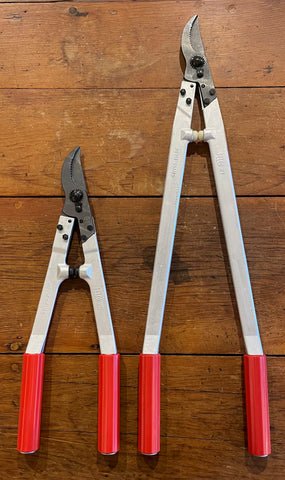
Small loppers usually have handles around 12 to 16 inches. They are light and easy to control for detailed work.
Use small loppers to trim thin branches and shape plants carefully without damaging them.
- Handle length: 12-16 inches
- Best for branches under 1 inch thick
- Lightweight and easy to handle
- Good for tight spaces and delicate cuts
Medium Loppers For Versatility
Medium loppers have handles about 18 to 24 inches long. They balance power and control well.
These loppers cut medium branches and work well for most garden pruning tasks.
- Handle length: 18-24 inches
- Suitable for branches 1 to 2 inches thick
- Offers a good mix of reach and strength
- Ideal for general garden use
Large Loppers For Tough Jobs
Large loppers have long handles, usually 28 inches or more. They provide extra leverage and power.
Use large loppers to cut thick branches and hard wood that smaller tools cannot handle.
- Handle length: 28 inches or longer
- Best for branches over 2 inches thick
- Heavy but powerful for tough cuts
- Great for clearing and heavy pruning
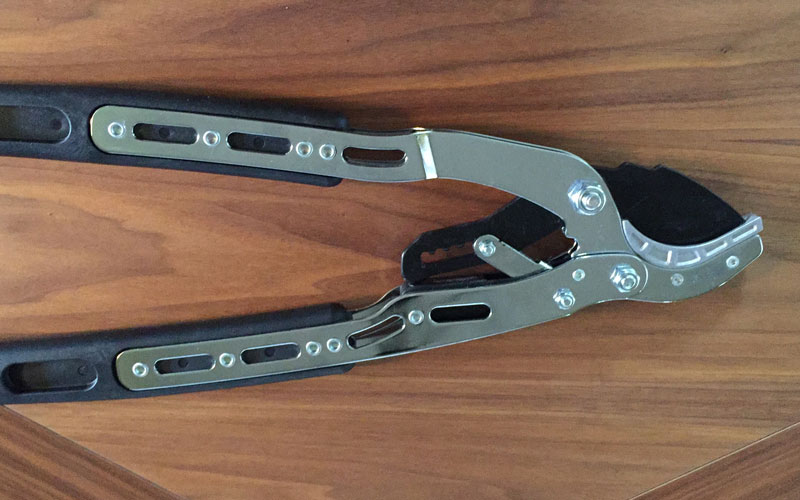
Credit: gardeningproductsreview.com
Blade Types And Their Impact
Loppers cut branches and stems. The blade type affects how clean and easy the cut is. Choosing the right blade helps you work better and safer.
Two main blade types are bypass blades and anvil blades. Each type works best for different tasks and plants.
Bypass Blades
Bypass blades work like scissors. One sharp blade cuts past a flat surface. This design gives a clean cut that helps plants heal faster.
- Best for live, green branches
- Cut smoothly without crushing stems
- Ideal for pruning flowers and shrubs
- Needs regular sharpening for best results
Anvil Blades
Anvil blades have one sharp blade that closes onto a flat metal plate. They cut by crushing the branch. This works well for dead or hard wood.
| Feature | Bypass Blades | Anvil Blades |
|---|---|---|
| Cut Type | Clean, slicing cut | Crushing cut |
| Best Use | Live branches and green plants | Dead wood and thick branches |
| Plant Health | Less damage, faster healing | More crushing, slower healing |
| Maintenance | Needs frequent sharpening | Less sharpening needed |
Handle Length And Leverage
Choosing the right size loppers depends a lot on handle length and leverage. These factors affect how easily you cut branches.
Handle length changes your control and power. Knowing the difference helps you pick the best loppers for your needs.
Short Handles For Control
Short handles give you more control over your cuts. They are easier to handle for precise work close to the ground.
These loppers are lighter and better for trimming small branches or working in tight spaces.
- Handle length: about 12 to 18 inches
- Best for small branches under 1 inch thick
- Offers better accuracy and maneuverability
- Less leverage, so less cutting power
Long Handles For Power
Long handles increase leverage and cutting power. They help cut thicker branches with less effort.
These loppers are heavier but great for branches over 1 inch thick or hard wood.
- Handle length: about 24 to 36 inches
- Best for larger branches over 1 inch thick
- Provides more leverage for easier cutting
- Less precise, harder to use in tight spots
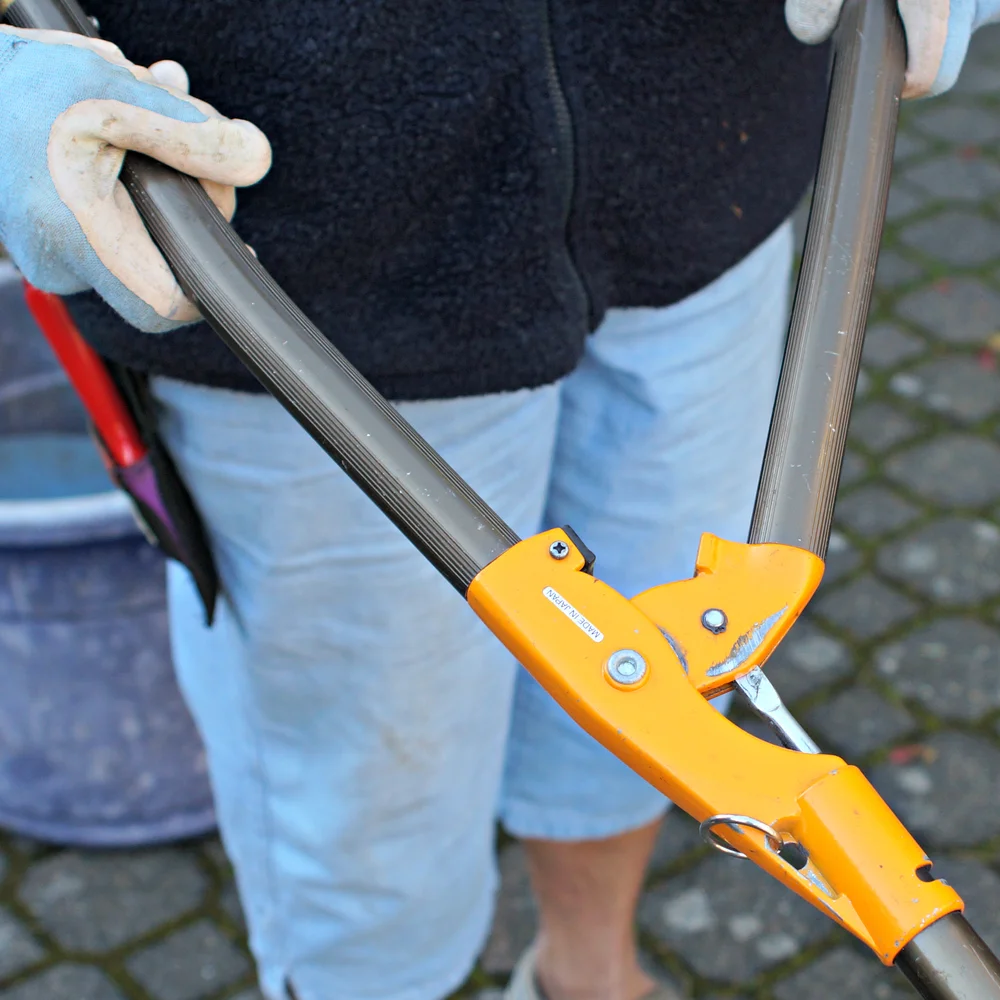
Credit: www.westseattlegardentour.org
Material And Weight Considerations
Choosing the right size loppers depends on the material and weight. These factors affect ease of use and durability.
Understanding materials helps you pick loppers that suit your strength and the tasks you do.
Lightweight Materials
Loppers made from lightweight materials reduce arm fatigue. They are easier to handle during long pruning jobs.
- Aluminum handles are light and resist rust.
- Fiberglass handles absorb shock and offer comfort.
- Carbon fiber is very light but can be expensive.
- Steel is heavier but provides strong support.
Durability Factors
Durability depends on the materials used and how well the loppers are built. Strong joints and sharp blades last longer.
| Material | Durability | Weight |
| Aluminum | Moderate | Light |
| Fiberglass | High | Light |
| Carbon Fiber | High | Very Light |
| Steel | Very High | Heavy |
Matching Loppers To Plant Types
Choosing the right size of loppers helps you cut plants easily. Different plants need different lopper sizes.
Using the correct lopper makes your garden work faster and safer. It also protects your plants from damage.
Shrubs And Small Branches
Shrubs and small branches usually need smaller loppers. These are easier to handle and control for delicate cuts.
Look for loppers with blades that open 1 to 1.5 inches wide. This size fits most small stems and soft branches.
- Blade opening: 1 to 1.5 inches
- Handle length: 14 to 18 inches for easy reach
- Good for trimming roses, small shrubs, and young stems
Thicker Branches And Trees
Thicker branches and trees need larger loppers. These have longer handles and bigger blades for more power.
Choose loppers with blade openings of 2 inches or more. Longer handles help you cut thick wood without much effort.
- Blade opening: 2 inches or wider
- Handle length: 22 to 28 inches for strong leverage
- Use for cutting thick tree branches and large woody stems
Maintenance Tips For Longevity
Choosing the right size loppers is important, but keeping them in good shape lasts longer. Proper care keeps blades sharp and handles strong.
Simple maintenance helps you cut better and saves money on replacements. Follow these tips to keep your loppers working well.
Sharpening Blades
Dull blades make cutting hard and can damage plants. Sharpen blades often to keep cuts clean and easy.
Use a sharpening stone or file. Hold the blade at a steady angle and move the tool along the edge. Sharpen both sides if the blade has two edges.
- Wear gloves to protect your hands
- Sharpen blades after every few uses
- Check for nicks or damage before sharpening
- Use smooth, even strokes for best results
Cleaning And Storage
Clean loppers after each use. Dirt and sap can cause rust and wear out parts. Use a cloth or brush to wipe blades and handles.
Store loppers in a dry place. Hanging them or using a tool rack prevents damage. Keep blades closed and locked if possible.
- Remove sap with rubbing alcohol or soapy water
- Dry tools completely before storage
- Oil blades lightly to stop rust
- Keep away from moisture and direct sunlight
Budget Vs. Quality
Choosing the right size loppers depends on your budget and the tool’s quality. Small loppers are easier to handle but may not cut thick branches well. Larger loppers can cut bigger branches but cost more.
You should balance how much you want to spend with the tool’s durability and ease of use. Good quality loppers last longer and cut better. Cheaper ones may save money but break faster.
Affordable Options
Affordable loppers are great for light yard work and small branches. They usually have smaller blades and simple handles. These tools fit most home gardens and are easy to store.
These loppers may not work well on thick branches or heavy use. You might need to replace them sooner if you use them a lot.
- Blade size: 14 to 18 inches
- Handle length: 18 to 24 inches
- Best for branches up to 1 inch thick
- Lightweight and easy to use
Investing In Premium Tools
Premium loppers cost more but last longer and cut better. They have stronger blades and ergonomic handles. These tools reduce hand fatigue and improve cutting power.
They work well for thick branches and frequent use. Investing in a quality tool saves money over time by avoiding replacements and repairs.
- Blade size: 20 inches or more
- Handle length: 26 to 30 inches
- Designed for branches over 1 inch thick
- Durable materials and sharp blades
- Comfort grips for longer use

Credit: www.amazon.ca
Frequently Asked Questions
What Size Loppers Are Best For Thick Branches?
Loppers with 24 to 30-inch handles are ideal for thick branches. They provide better leverage and cutting power. Longer handles make it easier to cut branches up to 2 inches thick. Choose based on your arm strength and branch size.
How To Choose Lopper Size For Small Branches?
For small branches under 1 inch, 14 to 18-inch loppers work best. They are lightweight and easy to handle. Smaller loppers offer better precision and control for delicate pruning tasks.
Can I Use Long-handled Loppers For All Tasks?
Long-handled loppers are versatile but may be heavy for detailed work. Use 24 to 30-inch loppers for tough branches. For precision cuts, smaller loppers are more effective.
Do Lopper Sizes Affect Cutting Efficiency?
Yes, handle length affects leverage and cutting power. Longer handles increase force but reduce precision. Choose a size that balances power and control for your needs.
Conclusion
Choosing the right lopper size makes gardening easier. Small loppers suit light tasks. Perfect for trimming thin branches. Medium loppers handle moderate tasks. Ideal for average garden work. Large loppers tackle thick branches. Best for heavy-duty cutting. Always consider your strength and comfort.
A good fit means less strain. Test different sizes before buying. Proper size ensures efficiency and safety. Happy gardening with the right tools!

