
Loading a wheelbarrow might seem simple, but doing it the right way can save you time, effort, and even prevent injury. If you’ve ever struggled with balancing heavy loads or found yourself tired halfway through your task, this guide is for you.
By learning a few smart techniques, you’ll make your work easier and more efficient. Ready to master the best way to load your wheelbarrow? Let’s dive in and get you moving with confidence.
Choosing The Right Wheelbarrow
Loading a wheelbarrow correctly starts with picking the right one. The right wheelbarrow makes work easier and safer.
Think about the tasks you will do and where you will use the wheelbarrow. This helps you find the best fit.
Types Of Wheelbarrows
There are many types of wheelbarrows. Each type works well for different jobs and surfaces.
Choose a type based on your work needs and the ground you will move on.
- Single-wheel wheelbarrows are easy to steer and good on smooth ground.
- Two-wheel wheelbarrows offer more balance and are better on rough ground.
- Electric wheelbarrows help carry heavy loads with less effort.
- Contractor wheelbarrows are strong and good for heavy jobs.
Material And Build Quality
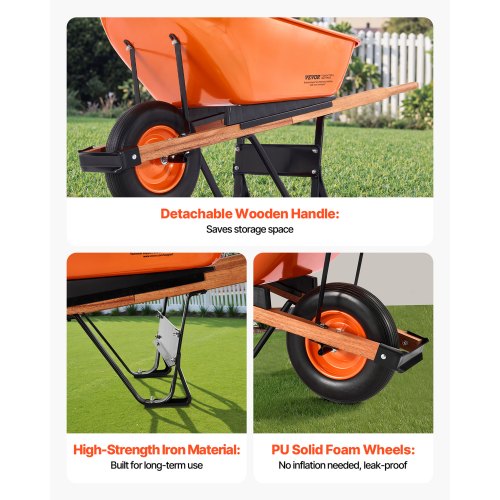
Wheelbarrows come in different materials like steel, plastic, and wood. Each has its strengths.
Look for good build quality to last longer and hold heavy loads safely.
- Steel is very strong and lasts long but can be heavy.
- Plastic is light and resists rust but may not hold very heavy loads.
- Wood is classic and sturdy but needs care to avoid damage.
- Check handles and wheels for solid construction.
Size And Capacity Considerations
Wheelbarrows come in many sizes. Choose one with the right size and capacity for your tasks.
Too big or too small can make work harder or less safe.
- Smaller wheelbarrows are easier to control but carry less.
- Larger wheelbarrows hold more but can be heavy and hard to push.
- Think about how much weight you will carry regularly.
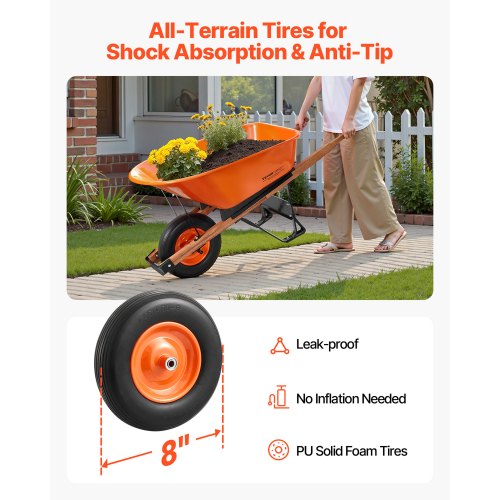
- Check the tire size for better balance and easier movement.
Preparing For Loading
Loading a wheelbarrow safely helps you work better and avoid accidents. Get ready before you start to make the task easier.
Proper preparation means clearing space, wearing safety gear, and placing the wheelbarrow in the right spot.
Clearing The Loading Area
Remove all obstacles from where you will load the wheelbarrow. This keeps your work area safe and open.
Check for rocks, tools, or debris that might cause trips or falls. A clean area helps you load faster and safer.
- Pick up loose items on the ground
- Make sure the surface is flat and stable
- Keep the area well-lit if working early or late
Wearing Proper Safety Gear
Wear the right clothes and gear to protect yourself. Safety gear helps prevent injuries while loading.
Use gloves to protect your hands from sharp or rough materials. Wear closed shoes to guard your feet.
- Use sturdy gloves
- Wear closed-toe shoes or boots
- Consider long pants to protect legs
- Use safety glasses if dust is present
Positioning The Wheelbarrow
Place the wheelbarrow close to where you will load. This reduces the effort needed to move heavy loads.
Set the wheelbarrow on flat ground. Make sure the front wheel faces forward for easy pushing.
- Place wheelbarrow near the material pile
- Check that the wheel is straight and stable
- Keep handles at a comfortable height for lifting
Effective Loading Techniques
Loading a wheelbarrow correctly makes work easier and safer. You can carry more material without risking injury or spills.
Focus on how to balance the load, use tools well, and pack the wheelbarrow for the best results.
Distributing Weight Evenly
Place heavy items close to the wheel to keep the load stable. Spread the weight evenly from side to side.
- Put dense materials near the front center
- Fill gaps with lighter materials
- Avoid piling too high to prevent tipping
- Check balance by lifting slightly before moving
Using Shovels And Tools
Use a shovel to load dirt or gravel smoothly. Tools help you control the amount and where you place the material.
| Tool | Purpose | Tip |
| Shovel | Move loose material | Use the edge to scrape |
| Rake | Spread material evenly | Drag lightly to avoid spills |
| Gloves | Protect hands | Choose sturdy, fit gloves |
Maximizing Load Without Overloading
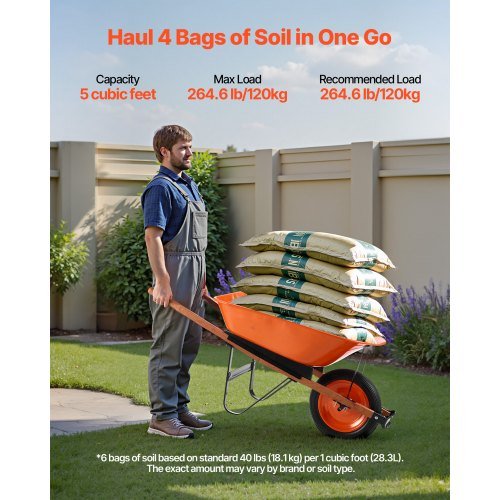
Load the wheelbarrow to its best capacity without making it too heavy. Overloading makes pushing hard and unsafe.
- Fill the wheelbarrow to about three quarters full
- Keep the load low to maintain control
- Test the weight by lifting handles before moving
- Make several trips if needed to stay safe
Credit: www.vevor.com
Ergonomic Tips For Lifting
Loading a wheelbarrow can strain your body if you do not lift correctly. Using good lifting techniques protects your muscles and joints. Ergonomic tips help you lift safely and work more comfortably.
This guide focuses on body positioning, lifting with your legs, and ways to avoid common strains. Follow these tips to reduce injury risks and make your work easier.
Body Positioning
Stand close to the wheelbarrow with your feet shoulder-width apart. Keep your back straight and your shoulders relaxed. Face the load directly to avoid twisting your spine.
- Bend your knees slightly, not your waist.
- Keep your head up and look forward.
- Hold the load close to your body.
- Distribute your weight evenly on both feet.
Lifting With Legs, Not Back
Use your leg muscles to lift the wheelbarrow load. Your legs are stronger and less prone to injury than your back. Avoid bending or twisting your back during the lift.
| Do | Don’t |
| Bend your knees deeply | Bend only at the waist |
| Keep your back straight | Round your back |
| Lift smoothly and slowly | Lift quickly or jerk |
| Hold the load close to your body | Hold the load far from your body |
Avoiding Common Strains
Strains occur from bad posture, overreaching, or lifting too much weight. Take breaks and listen to your body to prevent injuries.
- Warm up before lifting heavy loads.
- Use gloves for a better grip.
- Ask for help if the load feels too heavy.
- Take short rests between lifts.
- Stretch your back and legs after work.
Maintaining Efficiency During Transport
Loading a wheelbarrow correctly keeps your work smooth and safe. It helps you carry more without extra effort.
Focus on how you balance the load, pick routes, and handle obstacles. These tips save time and energy.
Balancing The Load
Place heavy items near the wheel to make pushing easier. Spread weight evenly to keep the wheelbarrow steady.
- Load heavier materials first
- Distribute weight on both sides equally
- Do not overload beyond the wheelbarrow’s capacity
- Check that the load does not block your view
Choosing Optimal Routes
Pick paths that are short and smooth. Avoid steep hills and rough surfaces to reduce strain.
| Route Type | Advantages |
| Flat and paved | Easy to push, less effort |
| Gravel or dirt | Slower, needs careful pushing |
| Steep slopes | Hard to control, risk of tipping |
Handling Obstacles Safely
Slow down before obstacles. Lift the handles slightly to pass over rocks or roots. Keep control to avoid spills.
- Look ahead to spot obstacles early
- Use steady, controlled movements
- If needed, get help for heavy loads
- Wear gloves and sturdy shoes for protection
Credit: www.vevor.ca
Post-use Care
Taking care of your wheelbarrow after each use helps it last longer. Proper care keeps it safe and ready for the next job.
Simple steps like cleaning, checking for damage, and storing it well make a big difference in its lifespan.
Cleaning The Wheelbarrow
Remove dirt and debris from the wheelbarrow after use. Clean the inside and outside to prevent rust and buildup.
Use water and a brush to scrub off mud or cement. Dry the wheelbarrow fully to stop moisture damage.
- Rinse with water to remove loose dirt
- Scrub stubborn stains with a stiff brush
- Wipe dry with a cloth or let air dry
Checking For Wear And Damage
Look over your wheelbarrow for cracks, rust, or loose parts. Fix small issues before they grow bigger.
Check the tire for air pressure and any holes. Tighten bolts and nuts to keep the wheelbarrow sturdy.
- Inspect handles and tray for cracks or bends
- Check tire for proper inflation and punctures
- Tighten all nuts and bolts securely
- Look for rust spots and treat them promptly
Storage Best Practices
Store your wheelbarrow in a dry place to protect it from rain and sun. Avoid leaving it outside uncovered.
Keep it off the ground if possible. Hang it or place it on blocks to avoid moisture damage to the wheels and frame.
- Store indoors or under a covered area
- Keep the wheelbarrow off damp ground
- Hang it on a wall or place on wooden blocks
- Cover with a tarp if stored outside

Credit: www.amazon.co.uk
Frequently Asked Questions
How Do You Properly Load A Wheelbarrow?
To load a wheelbarrow properly, start by placing heavy items closest to the wheel. This balances the weight and makes pushing easier. Distribute materials evenly to avoid tipping. Avoid overloading to maintain control and prevent strain during transport.
What Materials Are Best For Loading In A Wheelbarrow?
Wheelbarrows are ideal for moving soil, mulch, gravel, bricks, and tools. Use them for garden debris or construction materials. Choose materials that fit securely and won’t spill easily. Proper loading ensures safety and efficiency.
How Much Weight Can A Wheelbarrow Safely Carry?
Most wheelbarrows can carry between 100 to 150 pounds safely. Always check your wheelbarrow’s weight capacity before loading. Avoid exceeding this limit to prevent damage and ensure safe handling.
What’s The Best Technique For Lifting A Loaded Wheelbarrow?
Bend your knees and keep your back straight when lifting. Grip the handles firmly and lift smoothly using your leg muscles. Avoid sudden movements to reduce injury risk and maintain balance.
Conclusion
Loading a wheelbarrow correctly ensures safety and efficiency. Always balance the load to prevent tipping. Secure heavy items at the bottom. Keep lighter materials on top. This makes pushing the wheelbarrow easier. Use your knees, not your back, to lift heavy loads.
Avoid overloading to maintain control. Practice makes perfect. With time, loading becomes second nature. Remember, a well-loaded wheelbarrow saves effort and reduces strain. Whether in a garden or on a construction site, these tips help. Stay safe and enjoy your tasks with less hassle.
Loading a wheelbarrow is simple with the right approach.

