
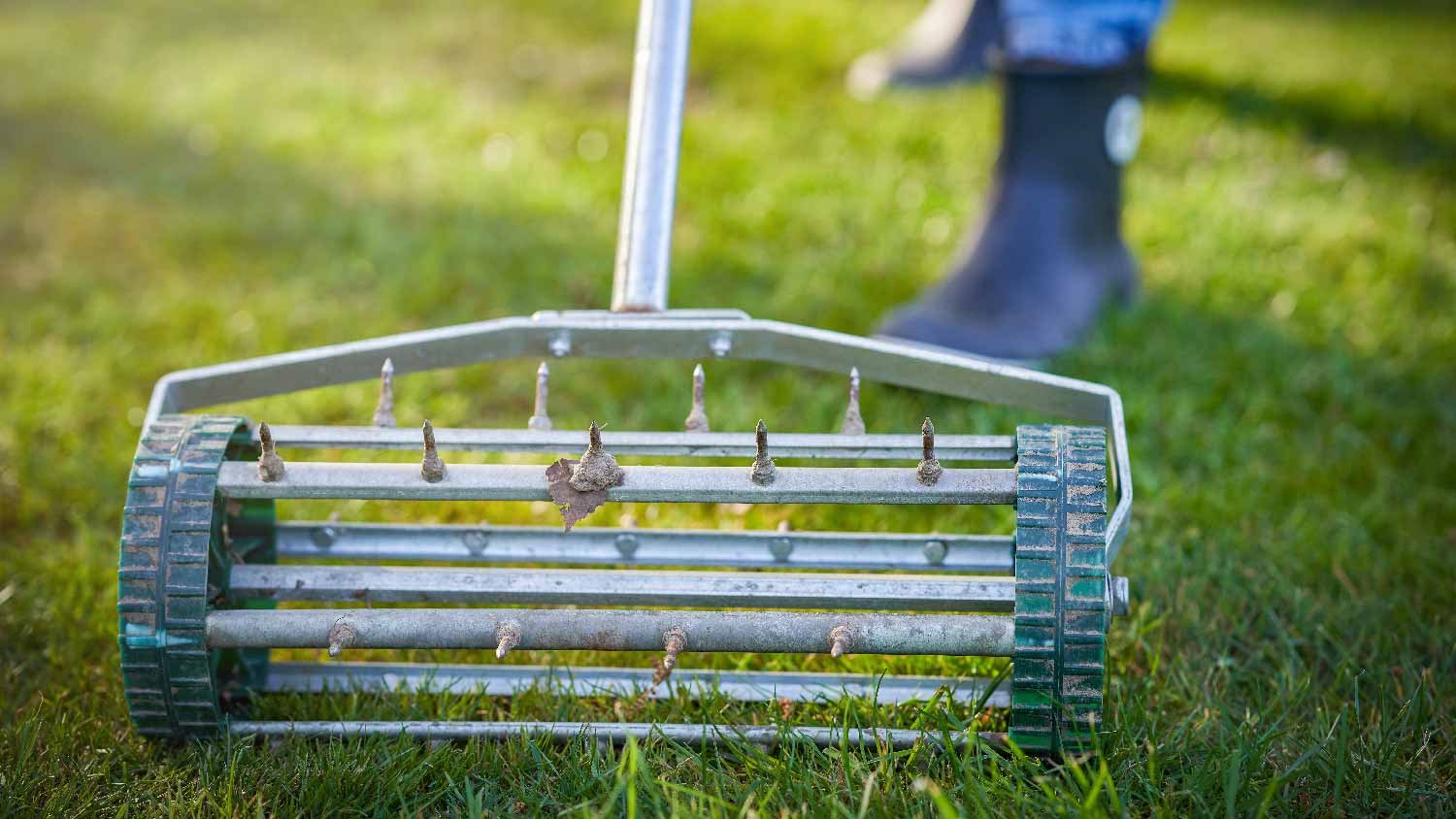
Are you struggling to keep your lawn healthy and green? You might have heard about lawn aeration and scarifying, but which one is right for your grass?
Understanding the difference between these two lawn care techniques can make a huge impact on your yard’s appearance. You’ll discover how aeration and scarifying work, when to use each, and how they can transform your lawn. Keep reading to unlock the secret to a thicker, more vibrant lawn that will make your neighbors jealous.
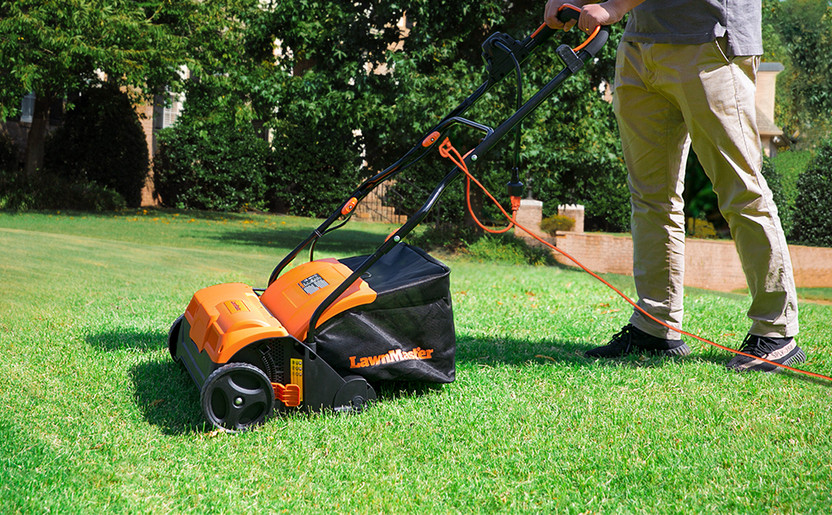
Credit: lawnmaster.com
Lawn Aeration Basics
Lawn aeration helps grass grow better by improving soil health. It makes the lawn stronger and greener.
This process is often confused with scarifying, but they are different. Aeration focuses on soil, scarifying on removing thatch.
What Is Lawn Aeration
Lawn aeration means making small holes in the soil. These holes let air, water, and nutrients reach the roots.
Aeration reduces soil compaction and helps grass roots grow deep and healthy. It also helps with drainage.
Types Of Aeration Methods
There are two main types of aeration. Each works in a different way to improve soil health.
- Core Aeration: Removes small plugs of soil from the lawn.
- Spike Aeration: Makes holes by pushing spikes into the ground.
Core aeration is better for heavy, compacted soil. Spike aeration is faster but less effective for tough soil.
Benefits Of Aeration
Aeration has many benefits for your lawn. It helps grass grow stronger and look healthier.
- Improves air exchange between soil and atmosphere
- Enhances water absorption and reduces runoff
- Helps nutrients reach the roots
- Reduces soil compaction
- Increases root growth and lawn thickness
- Improves resistance to heat and drought
Scarifying Essentials
Scarifying is a lawn care process that helps grass grow healthier. It removes dead grass and moss from your lawn surface.
This process improves air, water, and nutrient flow to the grass roots. It is a key step for a fresh and green lawn.
What Is Scarifying
Scarifying means cutting through the thatch layer on your lawn. Thatch is a build-up of dead grass and roots on top of the soil.
The scarifier tool pulls out this layer to clear space for new grass to grow. This helps the lawn breathe and stay strong.
Tools Used For Scarifying
- Manual Scarifier Rake – a hand tool with blades or tines to pull up thatch
- Electric Scarifier – a small machine for home lawns
- Petrol Scarifier – a larger machine for big lawns or heavy thatch
- Verticutter – similar to scarifiers, it cuts into the soil to reduce compaction
Choosing the right tool depends on lawn size and thatch thickness. Manual rakes are best for small areas.
Advantages Of Scarifying
| Advantage | Benefit |
| Improves Air Flow | Grass roots get more oxygen |
| Reduces Moss | Prevents moss from choking grass |
| Enhances Water Absorption | Water reaches soil quickly |
| Boosts Nutrient Uptake | Grass gets more nutrients for growth |
| Promotes Strong Roots | Lawn becomes more durable and green |
Comparing Aeration And Scarifying
Lawn care includes many tasks to keep grass healthy and green. Two important tasks are aeration and scarifying. Both help the lawn but work in different ways.
This guide compares aeration and scarifying. It explains their key differences and when to use each one.
Key Differences
Aeration makes small holes in the soil to let air, water, and nutrients reach roots. It helps soil breathe and reduces compaction.
Scarifying removes dead grass, moss, and thatch from the lawn surface. It clears the lawn and helps new grass grow better.
- Aeration targets soil health and root growth.
- Scarifying targets surface debris and thatch buildup.
- Aeration uses spikes or plugs to open the soil.
- Scarifying uses blades or tines to remove debris.
- Aeration is gentle on grass but deeper.
- Scarifying is more aggressive and clears the surface.
When To Choose Aeration
Choose aeration if your soil is hard and compacted. It helps roots grow stronger by letting air and water reach them.
Aeration is good for lawns with heavy foot traffic or clay soil. It improves drainage and reduces water pooling.
- Soil feels hard or crusty
- Grass looks thin or weak
- Water pools on the lawn
- Lawn has heavy use or traffic
When To Opt For Scarifying
Choose scarifying if your lawn has thick thatch or moss. It cleans the lawn surface and stops disease problems.
Scarifying helps new grass seeds reach the soil. It is best done in spring or autumn for lawn renewal.
- Thick layer of dead grass or thatch
- Moss growing on the lawn
- Lawn looks patchy or unhealthy
- Preparing lawn for reseeding

Credit: allett.co.uk
Impact On Lawn Health
Lawn aeration and scarifying both help keep your grass healthy. Each one affects the lawn in different ways.
Understanding how they work can help you decide what your lawn needs most.
Effect On Soil And Roots
Aeration makes holes in the soil to let air, water, and nutrients reach roots. This helps roots grow deeper and stronger.
Scarifying removes dead grass and moss on the surface but does not reach deep into the soil. It mainly cleans the lawn’s top layer.
Dealing With Thatch And Compaction
Scarifying cuts through thatch, a thick layer of dead grass and roots. This helps stop diseases and allows the lawn to breathe.
Aeration breaks up compacted soil below the surface. This reduces soil hardness and lets roots spread out better.
- Scarifying removes surface thatch
- Aeration relieves soil compaction
- Both improve lawn conditions in different ways
Improving Nutrient Uptake
Aeration helps nutrients reach grass roots by opening the soil. This makes feeding the lawn more effective.
Scarifying clears dead material that blocks nutrients on the surface. It helps new grass grow by improving light and air flow.
Seasonal Timing And Frequency
Knowing when to aerate or scarify your lawn keeps it healthy and green. These tasks help soil breathe and remove thatch buildup.
Timing and how often you do them depends on your grass type and climate. Let’s look at the best seasons and frequency for each.
Best Seasons For Aeration
Aeration works best during your lawn’s active growing seasons. This helps the grass recover quickly after the soil is pierced.
- Spring: Ideal for cool-season grasses like fescue and bluegrass.
- Fall: Good for warm-season grasses such as Bermuda and zoysia.
- Early summer: Possible for warm-season grasses before heat stress starts.
Optimal Times For Scarifying
Scarifying removes dead grass and thatch. It is best done when the lawn is growing well so it can heal fast.
| Season | Cool-Season Grass | Warm-Season Grass |
| Spring | Good | Not recommended |
| Summer | Not recommended | Good |
| Fall | Best | Not recommended |
How Often To Perform Each
Frequency depends on soil type, lawn use, and grass health. Both aeration and scarifying should not be overdone.
- Aeration: Once a year is enough for most lawns.
- Scarifying: Once or twice a year, depending on thatch levels.
- Lawns with heavy use or poor soil might need more frequent care.

Credit: www.greenthumb.co.uk
Step-by-step Lawn Care Tips
Lawn aeration and scarifying improve grass health in different ways. Both help your lawn breathe and grow better. This guide shows how to do each step safely and well.
Follow these clear steps to prepare, treat, and care for your lawn. This will make your grass look green and strong all year.
Preparing Your Lawn
Start by mowing your lawn short. This helps tools reach the soil and grass roots easily. Remove any leaves, sticks, or debris.
Water the lawn one or two days before treatment. The soil should be moist but not wet. This makes aeration and scarifying easier.
- Cut grass to about 1-2 inches tall
- Clear away leaves and debris
- Water lawn lightly 24-48 hours before
Performing Aeration Safely
Aeration makes small holes in the soil to let air, water, and nutrients reach roots. Use a core aerator tool for best results. Avoid aerating when soil is dry or very wet.
Walk slowly over the lawn, covering all areas evenly. Do not aerate the same spot multiple times. Wear gloves and closed shoes for safety.
- Use a core aerator or spike aerator
- Aerate only when soil is moist
- Cover entire lawn without overlap
- Wear gloves and closed shoes
Executing Scarifying Properly
Scarifying removes dead grass, moss, and thatch from the lawn surface. Use a scarifier or rake with sharp blades. Do not scarify if the lawn is weak or very dry.
Work in straight lines, overlapping slightly for full coverage. Adjust the depth so it pulls up debris without damaging roots. Clear the debris after scarifying.
- Use a scarifier or sharp blade rake
- Scarify when lawn is healthy and moist
- Overlap passes for full coverage
- Remove debris after scarifying
Post-treatment Care
After aeration or scarifying, water your lawn gently to help recovery. Avoid heavy foot traffic for a few days. Apply lawn feed to support new growth.
Keep mowing regularly but avoid cutting too short. Remove any remaining debris to keep the lawn clean. Repeat treatments yearly or as needed for best results.
- Water lawn lightly after treatment
- Stay off lawn for several days
- Apply fertilizer or lawn feed
- Mow regularly at safe height
- Remove leftover debris
Common Mistakes To Avoid
Lawn aeration and scarifying help keep grass healthy. Many make mistakes that harm their lawn instead.
Knowing what to avoid can save your lawn from damage and keep it green and strong.
Overdoing The Procedures
Doing aeration or scarifying too often can hurt your lawn. It stresses the grass and soil.
Both should be done only as needed, not every week or month.
- Over-aeration breaks grass roots
- Too much scarifying removes healthy grass
- Frequent work leads to dry, weak soil
Ignoring Lawn Conditions
Not checking your lawn before these tasks causes problems. Different lawns need different care.
Dry, wet, or thin lawns need special attention before aeration or scarifying.
- Wet soil can get damaged easily
- Dry soil may need watering first
- Thin grass needs gentle scarifying
Wrong Timing Pitfalls
Doing these jobs at the wrong time hurts the lawn’s growth. Timing is very important.
Aerate or scarify when grass is growing strong, not when it is dormant or stressed.
- Aerate in early spring or fall
- Scarify in early spring or late summer
- Avoid doing this in winter or drought
Choosing The Right Equipment
Lawn aeration and scarifying need different tools. Picking the right equipment helps your lawn stay healthy.
Choosing tools depends on your lawn size, budget, and effort you want to spend.
Manual Vs Motorized Tools
Manual tools need physical work but cost less. Motorized tools save time and work for big lawns.
Manual aerators and scarifiers work well for small gardens. Motorized versions cover large areas fast.
- Manual tools are quiet and light
- Motorized tools are faster and easier
- Manual tools need more effort
- Motorized tools need fuel or electricity
Renting Vs Buying
Renting equipment suits one-time or rare use. Buying works well if you need it often.
Renting saves money but may limit when you use the tool. Buying costs more but gives full control.
- Rent for short-term projects
- Buy if you aerate or scarify yearly
- Check rental tool condition before use
- Buying needs space for storage
Maintenance Tips
Keep your tools clean to work well. Dirt and grass can cause damage over time.
Sharpen blades and check moving parts regularly. Proper care extends tool life and performance.
- Wash tools after use
- Dry tools to prevent rust
- Oil moving parts often
- Store tools in a dry place
Enhancing Results With Additional Lawn Care
Lawn aeration and scarifying improve soil and grass health. They help roots get air and remove dead grass.
To get the best results, follow these steps after aeration or scarifying. Proper care helps your lawn grow strong and green.
Fertilizing After Aeration Or Scarifying
Fertilizing after aeration or scarifying adds nutrients to the soil. It helps grass recover and grow faster. Use a slow-release fertilizer for steady feeding.
- Choose a fertilizer rich in nitrogen for green growth
- Apply fertilizer evenly over the lawn
- Follow package instructions for the best amount
- Water the lawn lightly after fertilizing
Seeding And Overseeding
Seeding or overseeding fills bare spots and thickens the grass. Aeration opens the soil, so seeds reach the ground better.
| Type | Best Time to Seed | Notes |
| Cool-season grasses | Early fall or spring | Use in northern regions |
| Warm-season grasses | Late spring or summer | Use in southern regions |
| Overseeding | After aeration or scarifying | Helps lawn stay dense |
Watering Strategies
Watering after aeration or scarifying keeps soil moist and helps seeds grow. Water often but lightly at first.
- Water immediately after aeration or scarifying
- Keep the soil damp for two weeks
- Water early in the morning to reduce evaporation
- Reduce watering as grass grows stronger
Frequently Asked Questions
What Is The Main Difference Between Lawn Aeration And Scarifying?
Lawn aeration creates holes to improve soil air and water flow. Scarifying removes thatch and moss buildup on the lawn surface. Both improve lawn health but target different problems.
When Should I Aerate My Lawn Versus Scarify It?
Aerate in spring or fall to relieve soil compaction. Scarify in early spring or autumn to clear thatch and moss. Timing depends on lawn condition and grass type.
Can Lawn Aeration And Scarifying Be Done Together?
Yes, they complement each other when spaced properly. Scarify first to remove debris, then aerate to loosen soil. This boosts nutrient absorption and promotes healthier grass growth.
How Do Aeration And Scarifying Benefit Lawn Health?
Aeration improves oxygen and water penetration to roots. Scarifying prevents thatch buildup that blocks nutrients. Both reduce lawn stress and encourage stronger, greener grass.
Conclusion
Choosing between lawn aeration and scarifying depends on your lawn’s needs. Aeration helps with soil compaction and root health. It’s perfect for hard, compacted lawns. Scarifying removes thatch and moss, allowing grass to breathe. Ideal for lawns with excess thatch.
Both processes improve lawn health, but their focus differs. Assess your lawn carefully. Identify its problems first. Then, decide which treatment suits best. Regular maintenance ensures a lush, green lawn. Healthy grass brings beauty to any garden. Consistent care leads to long-term results.
Keep these points in mind for a vibrant lawn.
