
Towing a lawn roller might seem tricky if you’ve never done it before. But once you know the right steps, it becomes a simple task that saves you time and effort.
Whether you want to level your lawn or press down freshly seeded grass, using your lawn roller correctly is key. In this guide, you’ll discover easy-to-follow tips that make towing your lawn roller safe and efficient. Keep reading, and you’ll be ready to tackle your lawn like a pro in no time.
Choosing The Right Lawn Roller
Selecting the right lawn roller makes towing easier and your lawn smoother. Lawn rollers help flatten soil and seeds for better grass growth.
Knowing the types, size, weight, and material of a lawn roller helps you pick the best one for your needs.
Types Of Lawn Rollers
Lawn rollers come in different types based on how they work and what they are made of. Each type suits different lawn jobs.
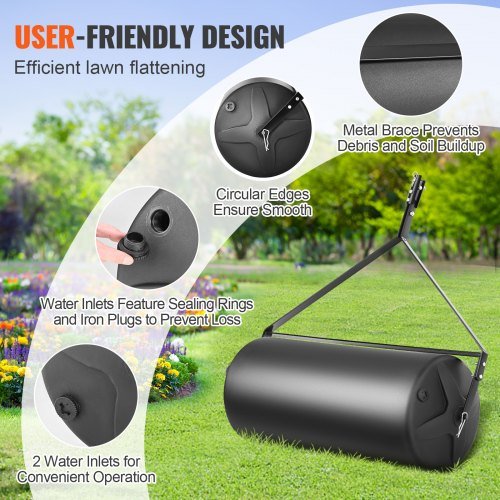
- Water-Filled Rollers: These rollers fill with water to add weight. They are easy to adjust for light or heavy rolling.
- Steel Rollers: Made of solid steel, these rollers are very heavy and work well on tough soil.
- Plastic Rollers: Lightweight and easy to tow, plastic rollers are good for small lawns.
- Manual Rollers: These are pushed by hand and work for small areas or light tasks.
Size And Weight Considerations
The size and weight of a lawn roller affect how easy it is to tow and how well it works. Large rollers cover more ground but can be hard to move.
Heavy rollers press the soil better but need stronger towing tools. Choose a size and weight that match your lawn size and towing method.
- Small rollers: Best for small lawns and light towing.
- Medium rollers: Good for average lawns and standard towing equipment.
- Large rollers: Ideal for big lawns but need strong towing machines.
- Weight: Adjustable water-filled rollers let you control the weight.
Material And Durability
The material of the lawn roller affects how long it lasts and how it handles rough use. Choose materials that suit your lawn conditions.
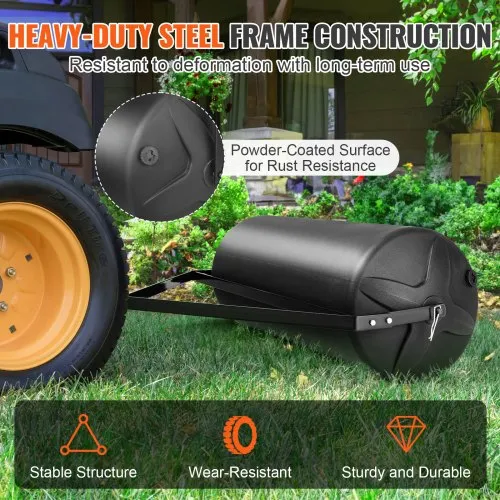
Steel rollers are strong and last long but can rust if not cared for. Plastic rollers resist rust but may break under heavy use.
- Steel: Durable, heavy, may need rust protection.
- Plastic: Lightweight, rust-free, less durable.
- Wood: Rare today but can be durable with care.
- Rubber Coated: Protects grass and adds durability.
Credit: www.vevor.ca
Preparing Your Lawn Roller For Towing
Before towing your lawn roller, you must prepare it properly. This keeps the roller safe and prevents damage.
Check the roller carefully, adjust its weight, and secure any parts that might move. These steps help make towing easier.
Checking For Damage
Look over your lawn roller for cracks, dents, or rust. Check the roller drum and frame closely. Fix any damage before towing.
Also, inspect the hitch or towing point. Make sure it is strong and not bent or loose.
Emptying Or Filling The Roller
Your roller may be filled with water or sand to add weight. Decide if you need to empty or fill it for towing.
- If the roller is too heavy, drain some water or sand to reduce weight.
- If it is too light, fill it to add weight for better rolling.
- Use proper tools to open the fill/drain plugs carefully.
- Ensure plugs are tightly closed after filling or emptying.
Securing Moving Parts
Moving parts can shift during towing and cause damage. Secure all parts before you start.
| Part | How to Secure |
|---|---|
| Handle | Lock in place or tie down with straps |
| Hitch | Ensure latch is fastened tightly |
| Wheels (if any) | Check brakes or chock wheels to avoid rolling |
Selecting The Proper Towing Equipment
Towing a lawn roller needs the right equipment for safety and ease. Using the wrong tools can cause damage or accidents.
Focus on choosing the right vehicle, hitch, and safety gear. This guide explains what to look for in each category.
Compatible Vehicles
Not all vehicles can tow a lawn roller safely. The vehicle needs enough power and the correct towing capacity.
- Use a tractor or lawn mower designed for towing
- Check the vehicle’s manual for its towing limit
- Avoid small garden tools that lack towing features
- Choose a vehicle with a hitch receiver suitable for attachments
Hitch Types And Attachments
Hitches connect the lawn roller to the vehicle. Pick the right hitch type for a secure and stable tow.
| Hitch Type | Description | Best Use |
| Ball Hitch | A round ball that fits in the roller’s coupler | Light to medium lawn rollers |
| Pintle Hitch | Hook and ring design for strong, flexible connection | Heavy-duty towing |
| Pin Hitch | Simple pin that locks the attachment | Small rollers and garden tractors |
Safety Chains And Straps
Safety chains and straps keep the lawn roller connected if the hitch fails. Use strong, well-maintained chains or straps.
- Attach safety chains in a crossed pattern under the hitch
- Use ratchet straps to secure loose parts
- Inspect chains and straps for wear before towing
- Never rely on the hitch alone for safety
Attaching The Lawn Roller To Your Vehicle
Attaching a lawn roller to your vehicle lets you prepare your lawn quickly. It is important to do it safely and correctly.
This guide helps you connect the roller firmly before towing. Follow the steps carefully to avoid damage or accidents.
Aligning The Hitch
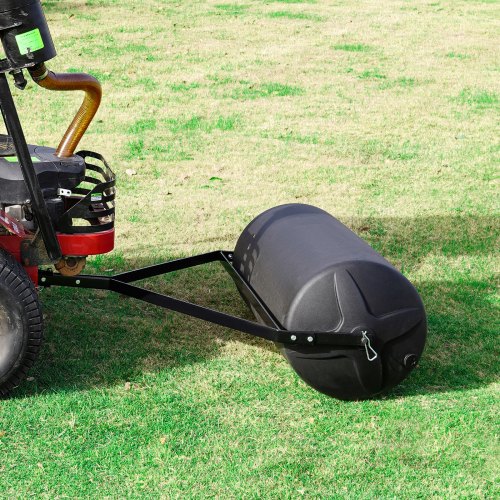
Start by placing your vehicle close to the lawn roller. The hitch on your vehicle must line up with the roller’s tow bar.
Make sure the vehicle and roller are on flat ground to keep them stable during attachment.
- Park the vehicle near the roller
- Check that the hitch and tow bar are at the same height
- Keep the vehicle straight to avoid bending the hitch
Connecting The Roller Safely
Lower the roller’s tow bar onto the vehicle’s hitch. Make sure it fits snugly without forcing it.
Secure the connection with a locking pin or clip. This keeps the roller attached while moving.
- Lower the tow bar slowly
- Insert the locking pin through the hitch hole
- Attach the safety clip to the pin
- Use safety chains if your vehicle has them
Testing The Connection
Before towing, pull the roller slightly to check the connection. It should not come loose or wobble.
Also, check that all pins and clips are in place and secure. This helps prevent accidents while driving.
- Give the roller a gentle tug
- Look for any movement in the hitch area
- Ensure pins and clips are tight
- Double-check safety chains if used
Towing Techniques For Safe Lawn Care
Towing a lawn roller requires care and attention. Using the right techniques keeps your lawn safe and your equipment working well.
This guide covers key tips for driving speed, avoiding obstacles, and handling slopes when towing a lawn roller.
Driving Speed And Maneuvers
Drive at a slow, steady speed to avoid damaging your lawn or roller. Sharp turns can cause the roller to tip or dig into the ground.
- Keep your speed under 5 miles per hour
- Make wide, gentle turns
- Avoid sudden stops or starts
- Use low gears for better control
Avoiding Obstacles
Clear your path before towing. Rocks, sticks, and uneven patches can cause accidents or damage the roller.
| Obstacle | Risk | How to Avoid |
| Rocks | Roller damage | Remove or steer around |
| Tree roots | Uneven rolling | Mark and avoid |
| Wet patches | Slipping | Wait to dry or go slowly |
| Garden beds | Plant damage | Keep clear boundaries |
Handling Slopes And Uneven Ground
Drive carefully on hills and bumps. Keep the roller straight and avoid sudden movements.
Tips for slopes and uneven ground:
- Go slow and steady uphill and downhill
- Keep the roller aligned with the slope
- Use a lower gear for more control
- Stop if the roller feels unstable

Credit: www.amazon.ca
Maintenance After Towing
Proper care after towing a lawn roller keeps it in good shape. Regular maintenance helps the roller last longer and work better.
Check the roller carefully and clean it before storing. This stops damage and rust from forming.
Inspecting For Wear And Tear
Look over the lawn roller for any damage after use. Check the surface, wheels, and handles for cracks or dents.
- Examine the roller drum for dents or rust spots
- Check tires or wheels for flat spots or cracks
- Inspect handles and joints for looseness or breaks
- Make sure all bolts and nuts are tight
Cleaning The Roller
Clean the roller to remove dirt and grass clippings. Use water and a soft brush to avoid scratches.
| Cleaning Step | Details |
| Rinse | Use a garden hose to rinse off loose dirt |
| Scrub | Gently scrub with soapy water and a brush |
| Dry | Wipe with a dry cloth to prevent rust |
| Lubricate | Apply oil to moving parts to keep them smooth |
Storing Properly
Store the lawn roller in a dry, covered place. Keep it off the ground to avoid moisture damage.
- Place the roller on wooden blocks or pallets
- Cover with a waterproof tarp if stored outside
- Keep away from direct sunlight to protect paint
- Check the roller every few months for rust or damage
Credit: www.vevor.ca
Frequently Asked Questions
How Do I Safely Tow A Lawn Roller?
To tow a lawn roller safely, connect it securely to your vehicle. Use a proper hitch and check weight limits. Tow at slow speeds and avoid sharp turns to maintain control and protect the roller and vehicle.
What Equipment Is Needed To Tow A Lawn Roller?
You need a vehicle with a hitch, a tow bar or chain, and safety pins. Ensure the hitch matches the roller’s tow eye. Use gloves for handling and check all connections before towing.
Can Any Vehicle Tow A Lawn Roller?
Not all vehicles can tow a lawn roller. Check the vehicle’s towing capacity and hitch compatibility. Small cars usually can’t tow heavy rollers, so use tractors or trucks designed for towing.
How Fast Should I Tow A Lawn Roller?
Tow a lawn roller at speeds below 15 mph (25 km/h). Slow speeds prevent damage to the roller and improve safety. Avoid sudden stops and sharp turns while towing.
Conclusion
Towing a lawn roller doesn’t have to be difficult. With the right steps, it’s easy and safe. Secure the roller properly before moving. Always check your equipment for any issues. Practice makes perfect, so take your time. Stay focused and avoid distractions.
Your lawn will thank you for the extra care. A well-maintained lawn roller helps keep your grass healthy. Follow these tips for successful towing every time. Remember, safety comes first. Happy rolling!
