
Have you ever wondered why your plants aren’t growing as well as they should? The secret might be hidden right beneath your feet—in the soil.
Understanding what’s in your soil can make all the difference between a thriving garden and a struggling one. That’s where a soil test kit comes in. But how does it actually work? You’ll discover the simple steps a soil test kit uses to reveal the health of your soil, helping you make smarter choices for your garden.
Keep reading, and you’ll unlock the key to greener, stronger plants.
Soil Test Kit Components
Soil test kits help you check the health of your soil. They contain different parts to test soil quality at home. Understanding these parts makes testing easier.
Each kit comes with tools and materials to collect and analyze soil samples. These tools guide you to get accurate results for your garden or farm soil.
Types Of Kits Available
Soil test kits vary based on what they test. Some check basic nutrients, others test soil pH and minerals. Choose a kit that matches your needs.
- Basic Kits:Test pH, nitrogen, phosphorus, and potassium levels.
- Advanced Kits:Include tests for micronutrients like iron and zinc.
- Digital Kits:Use electronic sensors for faster results.
- Lab Kits:Send samples to a lab for detailed analysis.
Essential Tools Included
Most soil test kits come with key tools to collect and test soil samples. These tools help you prepare the soil for testing and read the results correctly.
| Tool | Purpose |
| Soil Scoop or Trowel | Collect soil samples from different spots |
| Test Tubes or Containers | Hold soil and liquids during testing |
| Color Chart | Compare color changes to determine nutrient levels |
| Reagents or Testing Solutions | React with soil to show nutrient presence |
| Instruction Manual | Guide on how to perform tests step-by-step |

Credit: www.amazon.com
Preparing Soil Samples
Preparing soil samples is important for accurate soil testing. Proper steps ensure the test results reflect your soil’s true condition.
This guide explains how to select sampling spots and handle soil samples correctly for the best test results.
Selecting Sampling Spots
Choose spots that represent the entire area you want to test. Avoid unusual places like near compost piles or old buildings.
- Pick several spots across your field or garden
- Do not include areas with different soil types or recent fertilizer use
- Sample each spot separately before mixing
- Avoid spots with recent heavy traffic or animal waste
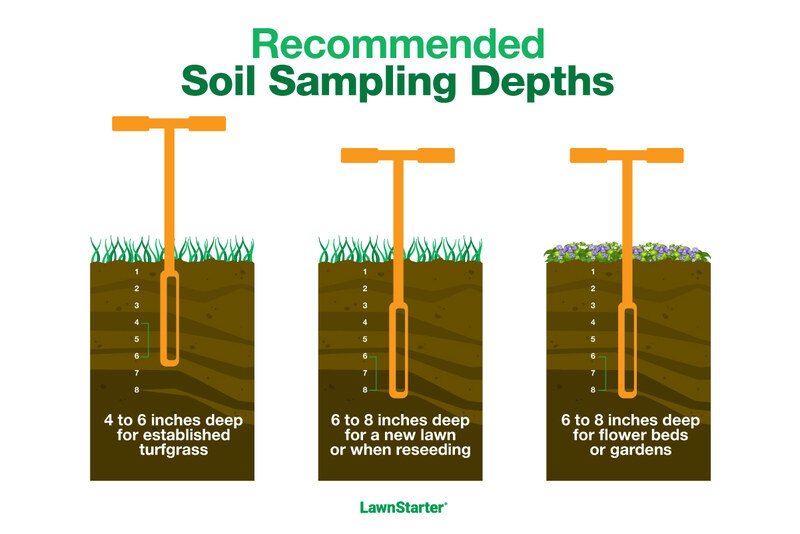
- Take samples from the root zone depth, usually 6 to 8 inches
Collecting And Handling Soil
Collect soil using clean tools to avoid contamination. Mix soil from each spot in a clean container for a composite sample.
| Action | Reason |
|---|---|
| Use a clean trowel or soil probe | Prevents mixing contaminants with your soil |
| Remove surface debris before sampling | Ensures sample is only soil, not leaves or roots |
| Mix samples well in a clean bucket | Creates a uniform sample for testing |
| Air dry the soil if wet | Prevents mold growth and keeps soil stable |
| Store samples in labeled bags or containers | Keeps samples organized and easy to identify |
Testing Soil Ph
Soil pH shows how acidic or basic the soil is. Testing soil pH helps plants grow better.
Soil test kits make it easy to check pH levels at home or in the garden.
Importance Of Ph Levels
Soil pH affects how plants absorb nutrients. If pH is wrong, plants may get sick.
Each plant type prefers a certain pH range. Knowing soil pH helps you choose the right plants.
- Low pH means acidic soil
- High pH means alkaline soil
- Neutral pH is around 7
- Most plants grow best in pH 6 to 7
Using Ph Indicators
pH indicators show soil acidity by changing color. They are easy to use in soil test kits.
To test, mix soil with water and add the indicator. The color tells you the pH level.
- Red or orange means acidic soil
- Green means neutral soil
- Blue or purple means alkaline soil
- Use a chart to match colors with pH numbers

Credit: www.amazon.com
Measuring Nutrient Levels
Soil test kits help measure the nutrients in your soil. These kits give quick results to guide your gardening or farming.
They focus on key nutrients like nitrogen, phosphorus, and potassium. Knowing their levels helps plants grow healthy.
Testing For Nitrogen
Nitrogen is vital for plant growth. It helps leaves stay green and grow strong. Soil test kits use a chemical to show nitrogen levels.
- Collect soil sample and mix with water
- Add the kit’s testing solution to the mix
- Wait for color change on the test strip
- Match the color to the chart for nitrogen level
Checking Phosphorus And Potassium
Phosphorus helps roots grow strong. Potassium supports overall plant health. Test kits use different methods to check these.
| Nutrient | Test Method | What It Shows |
| Phosphorus | Color change with reagent | Amount of available phosphorus |
| Potassium | Flame test or color strip | Potassium concentration in soil |
Interpreting Test Results
Soil test kits show results by changing colors. These colors tell you about your soil’s health.
Knowing how to read these colors and compare them to ideal values helps you decide what your soil needs.
Reading Color Changes
The test kit uses color strips or tubes that change color after contact with soil samples. Each color matches a nutrient level or pH value.
- Match the color on the strip to the chart in the kit.
- Note the color for each nutrient tested, like nitrogen or phosphorus.
- Use good lighting to see colors clearly.
- Record the colors to compare later.
Comparing With Ideal Ranges
After reading the colors, compare your results to ideal nutrient ranges. This shows if your soil needs improvement.
| Soil Component | Low | Ideal | High |
| Nitrogen (N) | Below 10 ppm | 10-30 ppm | Above 30 ppm |
| Phosphorus (P) | Below 15 ppm | 15-40 ppm | Above 40 ppm |
| Potassium (K) | Below 100 ppm | 100-200 ppm | Above 200 ppm |
| pH Level | Below 6.0 | 6.0-7.5 | Above 7.5 |
Use this table to understand if your soil lacks or has excess nutrients or if pH is off.
Improving Soil Based On Results
Soil test kits help you learn what your soil needs. They show the pH and nutrient levels. Using this information, you can make your soil healthier.
Adjusting your soil improves plant growth. You can add materials to fix problems. This guide explains how to adjust pH and add fertilizers or amendments.
Adjusting Ph
Soil pH affects how plants absorb nutrients. If the pH is too low or too high, plants may not grow well. Use your soil test results to decide how to adjust pH.
- If the soil is acidic (pH below 6), add lime to raise pH.
- If the soil is alkaline (pH above 7.5), add sulfur or peat moss to lower pH.
- Mix the materials well into the soil for even results.
- Test the soil again after a few weeks to check pH changes.
Adding Fertilizers And Amendments
Your soil test report shows nutrient levels like nitrogen, phosphorus, and potassium. Use this data to choose the right fertilizers and amendments.
| Nutrient | Signs of Deficiency | Common Amendments |
| Nitrogen (N) | Pale leaves, slow growth | Compost, blood meal, urea |
| Phosphorus (P) | Poor root growth, dark green or purple leaves | Bone meal, rock phosphate |
| Potassium (K) | Leaf edges turn brown, weak stems | Potash, wood ash |
Common Mistakes To Avoid
Using a soil test kit helps you learn about your soil’s health. Mistakes can lead to wrong results.
Knowing common errors can save time and money. It also improves the accuracy of your test.
Sampling Errors
Taking a soil sample is the first step. Wrong sampling affects the whole test outcome.
Do not take soil from only one spot. Soil changes even in small areas.
- Avoid sampling wet soil. It can give false readings.
- Do not include leaves, roots, or stones in the sample.
- Take samples from the correct depth, usually 4 to 6 inches.
- Mix several samples from the area to get an average.
Misreading Results
Test kits show numbers or colors to explain soil health. Wrong reading leads to wrong actions.
Follow the instructions carefully. Different kits have different ways to read results.
- Do not guess the color if your kit uses color charts.
- Read results within the time given in the instructions.
- Compare your sample to the chart in good light.
- Write down your results for future reference.
Benefits Of Regular Soil Testing
Regular soil testing helps gardeners understand their soil’s health. It shows nutrient levels and pH balance.
This knowledge lets gardeners make better decisions for planting and soil care. It improves plant growth and saves money.
Enhanced Plant Growth
Soil tests reveal which nutrients plants need. This helps avoid too much or too little fertilizer.
- Improves root development
- Supports healthy leaves and flowers
- Increases fruit and vegetable yields
- Prevents nutrient deficiencies and toxicities
Cost-effective Gardening
Testing soil before planting helps save money on fertilizers and soil amendments.
| Benefit | Explanation |
| Right Fertilizer Use | Buy only needed nutrients, avoid waste |
| Better Crop Yield | Healthy plants produce more food |
| Less Soil Damage | Prevent overuse of chemicals |
| Long-term Soil Health | Maintain balance for future plants |

Credit: gardentutor.com
Frequently Asked Questions
What Is A Soil Test Kit Used For?
A soil test kit analyzes soil nutrient levels and pH balance. It helps gardeners and farmers optimize soil conditions. This ensures healthy plant growth and better crop yields. The kit detects deficiencies or toxicities in soil components quickly and easily.
How Do Soil Test Kits Measure Soil Nutrients?
Soil test kits use chemical reagents to react with soil samples. Color changes indicate nutrient levels like nitrogen, phosphorus, and potassium. Users compare colors to a chart to determine nutrient content. This simple process provides fast and reliable soil information.
Why Is Soil Ph Testing Important In Soil Kits?
Soil pH affects nutrient availability and plant health. Testing pH helps identify if soil is acidic, neutral, or alkaline. Proper pH ensures plants absorb nutrients efficiently. Adjusting pH improves soil structure and boosts plant growth.
How Accurate Are Home Soil Test Kits?
Home soil test kits provide reasonably accurate results for basic soil analysis. They are best for general nutrient and pH testing. For detailed or precise results, professional lab tests are recommended. Kits offer a convenient and affordable soil health check.
Conclusion
Soil test kits help you learn about your soil’s health. They show what nutrients your soil needs. Using a kit is simple and quick. You collect soil, follow steps, and get results. Knowing your soil’s condition helps plants grow better.
It saves money by avoiding unnecessary fertilizers. Testing soil is smart for any gardener or farmer. Try a soil test kit to care for your land well. Small effort, big difference in your garden’s success.

