
Are you ready to make your vegetable garden work easier and more enjoyable? Using a wheelbarrow can save you time, reduce strain on your back, and help you move soil, plants, and tools with ease.
But how do you get the most out of this simple tool? You’ll discover practical tips to use your wheelbarrow like a pro, so your gardening tasks become smoother and more efficient. Keep reading, and you’ll soon wonder how you ever managed without it!
Choosing The Right Wheelbarrow
A good wheelbarrow helps you move soil, plants, and tools with ease. Picking the right one makes gardening easier and safer.
Think about how you will use the wheelbarrow before buying. This guide covers types, materials, and size to help you choose well.
Types Of Wheelbarrows
Wheelbarrows come in different styles. Each type suits a certain garden task better than others.
- Standard Wheelbarrow:One wheel in front, good for most garden jobs.
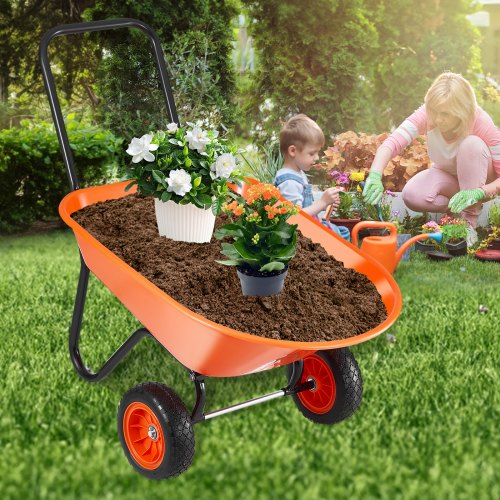
- Two-Wheel Wheelbarrow:More stable, easier to balance heavy loads.
- Garden Cart:Four wheels, used for very heavy or bulky items.
Material And Durability
Wheelbarrows are made from different materials. Each material affects weight, strength, and how long it lasts.
| Material | Advantages | Disadvantages |
| Steel | Strong and durable | Heavy and can rust |
| Plastic | Lightweight and rust-free | Less strong, can crack |
| Aluminum | Light and rust-resistant | More expensive |
Size And Capacity
Choose size based on your garden needs. A larger capacity holds more but may be harder to push.
- Small (2-4 cubic feet): Easy to handle, good for light tasks.
- Medium (5-6 cubic feet): Best for general gardening use.
- Large (7+ cubic feet): Useful for big jobs, but heavy when full.

Credit: thecrownedgoat.com
Preparing Your Wheelbarrow For Gardening
Using a wheelbarrow makes gardening easier. It helps move soil, plants, and tools quickly.
Preparing your wheelbarrow before gardening saves time and effort. Follow simple steps to get it ready.
Cleaning And Maintenance
Clean your wheelbarrow after every use. Dirt and plant debris can cause rust and damage.
Check the tire pressure and fix any leaks. Tighten loose bolts and oil moving parts to keep it smooth.
- Wash out dirt and mud with water
- Dry the wheelbarrow to prevent rust
- Check tire air pressure and fill if needed
- Lubricate wheel and handles regularly
- Tighten any loose screws or bolts
Adding Useful Accessories
Adding accessories makes your wheelbarrow more useful. They can help carry tools or protect plants.
Some useful accessories include tool holders, liners, and rain covers. These keep your supplies organized and clean.
- Tool holders for shovels and rakes
- Plastic liners to carry loose soil or compost
- Rain covers to protect plants during transport
- Extra handles for better grip and control
- Reflective tape for safety in low light
Balancing The Load
Balance the load to avoid tipping and make pushing easier. Place heavy items near the wheel.
Distribute weight evenly on both sides. Avoid overloading to keep control and reduce strain.
- Put heavy soil or compost close to the wheel
- Keep tools and plants balanced on each side
- Do not fill the wheelbarrow above its capacity
- Push slowly on uneven ground to keep balance
- Adjust the load if you feel it tipping
Efficient Loading Techniques
Using a wheelbarrow saves time and effort in your vegetable garden. Loading it properly helps you move soil, compost, and tools easily. This guide shows ways to load your wheelbarrow with less strain and better balance.
Good loading techniques keep your garden work smooth. Organizing supplies, moving heavy soil, and handling weight safely are key parts of using a wheelbarrow well.
Organizing Tools And Supplies
Keep your tools and supplies neat to load the wheelbarrow quickly. Group similar items and place heavier tools at the bottom. This stops things from shifting during transport.
- Gather all tools before loading
- Place heavy tools like shovels and rakes first
- Stack lighter items like gloves and seed packets on top
- Use buckets or bags to hold small items together
- Arrange items to keep the load balanced
Transporting Soil And Compost
Loading soil and compost in the wheelbarrow requires care. Distribute the material evenly to avoid tipping. Avoid overloading to keep control while moving.
| Material | Best Loading Tip | Max Load Weight |
| Soil | Fill evenly, do not heap | 100 lbs |
| Compost | Keep moist to reduce dust | 80 lbs |
| Mulch | Light and fluffy, fill loosely | 60 lbs |
Handling Heavy Loads Safely
Lift and move heavy loads carefully to protect your back and arms. Use your legs to lift and keep the wheelbarrow close to your body. Take breaks if the load feels too heavy.
- Check the load weight before lifting
- Stand close to the wheelbarrow
- Bend your knees, not your back
- Lift slowly using leg muscles
- Push the wheelbarrow, do not pull it
- Set the load down gently
Wheelbarrow Tips For Planting And Harvesting
Using a wheelbarrow in your vegetable garden makes work easier. It helps you carry plants and vegetables without many trips.
This guide shares simple tips for using a wheelbarrow during planting and harvesting. These tips save time and protect your crops.
Carrying Seedlings And Plants
Place seedlings gently in the wheelbarrow to avoid damage. Use a liner like old cloth or cardboard to keep plants steady.
Keep heavier plants at the bottom and lighter ones on top. This balance prevents crushing and makes moving easier.
- Line the wheelbarrow with soft material
- Arrange heavier plants at the bottom
- Do not overload to avoid tipping
- Move slowly to protect delicate seedlings
Gathering Harvested Vegetables
Use the wheelbarrow to carry large amounts of vegetables from the garden. It reduces trips and saves your energy.
Sort vegetables by type in the wheelbarrow. This makes it easier to unload and store your harvest later.
- Keep vegetables loose to avoid bruising
- Use shallow containers in the wheelbarrow for fragile items
- Clean the wheelbarrow before use to avoid dirt on crops
Avoiding Damage To Crops
Handle your wheelbarrow carefully to protect plants and vegetables. Avoid sudden stops and rough surfaces that can shake the load.
Check the wheelbarrow for sharp edges or nails. Fix any issues to prevent cuts on plants or vegetables.
- Drive slowly over uneven ground
- Keep wheelbarrow well-maintained and clean
- Use padding for fragile crops
- Do not stack crops too high
Maintaining Your Wheelbarrow Over Time
Keeping your wheelbarrow in good shape helps it last longer. Regular care saves money and makes work easier in your vegetable garden.
Simple maintenance tasks prevent damage and ensure your wheelbarrow stays strong and reliable.
Regular Cleaning Routines
Clean your wheelbarrow after every use. Dirt and moisture cause rust and wear. Use water and a brush to remove mud and plant debris.
- Rinse off soil with a hose
- Scrub with a stiff brush
- Dry the wheelbarrow completely
- Remove any stuck debris from the tire
- Apply light oil to metal parts to stop rust
Checking Tire Pressure And Repairs
Check tire pressure weekly. Proper pressure makes pushing easier and protects the tire from damage. Fix small holes fast to avoid bigger problems.
| Task | Details |
| Check Tire Pressure | Use a pressure gauge; inflate to recommended psi. |
| Fix Punctures | Patch small holes with repair kit. |
| Replace Tire | If the tire is worn or cracked, replace it. |
| Lubricate Axle | Apply oil to keep wheel moving smoothly. |
Storing Properly To Prevent Damage
Store your wheelbarrow in a dry place. Keep it off the ground to stop rust and tire damage. Cover it if kept outside to protect from rain and sun.
- Keep the wheelbarrow under a shelter or in a shed
- Hang it by the handles to keep tires off the ground
- Cover with waterproof tarp if no indoor space is available
- Check stored wheelbarrow monthly for rust or damage
Credit: www.vevor.ca
Credit: www.familyhandyman.com
Frequently Asked Questions
How Do I Choose The Right Wheelbarrow For Gardening?
Select a wheelbarrow based on size, weight, and durability. A lightweight, sturdy model with a deep tray is ideal for vegetable gardens. Ensure it has a comfortable handle and a balanced wheel for easy maneuvering in tight garden spaces.
What Materials Can I Transport With A Wheelbarrow In My Garden?
You can transport soil, compost, mulch, plants, and harvested vegetables. A wheelbarrow helps carry heavy or bulky garden materials efficiently. It reduces physical strain and speeds up gardening tasks like planting and cleanup.
How Do I Maintain My Wheelbarrow For Long-term Use?
Clean the wheelbarrow after each use to prevent rust and decay. Store it in a dry place and check the tire pressure regularly. Lubricate moving parts to ensure smooth operation and prolong the wheelbarrow’s lifespan.
Can I Use A Wheelbarrow For Planting And Soil Preparation?
Yes, a wheelbarrow is great for mixing soil and fertilizers. It allows easy transport of prepared soil to planting areas. This tool helps keep your garden organized and saves time during planting seasons.
Conclusion
A wheelbarrow makes gardening easier and more efficient. It helps carry tools, soil, and plants. This saves time and energy. You can move heavy loads with less effort. Choose the right size for your garden. A smaller wheelbarrow works well in tight spaces.
Remember to clean it after use. This keeps your wheelbarrow in good condition. Proper care extends its life. With these tips, your gardening tasks become simpler. Enjoy a more organized and productive garden experience. Happy gardening!
