

Are you struggling to prepare your garden soil the right way? Knowing when to use a garden tiller can make all the difference in growing healthy plants and saving you time and effort.
Whether you’re starting a new garden or maintaining an existing one, using a tiller at the right moment can turn tough, compacted soil into a soft, fertile bed ready for planting. Keep reading to discover exactly when and why you should bring out your garden tiller—and how it can help your garden thrive like never before.

Credit: www.reddit.com
Choosing The Right Time
Using a garden tiller at the right time can help your plants grow strong. It loosens the soil and mixes nutrients well. Picking the best time depends on soil, season, and weather.
Knowing when to till can save you work and protect your garden. Let’s look at key points to decide the right moment for tilling.
Soil Conditions To Consider
Check if your soil is too wet or dry before tilling. Wet soil can clump and harm plants. Dry soil can be hard to till and may cause dust.
- Soil should be moist but not muddy
- Look for soil that crumbles easily in your hand
- Avoid tilling frozen or overly dry soil
- Test soil texture by squeezing a handful
Seasonal Timing For Tilling
Season affects how well tilling works. Spring and fall are common seasons for tilling. Each has benefits depending on your plants and climate.
| Season | Best Use for Tilling |
| Spring | Prepare soil for new planting |
| Fall | Break down plant debris and improve soil |
| Summer | Usually too dry or hot for tilling |
| Winter | Soil often frozen, not good for tilling |
Weather Factors That Impact Tilling
Weather affects soil condition and tilling success. Avoid tilling just after rain or during dry spells. Wind can also dry soil too fast.
- Wait 2-3 days after rain for soil to dry
- Till on calm days to prevent soil erosion
- Avoid tilling in extreme heat or frost
- Check weather forecast before tilling
Preparing Your Garden
Using a garden tiller helps make soil ready for planting. It breaks up hard ground and mixes nutrients.
Before you start tilling, prepare your garden well. This makes tilling easier and more effective.
Clearing Debris And Obstacles
Remove rocks, sticks, and old plants from your garden area. These can block the tiller or damage it.
Clearing debris helps the tiller work smoothly. It also prevents damage to its blades and engine.
- Pick up large rocks and sticks by hand
- Rake the soil to remove small debris
- Cut and remove dead plants or roots
Testing And Moistening Soil
Check if your soil is too dry or wet before tilling. Dry soil breaks apart well, but too dry can be hard.
If soil is too dry, water it lightly a day before tilling. Wet soil can be compacted and hard to work.
- Test soil by squeezing it in your hand
- Soil should hold shape but crumble easily
- Water soil if it feels powdery or dusty
Marking Garden Boundaries
Mark where you want your garden to be. This helps you till only the area you plan to use.
Use string, stakes, or paint to outline your garden space. Clear boundaries keep your garden neat.
- Use stakes at corners of your garden
- Connect stakes with string or twine
- Mark edges with spray paint if needed
Types Of Garden Tillers
Garden tillers help prepare soil for planting by breaking it up. Choosing the right tiller depends on your garden and needs.
There are different types based on how they till and what powers them. Understanding these can save you time and effort.
Front-tine Vs. Rear-tine Tillers
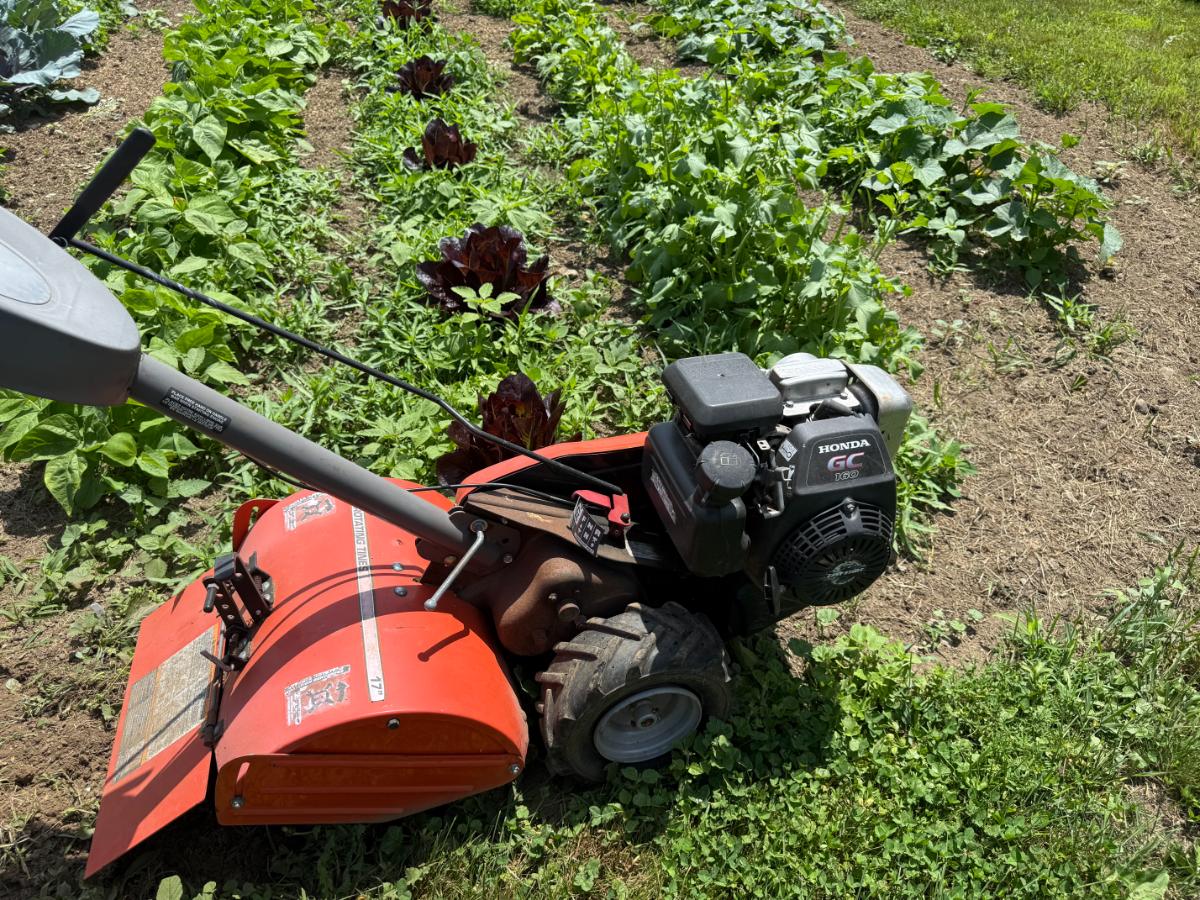
Front-tine tillers have tines in front of the wheels. They are lighter and good for small gardens and soft soil.
Rear-tine tillers have tines behind the wheels. They are stronger and better for large gardens and tough soil.
- Front-tine tillers: lighter, easy to maneuver, ideal for light soil.
- Rear-tine tillers: heavier, powerful, best for hard or large areas.
Electric Vs. Gas-powered Options
Electric tillers are quieter and need less maintenance. They work well for small to medium gardens.
Gas-powered tillers are more powerful. They handle large gardens and hard soil better but need fuel and upkeep.
| Type | Power Source | Best For | Maintenance |
| Electric | Electric motor | Small to medium gardens | Low |
| Gas-Powered | Gas engine | Large or tough soil gardens | High |
Choosing Based On Garden Size
Small gardens need lighter tillers that are easy to use and store. Front-tine or electric tillers fit well here.
Large gardens need strong tillers that can handle more work. Rear-tine and gas-powered tillers work best.
- Small garden: front-tine, electric tiller
- Medium garden: rear-tine, electric or gas
- Large garden: rear-tine, gas-powered tiller

Credit: www.youtube.com
Using A Garden Tiller Safely
Using a garden tiller helps prepare soil for planting. It can save time and effort in your garden work.
Safety is important to avoid injury and keep the tiller in good condition. Follow simple rules for safe use.
Essential Safety Gear
Wear the right gear to protect yourself from dust, debris, and machine parts.
- Sturdy gloves to protect your hands
- Closed-toe boots with good grip
- Safety goggles to shield your eyes
- Long pants and long sleeves to protect your skin
- Hearing protection if the tiller is loud
Operating Tips For Beginners
Start slow and follow these tips to use the tiller well and safely.
- Read the tiller’s manual before using it.
- Check the area for rocks, wires, or other obstacles.
- Hold the tiller firmly with both hands.
- Keep a steady speed and avoid forcing the machine.
- Stop the tiller before clearing jams or making adjustments.
Avoiding Common Mistakes
| Mistake | How to Avoid |
| Starting tilling in wet soil | Wait for soil to dry to prevent clumps and damage |
| Ignoring safety gear | Always wear protective equipment before use |
| Using too high speed | Adjust speed to control the tiller easily |
| Not checking for obstacles | Clear the work area before tilling |
| Leaving tiller running unattended | Turn off the machine when not in use |
After Tilling Care
After you till your garden soil, you must care for it properly. Good after tilling care helps plants grow strong and healthy.
Tilling breaks up soil and makes it loose. This lets roots grow easily and water soak in well.
Soil Amendment And Fertilizing
After tilling, add soil amendments to improve soil quality. Amendments help soil hold water and nutrients better.
Fertilize the soil to give plants the nutrients they need. Use the right fertilizer for your plants.
- Add compost or manure to increase organic matter
- Use lime to reduce soil acidity if needed
- Apply balanced fertilizer for healthy plant growth
Planting After Tilling
Plant your seeds or seedlings soon after tilling. The loose soil helps roots grow quickly.
Make sure the soil is moist but not too wet before planting. This helps seeds sprout well.
- Check soil moisture before planting
- Plant seeds at the right depth
- Water plants gently after planting
Maintaining Your Tiller
Clean your tiller after each use to keep it working well. Remove dirt and plant material from blades.
Check oil and fuel levels regularly. Replace worn parts to avoid breakdowns.
- Wash blades and dry them to prevent rust
- Change oil as the manual suggests
- Tighten loose bolts and screws
Credit: gardening.org
Frequently Asked Questions
When Is The Best Time To Use A Garden Tiller?
Use a garden tiller in early spring before planting. It loosens soil, improves aeration, and mixes nutrients. This prepares the garden bed for healthy plant growth and better water absorption.
Can A Garden Tiller Help With Weed Control?
Yes, a garden tiller disrupts weed roots and buries weed seeds. This reduces weed growth and competition for your plants. It’s an efficient method for maintaining a clean garden bed.
How Deep Should A Garden Tiller Dig?
A garden tiller typically digs 6 to 8 inches deep. This depth is ideal for loosening soil and mixing organic matter. It ensures proper root development and nutrient absorption for most garden plants.
Should You Till Soil Before Or After Fertilizing?
Till soil before fertilizing to mix organic matter evenly. This improves soil structure and nutrient distribution. Fertilizing after tilling ensures plants absorb nutrients effectively for optimal growth.
Conclusion
Garden tillers work best when preparing new soil for planting. Use them to break up hard ground and mix in compost or fertilizer. They save time and effort compared to hand tools. Avoid tilling too often to protect soil health.
Remember, tillers help create a good base for strong plants. Choose the right time and conditions for tilling. This will make your garden grow better and easier to manage. Simple steps, better results.
