
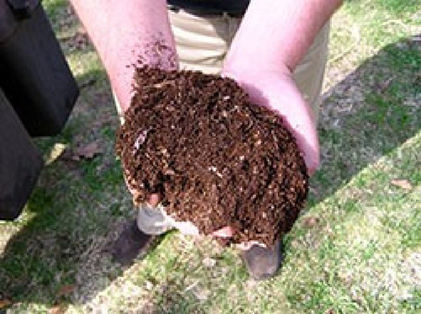
Have you just tested your soil and found it lacking? Don’t worry—improving your soil is easier than you might think.
Your plants’ health, growth, and yield all start with the soil beneath them. But knowing what your soil needs is just the first step. The real magic happens when you take action to fix those issues. You’ll discover simple, effective ways to boost your soil’s quality.
By the end, you’ll have the confidence to transform your garden into a thriving, vibrant space. Ready to unlock your soil’s full potential? Let’s dive in.
Credit: ucanr.edu
Interpreting Soil Test Results
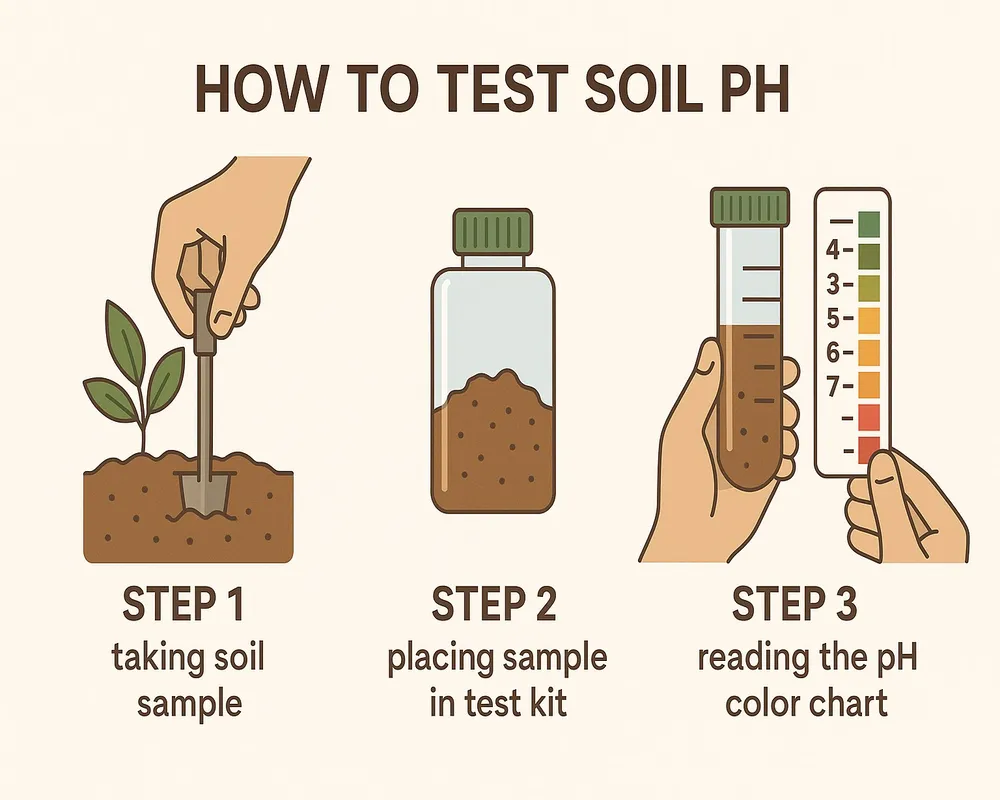
Understanding soil test results helps you improve your soil health. It shows what nutrients are present and what needs fixing. This guide covers key areas to focus on after testing your soil.
Knowing how to read the results lets you add the right materials. This keeps your plants healthy and helps them grow better.
Key Nutrient Levels
Soil tests show levels of important nutrients like nitrogen, phosphorus, and potassium. These affect plant growth and yield. You need to understand each nutrient’s role to improve your soil properly.
| Nutrient | Role in Soil | Low Level Effects | Fix |
| Nitrogen (N) | Helps leaves grow green and healthy | Yellowing leaves, slow growth | Add compost or nitrogen fertilizer |
| Phosphorus (P) | Supports root and flower development | Poor root growth, few flowers | Use bone meal or phosphate fertilizer |
| Potassium (K) | Strengthens plants and disease resistance | Weak stems, poor fruit quality | Apply potash or wood ash |
Soil Ph Insights
Soil pH measures how acidic or alkaline the soil is. It affects nutrient availability to plants. Most plants prefer a pH between 6 and 7.
- pH below 6 means soil is acidic
- pH above 7 means soil is alkaline
- Low pH can cause nutrient lockout
- High pH can reduce nutrient uptake
- Adjust pH by adding lime to raise it
- Add sulfur or peat moss to lower pH
Identifying Deficiencies
Deficiencies appear when key nutrients or pH levels are off. Plants show signs like yellow leaves or poor growth. Spotting these signs early helps correct problems fast.
- Nitrogen: Yellowing older leaves
- Phosphorus: Dark green or purple leaves
- Potassium: Leaf edges turn brown and curl
- Low pH: Stunted growth and poor root development
- High pH: Iron deficiency causing yellow leaves
Adjusting Soil Ph
Soil pH measures how acidic or alkaline the soil is. It affects plant growth and nutrient availability. After testing your soil, adjusting pH helps improve soil health.
Proper soil pH allows plants to absorb nutrients better. Different plants need different pH levels to grow well. Adjusting soil pH creates the best conditions for your plants.
Raising Soil Acidity
Raising soil acidity means lowering the pH value. Some plants like acidic soil, such as blueberries and azaleas. You can add materials that increase soil acidity.
Common ways to raise soil acidity include using sulfur or organic matter. These materials help release acids into the soil. This process takes time, so test soil regularly.
- Use elemental sulfur to lower pH gradually
- Add peat moss or pine needles for natural acidity
- Apply ammonium-based fertilizers to increase acidity
- Water soil well after applying acidic materials
Lowering Soil Acidity
Lowering soil acidity means raising the pH value to make soil more alkaline. This helps plants that prefer neutral or basic soil, like vegetables and roses. You can add materials to reduce acidity.
Adding lime is the most common way to raise soil pH. Other options include wood ash or crushed eggshells. These materials neutralize acid and improve soil balance.
- Apply agricultural lime to increase soil pH
- Use dolomitic lime for calcium and magnesium supply
- Add wood ash carefully to avoid over-alkalizing
- Mix materials well into the soil for best results
Ph Impact On Nutrient Uptake
Soil pH affects how plants absorb nutrients from the soil. Some nutrients become less available if pH is too high or too low. Keeping pH in the right range helps plants grow strong.
For example, iron is harder to absorb in alkaline soil. Phosphorus becomes less available in very acidic or very alkaline soil. Proper pH keeps nutrients balanced and accessible to roots.
| pH Range | Effect on Nutrients |
|---|---|
| Below 5.5 | Aluminum and manganese can be toxic. Phosphorus is low. |
| 5.5 to 7.0 | Most nutrients are available. Best range for many plants. |
| Above 7.0 | Iron, manganese, and phosphorus availability decreases. |
Enhancing Soil Fertility
Improving soil after testing helps plants grow better. Soil fertility means the soil has enough nutrients and good structure.
Using the right methods can increase nutrients and make soil healthy for crops and gardens.
Choosing The Right Fertilizers
Select fertilizers based on soil test results. Different soils need different nutrients like nitrogen, phosphorus, and potassium.
- Check soil test for missing nutrients.
- Pick fertilizers that supply those nutrients.
- Apply fertilizers according to recommended amounts.
- Avoid over-fertilizing to prevent damage.
Incorporating Organic Matter
Organic matter improves soil texture and water retention. It also feeds helpful microbes in the soil.
| Type of Organic Matter | Benefits |
| Manure | Adds nutrients and improves soil structure |
| Cover crops | Prevents erosion and adds nitrogen |
| Crop residues | Increases organic content and moisture retention |
Using Compost And Mulch
Compost adds nutrients and supports soil life. Mulch protects soil from drying and controls weeds.
- Spread compost evenly before planting.
- Use mulch to cover soil surface.
- Replace mulch as it breaks down.
- Keep mulch a few inches away from plant stems.
Improving Soil Structure
Good soil structure helps plants grow strong roots. It allows air, water, and nutrients to move easily in the soil. After testing your soil, you can take steps to improve its structure.
Improving soil structure improves plant health and increases crop yields. Focus on aeration, water retention, and reducing compaction for best results.
Increasing Aeration
Aeration adds air to the soil. This helps roots get oxygen and supports beneficial microbes. Without enough air, roots can suffocate and plants may die.
- Use a garden fork or aerator tool to poke holes in the soil.
- Add organic matter like compost or peat moss to open soil particles.
- Grow cover crops to create channels for air to enter the soil.
- Avoid walking on wet soil which reduces air spaces.
Boosting Water Retention
Water retention is the soil’s ability to hold water for plant use. Improving this helps during dry spells and reduces water waste.
| Method | Benefit |
| Add organic matter (compost, mulch) | Increases water holding capacity |
| Use clay or loam soils | Retains moisture better than sandy soils |
| Plant ground covers | Reduces evaporation from soil surface |
| Mulch around plants | Keeps soil cool and moist |
Preventing Soil Compaction
Compacted soil has fewer air pockets. It blocks roots and water from moving well. Preventing compaction keeps soil loose and healthy.
Follow these tips to avoid soil compaction:
- Do not work soil when it is very wet.
- Limit heavy foot traffic and machinery on garden beds.
- Use raised beds to protect soil structure.
- Incorporate organic matter to improve soil texture.
- Plant deep-rooted crops to break up compacted layers.
Promoting Beneficial Microorganisms
Soil health depends on tiny living things called microorganisms. They help plants grow strong and healthy.
After testing your soil, you can improve it by helping these helpful microorganisms thrive.
Adding Microbial Inoculants
Microbial inoculants are products with good bacteria and fungi. They add more helpful microbes to your soil.
These microbes break down nutrients, making them easy for plants to use. They also protect roots from diseases.
- Choose inoculants suited for your soil type
- Apply them according to package instructions
- Use with organic matter to boost their effect
Encouraging Natural Soil Life
Natural soil life includes earthworms, fungi, and bacteria. They keep soil loose and full of nutrients.
To support them, add organic materials like compost or mulch. Avoid harsh chemicals that can kill these creatures.
- Use compost to feed soil organisms
- Plant cover crops to protect soil
- Reduce tilling to keep soil structure intact
- Avoid overusing chemical fertilizers and pesticides
Credit: www.leaflimb.com
Ongoing Soil Maintenance
Taking care of soil is important for healthy plants. After testing your soil, you need to maintain it regularly. This keeps the soil healthy for future use.
There are several ways to improve and maintain soil health. Regular testing, crop rotation, and using cover crops are some methods.
Regular Soil Testing
Testing soil regularly helps you know its condition. You can find out nutrient levels and pH balance. This information helps you decide what your soil needs.
Regular testing helps prevent problems. It shows changes in the soil over time. This allows you to take action before issues become serious.
Crop Rotation Benefits
Crop rotation means changing the type of crop grown in an area. This practice helps keep soil healthy. It prevents pests and diseases from building up.
Different crops use different nutrients. Rotating crops balances the nutrients in the soil. This reduces the need for fertilizers.
- Reduces soil erosion
- Improves soil structure
- Increases crop yield
Cover Crops And Green Manure
Cover crops are planted to cover the soil. They are not for harvest. These plants protect and enrich the soil.
Green manure involves growing crops to improve soil. These crops are tilled back into the soil. They add organic matter and nutrients.
- Prevents weed growth
- Increases soil fertility
- Enhances soil moisture retention
Credit: agroreality.com
Frequently Asked Questions
How Do I Interpret Soil Test Results Accurately?
Soil test results show nutrient levels and pH balance. Compare values with ideal ranges. Identify deficiencies or toxicities. This helps decide the right amendments to improve soil health and fertility effectively.
What Amendments Improve Soil After Testing?
Add lime to raise pH or sulfur to lower it. Use compost or organic matter to boost nutrients and structure. Apply fertilizers based on nutrient deficiencies shown in the soil test for balanced growth.
When Should I Retest Soil After Amendments?
Retest soil 3 to 6 months after applying amendments. This timeframe allows changes to stabilize. It ensures adjustments worked and guides further soil management for optimal plant health and productivity.
How Does Soil Ph Affect Nutrient Availability?
Soil pH controls nutrient solubility and uptake by plants. Extreme pH can lock nutrients, causing deficiencies. Maintaining pH between 6 and 7 optimizes nutrient availability and promotes healthy plant growth.
Conclusion
Improving soil after testing takes time and care. Add nutrients based on test results. Water the soil well but avoid overwatering. Keep checking soil health regularly. Healthy soil grows strong plants. Small steps make big changes. Start today for better garden success.

