
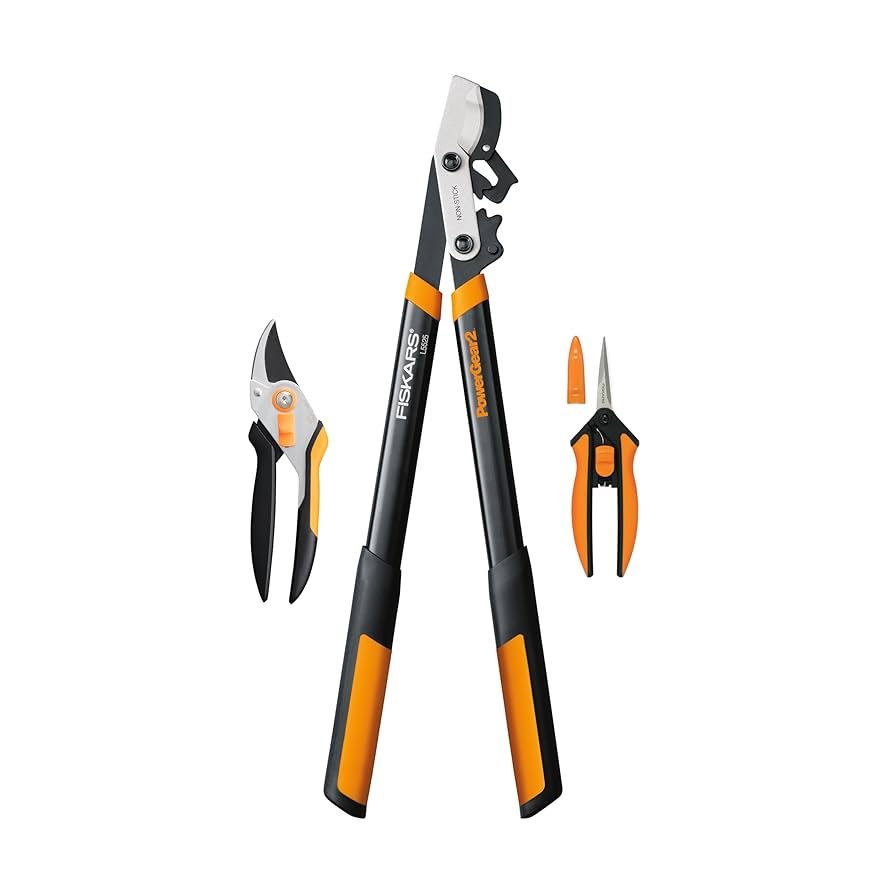
When it comes to keeping your garden neat and healthy, choosing the right tool makes all the difference. You might have heard about loppers and pruners, but do you really know how they differ?
Using the wrong tool can make your gardening harder and even damage your plants. You’ll discover exactly what sets loppers and pruners apart, so you can pick the perfect tool for your needs. By the end, you’ll feel confident handling your garden like a pro.
Ready to find out which one suits you best? Let’s dive in.
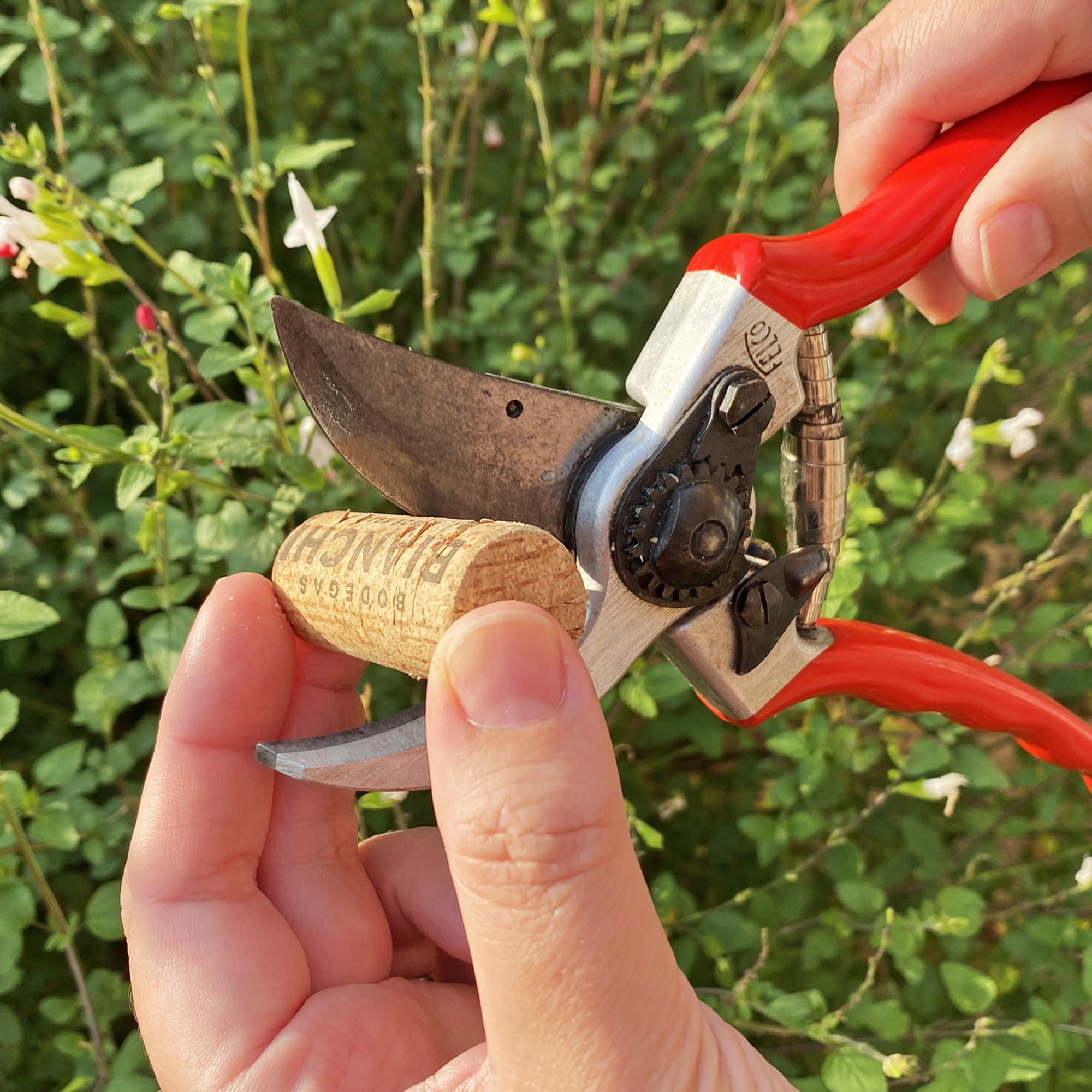
Credit: www.gardeningknowhow.com
Loppers Vs Pruners
Loppers and pruners are common garden tools used to cut plants. They help keep trees and bushes healthy.
Both tools trim branches, but they differ in size and use. Understanding these differences helps you pick the right tool.
Design And Size
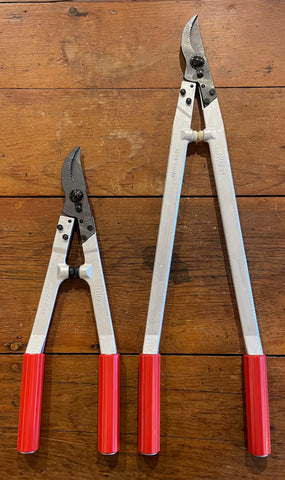
Loppers are larger tools with long handles. They give more reach and leverage for cutting thick branches.
Pruners are smaller and fit in one hand. They are good for precise cuts on small stems and flowers.
- Loppers have handles about 18 to 30 inches long
- Pruners usually fit in your hand, about 6 to 8 inches
- Loppers need two hands to use; pruners need one
Cutting Capacity
Loppers cut thicker branches than pruners. They can handle branches up to 2 inches wide.
Pruners cut small stems and branches under 0.5 to 1 inch thick. They are best for light trimming.
- Loppers cut branches 1 to 2 inches thick
- Pruners cut branches less than 1 inch thick
- Choose loppers for heavy pruning tasks
- Use pruners for delicate or small plants
Blade Types
Loppers usually have bypass or anvil blades. Bypass blades cut cleanly like scissors.
Pruners also come with bypass or anvil blades. Bypass pruners give a smooth cut, good for living plants.
- Bypass blades have two sharp edges that pass each other
- Anvil blades have one sharp edge pressing on a flat surface
- Bypass blades are better for live branches
- Anvil blades work well on dry or dead wood
Common Uses For Loppers
Loppers are a type of cutting tool designed to trim branches that are too thick for pruning shears. They have long handles that give you more leverage. This makes cutting easier for tough gardening jobs.
Understanding what loppers are best used for helps gardeners maintain plants safely and efficiently. Below are some common uses for loppers in the garden.
Thick Branch Cutting
Loppers are perfect for cutting branches that are too thick for hand pruners. Their long handles provide extra force, making it easier to cut branches up to 2 inches thick. This helps keep trees and shrubs healthy by removing dead or overgrown branches.
Reaching High Or Deep Branches
Loppers have long handles that let you reach branches higher up or deep inside bushes. This reduces the need for ladders or climbing. You can trim safely from the ground or a low step stool.
- Reach branches without stretching too much
- Access dense areas in thick shrubs
- Work safely without climbing
Heavy-duty Gardening Tasks
| Task | Why Use Loppers |
| Cutting thick branches | Long handles increase cutting power |
| Clearing overgrown areas | Strong blades handle tough stems |
| Shaping large shrubs | Reach hard spots with ease |
| Preparing firewood | Cut small logs without a saw |
Common Uses For Pruners
Pruners are small hand tools used for cutting plants. They are ideal for tasks that need precision and care.
Gardeners use pruners to keep plants healthy and neat. They help with fine cutting work in the garden.
Precision Cutting
Pruners provide clean and accurate cuts. They are perfect for trimming small branches and stems.
Sharp blades reduce damage to plants. This helps plants heal faster after pruning.
Flower And Small Stem Trimming
Pruners are used to cut flowers and small stems carefully. This keeps flowers fresh and healthy.
Trimming flowers with pruners helps shape the plant. It also encourages new growth and blooms.
Detailed Garden Maintenance
Pruners help with detailed work like removing dead leaves and shaping plants. They fit well in small spaces.
Using pruners regularly keeps the garden tidy. This improves the overall health and look of plants.

Credit: www.amazon.ca
Choosing The Right Tool
Loppers and pruners are tools used for cutting plants and branches. Picking the right one helps you work better and faster.
Understanding their differences helps you choose the best tool for your gardening tasks.
Task Requirements
Loppers have long handles and cut thick branches. Pruners have short handles and cut small stems or flowers.
Use loppers for branches wider than half an inch. Use pruners for thinner or delicate parts.
- Loppers: cut branches 1 to 2 inches thick
- Pruners: cut stems less than 0.5 inch thick
- Loppers: good for trees and shrubs
- Pruners: good for flowers and small plants
Ergonomics And Comfort
Choose a tool that feels comfortable in your hands. Loppers have longer handles that need two hands. Pruners are small and fit in one hand.
Look for padded grips and lightweight designs to reduce hand strain. Comfortable tools help you work longer without pain.
- Padded handles reduce pressure on hands
- Lightweight tools prevent arm fatigue
- Loppers need two hands for better control
- Pruners are easy to use with one hand
Material And Durability
Strong materials make tools last longer. Loppers and pruners often have steel blades for sharp cuts. Handles can be metal, wood, or plastic.
Check for rust resistance and solid construction. Durable tools save money and perform better in tough jobs.
- Steel blades stay sharp and cut cleanly
- Rust-resistant coatings protect blades
- Metal handles offer strength and durability
- Plastic handles are lightweight but less strong
Maintenance Tips
Proper maintenance keeps loppers and pruners working well for a long time. Good care helps you cut plants easily and safely.
Regular cleaning, sharpening, and storing protect your tools from damage. Follow safety rules to avoid injuries.
Cleaning And Sharpening
Clean your tools after each use to remove dirt and sap. Use a brush or cloth with soapy water for cleaning.
Sharpen the blades often to keep cuts smooth and easy. Use a sharpening stone or file to maintain the edge.
- Wipe blades dry after cleaning to stop rust
- Oil blades lightly to keep them smooth
- Check bolts and screws, tighten if loose
- Sharpen blades at a 20-30 degree angle
Storage Best Practices
Store loppers and pruners in a dry place to avoid rust. Keep them away from moisture and extreme temperatures.
Use blade covers or wrap blades with cloth to protect edges. Hang tools or place them in a toolbox for safety.
- Keep tools in a dry shed or garage
- Use blade guards or sheaths
- Hang tools on hooks to avoid damage
- Store out of reach of children
Safety Precautions
Wear gloves and eye protection when using loppers and pruners. Sharp blades can cause serious cuts.
Check tools before use. Make sure blades are sharp and handles are secure to prevent accidents.
- Always cut away from your body
- Keep hands clear of cutting blades
- Do not use damaged or loose tools
- Store tools safely to prevent injuries
Credit: gardenerskit.com
Frequently Asked Questions
What Are Loppers Used For In Gardening?
Loppers are designed for cutting thick branches up to 2 inches wide. They have long handles for extra leverage. Gardeners use them to prune trees and shrubs effectively.
How Do Pruners Differ From Loppers?
Pruners are smaller and used for cutting thin stems and small branches. They are handheld and ideal for precise trimming. Loppers handle thicker branches due to longer handles and bigger blades.
Can Loppers Replace Pruners For All Tasks?
No, loppers are best for thicker branches, while pruners excel at detailed, close cuts. Using the right tool improves precision and reduces damage to plants.
Which Tool Is Better For Pruning Roses?
Pruners are better for roses because they offer precise cuts on delicate stems. Loppers may damage thin branches due to their size and force.
Conclusion
Loppers and pruners serve different gardening needs. Loppers cut thicker branches with long handles for more power. Pruners trim smaller stems and flowers with short blades. Choosing the right tool saves time and effort. Both tools keep plants healthy when used correctly.
Understanding their differences helps you care for your garden better. Use loppers for tough jobs and pruners for delicate cuts. Simple tools, smart gardening.

