
Have you ever noticed your plants looking tired or less vibrant after their flowers start to fade? You might be missing a simple gardening trick called deadheading.
Deadheading plants is an easy way to keep your garden blooming longer and looking fresh. By removing old, spent flowers, you give your plants a chance to focus energy on new growth instead of seed production. If you want your flowers to stay colorful and lively, understanding deadheading could make a big difference.
Keep reading to discover how this small step can transform your garden and boost your plant’s health.

Credit: dennis7dees.com
What Deadheading Means
Deadheading is the process of removing old or faded flowers from plants. This helps the plant stay healthy and look good.
By cutting off dead blooms, the plant can focus its energy on new growth and more flowers. This keeps your garden vibrant for longer.
Why Deadheading Is Important
Deadheading stops plants from making seeds. This encourages them to produce more flowers instead.
Removing old flowers also prevents diseases and pests that like to live on decaying plant parts.
- Increases flower production
- Improves plant health
- Prevents disease and pests
- Keeps plants tidy and neat
How To Deadhead Plants
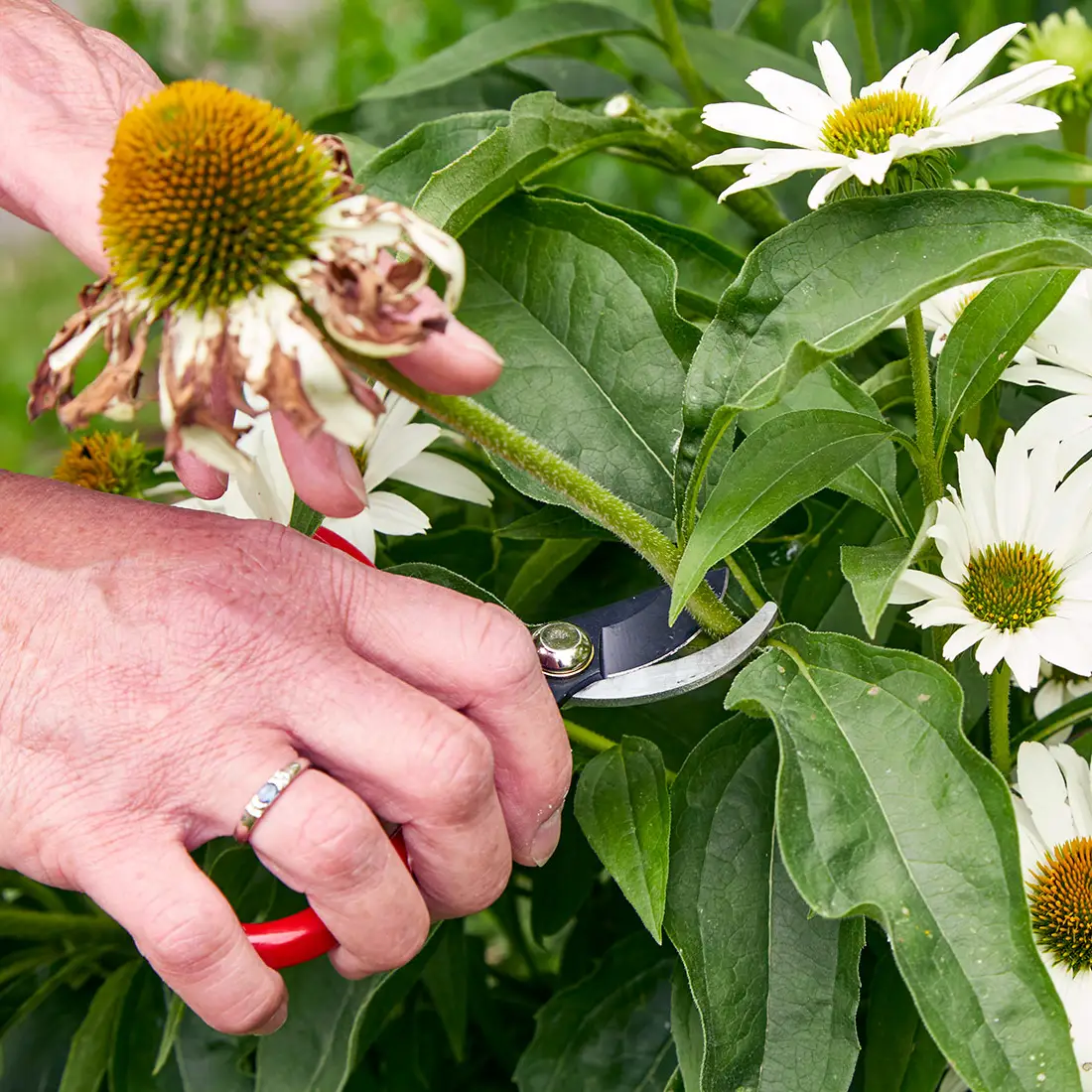
Use clean scissors or garden shears to cut off the dead flowers. Cut just above the first set of healthy leaves or buds.
Be gentle to avoid damaging the plant. Regular deadheading helps plants bloom longer through the season.
- Cut dead flowers near healthy leaves
- Use clean tools to prevent infection
- Check plants weekly for dead blooms
- Dispose of removed flowers properly
Which Plants Need Deadheading
Many flowering plants benefit from deadheading. Annuals and perennials often produce more flowers with regular deadheading.
Some plants, like daisies, roses, and marigolds, especially need deadheading to stay healthy and bloom well.
- Daisies
- Roses
- Marigolds
- Petunias
- Geraniums
Why Deadheading Works
Deadheading means removing old or faded flowers from plants. This helps the plant grow better and look nice.
Plants use energy to make seeds in old flowers. Removing them stops this, so the plant can make more blooms.
Encourages More Flower Growth
When you remove dead flowers, the plant sends energy to new buds. This makes the plant produce more flowers.
The plant does not waste energy making seeds from old flowers. It focuses on growing fresh blooms instead.
Prevents Disease And Pests
Old flowers can attract bugs and cause diseases. Deadheading removes these flowers before problems start.
Keeping the plant clean helps it stay healthy and strong. This reduces the need for chemicals.
Improves Plant Appearance
Removing faded flowers keeps plants looking neat and fresh. This makes gardens more attractive.
Deadheading helps plants keep a long flowering season. The garden stays colorful for more weeks.
Supports Plant Energy Use
Plants use energy to make seeds in dead flowers. Removing these flowers lets the plant use energy wisely.
By saving energy, the plant grows stronger roots and more flowers. This helps the plant survive better.
Best Plants For Deadheading
Deadheading means removing old or faded flowers from plants. It helps plants grow more blooms. Many garden plants benefit from this simple care.
Some plants need deadheading more than others. Here are some of the best plants to deadhead for a healthy garden.
Petunias
Petunias bloom all summer. Deadheading keeps flowers fresh and encourages new buds. It stops the plant from using energy on seeds.
Pinch off faded flowers near the stem base. This helps petunias stay full and colorful.
Marigolds
Marigolds bloom best with regular deadheading. Removing old flowers prevents seed formation. This helps the plant produce more blooms.
Deadhead by snipping the flower stem just above the leaves. This keeps marigolds neat and healthy.
Roses
Roses need deadheading to bloom again. Remove spent flowers to stop seed pods from forming. This directs energy to new blooms.
Cut the stem above the first set of healthy leaves. This promotes strong new growth and fresh flowers.
Geraniums
Geraniums bloom longer with deadheading. Pull off old flowers by hand or cut with scissors. This helps the plant put energy into new buds.
Regular deadheading makes geraniums look tidy and full of flowers.
Lavender
Lavender benefits from deadheading to keep flowering. Removing old flower spikes encourages fresh blooms and prevents the plant from wasting energy on seeds.
Cut flower stems just above the leaf line to help lavender stay healthy and bloom longer.
Dahlias
Dahlias produce more flowers with deadheading. Remove faded blooms to prevent seed development. This helps the plant focus on new flowers.
Snip dead flowers close to the stem to keep dahlias blooming until frost.
Credit: www.idahostatesman.com
Tools You’ll Need
Deadheading plants helps them grow better and bloom longer. Using the right tools makes the job easier and neat.
Here are the main tools you should have for deadheading your plants.
Hand Pruners
Hand pruners are small scissors made for cutting plant stems. They make clean cuts without hurting the plant.
Garden Gloves
Gloves protect your hands from dirt and sharp edges. They also help you grip stems better while deadheading.
Trash Bag Or Container
Use a bag or container to collect dead flowers and plant debris. This keeps your garden tidy and stops disease spread.
Water Spray Bottle
A spray bottle helps clean the cutting tools and refresh the plants after deadheading. It also keeps dust away.
Tool Comparison Table
| Tool | Purpose | Care Tips |
| Hand Pruners | Cut dead flower stems | Clean blades after use |
| Garden Gloves | Protect hands | Wash regularly to remove dirt |
| Trash Bag or Container | Collect waste | Empty often to avoid pests |
| Water Spray Bottle | Moisten plants and tools | Refill with clean water daily |
Step-by-step Deadheading Guide
Deadheading helps plants grow more flowers by removing old blooms. This guide shows how to do it properly.
Follow these steps to keep your garden looking fresh and healthy all season.
When To Deadhead
Look for flowers that are wilted or faded. Deadhead before seeds form to save the plant’s energy. Do this regularly for best results.
- Check plants every few days during bloom time.
- Remove flowers once petals start to drop.
- Avoid deadheading too late in the season.
How To Remove Spent Flowers
Use clean tools or your fingers to snip off dead flowers. Cut just above the next leaf or bud to encourage new growth.
- Identify the spent flower and stem.
- Hold the stem firmly near the base.
- Cut or pinch off the dead flower.
- Dispose of the removed flowers to prevent pests.
Handling Different Plant Types
Different plants need different deadheading methods. Some require gentle pinching, others need pruning shears.
| Plant Type | Deadheading Method |
| Annuals | Pinch off spent flowers with fingers |
| Perennials | Use sharp scissors or pruners |
| Roses | Cut just above a leaf with five leaflets |
| Bulb Flowers | Remove faded blooms but keep leaves |

Credit: www.familyhandyman.com
Common Mistakes To Avoid
Deadheading plants helps them grow better and look nice. It involves removing faded flowers from plants.
There are some common mistakes people make when deadheading. Avoid these to help your plants thrive.
Not Using Clean Tools
Dirty tools can harm plants. They spread diseases and pests.
Always clean your tools before and after deadheading. Use warm soapy water or disinfectant wipes.
- Prevent disease spread
- Keep plants healthy
- Ensure clean cuts
Cutting Too Much
Cutting too much can harm the plant. It may affect future blooms.
Only remove the faded flower and a small part of the stem. Avoid cutting leaves.
Ignoring Plant Type
Different plants need different care. Not all need deadheading.
Research your plant’s needs. Know which plants benefit from deadheading.
| Plant Type | Needs Deadheading? |
| Roses | Yes |
| Tulips | No |
| Geraniums | Yes |
Deadheading At The Wrong Time
Timing is important. Deadheading at the wrong time can stress plants.
Deadhead in the early morning or late afternoon. Avoid the hottest part of the day.
Benefits Beyond Growth
Deadheading plants means removing spent flowers. This helps plants bloom more. But there are more benefits than just growth.
By deadheading, you can enhance the garden’s look and keep plants healthy. Let’s explore these advantages.
Improved Appearance
Deadheading makes plants look tidy. It removes wilted flowers that can make the garden look messy.
With fresh blooms, your garden becomes a vibrant space. This enhances the visual appeal for everyone.
- Removes brown petals
- Encourages new blooms
- Keeps garden neat
Pest And Disease Control
Dead flowers can attract pests. They can also be a home for diseases. Removing them helps control these issues.
Healthy plants resist pests better. Regular deadheading reduces the risk of plant diseases.
- Reduces pest homes
- Prevents disease spread
- Supports plant health
Deadheading Alternatives
Deadheading is the practice of removing spent flowers to encourage new blooms. Some gardeners prefer other methods to keep plants healthy and flowering.
Two common alternatives to deadheading are pinching and pruning. These techniques also help plants grow strong and look neat.
Pinching
Pinching means removing the tip of a plant’s stem or branch. This helps the plant grow bushier and produce more flowers.
- Use your fingers or small scissors to pinch off the stem tip.
- Focus on young shoots before they get too long.
- Pinching encourages side shoots to develop.
- This method is gentle and keeps plants compact.
Pruning
Pruning involves cutting back parts of the plant to remove old, weak, or dead growth. It helps maintain shape and improves air flow.
| Pruning Benefits | How to Prune |
| Removes dead or damaged branches | Cut at the base of the branch |
| Encourages new growth | Trim back long or leggy stems |
| Improves plant shape | Shape plant evenly from all sides |
| Prevents disease | Remove crowded or crossing branches |
Frequently Asked Questions
What Is Deadheading Plants And Why Is It Important?
Deadheading plants means removing spent flowers to encourage new blooms. It helps plants focus energy on growth, improving their appearance and health.
How Often Should You Deadhead Flowering Plants?
Deadhead your plants regularly, usually once a week. Frequent removal of dead flowers promotes continuous blooming and prevents seed formation.
Can Deadheading Improve Plant Growth And Flowering?
Yes, deadheading redirects the plant’s energy from seed production to new growth. This results in more vibrant blooms and healthier plants.
Which Plants Benefit Most From Deadheading?
Annuals, perennials, and some shrubs benefit most. Plants like petunias, marigolds, and roses show significant improvement after deadheading.
Conclusion
Deadheading plants helps them grow better and bloom longer. It stops old flowers from wasting energy. You just need to remove faded blooms regularly. This simple step keeps your garden neat and healthy. Plants look fresh and produce more flowers.
Anyone can do it, even beginners. Try deadheading to enjoy a lively garden all season. It is a small task with big rewards. Give your plants a little care every week. You will see the difference in your garden’s beauty.
