
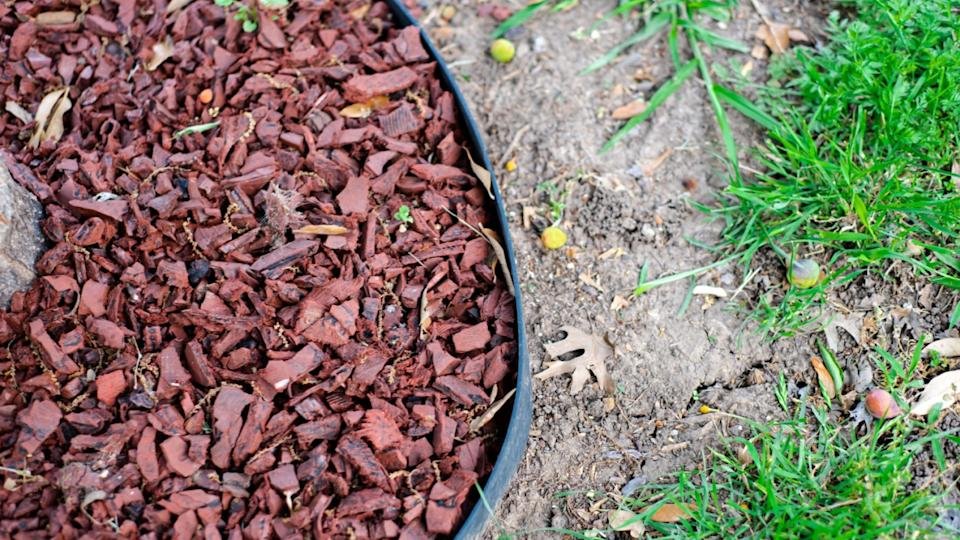
Are you tired of seeing your lawn edging lift up and ruin the clean look of your yard? It’s frustrating when those neat lines start to wobble and lift, making your lawn look messy and unfinished.
But don’t worry—there are simple, effective ways to keep your edging firmly in place. You’ll discover easy tips and tricks that anyone can use to stop lawn edging from lifting. Stick with me, and you’ll have a flawless lawn edge that stays put, season after season.

Credit: www.aol.com
Causes Of Lawn Edging Lifting
Lawn edging keeps grass and soil neat and tidy. Sometimes, edging lifts up and looks messy. Knowing why it lifts helps fix it.
There are a few common reasons why lawn edging lifts. Understanding them will help you keep your lawn looking good.
Soil Movement And Expansion
Soil under the edging moves or expands over time. This can push the edging up and cause it to lift.
Changes in soil moisture make soil swell or shrink. This movement affects how well the edging stays in place.
- Wet soil expands and pushes edging upward
- Dry soil shrinks and leaves gaps under edging
- Uneven soil causes parts of edging to lift
Improper Installation Techniques
Installing lawn edging the wrong way can make it lift soon after. Edging needs to be set deep and straight.
If edging is loose or not anchored well, it will move with soil and lift over time.
- Placing edging too shallow causes weak hold
- Not securing edging with stakes or spikes
- Uneven placement leads to pressure points
Weather Effects
Weather changes can affect lawn edging. Rain, heat, and cold make soil and edging materials change.
Extreme weather can cause soil to move or edging to warp, lifting it from the ground.
- Heavy rain saturates soil, causing expansion
- Hot sun dries soil, causing shrinking
- Freezing temperatures make soil heave
- Wind can loosen edging that is not secured
Root Growth Pressure
Plant roots grow under and around the edging. As roots get bigger, they push the edging up.
Trees and shrubs with strong roots near edging cause more lifting problems.
- Roots push from below, lifting edging
- Fast-growing plants cause quicker lifting
- Removing roots near edging helps reduce lifting

Credit: www.aol.com
Tools And Materials Needed
Stopping lawn edging from lifting requires the right tools and materials. Using proper items helps keep your lawn edges neat and firm.
This guide explains the essential tools and fixing materials you need for this task.
Essential Lawn Edging Tools
Having the right tools makes lawn edging easier to fix. You will need tools to dig, cut, and hold the edging in place.
- Shovel or spade – for digging and lifting soil
- Garden gloves – to protect your hands
- Hammer or mallet – to drive stakes or pins
- Utility knife or garden shears – to cut edging material
- Measuring tape – to check lengths and spacing
- Level – to ensure the edging is straight and even
- Rubber mallet – to gently tap edging without damage
Recommended Fixing Materials
Choosing the right fixing materials will keep your lawn edging stable. These materials hold the edging firmly in place.
- Edging stakes or pins – metal or plastic pieces to anchor edging
- Landscape adhesive – helps bond edging parts and prevent lifting
- Gravel or crushed stone – for better drainage under edging
- Soil or sand – to fill gaps and stabilize edges
- Plastic or metal edging strips – durable materials for firm edges
Preparing The Area
Preparing the area is important to stop lawn edging from lifting. It helps the edging stay firm and neat for a long time.
Start by clearing debris and weeds. Then check the soil conditions to ensure a strong base for the edging.
Clearing Debris And Weeds
Remove leaves, sticks, and other debris from the edging area. Clear all weeds and grass roots that grow near the edge. This prevents gaps and lifting later.
- Rake the area to remove loose debris
- Pull out all weeds by hand or use a weeding tool
- Cut back grass that grows over the edge
- Dispose of all removed material away from the edging spot
Checking Soil Conditions
Check the soil to see if it is soft or compacted. Soft soil helps edging stay in place better. Hard or clay soil may cause lifting.
| Soil Type | Condition | Action |
|---|---|---|
| Soft Soil | Loosen and crumbly | Press edging firmly into soil |
| Clay Soil | Hard and dense | Mix in sand or compost to improve drainage |
| Sandy Soil | Loose and drains fast | Add organic matter to hold edging better |
Fixing Loose Lawn Edging
Lawn edging keeps your garden neat and clean. Loose edging can make your yard look messy. Fixing it helps maintain a sharp border.
This guide explains simple ways to stop lawn edging from lifting. You will learn how to reposition, secure, and strengthen your edging.
Repositioning And Securing Edging
Start by checking if the edging is loose or has moved out of place. Remove any dirt or debris around the edges. Then, push the edging firmly back into the soil.
- Clear soil and weeds around the edging.
- Press edging deep into the ground.
- Use a rubber mallet to tap it down gently.
- Check that the edging is straight and even.
- Fill gaps with soil to hold it tight.
Using Stakes And Anchors
Stakes and anchors add extra hold for loose lawn edging. Metal or plastic stakes push into the ground beside the edging. They stop it from moving or lifting.
- Place stakes every 12 to 18 inches along the edging.
- Drive stakes deep into the soil next to the edging.
- Tighten any fasteners if your edging has built-in holes.
- Check that the stakes do not damage the edging material.
Applying Adhesives Or Sealants
Adhesives or sealants help bond the edging pieces and hold them to the ground. Use products designed for outdoor use and landscaping.
| Type | Use | Dry Time |
|---|---|---|
| Landscape Adhesive | Glue edging joints together | 30 minutes |
| Silicone Sealant | Seal gaps between edging and soil | 24 hours |
| Construction Adhesive | Bond edging to hard surfaces | 1 hour |
Preventing Future Lifting
Lawn edging lifts when soil moves or materials weaken. Preventing lifting keeps your lawn neat and tidy.
Proper steps during installation and care can stop edges from rising over time.
Proper Installation Tips
Install edging deep enough to hold it firmly in place. Dig a trench that fits the height of your edging.
Make sure the soil is packed tightly around the edging. This reduces movement and lifting.
- Dig a trench 4 to 6 inches deep
- Place edging so it sits level with the ground
- Pack soil firmly on both sides of the edging
- Use stakes or anchors to hold edging steady
Regular Maintenance Routines
Check edging often for signs of lifting or gaps. Fix small problems before they get worse.
Remove weeds and debris near edging. This stops soil from pushing edges up.
- Inspect edging every few months
- Push soil back around lifted areas
- Trim grass and weeds near edges
- Replace damaged stakes if needed
Choosing Durable Edging Materials
Select materials that resist weather and pressure. Durable edging lasts longer without lifting.
Metal, stone, and heavy plastic are good options. Avoid thin or weak materials.
- Metal edging is strong and long-lasting
- Stone edging stays in place well
- Heavy-duty plastic resists cracking
- Check product reviews for durability
When To Replace Lawn Edging
Lawn edging helps define your garden space. Over time, it can lift or break. Knowing when to replace it keeps your garden neat.
Regular checks help spot damage early. Replace edging when signs of wear appear.
Signs Of Permanent Damage
Some damage is beyond repair. Look for signs that mean you need new edging.
- Cracks that split the material
- Sections that won’t stay in the ground
- Edging that warps or bends
Selecting Replacement Options
Choosing the right replacement is important. Different materials offer various benefits.
| Material | Benefits |
| Plastic | Affordable and easy to install |
| Metal | Durable and long-lasting |
| Brick | Classic look and sturdy |

Credit: www.youtube.com
Frequently Asked Questions
Why Does Lawn Edging Lift From The Soil?
Lawn edging lifts due to soil movement, improper installation, or seasonal changes. Expanding and contracting soil pushes the edging upward. Poorly secured edging lacks stability, causing it to loosen. Identifying the cause helps choose the best fixing method.
How Can I Prevent Lawn Edging From Lifting?
Secure edging deeply into the soil and use stakes or anchors. Compact soil around the edges to reduce movement. Regularly check and adjust edging after heavy rain or frost. Proper installation and maintenance prevent lifting.
What Materials Best Resist Lawn Edging Lifting?
Metal and heavy-duty plastic edging resist lifting better than lightweight options. These materials are sturdy, flexible, and easier to secure firmly. Choosing durable, weather-resistant materials minimizes soil displacement effects and maintains edging position longer.
Can Soil Type Affect Lawn Edging Stability?
Yes, clay and sandy soils expand or shift differently, affecting edging stability. Clay soils swell with moisture, pushing edging up, while sandy soils drain quickly, causing settling. Understanding soil type helps tailor edging installation for better hold.
Conclusion
Stopping lawn edging from lifting takes steady care and simple steps. Check the soil and keep it firm around the edges. Use proper tools to press the edging deep into the ground. Avoid heavy foot traffic near the borders. Regularly trim grass and clean debris to keep edges neat.
Small fixes now prevent bigger problems later. A well-kept lawn edge makes your yard look tidy and fresh. Try these easy tips to keep your lawn edging in place longer. Your garden will thank you for the extra attention.

