
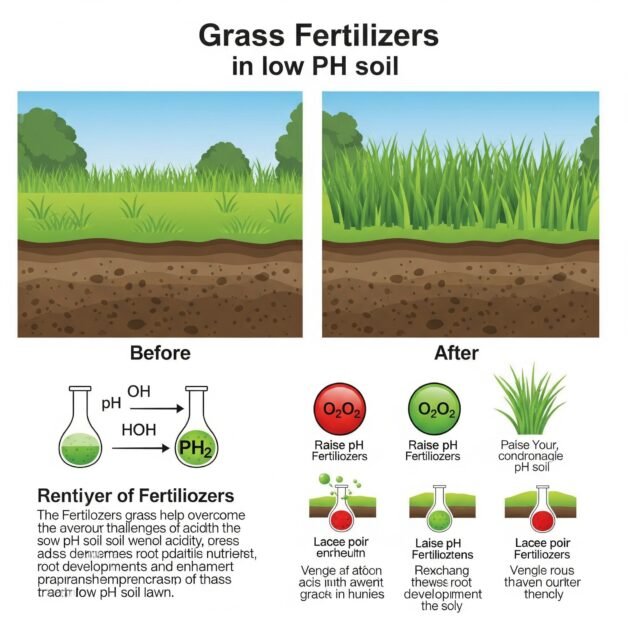
Have you ever wondered why your lawn isn’t growing as lush and green as you expected? The secret might be hiding right beneath your feet—in the acidity of your soil.
When lawn soil becomes too acidic, it can cause serious problems that affect your grass’s health and appearance. If you want a vibrant, thriving lawn, understanding what happens when your soil is too acidic is key. Keep reading to discover how soil acidity impacts your lawn and what you can do to fix it before it’s too late.

Credit: delawarevalleyturf.com
Causes Of Acidic Lawn Soil
Soil acidity affects how grass grows in your lawn. Acidic soil means the soil has a low pH level. This can cause problems for lawn health.
Understanding what causes soil to become acidic helps you take better care of your lawn. Some causes come from nature, while others come from human activities.
Natural Soil Composition
Some soils are naturally acidic because of the materials they contain. Soils with high amounts of organic matter or certain minerals tend to have a lower pH.
Soil made from sandstone or granite often has more acidity. The natural breakdown of leaves and plants also releases acids into the soil.
Environmental Factors
Rain can make soil more acidic by washing away basic minerals like calcium. Acid rain, caused by pollution, adds harmful acids to the soil.
Areas with high rainfall or certain climates often have more acidic soils. This happens because water changes the soil chemistry over time.
- Heavy rainfall leaches minerals from soil
- Acid rain adds sulfuric and nitric acids
- Climate influences soil pH naturally
Impact Of Fertilizers And Chemicals
Using some fertilizers can increase soil acidity. Ammonium-based fertilizers release acids when they break down in soil.
Other chemicals and pesticides may also change soil pH. Over time, repeated use can make the soil too acidic for healthy grass.
- Ammonium fertilizers lower soil pH
- Excess chemical use harms soil balance
- Regular soil testing helps monitor pH

Credit: yarafert.com
Signs Of Acidic Soil In Lawns
Lawn soil that is too acidic can harm grass growth. It changes how nutrients are absorbed by plants.
Recognizing signs of acidic soil helps you fix problems early. This keeps your lawn healthy and green.
Discolored Grass
Grass in acidic soil often turns yellow or pale green. This color change shows nutrient shortages, especially nitrogen.
Discoloration happens because acidic soil limits nutrient uptake. The grass looks weak and less vibrant.
Patchy Growth
Acidic soil causes uneven grass growth. Some areas grow slower or stop growing altogether.
This patchy lawn looks unhealthy and uneven. Roots struggle to grow in very acidic soil.
Weed Infestation
Many weeds prefer acidic soil. They often invade lawns with low pH levels.
Weeds take over bare or weak spots. Acidic soil makes it hard for grass to compete.
Effects On Grass Health
Lawn soil that is too acidic can harm grass in many ways. The soil’s low pH affects how grass takes in nutrients and grows.
Grass needs balanced soil to stay green and strong. Acidic soil causes problems that weaken the grass.
Nutrient Deficiencies
Acidic soil limits the availability of important nutrients. Grass cannot absorb enough calcium, magnesium, and potassium.
These deficiencies cause the grass to become pale and weak. It loses its vibrant green color and looks unhealthy.
- Calcium deficiency causes yellowing of leaves
- Magnesium shortage leads to poor photosynthesis
- Potassium lack reduces disease resistance
Root Damage
Too much acidity harms grass roots. The roots become weak and may rot.
Damaged roots cannot hold the grass firmly or take up water well. This makes the grass dry and easy to pull out.
- Roots shrink and lose strength
- Water uptake is reduced
- Root rot may develop
Reduced Growth Rate
Acidic soil slows down grass growth. The grass grows thinner and slower than usual.
Slow growth makes the lawn look patchy and less full. It also takes longer for the grass to recover from damage.

Credit: trynutripod.com
Impact On Soil Microorganisms
Lawn soil that is too acidic changes the life in the soil. Tiny living things called microorganisms feel this change.
These microorganisms help plants grow by breaking down nutrients and protecting roots. Acidic soil can harm them.
Beneficial Bacteria Decline
Beneficial bacteria in soil help plants by turning nutrients into food they can use. Acidic soil lowers their numbers.
With fewer helpful bacteria, plants get less food. This can make grass weak and slow to grow.
- Less nutrient breakdown
- Lower nitrogen fixation
- Weaker plant growth
Fungal Growth Increase
Some fungi grow better in acidic soil. These fungi can take over the soil and harm plants.
When fungi grow too much, they can cause root diseases. This makes lawns look unhealthy and patchy.
- More harmful fungi present
- Higher risk of root diseases
- Reduced lawn health
Common Lawn Problems Linked To Acidity
Lawn soil acidity can cause many problems for grass and plants. Acidic soil has a low pH, which can harm lawn health.
Many common lawn issues happen because the soil is too acidic. These problems affect growth, water use, and pest control.
Thatch Buildup
Too much acidity slows down the breakdown of dead grass and roots. This causes thick layers of thatch to form on the lawn.
Thatch blocks water, air, and nutrients from reaching the soil. It makes the lawn weak and less healthy.
Poor Water Absorption
Acidic soil holds water poorly. This causes water to run off instead of soaking into the ground.
When water does not absorb well, grass roots do not get enough moisture. This leads to dry, brown patches in the lawn.
Increased Pest Activity
Acidic soil weakens grass and plants, making them easier targets for pests. Many pests thrive in low pH soil conditions.
Common lawn pests like grubs and chinch bugs grow faster when soil acidity is high. This causes more damage to your lawn.
Testing Lawn Soil Ph
Lawn soil pH is important for healthy grass. Acidic soil can harm grass growth and color.
Testing soil pH helps you know the best way to care for your lawn. Simple tests can tell you if your soil is too acidic.
Diy Soil Testing Methods
You can test lawn soil pH at home. DIY kits are easy to use and affordable.
These kits usually come with strips or solutions that change color based on pH levels.
- Buy a DIY soil pH test kit from a garden store.
- Follow the instructions to collect a soil sample.
- Use the test kit to check the pH level.
- Compare the color result to the kit’s guide.
Professional Soil Analysis
For more accurate results, consider a professional soil analysis. This service provides detailed information.
Soil professionals use advanced tools to test pH and other factors affecting lawn health.
- Contact a local agricultural extension office.
- Send a soil sample to their lab.
- Receive a detailed report on your soil’s condition.
- Get advice on how to improve your lawn’s health.
Steps To Correct Acidic Soil
Acidic soil can harm your lawn. It affects grass growth and health. Correcting soil acidity is important for a lush lawn.
Here are steps to fix acidic soil effectively. Follow these to improve lawn conditions.
Applying Lime
Lime neutralizes acidic soil. It helps balance the pH level. This process supports better grass growth.
Use a soil test kit to check pH level. Apply lime based on test results. Spread lime evenly across the lawn.
- Use pelletized lime for easy application
- Spread lime in fall or early spring
- Water lawn after application
Organic Matter Addition
Adding organic matter improves soil quality. It helps with pH balance over time. Compost and manure are great choices.
Mix organic matter into the topsoil. This enriches the soil and promotes healthy grass growth. Repeat this process annually for best results.
- Use well-rotted compost
- Apply a thin layer over the lawn
- Rake it evenly into the soil
Adjusting Fertilizer Use
Some fertilizers increase soil acidity. Choose fertilizers carefully to avoid this. Look for options that support pH balance.
Read labels to find suitable fertilizers. Avoid those high in nitrogen. Use balanced fertilizers to help maintain healthy soil.
- Opt for slow-release fertilizers
- Test soil pH regularly
- Follow recommended application rates
Preventing Soil Acidity Issues
Lawn soil that is too acidic can harm grass growth and health. Preventing soil acidity helps keep your lawn green and strong.
Simple steps can help you avoid problems caused by acidic soil. Regular checks and good care make a big difference.
Regular Soil Monitoring
Testing your soil regularly shows its pH level. This helps you know if the soil is too acidic for your lawn.
- Use a soil test kit every 6 months
- Send samples to a local lab for detailed analysis
- Keep records of soil pH changes over time
- Adjust lawn care based on test results
Balanced Lawn Care Practices
Good lawn care keeps soil healthy and stops acidity from rising. Use the right methods to balance nutrients and moisture.
| Practice | How It Helps |
| Use lime as needed | Raises soil pH to reduce acidity |
| Avoid excess nitrogen fertilizer | Prevents soil acid buildup |
| Water deeply but less often | Reduces acid concentration |
| Remove thatch regularly | Improves soil air and nutrient flow |
Frequently Asked Questions
What Are The Effects Of Acidic Soil On Lawn Health?
Acidic soil reduces nutrient availability, causing yellowing and poor grass growth. It also encourages harmful microorganisms, weakening the lawn’s resilience.
How Can I Test If My Lawn Soil Is Too Acidic?
Use a soil pH test kit or send a sample to a lab. Ideal lawn soil pH ranges from 6. 0 to 7. 0.
What Are The Best Treatments For Acidic Lawn Soil?
Apply lime to neutralize soil acidity. Use organic matter like compost to improve soil structure and buffer pH changes.
Can Acidic Soil Cause Lawn Diseases?
Yes, acidic soil weakens grass and promotes fungal diseases. Proper pH helps maintain strong, disease-resistant turf.
Conclusion
Too acidic soil can harm your lawn’s health and growth. Grass struggles to absorb nutrients in such soil. This leads to weak, patchy, and slow-growing grass. Adjusting soil pH helps plants thrive better. Regular testing keeps soil balanced and healthy.
Taking care of soil acidity protects your lawn’s beauty. Simple steps can restore your lawn’s strength and color. Healthy soil means a lush, green yard you enjoy. Don’t ignore soil acidity; it matters for a strong lawn.

