
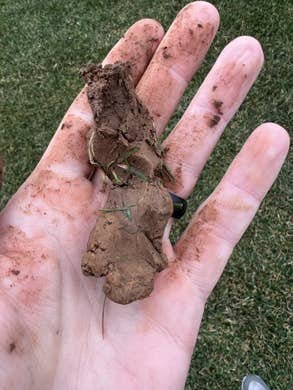
Are you struggling to grow a healthy lawn, no matter what you try? The problem might be your soil—especially if it’s heavy clay.
Clay soil can hold water and nutrients differently, making it tricky for grass roots to thrive. But how do you know if your lawn has clay soil? Testing it yourself is easier than you think, and it’s the first step to giving your grass the care it needs.
You’ll discover simple, effective ways to test your soil at home. Once you understand your soil, you’ll unlock the secrets to a greener, stronger lawn. Keep reading to find out how!

Credit: www.familyhandyman.com
Signs Of Clay Soil
Clay soil has unique features that affect lawn growth. Knowing these signs helps you decide how to care for your lawn.
Testing your soil will show if it has clay. This guide explains what to look for in clay soil.
Texture And Appearance
Clay soil feels smooth and sticky when wet. It can be hard and clumpy when dry.
It often looks dense and heavy. The color may be red, brown, or gray.
- Soil feels like soft putty when wet
- Forms tight clumps that hold shape
- Surface appears shiny or smooth
- Color varies but often dull
Drainage Patterns
Clay soil drains water slowly. Water may pool on the surface after rain.
This slow drainage can cause soggy spots in your lawn. It may take hours or days to dry.
- Water stays on soil surface for a long time
- Soil feels wet deep down after rain
- Lawn may develop puddles or muddy patches
- Grass roots may look shallow or weak
Soil Compaction Effects
Clay soil compacts easily. This makes it hard for roots to grow.
Compacted soil feels very firm. You may see cracks when it dries out.
- Soil is hard to dig or break up
- Surface cracks form in dry weather
- Grass may thin or grow slowly
- Water and air have trouble reaching roots
Collecting Soil Samples
Testing clay soil helps you understand its condition for lawn care. Collecting good soil samples is the first step.
Proper sampling ensures accurate results. Follow these guidelines to get reliable soil samples.
Tools Needed
Gather the right tools before you start collecting soil samples. This makes the process easier and cleaner.
- Garden trowel or soil probe
- Clean bucket or container
- Plastic bags or sample containers
- Permanent marker for labeling
- Gloves to keep hands clean
Choosing Sampling Spots
Pick spots that represent your lawn well. Avoid unusual areas like flower beds or compost piles.
| Spot Type | Reason |
| Shady areas | Soil moisture and composition may differ |
| Sunny areas | More exposed to sun and dry out faster |
| High traffic zones | Soil may be compacted |
| Low spots | May collect more water and nutrients |
Sample Preparation
Mix samples well for a good average. Dry the soil if it is too wet before testing.
- Remove grass and roots from the soil samples.
- Break up large clumps by hand or with a tool.
- Spread the soil on newspaper to air dry if wet.
- Mix all soil from different spots in a clean container.
- Fill the sample bag or container with the mixed soil.
- Label the sample with date and location details.
Conducting Simple Soil Tests
Testing your soil helps you understand its type. Clay soil is dense and holds water well. Simple tests can show if your lawn has clay soil.
These easy tests do not need special tools. You can do them at home with items you have. They give quick results about soil texture and drainage.
Jar Test Method
The jar test shows the soil layers by size. You fill a jar with soil and water, then shake it. The particles settle in layers after a few hours.
Clay particles settle last because they are the smallest. If a thick layer forms at the top, you have clay soil.
- Fill a clear jar halfway with soil
- Add water to fill the jar
- Shake the jar well
- Let it sit for 12-24 hours
- Observe the layers: sand, silt, and clay
Ribbon Test Technique
The ribbon test feels the soil texture by hand. You wet the soil and try to form a ribbon by pressing it between fingers. Clay soil makes a long, smooth ribbon.
If the ribbon breaks quickly, the soil has less clay. A ribbon longer than two inches shows high clay content.
- Take a small soil sample
- Add water until it feels like dough
- Press and roll the soil between fingers
- Try to form a ribbon about 2 inches long
- Note how long and smooth the ribbon is
Drainage Test Steps
Drainage test checks how fast water moves through soil. Clay soil drains slowly and stays wet. You dig a hole, fill it with water, and watch how fast it empties.
Slow drainage means your soil has a lot of clay. Good drainage means less clay and more sand or silt.
- Dig a hole about 12 inches deep and wide
- Fill the hole with water and let it drain
- Fill the hole with water again
- Measure how many inches drain per hour
- Less than 1 inch per hour shows poor drainage
Interpreting Test Results
Testing clay soil is important for a healthy lawn. Understanding the results helps you decide what to do next. This guide explains how to read your soil test results.
Look closely at clay content, soil drainage, and compaction levels. Each factor affects your lawn’s growth in different ways.
Identifying Clay Content
Clay soil feels sticky and smooth when wet. It holds water for a long time and dries slowly. Your test will show the percentage of clay particles in the soil.
- Less than 20% clay: Soil is loamy or sandy and drains well.
- 20% to 40% clay: Soil has moderate clay and needs some care.
- More than 40% clay: Soil is heavy clay and may cause drainage problems.
Assessing Soil Drainage
Drainage shows how fast water moves through soil. Poor drainage means water pools on the surface or stays soggy. Good drainage means water passes quickly and roots get oxygen.
| Drainage Test Result | Meaning | Effect on Lawn |
|---|---|---|
| Water drains within 30 minutes | Good drainage | Healthy root growth |
| Water drains in 1–3 hours | Moderate drainage | May need soil improvement |
| Water drains slowly or stands over 4 hours | Poor drainage | Risk of root rot and poor growth |
Recognizing Compaction Levels
Compacted soil is hard and dense. Roots find it hard to grow and water does not soak in easily. Your test may include a penetrometer reading or a simple push test.
Signs of soil compaction:
- Soil feels hard when poked with a stick
- Grass roots grow shallow
- Water pools or runs off instead of soaking in
- Penetrometer readings over 300 psi indicate high compaction
Improving Clay Soil For Lawn
Clay soil can hold water and nutrients well but often drains slowly. This can make it hard for grass to grow strong roots.
Improving clay soil helps your lawn stay green and healthy. Use simple methods to make the soil loose and rich.
Adding Organic Matter
Organic matter like compost or mulch helps clay soil break up. It adds air and nutrients, making the soil softer and easier for roots to grow.
- Spread a layer of compost over your lawn area.
- Work the compost into the top few inches of soil.
- Use mulch around the edges to keep moisture in.
- Add organic matter each spring and fall.
Aeration Techniques
Aeration helps loosen compact clay soil. It creates holes that let air, water, and nutrients reach grass roots.
| Aeration Method | Description | Best Time |
| Core Aeration | Removes small plugs of soil. | Spring or Fall |
| Spike Aeration | Pokes holes without removing soil. | Any growing season |
| Liquid Aeration | Uses liquid solution to loosen soil. | Spring |
Choosing Suitable Grass Types
Some grass types handle clay soil better than others. Choose grasses that grow well in heavy, wet soils.
- Kentucky Bluegrass: good for cool climates and clay soil.
- Fescue: tolerates shade and heavy soil well.
- Bermuda Grass: thrives in warm climates and dense soil.
- Zoysia Grass: grows slowly but handles clay soil.

Credit: lawnsynergy.com

Credit: omahaorganicslawncare.com
Frequently Asked Questions
How Can I Identify Clay Soil In My Lawn?
Clay soil feels sticky when wet and hard when dry. It often cracks in dry weather and holds water longer. Its particles are very fine, making it dense and heavy.
Why Test Clay Soil Before Planting A Lawn?
Testing clay soil helps determine its drainage, nutrient content, and pH. This info guides proper lawn care and soil amendments, ensuring healthy grass growth.
What Simple Methods Test Clay Soil Texture At Home?
Use the ribbon test by moistening soil and rolling it into a ribbon. If it forms a long, flexible ribbon over 2 inches, it likely contains clay.
How Does Clay Soil Affect Lawn Health?
Clay soil can cause poor drainage and compacted roots. This limits oxygen and water flow, leading to weak, patchy grass growth.
Conclusion
Testing clay soil is a simple step for a healthy lawn. Knowing soil type helps you choose the right grass and care. Dig a small hole and feel the soil texture. Watch how water drains to see soil drainage. These quick tests guide your lawn care decisions well.
Healthy soil means strong, green grass. Take time to test your soil this season. Your lawn will thank you with better growth. Small efforts now lead to lasting lawn beauty.

