
You’ve just finished using your handheld sprayer, but what’s the best way to store it so it lasts longer and works perfectly next time? If you’re like most people, you might be tempted to toss it in a corner or leave it as is.
But doing that can cause damage, leaks, or clogs. You’ll discover simple and effective tips to store your handheld sprayer the right way. By following these easy steps, you’ll save money, avoid frustration, and keep your sprayer ready for any task.
Keep reading to protect your investment and make your next spraying job smoother than ever.
Preparing The Sprayer
Proper care helps your handheld sprayer last longer. Preparing the sprayer after use keeps it ready for the next job.
This guide covers how to empty the tank, clean the nozzle, and flush the system safely and effectively.
Emptying The Tank
After spraying, release pressure and pour out any leftover liquid. Do this outside or in a well-ventilated area.
- Disengage the pump to release pressure safely.
- Remove the tank lid and pour contents into a proper container.
- Never pour chemicals down drains or onto soil.
Cleaning The Nozzle
Cleaning the nozzle stops clogs and ensures smooth spraying. Use water or a mild cleaning solution.
- Remove the nozzle from the sprayer.
- Soak it in warm water for 10 minutes.
- Use a soft brush or cloth to clear any dirt or residue.
- Rinse thoroughly before reattaching.
Flushing The System
Flushing removes leftover chemicals from the sprayer’s internal parts. This prevents damage and cross-contamination.
| Flush Step | Details |
| Fill Tank | Fill with clean water only, no chemicals. |
| Spray Water | Spray water through the nozzle until the tank is empty. |
| Repeat | Repeat filling and spraying two more times for full cleaning. |
| Dry | Let the sprayer air dry before storing. |
Drying And Disassembling
Properly drying and disassembling a handheld sprayer helps keep it in good shape. It stops damage and makes cleaning easier.
Follow simple steps to remove moisture and take apart parts safely. This process extends the sprayer’s life.
Removing Excess Moisture
After use, moisture inside the sprayer can cause rust or mold. Remove water to keep it dry and clean.
- Empty the sprayer tank fully.
- Spray clean water through the nozzle to clear the hose.
- Open all valves and caps to air dry.
- Use a dry cloth to wipe the outside.
- Leave the sprayer in a warm, ventilated spot until dry.
Taking Apart Key Components
Disassembling the sprayer lets you clean hard-to-reach areas. It also helps check for damage or wear.
| Component | How to Remove | Cleaning Tip |
| Nozzle | Unscrew carefully | Soak in warm, soapy water |
| Hose | Detach from connectors | Flush with clean water |
| Tank Cap | Unscrew and check seal | Wipe with a damp cloth |
| Trigger Handle | Remove screws or clips | Clean dirt gently with brush |
Choosing The Right Storage Spot
Storing your handheld sprayer properly helps it last longer and work well. Picking the right place protects it from damage and keeps it ready for use.
Consider factors like temperature, sunlight, and moisture when choosing where to store your sprayer. These can affect its parts and liquid inside.
Avoiding Extreme Temperatures
Keep the sprayer away from places that get very hot or very cold. Extreme temperatures can crack plastic and damage seals.
- Do not leave the sprayer in a car on hot days.
- Avoid freezing temperatures that can burst the tank.
- Store in a place with stable, moderate temperature.
Keeping Away From Direct Sunlight
Direct sunlight can degrade the sprayer’s materials and break down chemicals inside the tank. Store it in a shaded or indoor spot to avoid damage.
| Sunlight Exposure | Effect on Sprayer |
| Direct sunlight | Plastic weakens and liquid may spoil |
| Indirect or no sunlight | Parts stay strong and chemicals last longer |
Selecting A Dry Location
Moisture can cause rust and mold on your sprayer. Choose a dry area like a shelf or cabinet to keep it clean and safe.
- Check the spot for leaks or dampness.
- Keep the sprayer off the floor to avoid water damage.
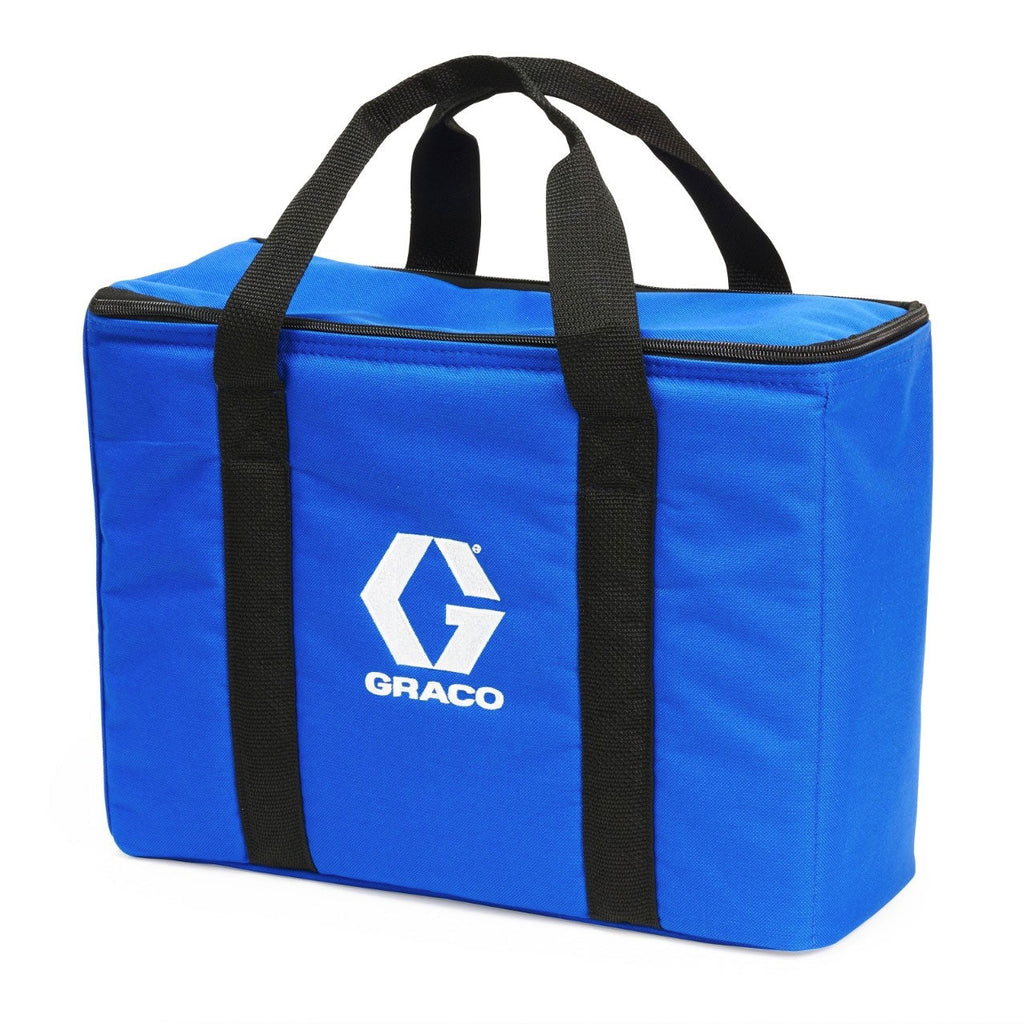
- Use a cover or bag if the area is dusty.

Credit: www.temu.com
Protecting The Sprayer
Storing a handheld sprayer properly helps it last longer. Protecting the sprayer prevents damage and rust.
Simple steps keep your sprayer ready for use. Clean and dry it before storage to avoid problems.
Using Protective Covers
Use protective covers to keep dirt and dust off the sprayer. Covers also guard against scratches and dents.
Choose covers made from waterproof and breathable materials. This stops moisture from building up inside.
- Keep sprayer covered when not in use
- Use a cover that fits snugly
- Store in a dry, cool place with cover on
Applying Lubricants To Moving Parts
Lubricate moving parts to stop rust and keep the sprayer working smoothly. Focus on the pump and trigger areas.
Use a light machine oil or spray lubricant. Apply a small amount and wipe away excess oil to avoid dirt buildup.
- Apply lubricant to trigger and pump joints
- Check parts for rust before lubricating
- Lubricate regularly, especially before storage
Routine Maintenance Tips
Keeping your handheld sprayer in good shape helps it work longer. Regular care stops damage and saves money.
Simple checks and part changes make your sprayer ready for every use. Follow these tips to keep it safe and clean.
Regular Inspection
Inspect your sprayer often to catch problems early. Look for cracks, leaks, and loose parts. Check the nozzle and hose for blockages or wear. Make sure the pump works smoothly without strange noises.
- Look for cracks on the tank and handle
- Check hose and nozzle for damage or blockages
- Test the pump pressure and smoothness
- Ensure seals and gaskets are tight and intact
- Clean dirt and residue from all parts
Replacing Worn Parts
Replace worn or broken parts to keep your sprayer safe and efficient. Using damaged parts can cause leaks or poor spraying. Use only parts made for your sprayer model.
| Part | Signs to Replace | Replacement Tips |
| Nozzle | Clogs, cracks, uneven spray | Clean regularly; replace if damaged |
| Hose | Leaks, cracks, stiffness | Check for leaks; replace if brittle |
| Seals and Gaskets | Leaks, wear, cracks | Keep spare seals; replace yearly |
| Pump | Loss of pressure, noise | Lubricate and replace worn parts |
Credit: www.paintaccess.com.au

Credit: www.amazon.com
Frequently Asked Questions
How Do I Clean A Handheld Sprayer Before Storage?
Rinse the sprayer thoroughly with clean water after use. Remove and clean the nozzle and filter. This prevents clogging and chemical residue buildup during storage.
Where Should I Store A Handheld Sprayer?
Store the sprayer in a cool, dry place away from direct sunlight. Avoid freezing temperatures to protect internal parts and prolong sprayer life.
Should I Empty The Sprayer Before Storing It?
Yes, always empty the tank completely. This prevents chemical buildup, corrosion, and damage to seals inside the sprayer during storage.
How Can I Prevent Sprayer Damage During Storage?
Clean all parts thoroughly, drain liquids, and loosen any pressure. Store the sprayer upright to avoid leaks and maintain its condition.
Conclusion
Properly storing your handheld sprayer keeps it working longer. Clean it well after each use to avoid clogs. Store it in a dry, cool place away from sunlight. Always empty the tank before storing to prevent damage. Check seals and parts regularly for wear and tear.
Taking these simple steps saves money and time. Your sprayer stays ready for the next job. Small care makes a big difference in tool life. Follow these tips to keep your sprayer in top shape.
