
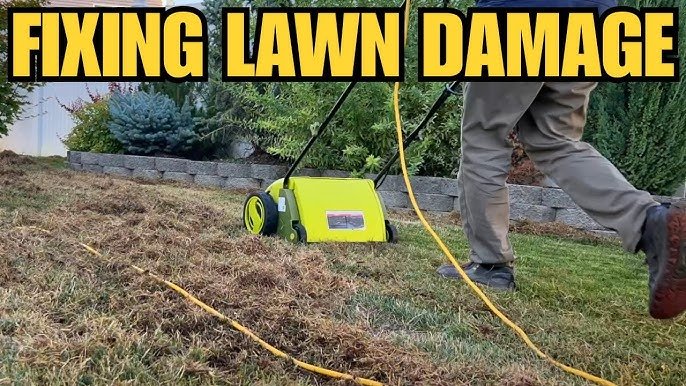
Is your lawn looking a little worse for wear this summer? You might be dealing with thatch buildup.
Thatch is a layer of dead grass, roots, and debris that can smother your lawn, making it difficult for your grass to thrive. But don’t worry—dethatching can help your lawn breathe and grow lush and green again. In this guide, you’ll discover simple, effective techniques to dethatch your lawn in summer, ensuring your grass stays healthy and vibrant.
We’ll walk you through the process step-by-step, so you can tackle this task with confidence. Ready to give your lawn the care it deserves? Keep reading to find out how you can transform your outdoor space into a beautiful, thriving oasis.

Credit: lawnlove.com
Why Dethatch Your Lawn
Dethatching removes the layer of dead grass and roots called thatch. This layer can stop water, air, and nutrients from reaching the soil. Removing thatch helps your lawn grow healthy and green.
Summer is a good time to dethatch because the grass grows fast. This helps the lawn recover quickly after dethatching. Let’s look at why thatch buildup is a problem and the benefits of dethatching in summer.
Effects Of Thatch Buildup
Thatch buildup can cause many problems for your lawn. It blocks water and nutrients from reaching the roots. This weakens the grass and makes it more likely to die.
- Stops water from soaking into the soil
- Blocks air from reaching the roots
- Harbors pests and diseases
- Leads to uneven lawn growth
- Causes the soil to stay too wet or too dry
Benefits Of Dethatching In Summer
Dethatching in summer helps your lawn stay healthy. The warm weather helps the grass grow back fast. This reduces damage and stress from dethatching.
| Benefit | Explanation |
| Improves nutrient flow | Removes thatch so nutrients reach roots |
| Increases water absorption | Allows water to soak into soil |
| Reduces pests | Removes homes for insects and fungi |
| Boosts grass growth | Grass recovers quickly in warm weather |
| Enhances soil aeration | Air moves freely to roots |
Signs Your Lawn Needs Dethatching
Dethatching your lawn helps keep it healthy during summer. Thatch is a layer of dead grass and roots that build up over time. It stops water, air, and nutrients from reaching the soil.
Knowing the signs your lawn needs dethatching can save it from damage. Look for clear clues in your grass and soil.
Visible Thatch Layer
You can see thatch as a brownish, spongy layer between grass blades and soil. It feels thick and springy when you press on it. If this layer is more than half an inch thick, dethatching is needed.
Too much thatch blocks sunlight and stops water from soaking in. This can harm your grass roots.
Poor Grass Growth
Grass looks thin or patchy if thatch is too thick. You might see bare spots or weak blades. The grass may also turn yellow or brown.
- Grass grows slowly or unevenly
- Grass blades look thin and weak
- Some patches of grass die off
These problems happen because roots cannot get enough air, water, or nutrients.
Water Drainage Issues
Water may puddle on the lawn surface instead of soaking in. This happens because thick thatch stops water from reaching soil below.
- Water pools after rain or watering
- Soil stays soggy on top but dry below
- Grass near puddles looks unhealthy
Poor drainage can cause root rot and other lawn problems. Dethatching helps water flow better into the soil.
Best Time For Summer Dethatching
Dethatching your lawn in summer helps grass grow better. It removes dead grass and roots that block water and nutrients.
Choosing the right time in summer is key for a healthy lawn. This guide covers the best weather and grass types for dethatching.
Ideal Weather Conditions
Pick a day with good weather to dethatch. Avoid extreme heat or drought. The lawn should be dry, but the soil moist.
- Temperatures between 60°F and 85°F are best
- Clear or partly cloudy skies prevent heat stress
- A few days after rain helps soften the soil
- Low wind keeps grass from drying out quickly
Grass Type Considerations
| Grass Type | Best Time to Dethatch | Notes |
| Cool-season grasses (fescue, bluegrass) | Late spring to early summer | Before heat stress starts |
| Warm-season grasses (Bermuda, zoysia) | Early to mid-summer | During active growth |
| Mixed lawns | Mid-summer | After grass has greened up |
Tools For Dethatching
Dethatching your lawn removes dead grass and debris. It helps your lawn stay healthy and green in summer.
Using the right tools makes dethatching easier and more effective. Different tools fit different lawn sizes and conditions.
Manual Rakes
Manual rakes are simple tools with sharp blades or tines. They pull up thatch by hand and work well for small lawns.
These rakes need physical effort but give good control. You can focus on problem spots easily.
- Affordable and easy to find
- Best for small or uneven lawns
- Requires physical work and time
Power Dethatchers
Power dethatchers use a motor to pull up thatch quickly. They cover large areas faster than manual rakes.
These tools have rotating blades or tines. They work best on medium to large lawns with moderate thatch.
- Save time on big lawns
- Need electricity or gas to run
- Can damage grass if used too deep
Lawn Scarifiers
Lawn scarifiers cut into the soil to remove thatch and moss. They help improve air and water flow in the soil.
Scarifiers are powerful and best for lawns with heavy thatch. They often have adjustable blades for depth control.
- Good for thick, compacted lawns
- Use carefully to avoid harming grass
- Some models collect debris automatically
Step-by-step Dethatching Process
Dethatching your lawn in summer helps grass grow healthy. It removes thick layers of dead grass and debris.
This guide shows you how to dethatch your lawn with easy steps. Follow each part carefully for best results.
Preparing Your Lawn
Start by mowing your lawn short. This makes dethatching easier and more effective.
Water your lawn one day before dethatching. Moist soil helps remove thatch better but avoid wet soil.
- Clear the lawn of toys and furniture
- Mark sprinkler heads to avoid damage
- Wear gloves and protective shoes
Dethatching Techniques
Use a dethatching rake or machine to remove thatch. Pull the rake firmly through the grass.
Make several passes over the lawn in different directions. This helps remove more dead material.
- Hand rakes work well for small lawns
- Power dethatchers suit larger areas
- Do not dethatch if soil is too dry or wet
Cleaning Up Debris
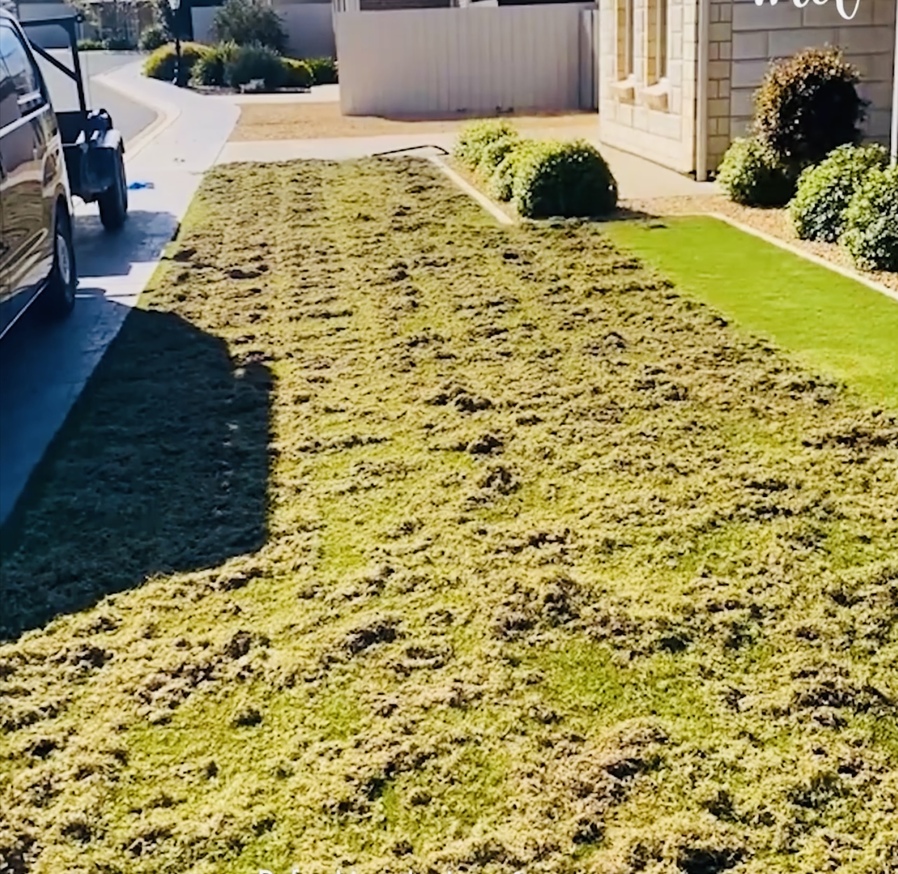
After dethatching, rake up the dead grass and debris. Removing it helps air and water reach the soil.
Bag the debris or add it to your compost pile. Clean tools to keep them ready for next use.
- Use a leaf rake for better collection
- Check for any missed thatch spots
- Water the lawn lightly after cleanup

Credit: stripemasterslawns.com
Post-dethatching Care
After dethatching your lawn in summer, proper care helps it heal quickly. Taking care of your grass now supports healthy growth.
Follow these simple tips to keep your lawn green and strong after dethatching.
Watering Tips
Water your lawn deeply right after dethatching. This helps the soil stay moist and reduces stress on grass roots.
Keep watering regularly but avoid overwatering. Aim for about one inch of water per week.
- Water early in the morning to reduce evaporation
- Use a sprinkler to cover the entire lawn evenly
- Check soil moisture before watering again
Fertilizing Your Lawn
Apply a balanced fertilizer after dethatching to give your lawn nutrients. This supports new growth and recovery.
Choose a fertilizer with nitrogen, phosphorus, and potassium for best results.
- Use a slow-release fertilizer to avoid burning grass
- Follow package instructions for amount and timing
- Water the lawn after fertilizing to help absorb nutrients
Overseeding For Recovery
Spread grass seed over your lawn after dethatching to fill bare spots. Overseeding helps create a thicker lawn.
Choose seeds that match your current grass type. Keep the soil moist for good seed germination.
- Rake lightly to mix seeds into the soil
- Water seeds daily until they sprout
- Limit foot traffic on seeded areas to protect new grass
Common Dethatching Mistakes To Avoid
Dethatching helps remove dead grass and debris from your lawn. Doing it right keeps your lawn healthy and green.
Many people make mistakes that hurt their lawn during dethatching. Avoid these common errors to get the best results.
Dethatching Too Often
Dethatching too often can damage your grass roots. It weakens the lawn and slows growth.
Only dethatch when the layer of thatch is thicker than half an inch. Usually, this means once a year or less.
Ignoring Lawn Health
Do not dethatch if your lawn is stressed or unhealthy. This can cause more harm than good.
Make sure your lawn is well-watered and growing strong before dethatching. Check for signs of disease or pests first.
Using Wrong Tools
Using the wrong tools can tear your grass instead of cleaning it. This makes the lawn weak and patchy.
Choose tools like dethatching rakes or machines made for the job. Avoid using garden rakes or sharp tools.
- Dethatching rake: good for small lawns
- Power dethatcher: best for large areas
- Sharp tools: avoid as they can damage roots
Credit: www.yourgreenpal.com
Alternative Lawn Care Tips For Summer
Summer can be tough on your lawn. Heat and dryness can damage grass quickly.
Using good care methods helps keep your lawn healthy and green all season.
Aeration Benefits
Aerating your lawn means making small holes in the soil. This helps air, water, and nutrients reach the roots.
This process reduces soil compaction and helps grass grow stronger during hot weather.
Proper Mowing Practices
Mowing your lawn the right way keeps grass healthy in summer heat. Cutting too short can stress the grass.
- Set mower blades to a higher level, about 3 inches.
- Keep mower blades sharp to avoid tearing grass.
- Never remove more than one-third of the grass height at once.
- Water your lawn before mowing if the grass is dry.
Weed Control Strategies
Weeds compete with grass for water and nutrients. Controlling weeds helps your lawn stay strong.
| Weed Type | Control Method | Best Time |
| Crabgrass | Pre-emergent herbicide | Early Spring |
| Dandelions | Spot treatment with post-emergent herbicide | Late Spring to Summer |
| Broadleaf weeds | Hand pulling or selective herbicides | Anytime during growing season |
Frequently Asked Questions
What Is Lawn Dethatching And Why Is It Important?
Lawn dethatching removes the thick layer of dead grass and debris. It improves air, water, and nutrient flow to the soil. This promotes healthier grass growth and prevents lawn diseases.
When Is The Best Time To Dethatch A Lawn In Summer?
Early to mid-summer is ideal for dethatching. Grass is actively growing and can recover faster. Avoid dethatching during extreme heat or drought conditions to prevent stress.
What Tools Are Needed To Dethatch A Lawn Effectively?
A dethatching rake or a power dethatcher works best. Manual rakes suit small lawns, while power dethatchers cover larger areas quickly. Proper tools ensure efficient thatch removal without damaging grass.
How Often Should You Dethatch Your Lawn In Summer?
Dethatch once every 1-3 years depending on grass type and thatch buildup. Over-dethatching can harm the lawn, while neglecting it leads to thick thatch layers that block nutrients.
Conclusion
Dethatching your lawn in summer keeps grass healthy and green. It removes dead grass and lets water reach roots. Use the right tools and work carefully. Avoid dethatching in very hot weather to protect your lawn. Water your lawn after dethatching to help it recover.
Regular care makes your lawn strong and beautiful. A clean lawn feels nice to walk on and looks great. Try these tips to enjoy a fresh, healthy yard all summer.
