
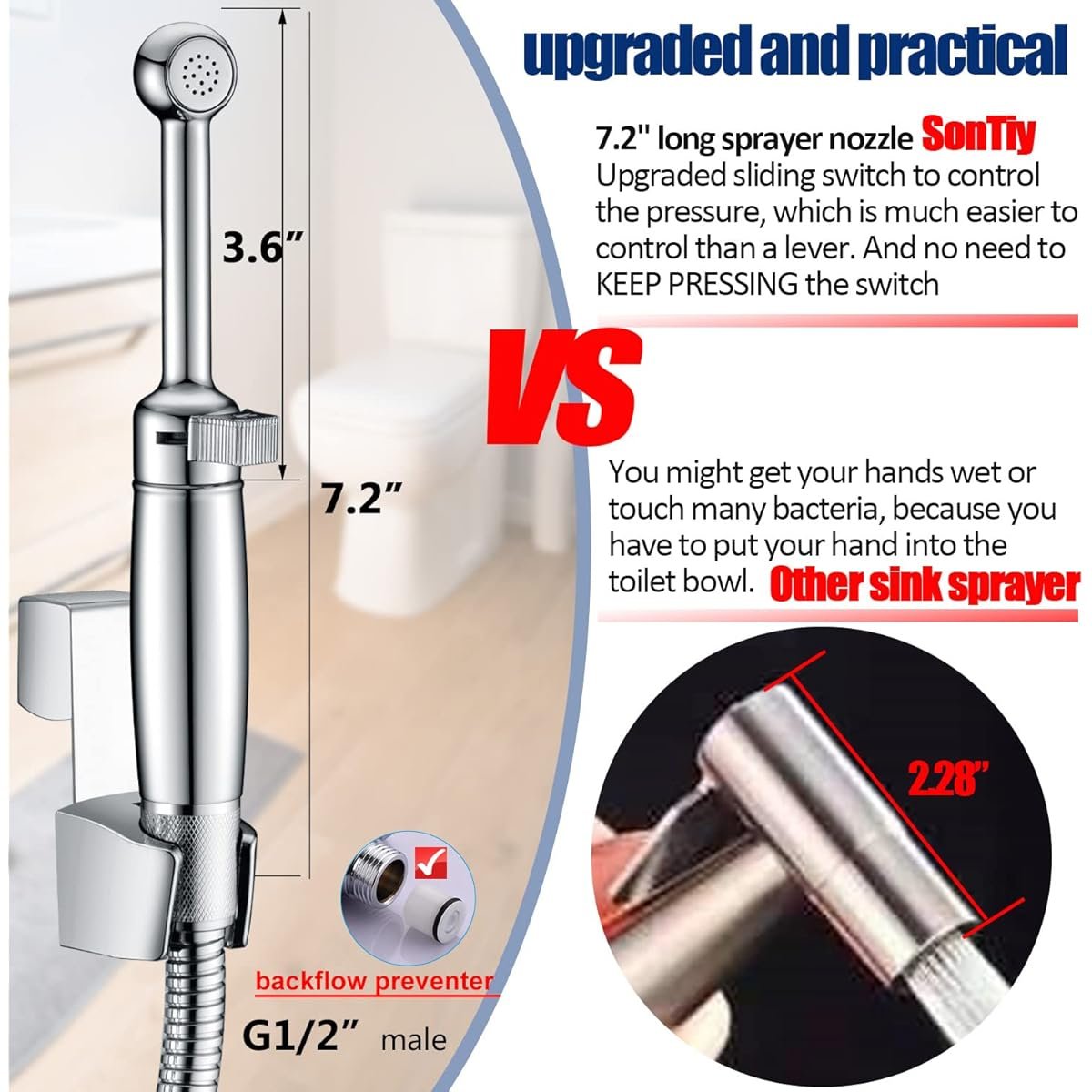
Are you tired of your handheld sprayer not working the way you want? Whether your spray is too weak, too strong, or just uneven, adjusting the nozzle can make all the difference.
Knowing how to fine-tune your sprayer nozzle will save you time, effort, and frustration. In this guide, you’ll learn simple steps to get the perfect spray every time. Keep reading, and soon you’ll handle your sprayer like a pro.
Credit: www.temu.com
Types Of Handheld Sprayer Nozzles
Handheld sprayers use different nozzles to control spray patterns and flow rates. Choosing the right nozzle helps apply liquids effectively.
Nozzles vary by design and function. Here are the common types you will find on handheld sprayers.
Fixed Nozzle
Fixed nozzles have one set spray pattern and flow rate. You cannot change the spray angle or pressure.
They are simple and easy to use. Fixed nozzles work well for tasks with consistent spray needs.
- Spray pattern stays the same
- No adjustment needed
- Good for repeat jobs
Adjustable Nozzle
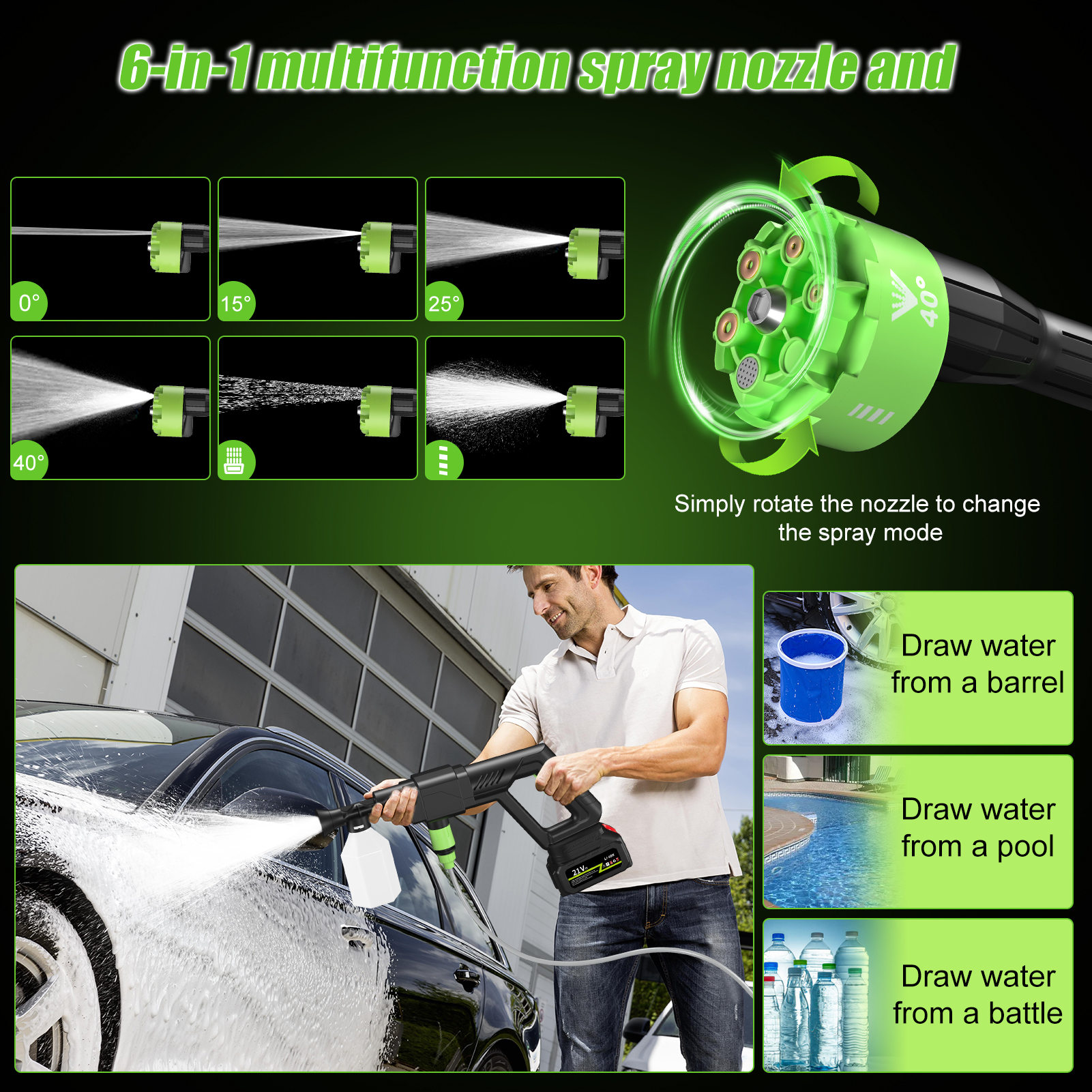
Adjustable nozzles let you change the spray pattern. You can switch from a narrow stream to a wide mist.
This type helps apply liquids to different surfaces or plants. You turn or twist the nozzle to adjust it.
- Change spray angle easily
- Control spray intensity
- Versatile for many tasks
Interchangeable Nozzle Tips
Interchangeable nozzle tips allow you to swap tips for different spray types. Each tip has a unique spray pattern.
You remove one tip and install another. This option offers the most flexibility for various spraying jobs.
- Multiple tips for different sprays
- Easy to switch tips
- Use one sprayer for many tasks

Credit: goodseller-products.en.made-in-china.com
Tools Needed For Adjustment
Adjusting the nozzle on a handheld sprayer helps control spray patterns. Using the right tools makes this task easier and safer.
Read on to learn about the basic tools and safety gear needed for nozzle adjustment.
Basic Tools
You need simple tools to adjust the sprayer nozzle correctly. These tools help loosen or tighten parts without damage.
- Adjustable wrench or pliers to grip the nozzle
- Small screwdriver for fine adjustments
- Cleaning brush to clear nozzle blockages
- Cloth or rag to wipe parts clean
Having these tools ready speeds up the adjustment process and keeps the sprayer working well.
Safety Gear
Wear safety gear to protect yourself from chemicals and spray mist. Safety is important during nozzle adjustment.
- Gloves to protect your hands from chemicals
- Safety glasses to shield your eyes
- Long sleeves to cover your skin
- A mask if using strong chemicals
Using safety gear reduces risks and keeps you safe while adjusting the nozzle.
Preparing The Sprayer
Before adjusting the nozzle on your handheld sprayer, prepare the sprayer carefully. This helps the sprayer work well and last longer.
Checking the sprayer parts ensures safety and good spray patterns. Take your time to get ready before use.
Cleaning The Nozzle
Clean the nozzle to avoid clogs and uneven sprays. Dirt or residue can block the nozzle and affect spraying.
Remove the nozzle tip gently. Use water or a soft brush to clear any dirt inside. Do not use sharp tools that can damage the nozzle.
- Detach the nozzle from the sprayer
- Rinse with clean water
- Use a soft brush to remove debris
- Dry the nozzle before reattaching
Checking For Damage
Look closely at the nozzle for cracks, wear, or other damage. Damaged nozzles can cause leaks or poor spray patterns.
Replace the nozzle if you see any damage. Using a good nozzle keeps the sprayer working well and safe.
- Inspect the nozzle tip for cracks
- Check the threads for wear
- Ensure the nozzle seals tightly
- Replace if any damage is found
Adjusting Spray Pattern
Adjusting the spray pattern on your handheld sprayer helps you control how the liquid spreads. You can change it from a fine mist to a strong stream.
Understanding how to adjust your sprayer nozzle lets you apply liquids more efficiently and avoid waste.
From Fine Mist To Stream
To change the spray from a fine mist to a stream, turn the nozzle tip. Twist it gently to find the right spray strength. A mist covers a wide area with tiny droplets. A stream delivers liquid farther with a focused flow.
- Twist nozzle clockwise for a finer mist.
- Turn nozzle counterclockwise for a stronger stream.
- Test spray on a small area to check pattern.
- Adjust slowly until you get the desired spray.
Controlling Spray Width
You can also control the width of the spray. The nozzle adjustment changes how wide or narrow the spray spreads. A wide spray covers more ground, and a narrow spray targets specific spots.
| Spray Width | Effect | Use For |
| Wide | Covers large areas quickly | Watering plants, applying fertilizer |
| Narrow | Focuses on small areas | Spot treating weeds, cleaning specific spots |
Setting The Spray Pressure
Adjusting the spray pressure on a handheld sprayer helps control the flow and reach of the spray. Proper pressure ensures even coverage and prevents waste.
This guide explains two ways to set the spray pressure: manual pressure adjustment and using the pump action.
Manual Pressure Adjustment
Many sprayers have a nozzle that you can turn to change the pressure. Turning the nozzle one way tightens the spray for a fine mist. Turning it the other way widens the spray for a heavier flow.
- Turn the nozzle clockwise to increase pressure and get a narrow spray.
- Turn the nozzle counterclockwise to decrease pressure and get a wide spray.
- Test the spray on a small area to find the best setting.
- Adjust slowly to avoid sudden changes in pressure.
Using Pump Action
The pump action helps build pressure inside the sprayer tank. You pump the handle up and down to increase pressure before spraying.
| Pump Action | Effect on Pressure | Spray Result |
|---|---|---|
| Few pumps | Low pressure | Gentle spray, less reach |
| Several pumps | Medium pressure | Balanced spray for most uses |
| Many pumps | High pressure | Strong spray, longer reach |
Testing The Spray
Testing the spray on your handheld sprayer helps ensure even coverage. It also shows if the nozzle works correctly before you start spraying plants.
Try a trial spray on a safe surface to check the spray pattern and flow rate. Adjust the nozzle if the spray does not look right.
Trial Spray Techniques
Stand a few feet from a test area like a wall or a piece of cardboard. Press the trigger gently and watch the spray.
- Check if the spray is wide and even.
- Look for any drips or uneven spots.
- Adjust the nozzle tip to change the spray from a fine mist to a solid stream.
- Repeat the spray test after each adjustment.
- Note the pressure needed to get the best spray.
Common Issues And Fixes
| Issue | Cause | Fix |
| Spray is too weak | Low pressure or clogged nozzle | Clean nozzle or pump sprayer handle firmly |
| Spray is uneven | Nozzle tip damaged or dirty | Replace or clean nozzle tip |
| Spray drips after release | Nozzle not tightened or worn | Secure nozzle or replace it |
| Spray is too narrow | Nozzle setting on stream mode | Turn nozzle to mist or fan spray |
Maintaining Nozzle Performance
Keeping the nozzle on your handheld sprayer clean and adjusted helps it work well. Good nozzle care stops clogs and uneven spray.
Regular checks and simple cleaning keep the sprayer ready for use. This saves time and improves spraying results.
Regular Cleaning Tips
Clean the nozzle after each use to remove dirt and chemicals. This keeps the spray pattern smooth and prevents blockages.
Use a soft brush or cloth to wipe the nozzle. Avoid sharp tools that can damage it.
- Rinse the nozzle with clean water after spraying.
- Soak the nozzle in warm, soapy water if clogged.
- Use a toothpick or needle gently to clear small holes.
- Dry the nozzle fully before storing.
Storage Recommendations
Store the sprayer and nozzle in a dry place. This stops rust and damage from moisture.
Keep the nozzle covered or in a sealed bag. This keeps dust and dirt away.
- Empty the sprayer tank before storage.
- Remove the nozzle and clean it before putting away.
- Store sprayer upright to avoid leaks.
- Check nozzle condition before each use.
Credit: www.walmart.com
Frequently Asked Questions
How Do I Adjust The Nozzle On A Handheld Sprayer?
To adjust the nozzle, twist it clockwise for a finer mist and counterclockwise for a stronger stream. This controls spray pattern and flow. Adjusting properly ensures efficient and even coverage.
Why Is Nozzle Adjustment Important For Spraying?
Nozzle adjustment controls spray intensity and coverage. Proper settings prevent waste and ensure plants get the right amount of liquid. It improves efficiency and effectiveness of your spraying tasks.
Can Nozzle Adjustment Affect Spray Distance?
Yes, adjusting the nozzle changes spray distance. A narrow stream reaches farther, while a wide mist covers a larger area closer. Adjust based on your task needs for best results.
How Often Should I Check The Nozzle Setting?
Check nozzle settings before every use to ensure proper spray pattern. Regular checks prevent clogging and uneven spraying. Proper maintenance keeps your sprayer working efficiently.
Conclusion
Adjusting the nozzle on your handheld sprayer is simple. It ensures efficient spraying and minimizes waste. Start by checking the nozzle type and adjusting it to your need. Use a gentle twist to avoid damage. Regular maintenance keeps your sprayer in top condition.
Clean the nozzle after each use. This prevents clogs and extends its life. With these steps, your spraying tasks will be easier. Enjoy smooth and effective spraying every time. Remember, a properly adjusted nozzle makes a big difference. Keep practicing and you’ll get better with time.
Happy spraying!

