

Are your fruit trees looking crowded or overgrown? Pruning with loppers is one of the easiest and most effective ways to help your trees stay healthy and produce more fruit.
You might think pruning is complicated, but with the right tools and simple steps, you can do it yourself. In this guide, you’ll learn exactly how to use loppers to shape your fruit trees, improve air flow, and encourage stronger growth.
Keep reading, and you’ll discover tips that make pruning quick, safe, and rewarding—so your trees can thrive season after season.
Choosing The Right Loppers
Pruning fruit trees needs the right loppers to cut cleanly and safely. Picking the best loppers helps you prune with less effort.
This guide covers types of loppers, blade quality, and handle comfort to help you choose well.
Types Of Loppers
Loppers come in different styles. Each style fits certain pruning needs and branch sizes.
- Anvil loppers have one sharp blade that cuts against a flat surface. They are good for dry branches but can crush green wood.
- Bypass loppers have two blades that slide past each other like scissors. They give a clean cut and are better for live branches.
- Ratchet loppers use a mechanism to increase cutting power. They help cut thick branches with less force.
Blade Quality And Maintenance
Good blades stay sharp and resist rust. Sharp blades make clean cuts that heal faster.
| Blade Material | Benefits |
| Carbon Steel | Very sharp and easy to sharpen |
| Stainless Steel | Rust-resistant and low maintenance |
| Forged Steel | Strong and durable for heavy use |
Clean blades after use and oil them to prevent rust. Sharpen blades regularly for best results.
Handle Length And Comfort
Handle length affects reach and cutting power. Longer handles give more leverage but can be heavy.
- Short handles (12-18 inches) work well for small trees and tight spaces.
- Medium handles (18-24 inches) balance power and control.
- Long handles (24-30 inches) help cut thick branches from a distance.
- Look for handles with non-slip grips to reduce hand strain.
Credit: www.postregister.com
Best Time To Prune Fruit Trees
Pruning fruit trees helps keep them healthy and productive. It also shapes the tree and removes dead or weak branches.
Knowing the best time to prune your tree is important. Pruning at the wrong time can harm the tree or reduce fruit yield.
Seasonal Considerations
Fruit trees respond differently to pruning depending on the season. Here is a simple guide for each season:
| Season | Best Pruning Time | Notes |
| Winter | Late winter | Before new growth starts |
| Spring | Early spring | After frost danger passes |
| Summer | Mid to late summer | Light pruning only |
| Fall | Avoid pruning | May invite disease |
Late winter pruning lets the tree heal before sap starts to flow. Summer pruning helps control size but avoid heavy cuts then.
Signs Your Tree Needs Pruning
Look for these signs to know when your fruit tree needs pruning:
- Dead or broken branches
- Branches crossing or rubbing together
- Thin canopy with too much sunlight inside
- Branches growing inward toward the trunk
- Reduced fruit size or quantity
Removing these branches improves air flow and sunlight. It also helps the tree use energy better for fruit production.
Preparing For Pruning
Pruning fruit trees with loppers helps keep them healthy and productive. Proper preparation makes the work safer and easier.
Before you start cutting, gather the right tools and follow safety steps. This guide covers essential safety gear and tool care.
Safety Gear And Precautions
Wearing the right safety gear protects you from injuries. Pruning involves sharp tools and falling branches.
- Wear sturdy gloves to protect your hands from cuts and scratches.
- Use safety glasses to shield your eyes from debris.
- Wear long sleeves and pants to avoid skin contact with branches and insects.
- Choose closed-toe shoes with good grip to prevent slips and drops.
- Check your surroundings for power lines or unstable branches before pruning.
Cleaning And Sharpening Tools
Clean and sharp loppers cut better and reduce damage to trees. Dull tools make pruning harder and less safe.
| Tool Care Task | How To Do It |
| Cleaning | Wipe blades with a cloth soaked in soapy water. Remove sap and dirt. |
| Disinfecting | Use rubbing alcohol or bleach solution to kill germs on blades. |
| Sharpening | Use a sharpening stone or file to hone blades until sharp. |
| Oiling | Apply light machine oil to blades and joints to prevent rust. |
Pruning Techniques With Loppers
Using loppers is a smart way to prune fruit trees. They help cut thick branches safely and cleanly. Good pruning keeps trees healthy and helps fruit grow well.
This guide covers how to choose branches to cut, make clean cuts, and protect the tree from damage.
Identifying Branches To Remove
Look for branches that hurt the tree’s shape or health. Remove dead, diseased, or broken branches first. Thin out crowded areas to let light and air reach all parts of the tree.
- Dead or dry branches
- Crossing or rubbing branches
- Weak or thin shoots
- Branches growing toward the center
- Any damaged by pests or disease
Making Clean Cuts
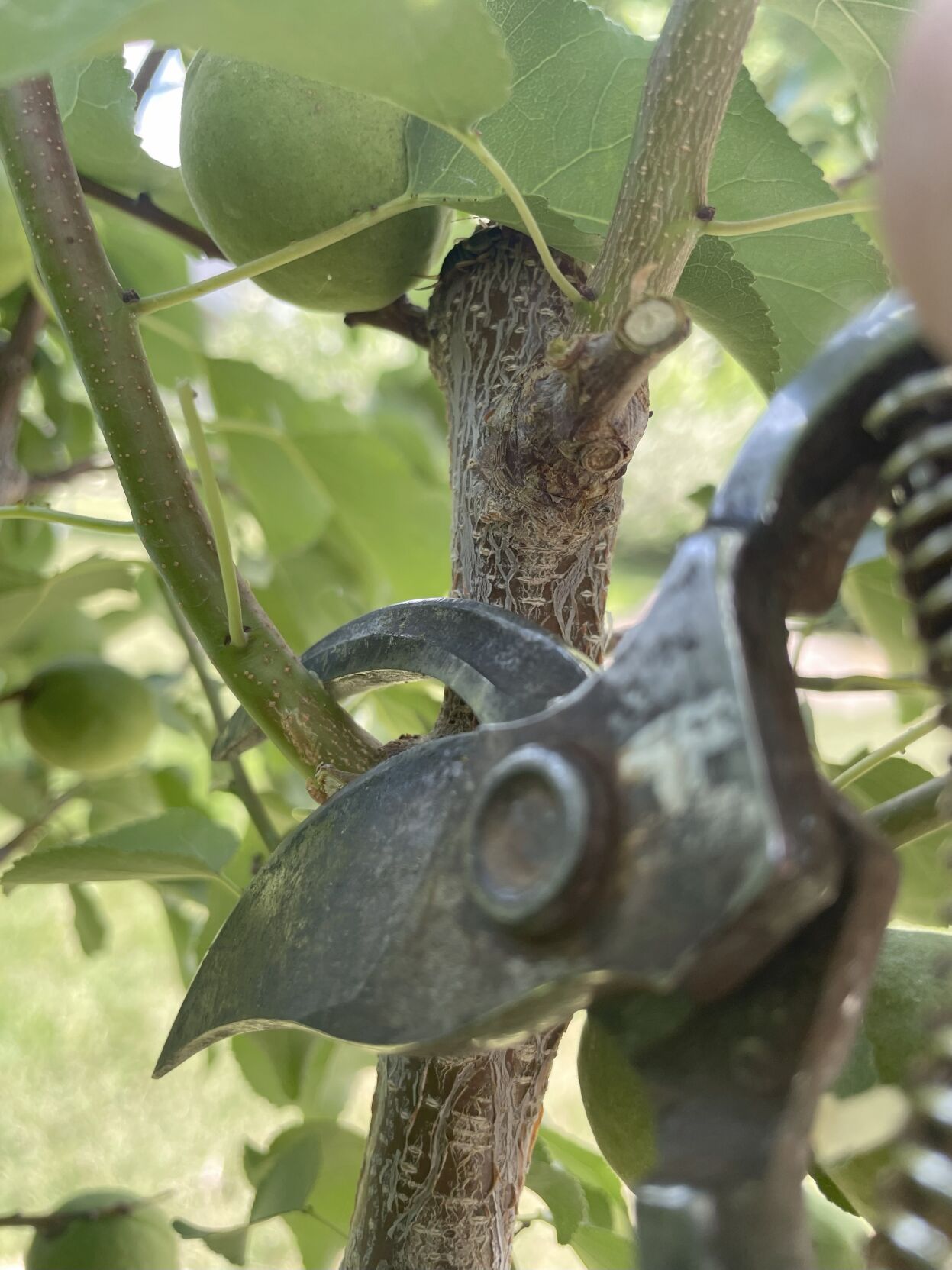
Use sharp loppers for smooth cuts. Cut at a slight angle to help water run off. Make cuts just outside the branch collar to help healing.
| Cut Location | Reason |
| Just outside branch collar | Promotes fast healing |
| At 45-degree angle | Prevents water damage |
| Clean, smooth cut | Reduces infection risk |
Avoiding Damage To The Tree
Cut carefully to not harm the tree bark or main limbs. Avoid tearing or crushing branches. Keep lopper blades clean to stop spreading disease.
- Use sharp blades to reduce tearing
- Support branches while cutting
- Clean tools with alcohol before use
- Do not cut too close to the trunk
- Wear gloves and eye protection
Pruning For Tree Health And Fruit Production
Pruning fruit trees with loppers helps keep trees healthy. It also improves fruit growth and quality.
Using loppers lets you cut thicker branches safely. Proper pruning lets light and air reach the inner parts of the tree.
Removing Dead And Diseased Wood
Start by cutting away all dead or diseased branches. These can harm the tree and spread sickness.
- Look for branches that are dry or cracked
- Cut at the base of the dead branch
- Remove any parts with fungus or mold
- Clean loppers between cuts to avoid spreading disease
Thinning For Airflow And Light
Thin branches to let air and sunlight reach all parts of the tree. This lowers the chance of pests and improves fruit ripening.
| Pruning Goal | Benefit | How to Prune |
| Improve Airflow | Reduces mold and insects | Cut crowded branches close to main limbs |
| Increase Light | Boosts fruit growth | Remove crossing branches and thin dense areas |
Shaping The Tree Structure
Shape the tree to keep a strong frame. Good shape supports heavy fruit loads and makes care easier.
- Choose 3 to 5 main branches spaced evenly around the trunk
- Cut back long shoots to encourage side branches
- Remove weak or inward-growing branches
- Keep the center open to sunlight
Credit: www.youtube.com
Aftercare For Pruned Trees
Taking care of fruit trees after pruning helps them heal and stay healthy. Proper aftercare supports strong growth and good fruit production.
Focus on cleaning cuts, watering, feeding, and watching the tree closely as it recovers from pruning.
Disinfecting Cuts
Cleaning pruning tools before and after use stops disease spread. Treat fresh cuts to help the tree heal and prevent infections.
- Use rubbing alcohol or a bleach solution to disinfect loppers
- Apply a tree wound sealant or natural antiseptic on large cuts
- Remove any loose bark around the cut edges carefully
- Keep the pruning area dry and clean to avoid fungus growth
Watering And Fertilizing
Water the tree deeply after pruning to reduce stress. Balanced fertilizing helps the tree rebuild its strength and grow new branches.
| Care Action | Details |
| Watering | Give enough water weekly, especially during dry times |
| Fertilizing | Use a slow-release fertilizer with nitrogen, phosphorus, and potassium |
| Timing | Apply fertilizer a few weeks after pruning to support growth |
Monitoring Tree Recovery
Check your tree regularly to catch any problems early. Look for signs of pests, diseases, or poor healing at the cut sites.
- Inspect new growth to ensure it is healthy and strong
- Watch for unusual spots, holes, or wilting leaves
- Prune again if dead or damaged branches appear
- Keep the area free from weeds and debris
Common Mistakes To Avoid
Pruning fruit trees with loppers helps them grow healthy and strong. Avoiding common mistakes makes pruning safer and better.
Knowing what not to do can save your tree from damage and improve fruit production.
Over-pruning
Cutting too many branches weakens the tree. It can stress the tree and reduce fruit yield. Only remove what is necessary.
Leave enough leaves and small branches for the tree to get sunlight and nutrients.
Cutting Too Close Or Too Far
Cutting too close to the branch collar can harm the tree’s healing. Cutting too far leaves stubs that invite pests and disease.
Make clean cuts just outside the branch collar to help the tree heal well.
- Cut just outside the swollen area where the branch meets the trunk
- Avoid cutting into the collar or leaving long stubs
- Use sharp loppers for clean cuts
Ignoring Tree Species Differences
Different fruit trees need different pruning styles. Ignoring this can hurt the tree or reduce fruit quality.
Learn about your tree species before pruning. Some trees need light pruning, others need more.
- Apple trees often need regular thinning cuts
- Peach trees benefit from open-center pruning
- Citrus trees usually need minimal pruning

Credit: www.yahoo.com
Frequently Asked Questions
What Is The Best Time To Prune Fruit Trees With Loppers?
The best time to prune fruit trees with loppers is during late winter or early spring. This timing encourages healthy growth and fruit production. Avoid pruning during wet or freezing conditions to reduce disease risk and damage.
How Do Loppers Help In Pruning Fruit Trees Effectively?
Loppers provide strong, clean cuts on thick branches, which manual pruners can’t handle. They reduce branch damage and promote faster healing. Using loppers ensures precise shaping and removal of unwanted growth for healthier fruit trees.
What Safety Tips Should I Follow When Using Loppers?
Wear gloves and eye protection to prevent injuries. Inspect loppers for sharp blades and sturdy handles before use. Cut branches at a comfortable height and avoid overreaching to maintain balance and control.
Can I Prune All Fruit Trees With Loppers?
Loppers are suitable for most fruit trees but only for branches up to 1. 5 inches thick. For thicker branches, use a saw or chainsaw. Always know your tree type and adjust pruning tools accordingly.
Conclusion
Pruning fruit trees with loppers is simple and rewarding. You enhance tree health by removing dead branches. Better air circulation prevents diseases. Fruit trees become more productive. Regular pruning encourages strong growth. Use sharp loppers for clean cuts. Always prioritize safety.
Wear gloves and goggles when pruning. Timing is crucial for best results. Late winter or early spring works best. Consistent care leads to a fruitful harvest. Enjoy healthier, abundant fruit trees in your garden. Happy pruning!
