

If you want a lush, healthy lawn that stands out in your neighborhood, knowing how to use a plug aerator is a game changer. You might have noticed your grass looking tired or compacted, and that’s where aeration comes in.
This simple tool can breathe new life into your soil, helping water, air, and nutrients reach your grass roots more effectively. You’ll learn exactly how to use a plug aerator step-by-step, so you can transform your lawn without spending a fortune or hiring a pro.
Ready to see your grass grow thicker and greener? Let’s dive in.
Benefits Of Plug Aeration
Plug aeration helps keep your lawn healthy. It creates holes in the soil that let air, water, and nutrients reach the roots. This process makes the grass stronger and greener.
Using a plug aerator is simple and effective. It can improve soil quality and reduce problems caused by hard soil. Here are some key benefits of plug aeration.
Improved Soil Health
Plug aeration removes small plugs of soil from the ground. This helps soil breathe and reduces thatch build-up. Better soil health means roots grow deeper and stronger.
- Increases oxygen flow to roots
- Enhances water movement in soil
- Promotes beneficial soil microbes
- Reduces surface thatch and moss
Enhanced Nutrient Absorption
Aeration creates space for nutrients to reach grass roots. This helps the grass absorb fertilizer and natural nutrients better. Stronger roots take in more food and water.
| Benefit | Effect on Lawn |
| Better fertilizer uptake | Greener, thicker grass |
| Improved water absorption | Less drought stress |
| Increased microbial activity | Healthier soil ecosystem |
Reduced Soil Compaction
Compacted soil blocks air, water, and nutrients. Plug aeration breaks up hard soil layers. This makes it easier for roots to grow and for water to drain.
- Loosens heavy soil
- Improves root growth
- Prevents water runoff
- Helps lawn recover from stress

Credit: www.countryliving.com
Choosing The Right Time
Using a plug aerator at the right time helps your lawn stay healthy. Picking the correct moment makes aeration more effective.
This guide covers the best seasons and weather conditions for aerating your lawn.
Best Seasons For Aeration
The best time to aerate depends on your grass type. Aerate during the growing season for faster recovery.
- Spring:Ideal for cool-season grasses like fescue and bluegrass.
- Fall:Also good for cool-season grasses and prepares lawns for winter.
- Late spring to early summer:Best for warm-season grasses such as Bermuda and zoysia.
Ideal Weather Conditions
Aerate when the soil is moist but not wet. This helps the plug aerator work well without damaging the lawn.
| Weather Condition | Why It Matters |
| Moist Soil | Soil is soft enough for plugs to form cleanly. |
| Not Too Wet | Prevents soil compaction and damage to lawn roots. |
| Moderate Temperature | Helps grass recover quickly after aeration. |
| Calm Weather | Reduces stress on grass during recovery time. |
Preparing Your Lawn
Using a plug aerator helps your lawn grow strong and healthy. Before you start, you need to prepare your lawn properly.
Good preparation makes aerating easier and more effective. This guide covers important tips to get your lawn ready.
Mowing And Watering Tips
Mow your lawn a day or two before aerating. Cut the grass shorter than usual but do not scalp it.
Water your lawn deeply the day before aerating. This softens the soil and helps the aerator work better.
- Mow grass to about 2 inches tall
- Remove grass clippings after mowing
- Water lawn with about half an inch of water
- Avoid watering on the day of aeration
Marking Obstacles
Look for obstacles like sprinkler heads, rocks, and wires in your lawn. Mark these spots clearly.
Marking obstacles helps avoid damage to your aerator and lawn. Use flags or brightly colored markers.
- Check for sprinkler heads and irrigation lines
- Look for garden decorations and stones
- Mark underground cables or pipes if known
- Use visible markers to show these areas
:max_bytes(150000):strip_icc()/spr-brinly-40-tow-behind-plug-aerator-sara-luckey-3mo-05-fed3390422c9478c966a9855bcd041c1.jpeg)
Credit: www.thespruce.com
Selecting A Plug Aerator
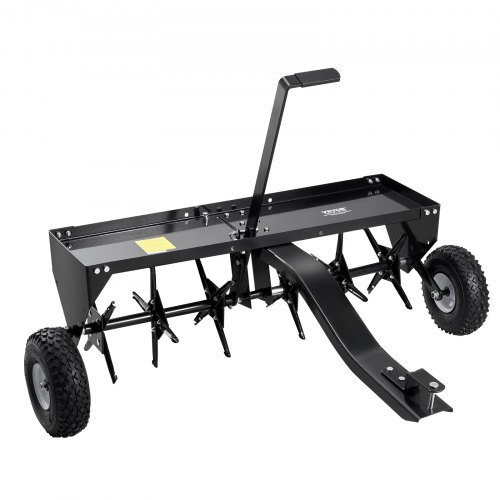
Plug aerators help improve lawn health by removing soil plugs. Choosing the right aerator makes the job easier and more effective.
There are different types of plug aerators. You need to pick one that fits your lawn size and your strength.
Manual Vs. Powered Aerators
Manual aerators need you to push or step on them. They are simple and cheap but take more effort.
Powered aerators use engines or motors to do the work. They cover large areas fast but cost more and need fuel or batteries.
- Manual aerators are good for small yards and light use.
- Powered aerators suit big lawns and heavy use.
- Manual models are lighter and easier to store.
- Powered models reduce physical strain.
Choosing The Right Size
Pick an aerator size that matches your lawn area. Too small means more work, too big can be hard to control.
Consider the width of the aerator and the weight. Wider tools cover more ground, but heavier ones can tire you faster.
- Small aerators: Best for lawns under 1,000 sq ft.
- Medium aerators: Ideal for 1,000 to 5,000 sq ft lawns.
- Large aerators: Fit lawns over 5,000 sq ft.
- Lighter aerators: Easier for beginners or older users.
- Heavier aerators: Work better on compacted soil but need more strength.
Step-by-step Aeration Process
Aerating your lawn helps grass roots get more air and water. It makes your lawn healthier and greener.
Using a plug aerator is easy if you follow the right steps. This guide shows you how to do it well.
Starting The Aerator
Before you start, check the aerator parts for damage. Make sure the tines are sharp and clean.
Choose a dry day to aerate. Wet soil can clog the aerator and cause damage.
Proper Technique For Using The Aerator
Push the aerator straight down into the soil. Do not twist or pull it sideways.
Lift the aerator out carefully to remove soil plugs. Move forward slowly for even holes.
- Keep your feet shoulder-width apart for balance
- Use steady pressure when pressing the aerator down
- Take small steps to cover the lawn evenly
Covering The Entire Lawn
Start aerating in one corner of the lawn. Work in straight rows across the area.
Overlap each pass slightly to avoid missing spots. Aerate the lawn twice at right angles for best results.
- First pass north to south
- Second pass east to west
- Focus on compacted or high-traffic areas
- Do not aerate when the soil is too hard or dry
Post-aeration Care
After using a plug aerator, your lawn needs proper care to recover well. Taking care of your lawn helps it grow thick and healthy.
Follow simple steps for watering, fertilizing, and handling soil plugs to get the best results.
Watering Your Lawn
Water your lawn soon after aeration to help soil plugs break down. This keeps the soil moist and ready for new grass growth.
Give your lawn about one inch of water each week. Water deeply but less often to encourage strong roots.
- Start watering immediately after aeration
- Keep soil moist but not soggy
- Water early in the morning for best results
Fertilizing After Aeration
Apply fertilizer after aerating to feed your lawn and help it grow. Aeration lets fertilizer reach the roots more easily.
Choose a fertilizer made for your grass type. Follow the package instructions to avoid over-fertilizing.
- Use a balanced fertilizer with nitrogen, phosphorus, and potassium
- Apply fertilizer evenly across the lawn
- Water the lawn after fertilizing to help absorption
Handling Soil Plugs
Soil plugs from aeration may remain on the lawn’s surface. Let them break down naturally to return nutrients to the soil.
If you want, you can break the plugs into smaller pieces with a rake. This helps them disappear faster and smooths the lawn surface.
- Leave plugs on the lawn for 1-2 weeks
- Rake lightly to break plugs if desired
- Avoid mowing too soon after aeration
Common Mistakes To Avoid
Using a plug aerator can improve your lawn’s health. But some mistakes can hurt your grass instead.
Learn about common errors to avoid for the best results with your plug aerator.
Over-aerating
Aerating too often can damage your lawn. The soil needs time to recover after aeration.
Over-aerating can weaken grass roots and cause bare spots.
- Aerate only once or twice a year
- Wait several months between sessions
- Watch your lawn’s response after aeration
Ignoring Lawn Conditions
Different lawns need different care. Ignoring soil type and grass health leads to poor aeration results.
Check your lawn’s moisture and soil hardness before aerating. Dry or very wet soil can cause problems.
- Test soil moisture before aeration
- Avoid aerating in very wet or dry conditions
- Know your grass type and soil needs
Maintaining Lawn Health Year-round
Using a plug aerator helps keep your lawn healthy throughout the year. It improves air, water, and nutrient flow to the grass roots.
Regular aeration reduces soil compaction and encourages strong root growth. This leads to a greener, thicker lawn.
Regular Aeration Schedule
Aerate your lawn at the right times to get the best results. Different seasons need different care.
- Early spring is ideal for cool-season grasses.
- Late spring or early summer works for warm-season grasses.
- Fall aeration helps lawns recover before winter.
- Avoid aerating during drought or extreme heat.
Additional Lawn Care Tips
Good aeration works best with other lawn care habits. Follow these tips to keep your lawn healthy.
| Tip | Details |
| Water Deeply | Water your lawn once or twice a week to reach roots. |
| Fertilize Properly | Use the right fertilizer for your grass type and season. |
| Mow Regularly | Keep grass at recommended height to avoid stress. |
| Remove Thatch | Clear thick layers of dead grass to improve air flow. |
Credit: www.vevor.com
Frequently Asked Questions
What Is A Plug Aerator Used For?
A plug aerator removes soil plugs to reduce lawn compaction. It improves air, water, and nutrient flow. This promotes healthier grass growth and reduces thatch buildup.
When Is The Best Time To Use A Plug Aerator?
The best time to use a plug aerator is during your lawn’s active growth. For cool-season grasses, aerate in early spring or fall. For warm-season grasses, aerate in late spring or early summer.
How Often Should I Aerate My Lawn With A Plug Aerator?
Aerate your lawn once or twice a year. Lawns with heavy traffic or clay soil may need more frequent aeration. Regular aeration helps maintain soil health and promotes stronger grass roots.
Can I Use A Plug Aerator On All Lawn Types?
Yes, a plug aerator works well on most lawn types. It is especially beneficial for compacted or clay soils. However, avoid aerating during dormant periods to prevent lawn stress.
Conclusion
Aerating your lawn improves its health and beauty. A plug aerator makes this process easy. It helps soil breathe, letting water and nutrients reach roots. Using it correctly ensures your lawn flourishes. Regular aeration prevents soil compaction, promoting healthy grass growth.
Always follow safety tips when operating the aerator. Choose the right time for aeration based on your grass type. With these steps, your lawn will thrive. A lush, green lawn enhances your outdoor space. Enjoy the benefits of a well-cared-for lawn.
Happy aerating!
