
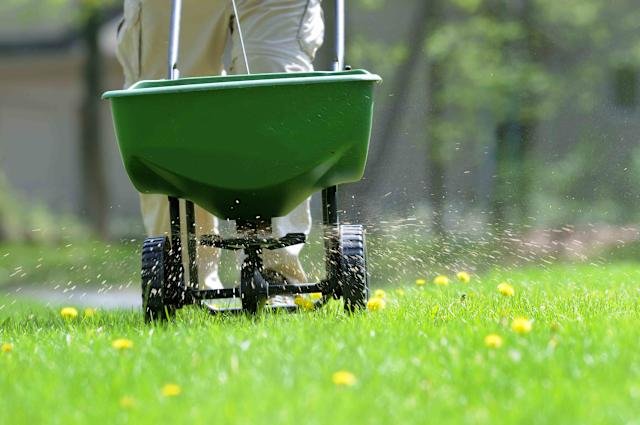
Are you wondering when the best time to spread fertilizer on your lawn is? The right timing can make a huge difference in how green and healthy your grass looks.
Fertilizing at the wrong time might waste your effort and money, leaving your lawn struggling instead of thriving. You’ll discover exactly when and why you should apply fertilizer to get the lush, vibrant lawn you’ve been dreaming of. Keep reading—you’re just a few steps away from transforming your outdoor space!
Seasonal Timing For Fertilizing
Fertilizing your lawn at the right time helps grass grow strong and healthy. Different seasons need different care and fertilizer types.
Knowing when to spread fertilizer can save money and prevent lawn damage. Each season has unique benefits and challenges for fertilizing.
Spring Fertilizing Benefits
Spring is ideal for feeding your lawn after winter dormancy. Fertilizer helps grass recover and grow quickly.
- Boosts root development
- Encourages thick green growth
- Prepares lawn for summer heat
- Helps control weeds early
Summer Application Tips
Fertilizing in summer requires care to avoid burning grass. Use light applications and water well after spreading.
- Choose slow-release fertilizers
- Apply in early morning or late evening
- Keep grass well-watered
- Avoid fertilizing during drought
Fall Fertilizer Advantages
Fall fertilizing helps lawns store nutrients for winter. It supports root growth and prepares grass for spring.
| Benefit | Explanation |
| Stronger Roots | Fertilizer encourages deep root growth before cold |
| Better Color | Grass stays green longer into fall |
| Early Spring Growth | Stored nutrients help grass start faster in spring |
Winter Considerations
Most lawns rest in winter and need little fertilizer. Avoid fertilizing frozen ground to prevent runoff.
Tips for winter lawn care:
- Hold off on fertilizing until spring
- Clear leaves and debris to avoid mold
- Protect lawn from heavy foot traffic
Types Of Fertilizers
Choosing the right fertilizer helps your lawn grow strong and green. Fertilizers come in different types that work in various ways.
Knowing the differences helps you pick the best one for your lawn’s needs and the best time to spread it.
Slow-release Vs. Quick-release
Slow-release fertilizers release nutrients over time. They feed grass slowly and last longer.
Quick-release fertilizers give a fast boost to grass. They work quickly but need more frequent application.
- Slow-release: feeds grass for weeks or months
- Quick-release: gives nutrients within days
- Slow-release reduces risk of burning grass
- Quick-release is good for quick green-up
Organic Vs. Synthetic Options
Organic fertilizers come from natural sources like compost and manure. They improve soil health over time.
Synthetic fertilizers are made from chemicals. They provide nutrients quickly but do not improve soil.
- Organic: slower nutrient release, safer for environment
- Synthetic: fast nutrient release, often cheaper
- Organic helps soil microbes and texture
- Synthetic works well for quick fixes
Choosing Based On Grass Type
Different grasses need different fertilizers. Cool-season grasses need nutrients at different times than warm-season grasses.
Use fertilizers suited for your grass type to get the best growth and health.
| Grass Type | Recommended Fertilizer | Best Time to Apply |
| Cool-season (fescue, bluegrass) | Slow-release, balanced N-P-K | Early spring and fall |
| Warm-season (Bermuda, zoysia) | Quick-release with more nitrogen | Late spring and summer |
Weather Conditions And Fertilizer
Spreading fertilizer at the right time helps your lawn grow healthy. Weather plays a big role in how well fertilizer works.
Knowing the best weather conditions can prevent fertilizer waste and lawn damage. It also helps nutrients reach the grass roots.
Optimal Soil Moisture
Fertilizer works best when soil is slightly moist. Dry soil can stop nutrients from soaking in.
Water the lawn a day before spreading fertilizer if the soil feels dry. Avoid spreading fertilizer on very wet soil to prevent runoff.
Avoiding Rain Wash-off
Rain can wash away fertilizer before it reaches the roots. Check the weather forecast before you spread fertilizer.
- Do not apply fertilizer if heavy rain is expected within 24 hours
- Light rain after spreading can help fertilizer absorb better
- Use slow-release fertilizer to reduce wash-off risk
Temperature Effects On Absorption
Soil temperature affects how plants absorb nutrients. Cool soil slows down nutrient uptake.
Spread fertilizer when temperatures are moderate, usually in the morning or late afternoon. Avoid very hot or cold times to help your lawn absorb fertilizer well.

Credit: golfcourselawn.store
Application Techniques
Spreading fertilizer on your lawn helps grass grow healthy and green. Doing it right saves money and protects the environment.
Choosing the best techniques ensures even coverage and prevents damage to plants and soil.
Spreader Types And Settings
There are two main types of spreaders: drop and broadcast. Each type spreads fertilizer differently.
Adjust the spreader settings based on the fertilizer package instructions. This controls how much fertilizer is applied.
- Drop spreaders:Release fertilizer directly below the spreader for precise application.
- Broadcast spreaders:Spread fertilizer over a wide area using a spinning mechanism.
- Settings:Match the spreader opening size to the recommended amount on the fertilizer bag.
Proper Coverage Methods
Walk at a steady pace to spread fertilizer evenly. Overlapping slightly helps avoid bare spots.
Apply fertilizer when the grass is dry. This prevents clumps and ensures the fertilizer sticks to the soil.
- Use straight lines for easy overlap control
- Walk in one direction, then cross over at a right angle
- Avoid walking too fast or too slow
- Do not apply fertilizer on wet grass or before heavy rain
Safety Precautions
Wear gloves and a mask to avoid contact with fertilizer dust. Keep fertilizer away from children and pets.
Store fertilizer in a dry, cool place. Clean your spreader after use to prevent corrosion and buildup.
- Wear protective gloves and eye protection
- Keep fertilizer out of reach of children and animals
- Do not apply fertilizer near water sources
- Wash hands and clothes after application
Signs Your Lawn Needs Fertilizer
Knowing when your lawn needs fertilizer helps keep grass healthy. Fertilizer gives grass the nutrients it needs to grow strong. Look for signs in color, growth, and soil to decide the best time to spread fertilizer.
These signs show if your lawn lacks important nutrients. Acting on these signs can improve your lawn’s health and appearance.
Color And Texture Changes
A lawn needing fertilizer often shows color and texture differences. Grass may turn pale green or yellow. The texture might feel thin or dry instead of thick and soft.
- Grass color fades from rich green to light green or yellow.
- Grass blades look thin or have brown tips.
- Uneven patches with different color shades appear.
- The lawn feels rough or dry to the touch.
Growth Patterns
Changes in growth can also tell you if fertilizer is needed. Slow growth or bare spots are common signs. Fertilizer helps grass grow evenly and fills in empty areas.
- Grass grows slower than usual or stops growing.
- Bare or thin patches become visible on the lawn.
- Grass blades are shorter and weaker than normal.
- Weeds start to take over thin grass areas.
Soil Testing Insights
Testing your soil helps find exact nutrient needs. A soil test shows if your lawn lacks nitrogen, phosphorus, or potassium. Use this data to choose the right fertilizer.
| Nutrient | Effect of Deficiency | Signs on Lawn |
|---|---|---|
| Nitrogen | Limits leaf growth and color | Yellowing grass, slow growth |
| Phosphorus | Weak root system | Thin grass, poor repair of bare spots |
| Potassium | Reduces disease resistance | Brown leaf tips, weak grass |

Credit: bulkagrochem.com
Common Mistakes To Avoid
Spreading fertilizer on your lawn helps grass grow strong and green. Doing it wrong can harm your lawn and waste money.
Learn the common mistakes to avoid. Knowing these will keep your lawn healthy and save you trouble.
Over-fertilizing Risks
Too much fertilizer can burn your grass and cause yellow spots. It also wastes fertilizer and can pollute water.
- Apply more fertilizer than the package recommends
- Fertilize too often in a short time
- Use fertilizers with high nitrogen without checking lawn needs
- Ignore signs of lawn stress after fertilizing
Incorrect Timing Issues
Applying fertilizer at the wrong time reduces its benefits. It can also harm the grass or cause runoff.
| Timing Mistake | Effect on Lawn |
| Fertilizing during drought | Grass stress and damage |
| Fertilizing before heavy rain | Fertilizer runoff and pollution |
| Fertilizing in winter | Wasted fertilizer as grass is dormant |
| Not following seasonal schedules | Poor grass growth and color |
Ignoring Lawn Type Needs
Different grass types need different fertilizer amounts and types. Ignoring this causes poor lawn health.
Here are key points to check for your lawn type:
- Identify your grass species before buying fertilizer
- Use fertilizers designed for cool-season or warm-season grasses
- Adjust fertilizer spread rate to grass growth speed
- Consult local lawn care guides for best fertilizer types

Credit: www.angi.com
Frequently Asked Questions
When Is The Best Time Of Day To Fertilize A Lawn?
The best time to fertilize is early morning or late afternoon. This avoids heat stress and ensures nutrient absorption. Applying fertilizer during cooler parts of the day reduces evaporation and maximizes lawn health and growth.
What Is The Ideal Season To Spread Lawn Fertilizer?
Spring and fall are ideal seasons for fertilizing. Spring supports new growth, while fall strengthens roots for winter. Avoid fertilizing in extreme heat or drought to prevent lawn damage and nutrient loss.
How Often Should I Fertilize My Lawn Annually?
Most lawns benefit from fertilizing 3 to 4 times per year. Timing depends on grass type and climate. Regular feeding promotes healthy, green grass and prevents nutrient deficiencies throughout the growing season.
Can I Fertilize A Wet Lawn Safely?
It’s best to fertilize when the lawn is dry or slightly damp. Fertilizing a wet lawn can cause nutrient runoff and uneven absorption. Light watering after application helps nutrients soak in without waste.
Conclusion
Choosing the right time to spread fertilizer helps your lawn flourish. Early morning or late afternoon works best. Cooler temperatures prevent burning. Moist soil aids in nutrient absorption. Avoid windy days to reduce waste. Seasonal timing is crucial. Spring and fall are ideal for many grasses.
Keep an eye on weather forecasts. Rain can wash away your efforts. Follow these simple tips. Enjoy a lush, green lawn all year. Your grass will thank you. Happy gardening!
