
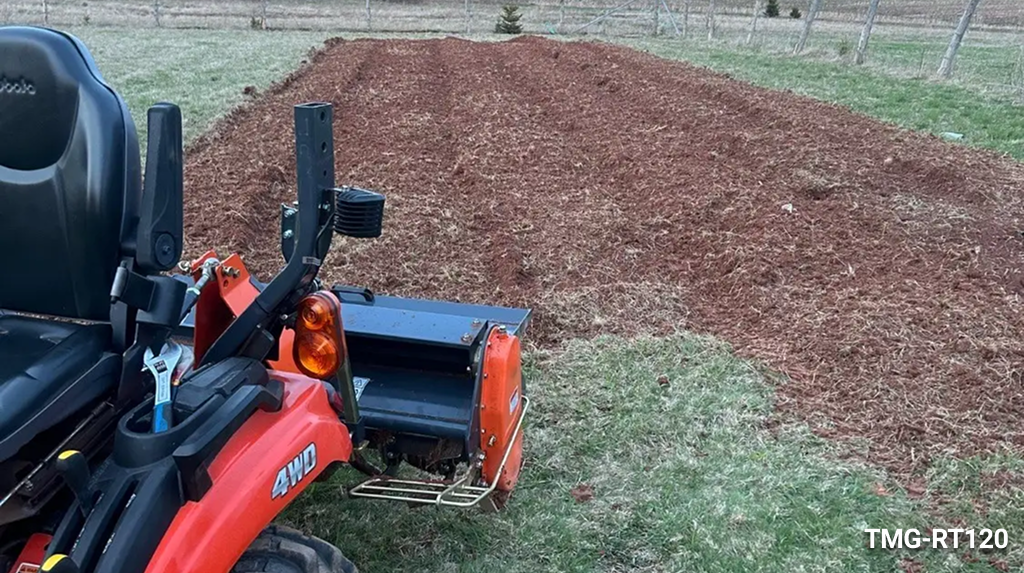
Are you struggling with hard, dry soil in your garden? You might be wondering if using a tiller can help or just make things worse.
Turning dry soil isn’t as simple as it sounds. If you use your tiller the wrong way, you could damage your soil or waste your time and energy. But don’t worry—understanding when and how to till dry soil can make a huge difference for your plants.
Keep reading to discover the best tips and tricks to get your soil ready for a healthy, thriving garden.
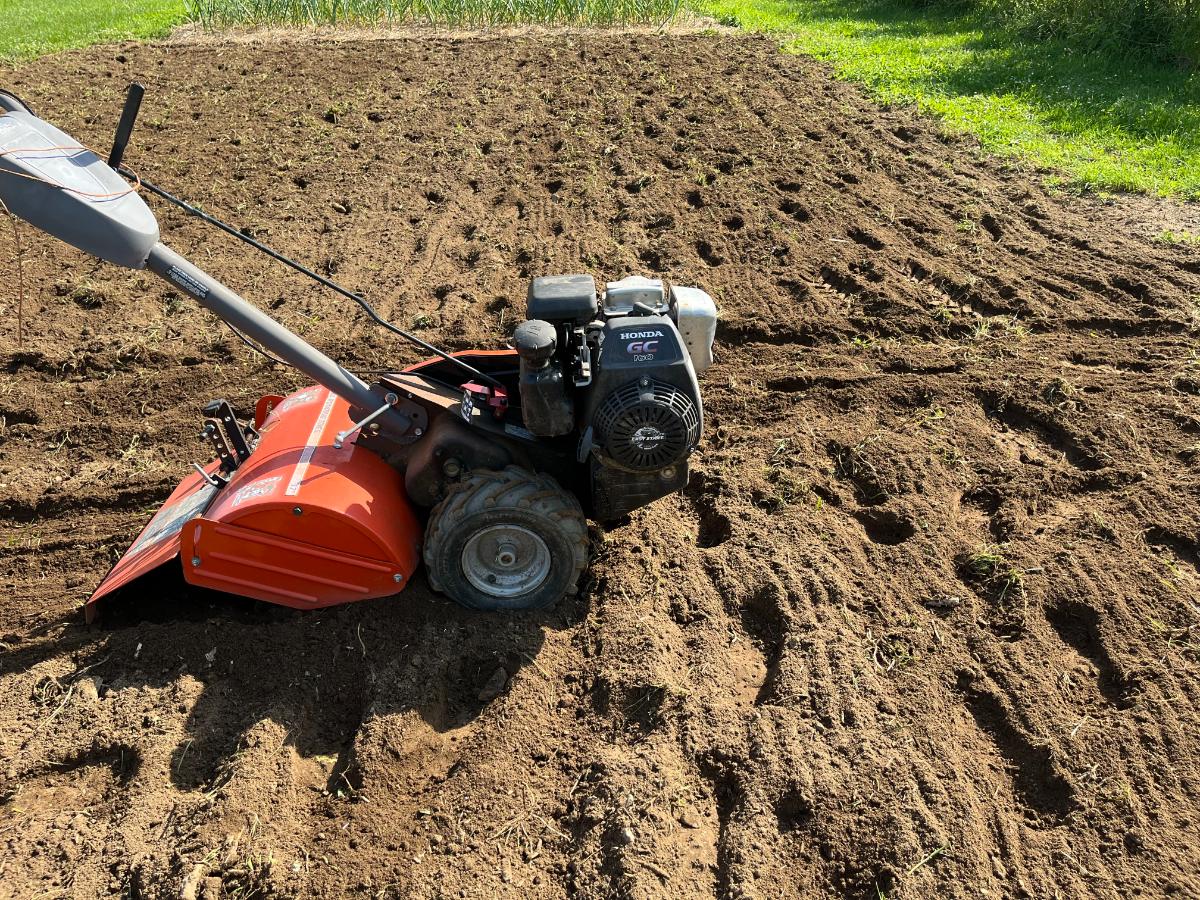
Credit: gardening.org
Challenges Of Tilling Dry Soil
Tilling dry soil can be tough for gardeners and farmers. The soil is hard and resists breaking apart easily.
Using a tiller in these conditions brings many problems. The machine may not work well and can get damaged.
Soil Compaction Issues
Dry soil tends to be very compacted. This makes it hard for the tiller to turn the soil properly. Compacted soil prevents air, water, and nutrients from reaching plant roots.
- Hard soil clogs the tiller blades quickly.
- More power is needed to break the soil.
- Roots cannot grow well in compacted soil.
- Water runs off instead of soaking in.
Damage To Tiller Blades
Using a tiller in dry soil can cause blade damage. The hard soil puts extra pressure on the metal blades. This can bend or dull them fast.
| Blade Problem | Cause | Effect |
|---|---|---|
| Bent Blades | Hitting hard soil chunks | Reduced tilling power |
| Dull Blades | Friction with dry, tough soil | Less effective soil cutting |
| Broken Blades | Stress from compacted soil | Need for costly repairs |
Reduced Effectiveness
Tilling dry soil reduces the overall effectiveness of the tool. The soil does not break up well, leaving large clumps behind.
- The tiller moves slower through dry ground.
- Soil clumps remain, harming seed planting.
- More passes are needed to prepare the land.
- Fuel and effort increase without good results.
Preparing Dry Soil For Tilling
Tilling dry soil can be hard. The soil may be too hard for the tiller to work well. Preparing dry soil helps make tilling easier and better for your plants.
Proper preparation adds moisture and softens the soil. This helps the tiller break the soil into small pieces.
Timing And Moisture Check
Check the soil moisture before tilling. Tilling dry soil can damage the soil structure. It can also make tilling harder and less effective.
Wait for a time after rain or watering. The soil should be moist but not soggy. You can test moisture by feeling the soil.
- Grab a handful of soil and squeeze it.
- It should hold shape but crumble easily.
- If it is dusty or breaks apart, it is too dry.
Pre-soaking Techniques
Watering the dry soil before tilling helps soften it. Pre-soaking allows water to reach deeper layers. This makes tilling easier and less tiring for your equipment.
Soak the soil a day or two before tilling. Use a sprinkler or hose with a gentle spray. Avoid flooding the area to prevent waterlogging.
- Apply water slowly to reach deep soil.
- Check soil moisture again before tilling.
- Ensure soil feels damp, not muddy.
Using Mulch To Retain Moisture
Mulch helps keep soil moisture after watering. It reduces evaporation and protects the soil surface. This keeps soil softer for longer periods.
Apply mulch such as straw, leaves, or grass clippings. Spread a layer about 2 to 3 inches thick over the soil. Remove mulch before tilling to avoid clogging the tiller.
- Mulch slows water loss from soil.
- It reduces soil temperature swings.
- Mulch adds organic matter as it breaks down.
Best Practices For Tilling Dry Soil
Tilling dry soil can be tough because the ground is hard and compact. It needs special care to avoid damage to the soil and tiller.
Using the right techniques helps break up dry soil and prepares it for planting. Follow these tips to till dry soil safely and effectively.
Adjusting Tiller Depth
Set the tiller depth shallow when the soil is very dry. A deep till can strain the machine and cause clumps of hard soil.
Start with a small depth and increase it gradually as the soil loosens. This prevents damage to your tiller and soil structure.
- Begin with 2 to 3 inches deep
- Raise the depth as soil breaks up
- Avoid going deeper than 6 inches in dry conditions
Slow And Steady Approach
Move the tiller slowly to let the blades cut through hard soil. Rushing can damage the tiller or cause uneven soil breaking.
Take your time and keep a steady pace. This helps the tiller work better and reduces the chance of soil clods.
- Use a low gear setting
- Keep a firm grip on the handles
- Stop if the tiller feels stuck or strained
Multiple Passes For Better Results
Do not try to till dry soil all at once. Make several passes to break the soil down gradually.
Each pass loosens the soil more. This method helps create a finer soil texture for planting.
- Make first pass with shallow depth
- Increase depth slightly on next passes
- Repeat until soil is loose and crumbly
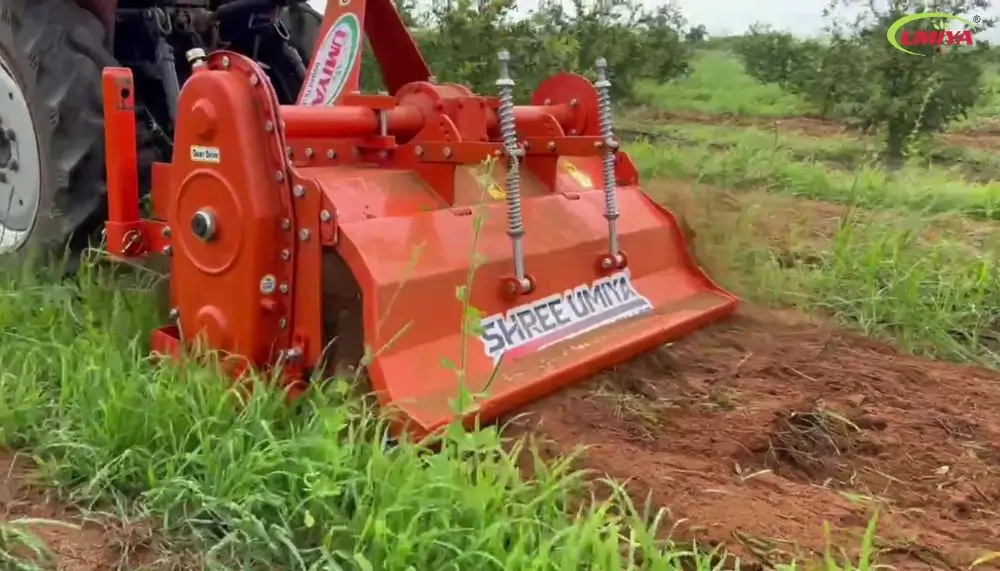
Credit: www.patelagroindustries.com
Alternative Tools And Methods
Using a tiller in dry soil can be tough and may damage your equipment. There are other ways to prepare your soil that work better in dry conditions.
This guide covers simple tools and methods to help improve dry soil without a tiller.
Using A Hoe Or Rake
A hoe or rake helps break hard soil gently. These tools allow you to work the soil without heavy machines.
- Use a hoe to chop and loosen the soil surface.
- A rake can smooth the soil and remove debris.
- Work the soil after watering to soften it first.
- These tools are easy to handle in small gardens.
No-till Gardening Options
No-till gardening avoids digging the soil. This method helps keep soil moisture and structure.
- Spread mulch to protect soil from drying out.
- Plant cover crops to add nutrients without tilling.
- Use compost on top to improve soil health.
- Plant directly into the mulch or compost layer.
Cover Crops To Improve Soil
Cover crops grow during off-seasons to fix dry soil problems. They add organic matter and help soil hold water.
| Cover Crop | Benefits | Best Planting Time |
| Clovers | Add nitrogen, improve soil texture | Spring or Fall |
| Rye | Prevent erosion, add organic matter | Fall |
| Alfalfa | Deep roots break hard soil, add nutrients | Spring |
Maintaining Your Tiller
Using a tiller in dry soil can be tough on the machine. Proper maintenance helps your tiller last longer. Taking care of it after each use is important.
Cleaning, checking the blades, and storing the tiller right keeps it working well. These steps also prevent damage and rust.
Cleaning After Use
Remove dirt and debris from the tiller after every use. Dry soil can stick to the blades and frame. Cleaning stops buildup and rust.
- Use a brush or cloth to wipe off dry soil.
- Spray water lightly if needed, then dry the tiller.
- Check the air filter and clean or replace it if dirty.
Blade Inspection And Sharpening
Check the blades for damage after using the tiller in hard, dry soil. Dull or bent blades reduce performance. Sharp blades work better and save fuel.
- Look for cracks, bends, or dull edges on blades.
- Use a file or grinder to sharpen dull blades carefully.
- Replace blades if they are cracked or too worn.
Storage Tips
Store your tiller in a dry, covered place to avoid rust and damage. Proper storage keeps the machine ready for the next use.
- Clean and dry the tiller before storing it.
- Keep it in a garage or shed to protect from weather.
- Cover the tiller with a tarp if needed.
- Check fuel and oil levels; drain if storing for long periods.
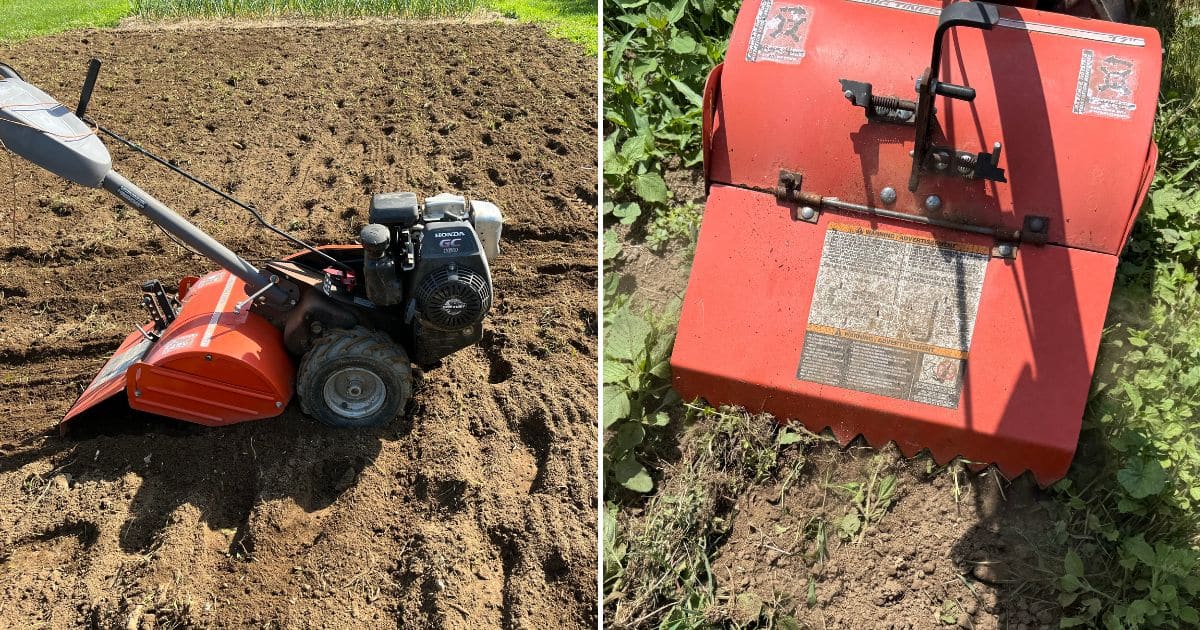
Credit: gardening.org
Frequently Asked Questions
Can You Till Dry Soil Effectively With A Tiller?
Tilling dry soil is possible but challenging. Dry soil is hard and compact, making tilling tough. Watering the soil before tilling softens it, allowing easier and more effective tillage.
What Are The Risks Of Tilling Dry Soil?
Tilling dry soil can damage the tiller and soil structure. It may cause excessive dust, soil erosion, and reduce soil moisture, harming plant growth.
How To Prepare Dry Soil Before Using A Tiller?
Water the dry soil deeply a day before tilling. This softens the soil, reduces dust, and improves tiller efficiency and soil aeration.
Is A Tiller Necessary For Dry Soil Cultivation?
A tiller helps break up hard dry soil faster. However, manual tools or adding moisture first may be better for very dry, compact soil.
Conclusion
Using a tiller in dry soil can be tricky. Dry soil is harder and can harm the tiller. It’s best to water the soil first. This softens it and makes tilling easier. Proper tilling can improve garden health. It helps plants grow by mixing nutrients.
Always check your tiller’s manual for guidance. Caring for your tiller ensures it lasts longer. Remember, a healthy garden starts with good soil care. So, take the time to prepare your soil well. Happy gardening!
