
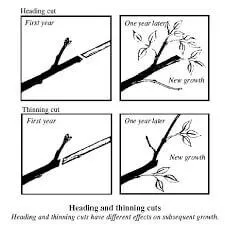
Are you struggling to keep your plants healthy and thriving? One simple step can make a huge difference: making the right pruning cuts.
But do you know the best angle to cut branches for faster healing and stronger growth? Choosing the wrong angle can harm your plants and slow their recovery. You’ll discover exactly what angle works best and why it matters so much.
By the end, you’ll feel confident pruning like a pro and helping your garden flourish like never before. Keep reading to unlock the secret to perfect pruning cuts!
Importance Of Proper Pruning Angles
Pruning cuts shape plants and keep them healthy. The angle of each cut matters a lot. Proper angles help plants heal faster and avoid damage.
Bad pruning angles can cause disease or slow growth. Learning the right angle helps gardeners keep plants strong and growing well.
Effects On Plant Health
Cutting at the right angle helps water run off the wound. This stops water from staying on the cut and causing rot or disease.
- Proper angle prevents water buildup
- Reduces risk of infection
- Helps bark close over the cut smoothly
- Promotes quick healing
Impact On Growth Patterns
Pruning angle changes how new shoots grow. A good angle guides growth outward, making the plant stronger and fuller.
| Pruning Angle | Growth Effect |
| 45 degrees | Encourages outward, healthy shoots |
| Flat cut | Slows healing, invites disease |
| Steep angle | Can cause weak growth |
Common Pruning Angles Explained
Pruning cuts help plants grow healthy and strong. The angle of the cut affects how well the plant heals.
Choosing the right angle makes pruning easier and safer for your plants.
45-degree Cut
A 45-degree cut is angled and helps water run off the cut area. This reduces the chance of rot and disease.
This angle is common for cutting small branches and stems. It helps plants heal faster by exposing less surface area.
90-degree Cut
A 90-degree cut is straight across the branch. It is easier to make but can hold water on the cut surface.
This angle is often used for larger branches or when a clean, flat cut is needed for grafting or shaping.
Angled Vs. Straight Cuts
Angled cuts help water drain away, preventing damage and disease. Straight cuts are simpler but may hold water.
- Angled cuts dry faster and reduce rot risk
- Straight cuts are easier and faster to make
- Choose angled cuts for small branches and stems
- Use straight cuts for larger branches or specific pruning needs
Choosing The Right Angle For Different Plants
Pruning cuts help plants grow healthy and strong. The angle of the cut matters for each plant type.
Choosing the best angle helps water run off and prevents disease. Different plants need different angles.
Trees
Trees need pruning cuts at about a 45-degree angle. This angle lets water drain away from the cut.
Cut just above a bud that faces outward. This helps the branch grow away from the tree center.
- Cut at 45 degrees to avoid water pooling
- Make cuts above outward-facing buds
- Use clean, sharp tools to protect the tree
Shrubs
Shrubs often need a slightly different angle, about 30 to 45 degrees. The cut should slope away from the bud.
This angle helps prevent disease by keeping water off the bud. It also encourages new growth outward.
- Cut at 30 to 45 degrees
- Angle cut away from the bud
- Remove weak or dead branches first
Flowering Plants
Flowering plants need careful cuts to encourage blooms. Cut at a 45-degree angle above a strong bud.
This angle helps water run off and protects the bud that will grow flowers next season.
- Use a 45-degree angle cut
- Cut above a healthy, outward-facing bud
- Prune after flowering for best results

Credit: www.yahoo.com
Tools For Accurate Pruning Cuts
Making the best pruning cuts needs the right tools. Sharp, precise tools help plants heal faster.
Choosing the right tool depends on the branch size and where you cut. Here are some common tools.
Pruning Shears
Pruning shears are small tools for thin branches. They cut branches up to ¾ inch thick cleanly.
- Use bypass shears for live branches to avoid crushing.
- Use anvil shears for dry or dead wood.
- Keep blades sharp to make smooth cuts at the right angle.
Loppers
Loppers have longer handles for more reach and power. They cut branches up to 2 inches thick.
| Feature | Benefit |
| Long Handles | More leverage for thick branches |
| Sharp Blades | Precise cuts at correct angles |
| Bypass Design | Clean cuts without crushing |
Saws
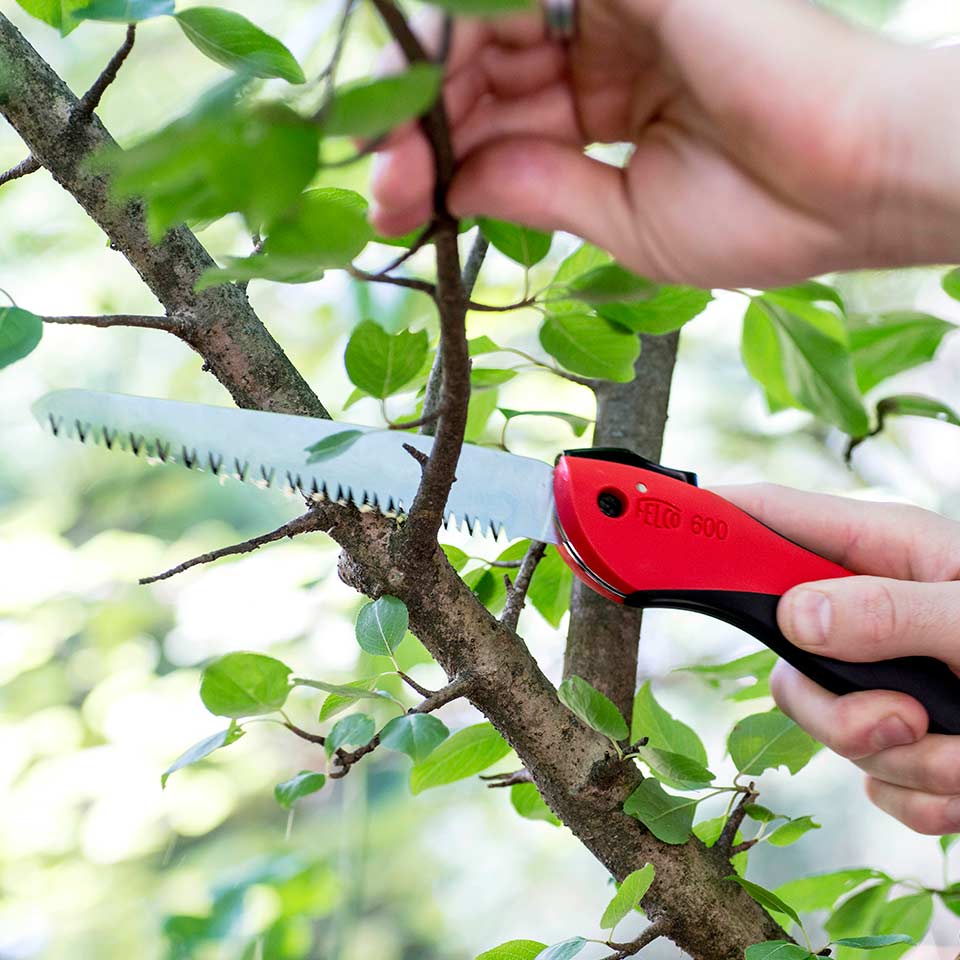
Saws cut large branches over 2 inches thick. They make straight cuts to help plants heal.
Tips for using pruning saws:
- Use a sharp blade to avoid tearing bark.
- Cut at a 45-degree angle to let water run off.
- Start with a small notch to guide the cut.
Common Mistakes To Avoid
Pruning helps plants grow healthy and strong. Cutting at the right angle is important. Avoiding common mistakes keeps plants safe and improves growth.
Here are common pruning errors you should watch out for. Fixing these will help your plants thrive and look their best.
Cutting Too Close Or Too Far
Cutting too close to the main stem can damage the plant. It can cause wounds that do not heal well. Cutting too far leaves stubs that attract pests and diseases.
- Cut just above a bud or branch junction
- Avoid cutting into the branch collar
- Leave a small stub, about ¼ inch long
- Do not cut too far from the node
Using Dull Tools
Dull tools tear plant tissue instead of making clean cuts. This can cause slow healing and infections. Sharpen your tools regularly for best results.
| Problem | Effect on Plant | Solution |
| Dull Blade | Torn branches and stems | Sharpen blades before pruning |
| Dirty Tools | Spread diseases | Clean tools with alcohol or bleach |
| Wrong Tool Size | Hard to cut properly | Use the right tool for branch size |
Ignoring Plant Structure
Pruning without thinking about the plant’s shape can harm its growth. Cutting random branches can make the plant weak or ugly. Always follow the natural form of the plant.
Tips to keep plant structure healthy:
- Look for main branches and keep their balance
- Remove crossing or rubbing branches
- Cut branches that grow inward or downward
- Keep the center open for air and light
Credit: www.leaflimb.com
Expert Tips For Clean And Effective Cuts
Pruning is vital for plant health and growth. Using the right angle for cuts helps plants heal faster and stay strong.
This guide shares expert tips on when to prune, how to adjust your cutting angle, and ways to care for your plants after pruning.
Timing Your Pruning
Choosing the right time to prune affects how well your plants recover. Prune during the plant’s dormant season for the best results.
- Prune trees and shrubs in late winter or early spring.
- Avoid pruning during heavy sap flow or extreme cold.
- Remove dead or damaged branches anytime.
- For flowering plants, prune after they bloom to avoid cutting off buds.
Angle Adjustment Techniques
Making the right angle cut helps water drain away and stops disease. The cut should be just above a bud or branch junction.
| Cut Angle | Purpose | Tips |
|---|---|---|
| 45 degrees | Allows water to run off | Cut slightly above the bud, slanting away |
| 90 degrees | Used for thick branches | Make a clean, straight cut to avoid bark tearing |
| 30 degrees | For delicate stems | Gentle angle reduces stress on the plant |
Aftercare Practices
Proper care after pruning helps plants heal quickly and stay healthy. Keep the cut areas clean and protected.
- Remove all fallen leaves and debris near pruned areas.
- Water plants deeply to reduce stress.
- Apply a pruning seal if the plant is prone to disease.
- Watch for signs of infection or pests after pruning.
Credit: tense-deer.files.svdcdn.com
Frequently Asked Questions
What Is The Ideal Angle For Pruning Cuts?
The ideal pruning cut angle is 45 degrees. This angle helps water drain away, preventing disease and promoting faster healing.
Why Is The Pruning Cut Angle Important?
Pruning cut angle affects plant health. A proper angle reduces damage and helps the plant heal quickly and grow strong.
How Does Pruning Angle Affect Plant Growth?
Correct pruning angles encourage healthy growth by minimizing stress. It helps the plant develop a strong structure and reduces infection risks.
Should Pruning Cuts Be Angled Or Straight?
Pruning cuts should be angled, typically at 45 degrees. Angled cuts allow water runoff, preventing rot and improving wound healing.
Conclusion
Choosing the right angle for pruning cuts is crucial. It ensures healthy growth and prevents damage. A 45-degree angle is often best. It allows water to drain off easily. This prevents rot and disease. Always use sharp tools for clean cuts.
They heal faster and reduce stress on plants. Pruning at the correct angle benefits your plants. It supports their health and beauty. Remember, practice makes perfect. Test different angles and learn. Your plants will thank you with vibrant growth. Enjoy the process and watch your garden thrive.
