
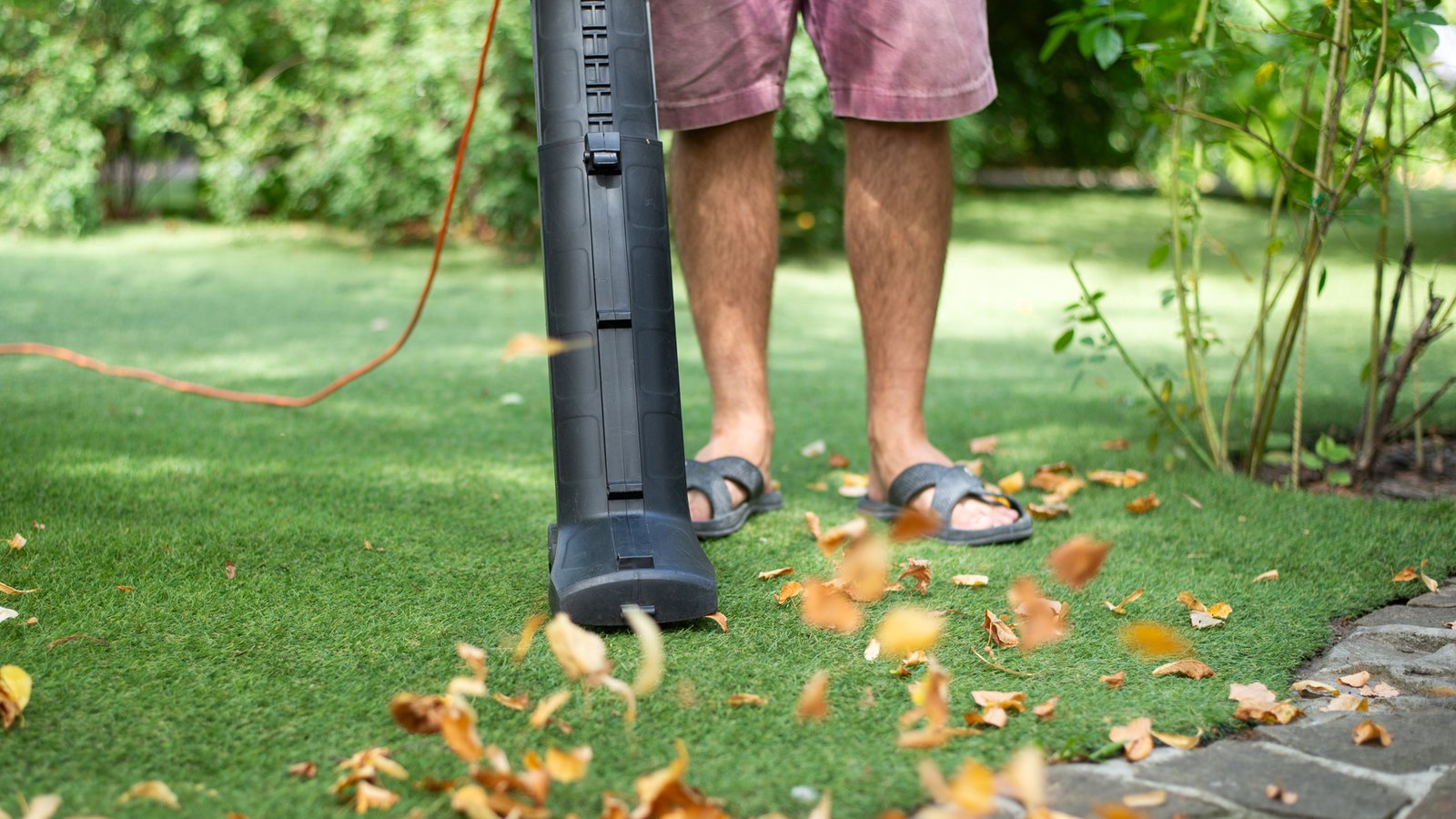
Are you tired of dealing with messy grass clippings after mowing your lawn? Using a leaf vacuum can make cleanup faster and easier, but only if you know the right way to use it on your grass.
You’ll discover simple steps to get the best results from your leaf vacuum, saving you time and effort. Keep reading to learn how to turn your grass clippings into a clean, tidy yard without breaking a sweat.
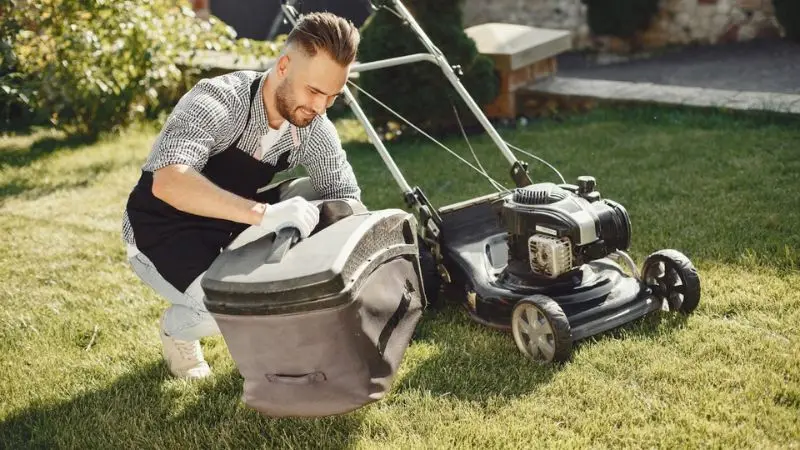
Credit: www.vevor.com
Choosing The Right Leaf Vacuum
Using a leaf vacuum can make cleaning grass clippings easier. Picking the right one saves time and effort.
This guide covers types of leaf vacuums, features to look for, and power options.
Types Of Leaf Vacuums
Leaf vacuums come in different styles for various needs. Choose one that fits your yard size and cleanup tasks.
- Handheld Vacuums:Lightweight and good for small yards. Easy to carry and use.
- Backpack Vacuums:Worn on your back for better mobility. Ideal for medium to large areas.
- Walk-Behind Vacuums:Larger machines for big yards. They cover more ground quickly.
Features To Consider
Look for features that improve comfort and performance. These help you work longer without strain.
| Feature | Benefit |
| Adjustable Suction | Controls power for different debris types |
| Large Collection Bag | Holds more clippings to reduce emptying |
| Ergonomic Handles | Reduces hand and arm fatigue |
| Mulching Capability | Shreds clippings for easy disposal |
Power Source Options
Leaf vacuums use different power sources. Pick one that matches your yard size and budget.
- Electric (Corded):Unlimited runtime but needs an outlet. Good for small yards near the house.
- Battery-Powered:Portable and quiet. Limited runtime but no cords to manage.
- Gas-Powered:Strong suction and long use time. Heavier and needs fuel care.
Credit: superhandyus.com
Preparing Your Lawn And Equipment
Using a leaf vacuum on grass clippings helps keep your lawn clean. Proper preparation makes the process easier and safer.
Before you start, check your lawn and equipment. This ensures the vacuum works well and protects your grass.
Clearing Debris
Remove large sticks, rocks, and other debris from your lawn. These items can damage the vacuum or clog it.
Clearing debris also helps the vacuum pick up grass clippings better. It prevents jams and keeps the machine running smoothly.
- Walk through the lawn carefully
- Pick up any visible sticks or stones
- Clear toys or garden tools from the area
- Rake the lawn lightly if needed
Checking Vacuum Settings
Check the vacuum’s settings before use. Adjust them to fit the grass type and clipping amount.
Make sure the suction level is strong enough to pick up clippings but not too strong to damage the grass.
- Set suction power based on grass height
- Check the bag or collection bin is empty
- Inspect hoses for blockages or damage
- Ensure all parts are securely attached
Safety Precautions
Wear safety gear like gloves and goggles. This protects you from flying debris and dust.
Keep children and pets away while using the leaf vacuum. Follow the manufacturer’s instructions carefully.
- Wear closed-toe shoes and long pants
- Use ear protection if the vacuum is loud
- Keep hands and feet clear of moving parts
- Turn off the vacuum before clearing jams
Techniques For Vacuuming Grass Clippings
Using a leaf vacuum can make cleaning grass clippings easier. It helps keep your lawn tidy and free from debris.
Proper techniques improve the vacuum’s efficiency. This guide covers speed, patterns, and handling wet or dry clippings.
Optimal Vacuuming Speed
Moving the vacuum at the right speed ensures you pick up clippings without clogging the machine. Too fast leaves clippings behind. Too slow wastes time and may cause blockages.
- Start at a slow pace to test the vacuum’s power.
- Increase speed gradually while checking the suction.
- Maintain a steady speed that picks up clippings easily.
- Avoid sudden stops or changes in speed to prevent jams.
Best Vacuuming Patterns
Following a consistent pattern helps cover the lawn evenly and saves time. Overlapping passes prevent missed spots.
- Use straight lines back and forth across the area.
- Overlap each pass by a few inches.
- Work from one side of the lawn to the other.
- Vacuum edges and corners last.
- Clear the collection bag regularly to keep suction strong.
Handling Wet Vs Dry Clippings
Grass clippings behave differently based on moisture. Wet clippings can clog the vacuum, while dry clippings flow better.
| Clipping Type | Tip |
|---|---|
| Dry Clippings | Vacuum at normal speed. Empty the bag when full. |
| Wet Clippings | Move slower to avoid clogging. Clean filters often. |
| Mixed Clippings | Adjust speed based on clumping. Use a rake if needed. |
Maintaining Your Leaf Vacuum
Keeping your leaf vacuum clean and well-maintained helps it work better. Regular care makes it last longer and keeps grass clippings clear.
Follow simple steps to maintain your leaf vacuum. This guide covers cleaning filters and bags, sharpening blades, and storage tips.
Cleaning Filters And Bags
Dirty filters and full bags reduce your vacuum’s power. Clean them often to keep air flowing and clippings collecting well.
Remove the filter and bag after each use. Shake off dust and debris outside. Wash the filter with water if it is very dirty. Let it dry completely before putting it back.
- Check filters for holes or damage
- Empty bags after every use
- Replace worn filters and bags promptly
Sharpening Blades
Sharp blades cut grass clippings better. Dull blades make your vacuum work harder and clog more often.
Remove the blades carefully before sharpening. Use a file or sharpening stone to smooth the edges. Keep the blade angle the same as the original.
- Wear gloves when handling blades
- Sharpen blades every few uses
- Check blades for cracks or damage
- Replace blades if damaged beyond repair
Storage Tips
Store your leaf vacuum in a dry place. Moisture can cause rust and damage electrical parts.
Empty the bag and clean the vacuum before storing. Keep it covered or in its case to protect from dust and dirt.
- Store in a cool, dry area
- Keep away from direct sunlight
- Cover or bag the vacuum to avoid dust
- Remove batteries or unplug before storage
Alternative Uses For Leaf Vacuums
Leaf vacuums are useful tools for yard cleanup. They do more than just clear leaves. You can use them in different ways to keep your lawn healthy and tidy.
This guide shows how to use leaf vacuums for tasks beyond collecting leaves. Learn how to mulch, compost, and handle grass clippings efficiently.
Collecting Leaves And Debris
Leaf vacuums help gather leaves and yard waste quickly. They save time compared to raking. You can also use them to pick up small twigs and loose debris.
- Run the vacuum slowly over leaves for best pickup.
- Empty the collection bag often to keep suction strong.
- Use the vacuum on dry leaves for easier collection.
- Avoid picking up wet or heavy debris that can clog the machine.
Mulching Benefits
Leaf vacuums can shred leaves and grass clippings into small pieces. These pieces make good mulch for your garden beds. Mulch keeps soil moist and stops weeds.
| Mulch Type | Benefit |
|---|---|
| Shredded Leaves | Improve soil texture and add nutrients |
| Grass Clippings | Keep soil moist and reduce watering needs |
| Mixed Mulch | Protect plants and reduce weed growth |
Composting With Clippings
Leaf vacuums make it easy to collect grass clippings for compost. Composting turns yard waste into rich soil food. This helps plants grow strong.
- Collect dry grass and leaves using the vacuum.
- Mix collected material with kitchen scraps and water.
- Turn the compost pile every few days for air flow.
- Use finished compost in your garden beds.
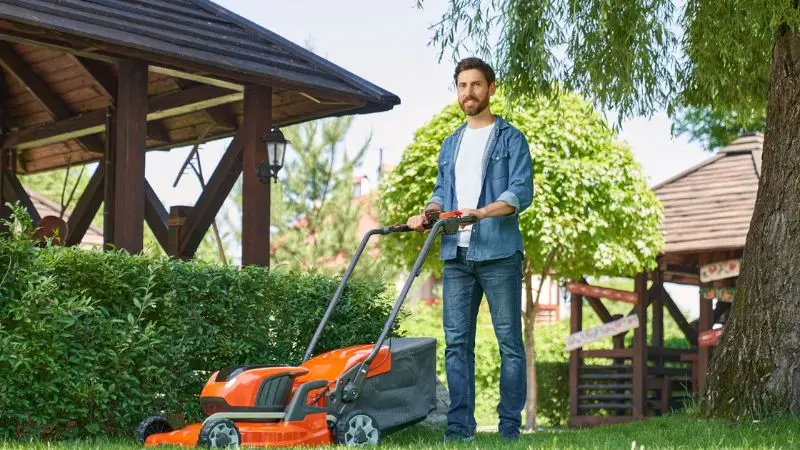
Credit: www.vevor.com
Frequently Asked Questions
How Do I Prepare Grass Clippings For Leaf Vacuum?
Before using a leaf vacuum, ensure grass clippings are dry and loosely spread. Avoid wet or compacted clippings for effective vacuuming. Clear large debris to prevent clogging. This preparation helps the vacuum work efficiently and prevents damage to the machine.
Can Leaf Vacuums Damage My Lawn Grass?
Leaf vacuums can damage grass if used improperly. Use a low suction setting and avoid prolonged vacuuming on one spot. Test on a small area first. Proper use ensures the grass remains healthy while cleaning up clippings effectively.
What Is The Best Leaf Vacuum Type For Grass Clippings?
A leaf vacuum with adjustable suction and a large capacity bag works best. Cordless models offer mobility, while gas-powered vacuums handle larger yards. Choose a model designed for fine debris like grass clippings for optimal performance.
How Often Should I Vacuum Grass Clippings In My Yard?
Vacuum grass clippings after mowing sessions to keep your lawn tidy. Frequency depends on yard size and grass growth rate. Regular vacuuming prevents clumping and promotes healthy lawn appearance.
Conclusion
Using a leaf vacuum on grass clippings makes yard work simpler. It saves time and effort. Grass clippings can be collected quickly. The lawn looks cleaner and more attractive. This tool helps keep your yard neat. Regular maintenance becomes easier.
Choose a suitable vacuum for best results. Consider the size and power needed. Follow safety tips for a smooth experience. Enjoy a tidy yard with less stress. A leaf vacuum can be a valuable addition to your garden tools. Happy cleaning!
